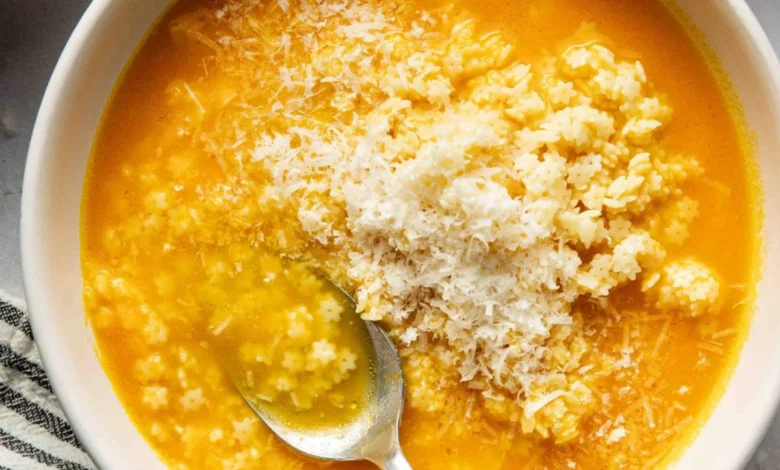
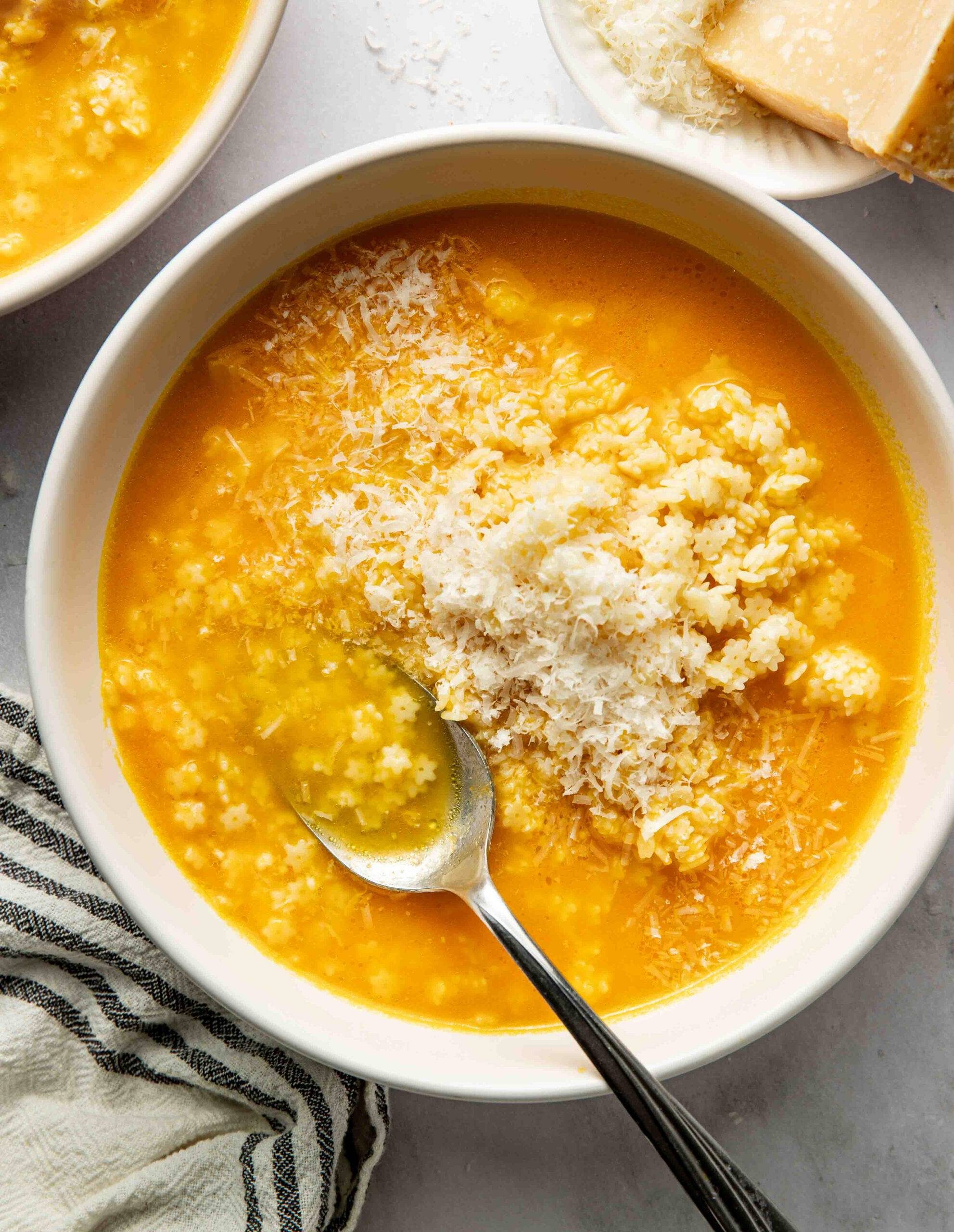
In the realm of domestic comfort food, few dishes occupy as storied a position as pastina, a traditional Italian staple that has recently experienced a resurgence in global popularity. Often referred to by the moniker "Italian Penicillin," this simple preparation of tiny, star-shaped pasta served in a light, savory broth has transitioned from a generational household remedy into a mainstream culinary phenomenon. As seasonal illnesses fluctuate, households across the globe are increasingly returning to this minimalist, nutrient-dense soup, reflecting a broader trend toward prioritizing traditional, easily digestible comfort foods during periods of convalescence.
Historical Context and Cultural Origins
The term "pastina" is derived from the Italian diminutive for "pasta," encompassing various tiny pasta shapes typically ranging from 1 to 2 millimeters in size. While the star shape—stelline—is the most recognizable form associated with the "Italian Penicillin" moniker, the dish itself represents a fundamental pillar of Italian culinary heritage. Historically, Italian families have utilized the broth-based preparation as a primary method for introducing solids to infants and providing a low-effort, high-hydration meal for the elderly or the unwell.
The nickname "Italian Penicillin" serves as a metaphorical nod to the soup’s perceived medicinal properties. Unlike heavy cream-based soups or complex stews, the classic pastina preparation relies on a clear, vegetable- or chicken-infused broth, which provides essential electrolytes and hydration. In many Italian households, the dish is considered a rite of passage, often associated with the nurturing presence of matriarchs. Its emergence in the 21st-century digital landscape, particularly through social media platforms like TikTok, has effectively bridged the gap between traditional Mediterranean practices and contemporary global food culture.

Culinary Methodology and Preparation
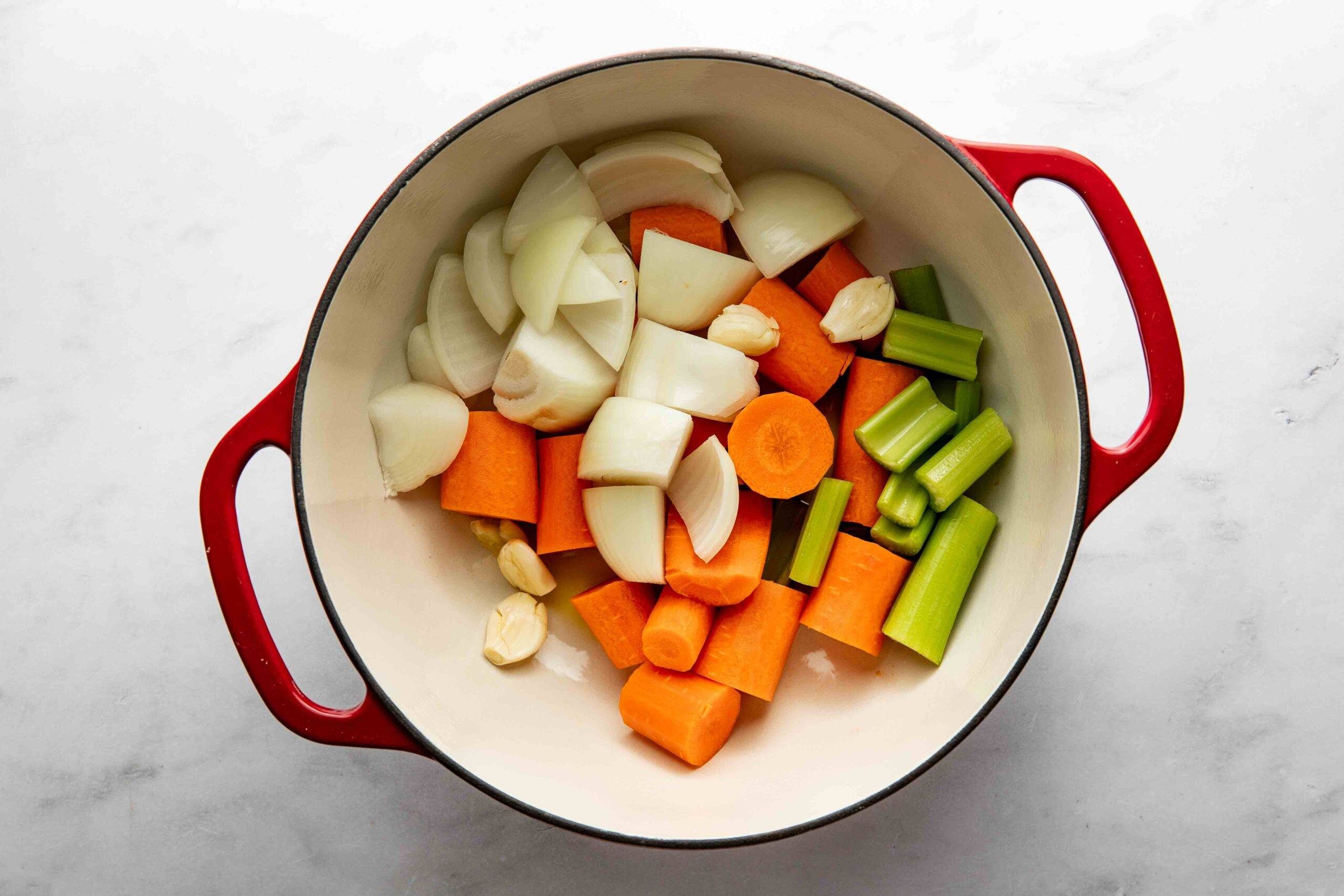
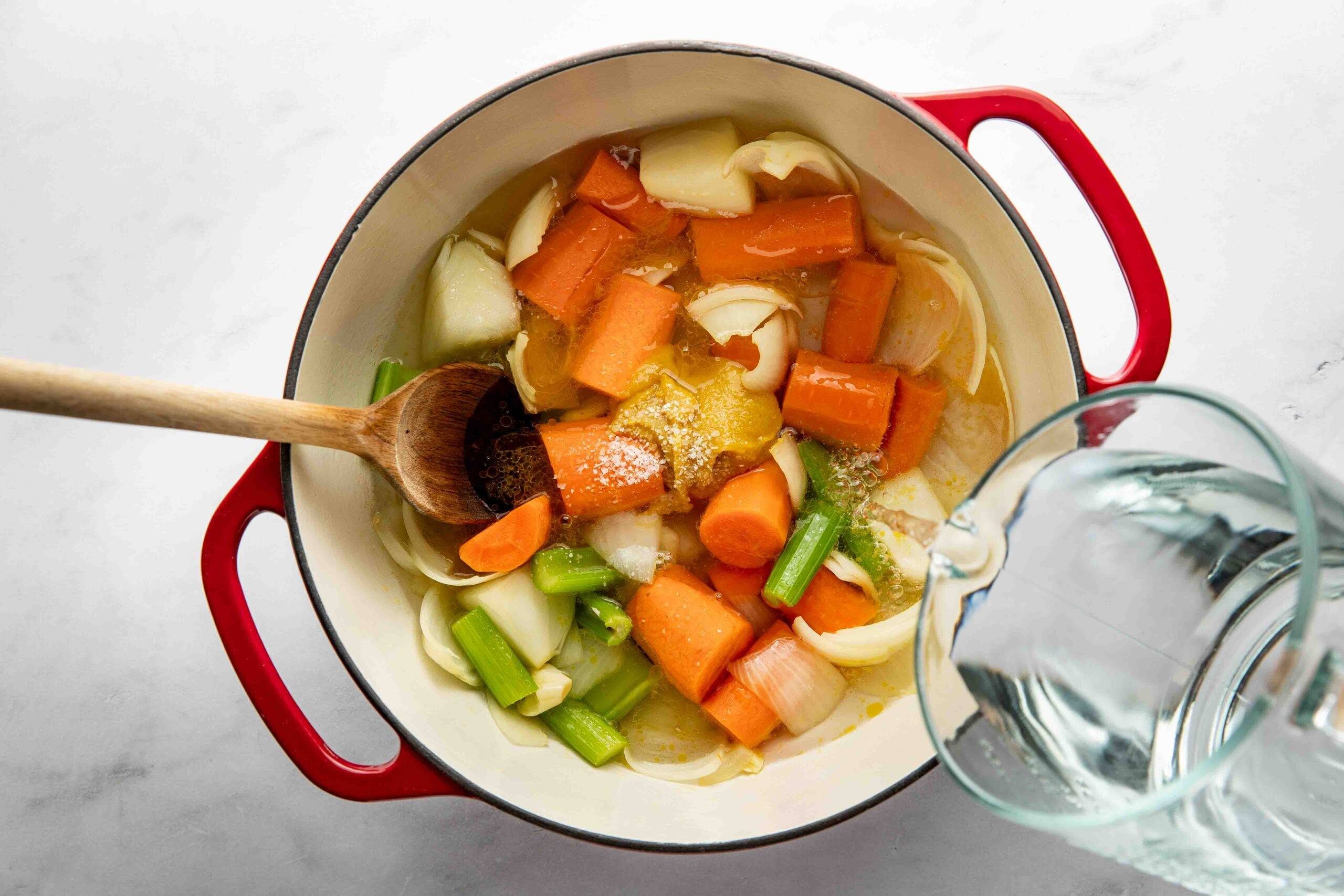
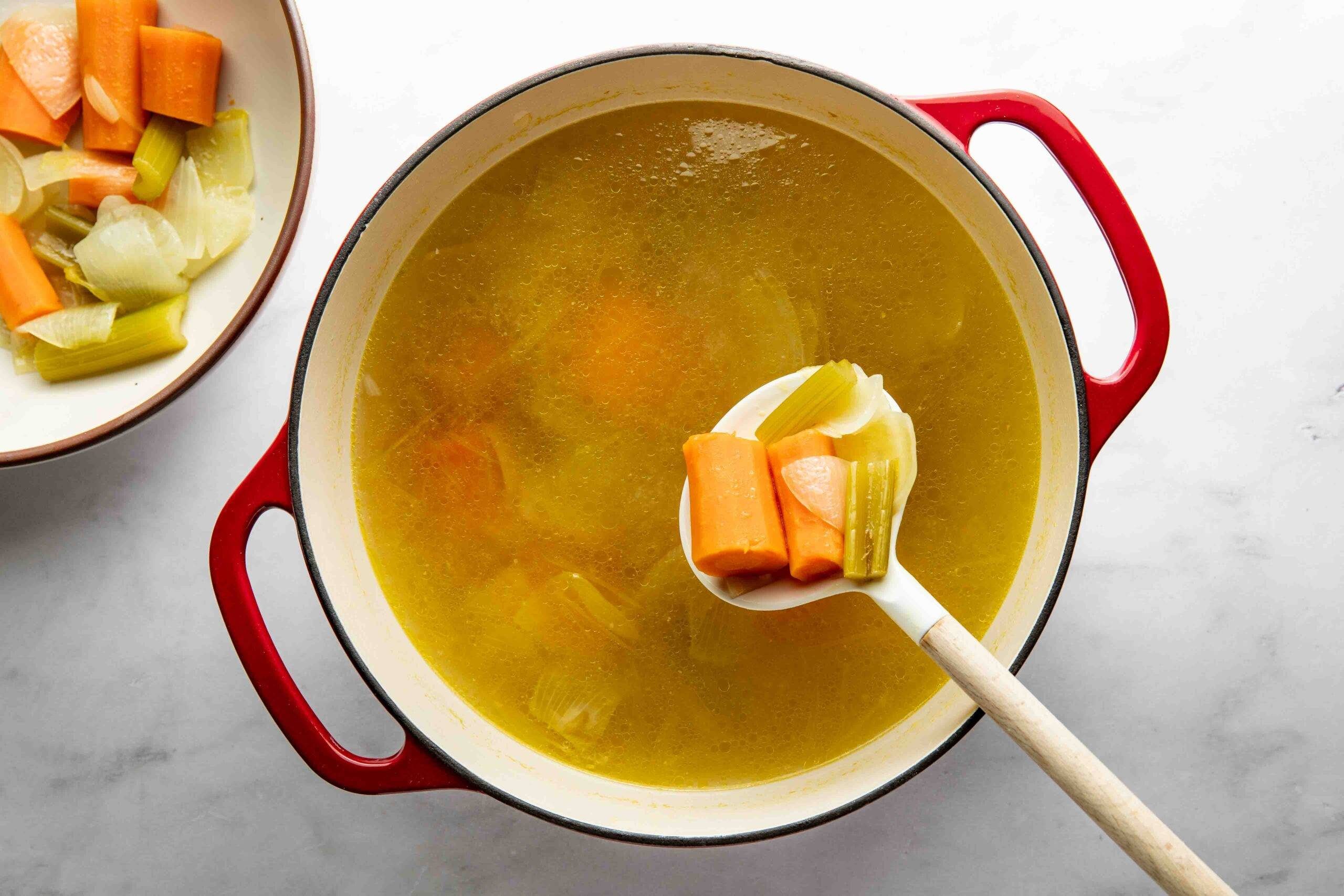
The preparation of modern pastina soup involves a systematic approach that maximizes flavor extraction while maintaining a minimalist ingredient profile. The process typically begins with a base of aromatic vegetables—onions, carrots, and celery—which are sautéed to release essential oils. The inclusion of these aromatics serves as the foundation for the broth, which is then bolstered by high-quality stock bases, such as concentrated bouillon, to ensure a depth of umami without the need for prolonged boiling of animal proteins.
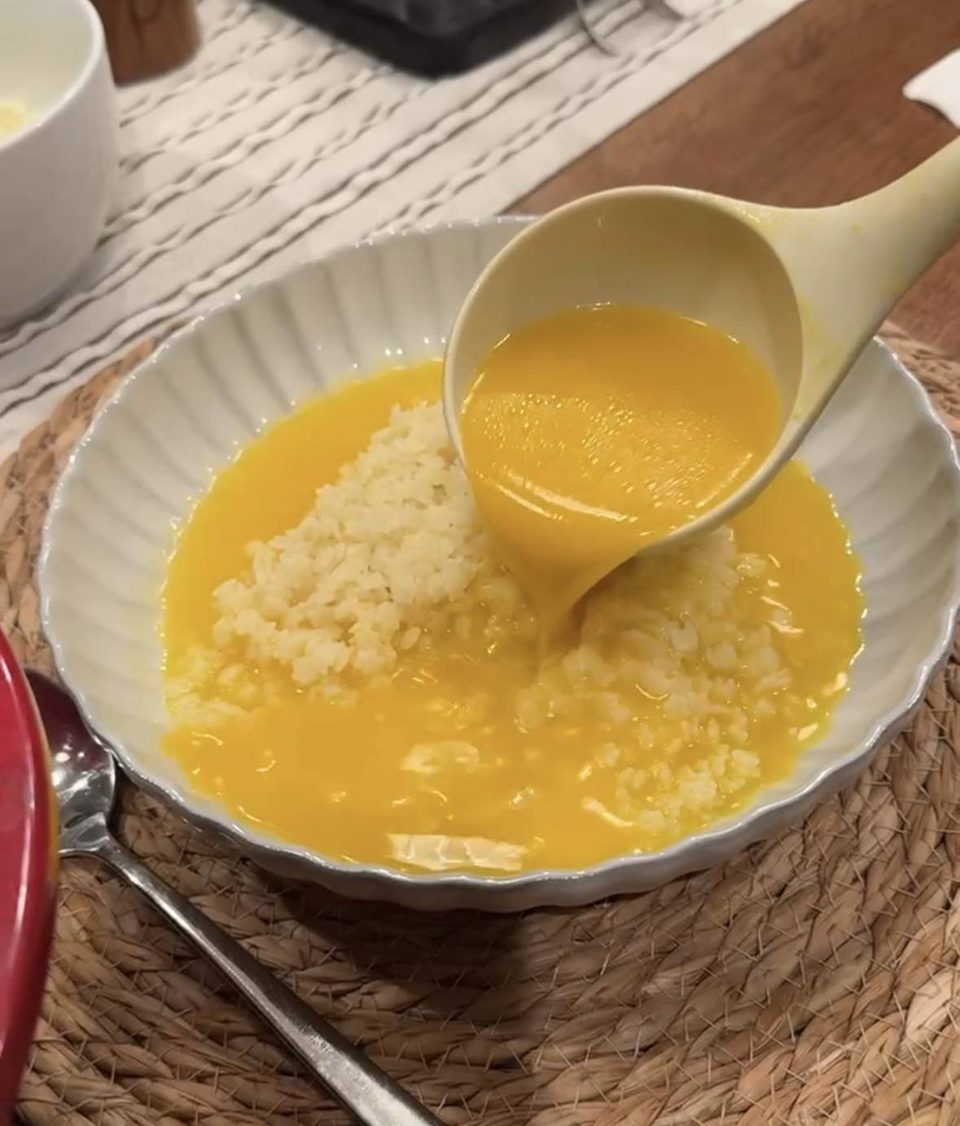
A notable technique in refined preparations involves the separation of the cooked vegetables from the broth. By removing and blending the softened vegetables before reintegrating them into the liquid, the cook achieves a velvety, opaque, and highly flavorful base that coats the delicate star-shaped pasta more effectively than a standard thin stock. The final assembly, usually finished with a generous dusting of Parmigiano-Reggiano and a touch of olive oil, highlights the Italian philosophy of cucina povera, or the art of making exceptional dishes from simple, accessible ingredients.
Nutritional Implications for Convalescence
From a clinical and nutritional perspective, the popularity of pastina during times of illness is grounded in physiological practicality. When individuals suffer from common viral infections or seasonal flu, the body’s metabolic demands often shift, frequently resulting in decreased appetite and heightened sensitivity to complex fats or proteins.
Nutritionists often point to the following factors that make pastina an ideal recovery food:

- Ease of Digestion: The small size of the pasta requires minimal mastication and places little strain on the digestive system.
- Hydration: The high liquid-to-solid ratio assists in maintaining fluid levels, which is critical when a patient is febrile.
- Electrolyte Balance: When prepared with a quality bouillon or stock, the broth provides sodium and trace minerals that are often depleted during illness.
- Palatability: The neutral, savory profile of the broth is less likely to trigger nausea or food aversion compared to richer, more heavily spiced alternatives.
The Impact of Social Media on Culinary Trends
The rapid ascent of pastina in recent years can be largely attributed to the "comfort food" trend that accelerated during the global health crises of the early 2020s. As consumers sought recipes that were both economical and emotionally resonant, pastina emerged as a focal point of home-cooking content. Data from culinary search engines indicate a significant spike in interest for "Italian Penicillin" keywords, often peaking during winter months when respiratory illnesses are most prevalent.
This digital visibility has led to a diversification of the recipe. While traditionalists advocate for the simplicity of broth and pasta, modern iterations have introduced variations including the addition of egg yolks—to create a stracciatella-like texture—or the inclusion of finely shredded proteins. Despite these modifications, the core identity of the dish remains anchored in its role as an accessible, restorative meal.
Market Trends and Consumer Behavior
The market for specialty pastas has seen a corresponding increase in demand for smaller, whimsical shapes. Retailers have observed that the "pastina" category, once relegated to niche ethnic aisles, is now frequently featured in mainstream grocery chains. This trend mirrors a broader shift in consumer behavior, where individuals are increasingly prioritizing "functional comfort"—foods that provide psychological relief while simultaneously addressing basic biological needs.
Furthermore, the "Italian Penicillin" phenomenon highlights the enduring power of food as a social signifier. By sharing recipes and stories of the dish online, users are participating in a communal experience that attempts to replicate the domestic stability of traditional family life. For many, the act of cooking this specific soup is not merely about nutrient intake; it is a performance of self-care and an acknowledgment of the role that traditional knowledge plays in modern wellness.
Analysis of Future Projections
As culinary trends continue to shift toward sustainable and mindful eating, the future of pastina appears secure. Its low environmental footprint—relying primarily on plant-based aromatics and simple wheat pasta—aligns with current sustainability goals in the food industry. Moreover, as the population continues to place a higher premium on "gut health" and gentle nutrition, the appeal of a warm, broth-based meal is unlikely to wane.
Looking ahead, food historians and industry analysts suggest that the "Italian Penicillin" narrative will likely be integrated into broader discussions regarding the intersection of food and mental health. The psychological benefit of consuming a meal associated with childhood, warmth, and familial care provides a buffer against the stresses of modern life. As such, pastina is poised to move from a "trending" recipe to a permanent fixture in the repertoire of the contemporary home cook.
In conclusion, the rise of pastina soup is a testament to the enduring human desire for simplicity and comfort. By marrying the nutritional necessity of hydration and electrolytes with the nostalgic weight of tradition, this humble dish has secured its place in the modern kitchen. Whether one views it through the lens of culinary history, nutritional science, or cultural anthropology, the essence of the dish remains unchanged: a bowl of stars, a savory broth, and the quiet, essential act of restoration.