The Rise of Batch-Cooking as a Domestic Strategy
The methodology behind freezer meals is rooted in the principles of logistical efficiency. By sourcing ingredients in bulk and utilizing preservation techniques such as flash-freezing, households can reduce the frequency of shopping trips and minimize food waste. Nutritional experts note that when meals are prepared in advance, there is a lower statistical likelihood of relying on ultra-processed convenience foods or expensive takeout options.
For many, the transition to a freezer-based system is not merely about convenience; it is a response to the "decision fatigue" that often accompanies the end of a busy workday. By automating the dinner menu, individuals report a significant reduction in stress levels, a claim supported by studies in behavioral psychology regarding the benefits of reducing daily micro-decisions.
Methodology and Execution
The current surge in interest for October-specific meal plans centers on seasonal ingredients. The transition from summer produce to autumn staples—such as squashes, apples, and hearty grains—provides the foundation for these recipes. The standard procedure involves the assembly of raw or semi-prepared ingredients into airtight, moisture-resistant storage bags.
The logistical benefit of this method is the flexibility it offers in the final cooking stage. Modern, widely accessible kitchen technology, such as slow cookers (crockpots) and pressure cookers (Instant Pots), has revolutionized the viability of this system. These appliances allow for meals to be cooked directly from a frozen state, eliminating the need for a separate, time-consuming thawing process.
Seasonal Culinary Profiles
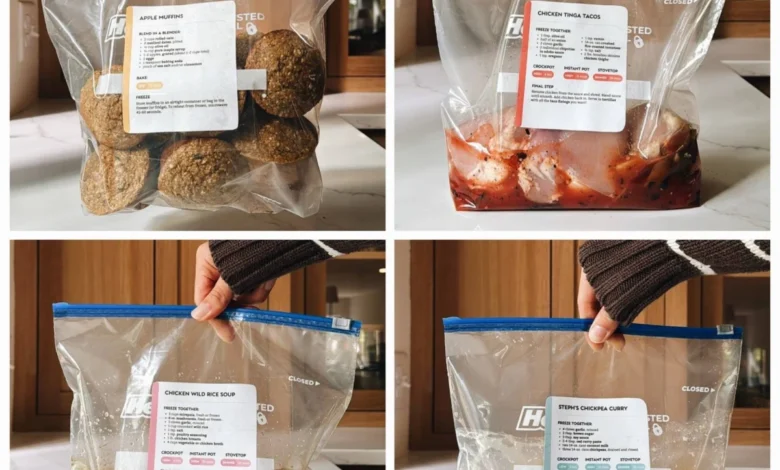
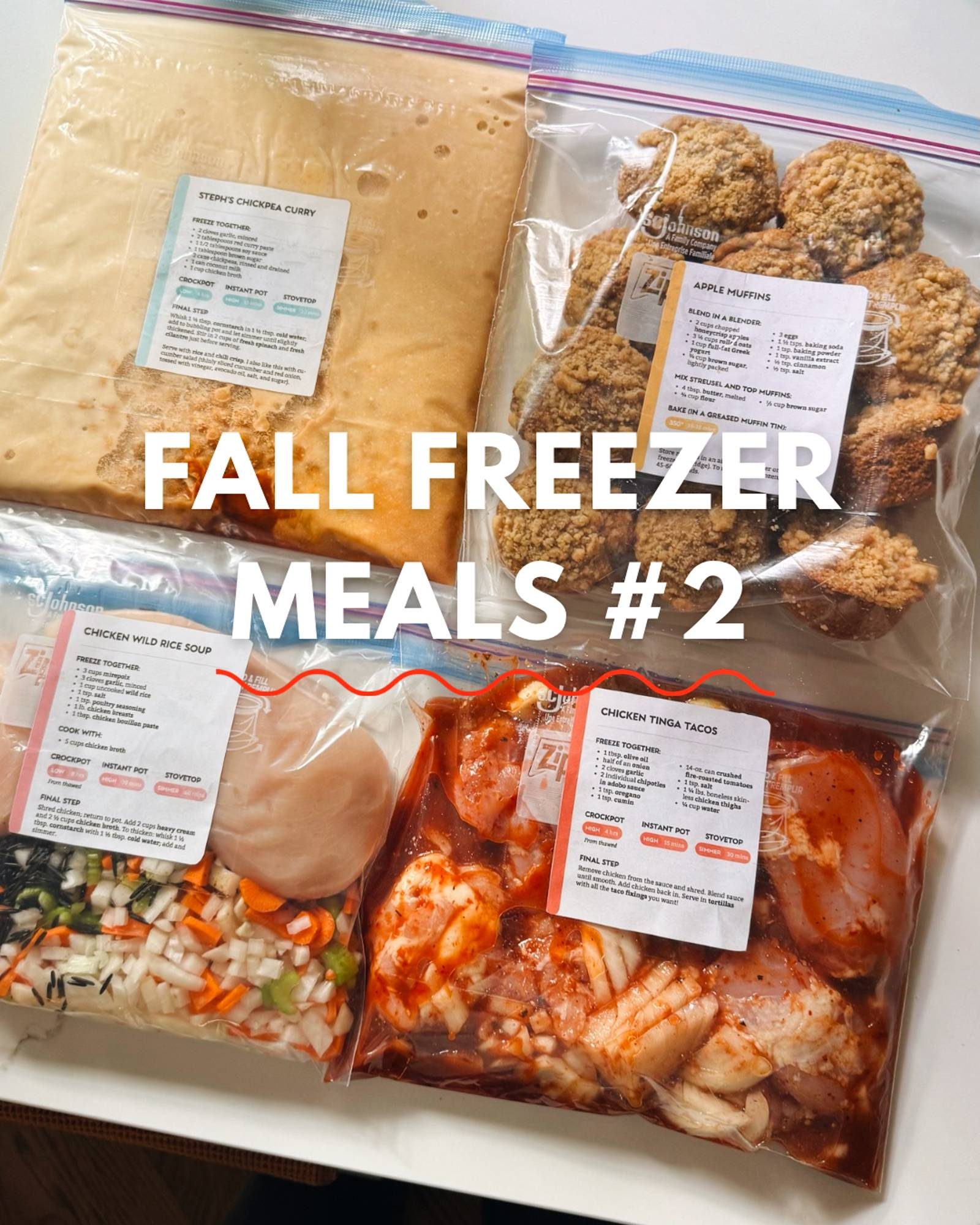
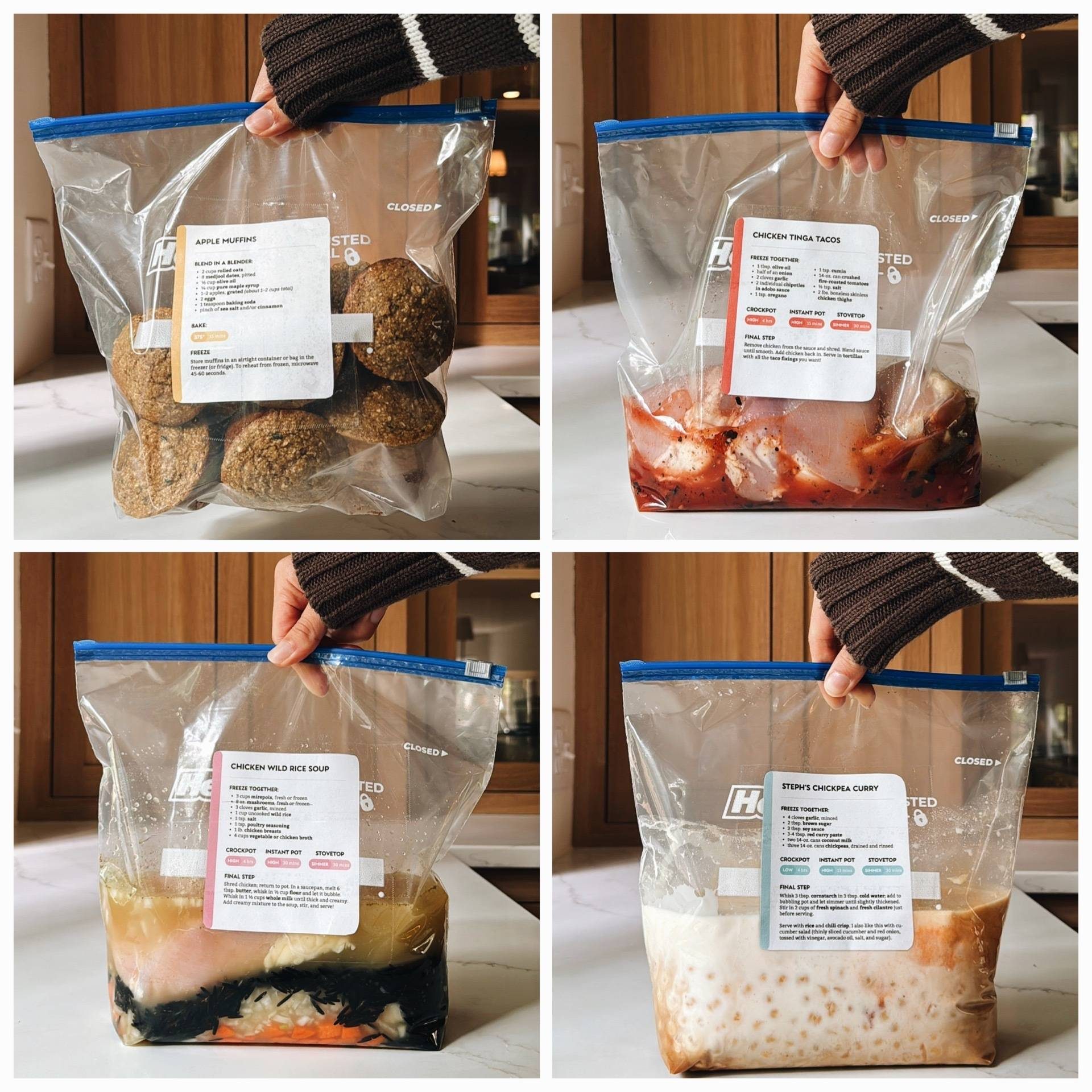
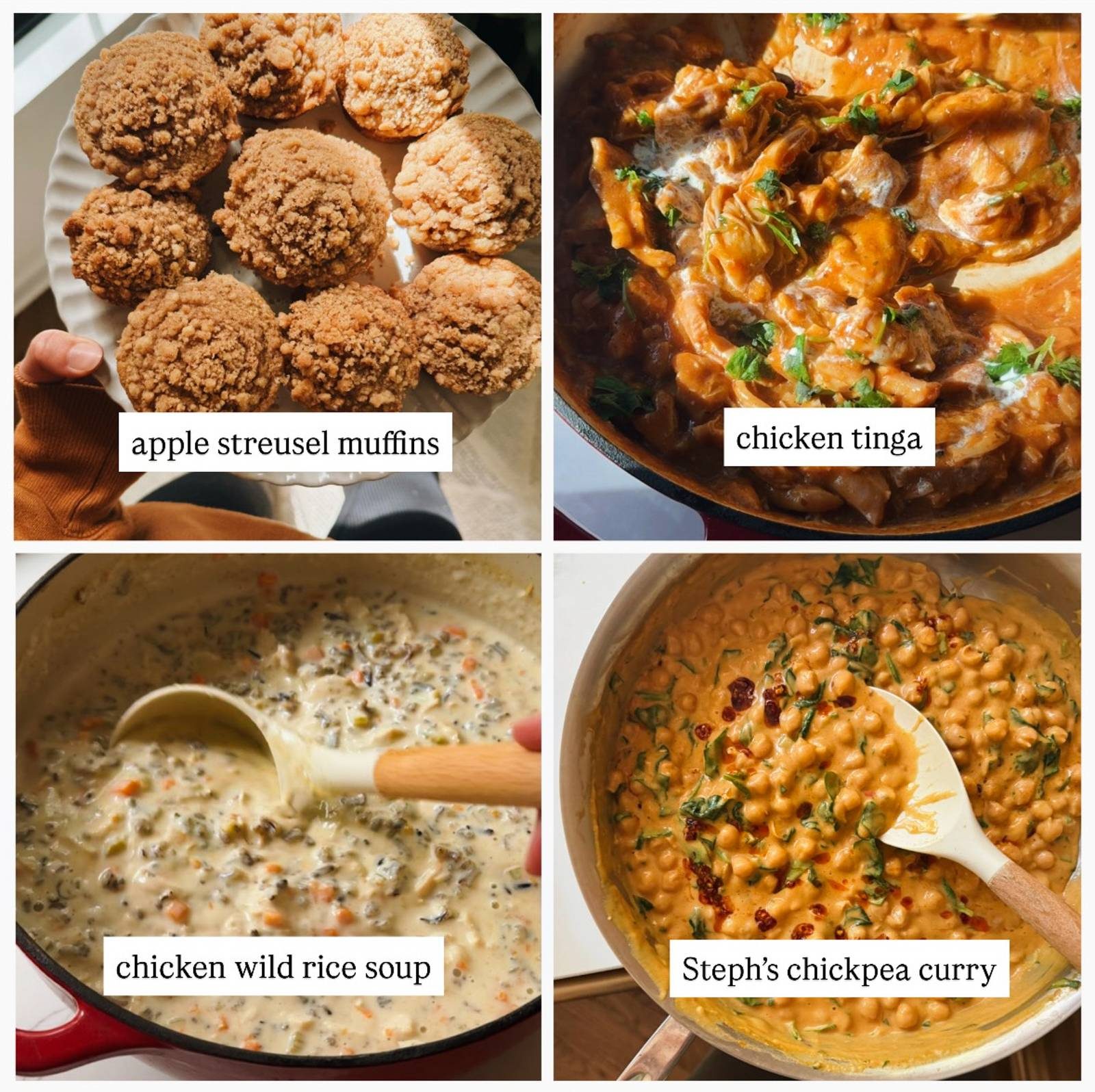
This month’s recommended batch-cooking rotation highlights four distinct profiles that cater to various dietary preferences and nutritional needs.
1. Apple Streusel Muffins
The inclusion of baked goods in a freezer-ready format addresses the need for portable, calorie-dense breakfast options. By utilizing a blender-based batter and a standard streusel crumble, the preparation time is kept to a minimum. Once baked, these items can be stored in airtight containers for up to a month. Reheating protocols suggest a 45-to-60-second interval in a microwave, restoring the texture of the product to near-fresh quality.
2. Chicken Tinga Tacos
This recipe emphasizes protein-rich, flavor-forward components. The "freeze together" method involves vacuum-sealing or bagging the chicken with the signature chipotle-based sauce. Because the cooking process occurs at the end of the timeline, the chicken absorbs the aromatic elements of the sauce as it reaches its final temperature, resulting in a more integrated flavor profile compared to stovetop-only preparation.

3. Chicken Wild Rice Soup
As temperatures decline, demand for soup-based meals increases. The logistics of this specific recipe require the addition of a liquid base (broth) at the time of cooking. By separating the broth from the bulk ingredients during the freezing phase, the structural integrity of the vegetables and grains is preserved, preventing the "mush" factor often associated with freezing pre-cooked soups.
4. Chickpea Curry
Plant-based options have become a cornerstone of the modern freezer meal rotation. The Chickpea Curry relies on a stable base of legumes and aromatics. The final step—incorporating fresh spinach and cilantro—is a critical component of the recipe’s success, ensuring that the greens retain their nutritional value and color rather than wilting during the prolonged freezing process.
Economic and Logistical Data
According to a 2023 report on consumer food spending, the average American family spends approximately 10 to 15 percent of their monthly budget on food. Participants in organized meal-prepping programs report a reduction in grocery expenditures by roughly 20 percent. This is largely attributed to the reduction of impulse purchases and the utilization of seasonal produce, which is typically priced lower at peak availability.
The chronology of a successful meal-prep session usually follows a strict three-phase timeline:
- Phase I: Procurement and Inventory. This involves auditing the current freezer space and conducting a targeted shopping trip based on a pre-written grocery list.
- Phase II: Preparation and Assembly. The active labor phase, typically lasting between 60 and 90 minutes. This includes washing, chopping, and portioning ingredients.
- Phase III: Preservation. The labeling and rapid freezing of bags to ensure safety and prevent freezer burn.
Implications for Modern Households
The shift toward organized, freezer-based meal management represents a broader trend in domestic life: the professionalization of the home kitchen. By treating meal preparation as a "project" rather than a daily chore, families are reclaiming time previously lost to daily cooking and cleaning cycles.
Furthermore, the environmental implications of this shift are notable. By optimizing ingredient usage and reducing the need for individual, pre-packaged convenience items, households can significantly decrease their single-use plastic consumption and food waste metrics. Experts in the field of sustainable living advocate for the use of reusable silicone bags as an alternative to single-use plastics, further enhancing the environmental benefit of the freezer-meal model.
Expert Analysis and Future Outlook
Sociologists observing these trends suggest that the "life hack" culture surrounding meal prepping is a byproduct of increased professional demands on individuals. As the boundary between work and home life becomes increasingly porous, the ability to outsource the "thinking" portion of dinner prep—by relying on established recipes and systems—becomes a highly valued commodity.
Looking forward, it is anticipated that the technology supporting these systems will continue to evolve. Integration with smart-home devices that track inventory and suggest recipes based on available freezer contents is the next logical step. For now, the reliance on printed, reusable labels and standardized recipes remains the most effective method for families seeking to regain control over their dinner schedule.
In conclusion, the adoption of an October-focused freezer meal plan offers a tangible solution to the perennial problem of time management. By leveraging the principles of logistics, cost-benefit analysis, and culinary planning, households can maintain a high standard of nutrition without the requirement of daily intensive labor. Whether utilized for the ease of a quick weeknight dinner or the long-term benefit of budget management, the freezer meal system continues to be a vital tool in the modern domestic repertoire. As winter approaches, the ability to rely on a pre-stocked, nutritionally balanced inventory of meals provides a layer of stability that is both practical and essential for the contemporary family.