As the meteorological transition from summer to autumn settles across the Northern Hemisphere, the retail and fashion sectors are finalizing their seasonal inventory shifts. The 2026 fall fashion landscape is currently defined by a pivot toward architectural silhouettes, tactile textile layering, and a resurgence of specific mid-century and late-20th-century aesthetic motifs. Industry analysts suggest that consumer behavior this year is shifting away from the hyper-fast cycles of previous seasons, focusing instead on "investment dressing" and the creative repurposing of existing wardrobes. This report outlines seven primary trends currently influencing global supply chains and consumer purchasing patterns for the final quarter of 2026.
The Evolution of Structural Necklines and Knitwear
The prominence of the funnel neck—a high, slightly structured collar that provides both aesthetic distinction and thermal utility—has solidified as a staple for the 2026 autumn season. Having gained traction in early spring 2026, the trend has successfully transitioned into heavier, cold-weather knitwear. According to retail data, demand for high-collar sweaters and jackets has increased by 14% compared to the previous year. Designers have moved beyond the traditional turtleneck, opting for wider, more sculptural funnel necklines that frame the face while maintaining a minimalist profile. This shift is widely attributed to a broader industry preference for "quiet luxury," where functional design elements take precedence over overt branding.
Animal Prints as a Neutral Staple
Animal prints, particularly leopard and cheetah motifs, have experienced a significant rebranding in recent collections. Traditionally categorized under "high-impact" or "statement" fashion, current market trends indicate a move toward integrating these patterns as foundational neutrals. Industry stylists observe that consumers are increasingly pairing these patterns with subdued, monochromatic staples. The psychological shift in consumer perception—moving away from the "dangerous" connotations of the 1980s and 90s toward a more casual, everyday application—has broadened the commercial appeal of animal print beyond high-fashion circles. Current sales trajectories suggest that accessories, such as scarves and footwear, are seeing the highest velocity in this category, acting as an entry point for consumers hesitant to commit to full-garment prints.
The Resurgence of Intricate Lace and Texture
Textural contrast is a defining characteristic of fall 2026. Lace, a material historically associated with formal evening wear, is being recontextualized for daily use. Designers are currently layering delicate lace blouses beneath heavier blazers and structural coats. This technique serves to mitigate the rigidity of office-wear silhouettes, introducing a layer of fluidity and craftsmanship. Market research indicates that demand for intricate lace work has spiked among the demographic segments that prioritize high-quality, sustainable materials, signaling a preference for garments that offer multi-seasonal utility.
Autumnal Color Palettes and Striped Motifs
The 2026 color palette is heavily influenced by deep, earth-toned pigments, with a specific emphasis on oxblood, terracotta, navy, and dark forest green. Striped knitwear featuring these colorways has become a dominant retail trend. Unlike the nautical-inspired stripes of past summers, these autumn-specific variations utilize heavier yarn weights and wider color blocks. The emphasis is on the "Sunday-slub" aesthetic—textiles that appear worn-in and comfortable, aligning with a post-pandemic shift toward leisure-focused professional attire. Data from major retail platforms shows that striped long-sleeve tees are among the highest-performing inventory items for the mid-range apparel sector.
The Institutionalization of Red as a Neutral
Perhaps the most notable shift in color theory this year is the categorization of vibrant red as a neutral. Harper’s Bazaar and other leading style publications have noted that red is now being utilized as a foundational tone rather than an accent. This development is supported by the widespread availability of red accessories, from beanies and hosiery to high-end footwear. The saturation of red in the market is considered a response to the "sea of black" that historically defines winter coats and outerwear. By incorporating red into everyday items, consumers are able to participate in seasonal trends without requiring a complete overhaul of their existing neutral-heavy wardrobes.
Dark-Wash Denim and the Decline of Barrel Fits
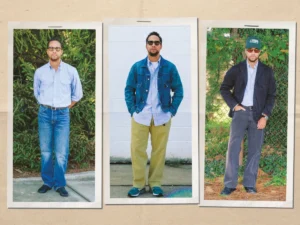
In the denim sector, the focus has shifted toward dark-wash, structured silhouettes. High-rise, indigo, and deep-ink denim are currently outpacing lighter, distressed alternatives. These items are being marketed for their versatility, effectively bridging the gap between casual bookstore attire and corporate office settings.
Conversely, consumer sentiment regarding "barrel pants"—a trend that dominated the early part of the year—has shown signs of volatility. While the silhouette remains present in high-fashion circles, anecdotal evidence from retail feedback channels suggests a growing consumer fatigue. Many shoppers are expressing a desire for more traditional, straight-leg, or flared styles, indicating that the experimental volumes of 2025 and early 2026 may be reaching a market saturation point.
Accessory Trends: The Rise of the Pencil Bag
The handbag market is seeing a move toward smaller, more distinct shapes. The "pencil bag"—a cylindrical or elongated barrel-shaped accessory—is emerging as the accessory of choice for the latter half of the year. The aesthetic is described as "academic" or "literary," appealing to a consumer base that favors intellectualized design choices over large, logo-heavy totes. The functional appeal of these bags, which often resemble school supplies or vintage cases, aligns with the current trend of "quiet nostalgia" permeating the fashion industry.
Broader Economic and Industry Implications
The current state of the fashion industry reflects a broader economic trend toward conscious consumerism. With rising inflation and an increased focus on the environmental impact of textile waste, consumers are displaying a marked preference for pieces that can be styled in multiple ways. The "two-trends-in-one" approach—such as a lace-trimmed dress or a striped sweater with a funnel neck—represents a strategic move by retailers to provide value to the consumer.
Furthermore, the influence of social media in democratizing style has accelerated the adoption of these trends. However, industry experts warn that the rapid cycle of these trends—where a look can become "dated" within months—contributes to the issue of textile waste. As a result, many brands are beginning to emphasize the "wear-it-again" mentality, encouraging customers to pair new seasonal items with vintage or previously owned staples.
Looking ahead, the retail sector is expected to continue focusing on modular designs that offer longevity. The shift toward dark denim, neutral animal prints, and classic silhouettes suggests that while 2026 is a year of stylistic experimentation, the long-term objective for the industry remains the creation of a functional, timeless, and adaptable wardrobe. Whether these trends will hold their value into the spring of 2027 remains to be seen, but for the current quarter, they remain the dominant forces shaping the global apparel market.