The culinary versatility of the black olive has long made it a staple in domestic and commercial kitchens alike. Prized for their deep, briny earthiness, black olives offer a milder, fruitier flavor profile than their sharp, sometimes bitter green counterparts. Whether tossed into fresh salads, blended into savory dips, incorporated into artisanal bread recipes such as garden-art vegetable focaccia, or baked onto a crusty homemade margherita pizza, these cured stone fruits provide a reliable umami punch. However, navigating the supermarket aisle to select a superior canned or jarred product can be a challenge given the vast array of options available.
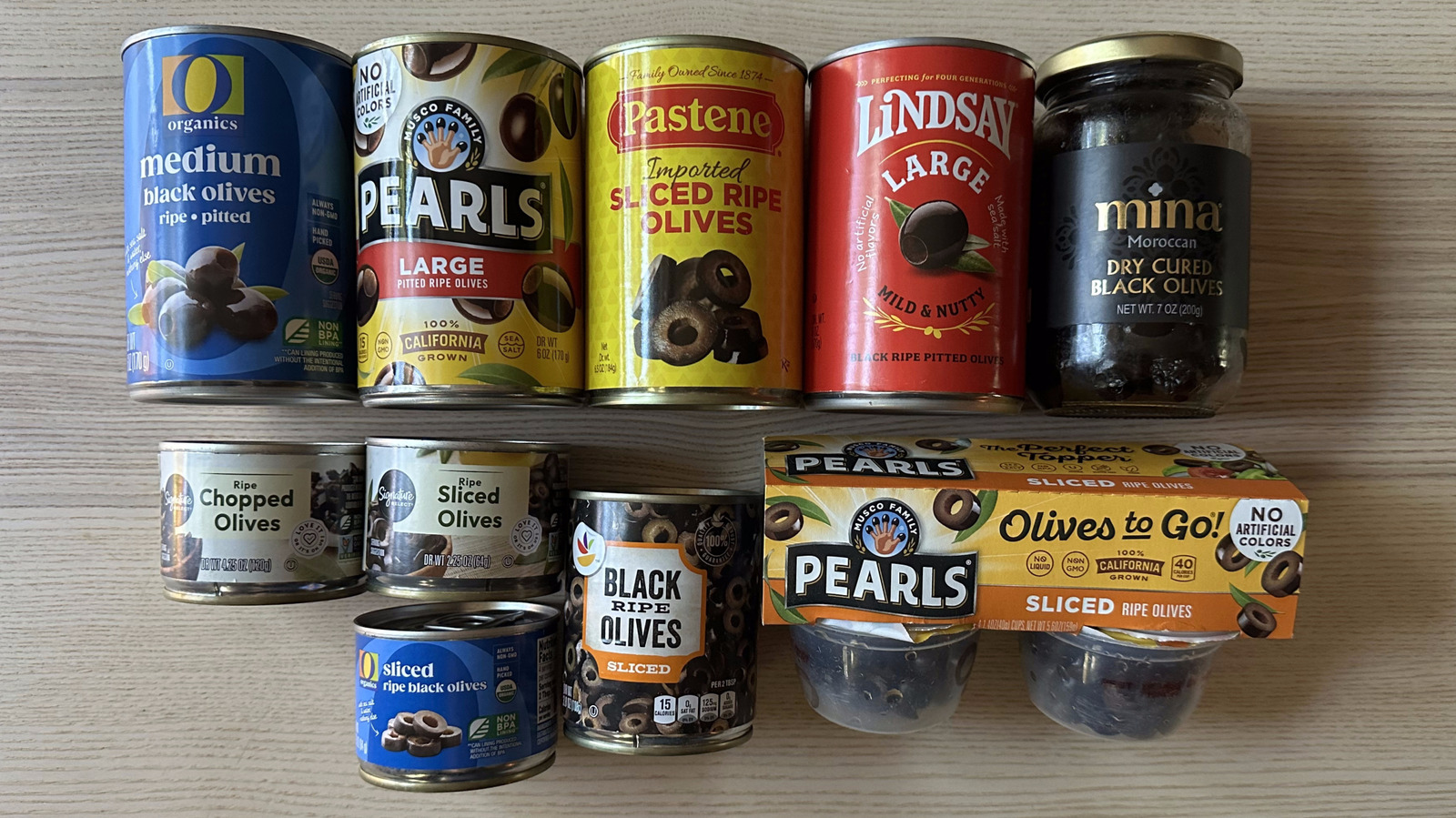
To determine which commercially available black olive brands truly stand out, a comprehensive comparative taste test was recently conducted by food journalists using standardized evaluation metrics. By examining products sourced from major regional supermarket chains, reviewers established a definitive hierarchy, evaluating seven prominent black olive brands from worst to best.
Evaluation Criteria: Flavor and Texture
The benchmark for assessing the seven contenders centered primarily on two sensory indicators: overall flavor complexity and structural integrity. In terms of taste, reviewers prioritized bold, well-rounded flavor profiles that delivered appropriate salinity and depth. Conversely, varieties exhibiting unpleasant traits—such as bitter, soapy, chemical, or metallic aftertastes—were penalized and relegated to the lower tiers of the ranking.
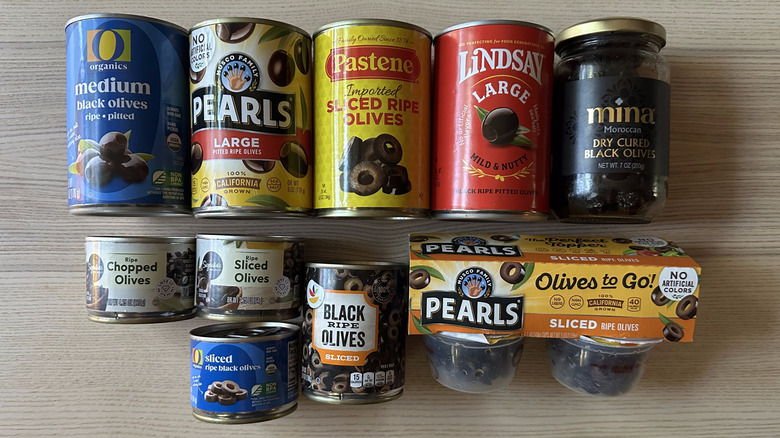
Texture served as the secondary evaluation pillar. Premium black olives are expected to possess a firm, meaty bite that holds up well during cooking or slicing. Weaker formulations that yielded a rubbery, jelly-like, or overly mushy consistency upon chewing fell short of culinary expectations. Pricing, regional availability, and packaging formats—ranging from traditional steel cans to modern, portable snack cups—were also documented to provide consumers with a holistic purchasing guide.
The Bottom Tier: O Organics and Lindsay
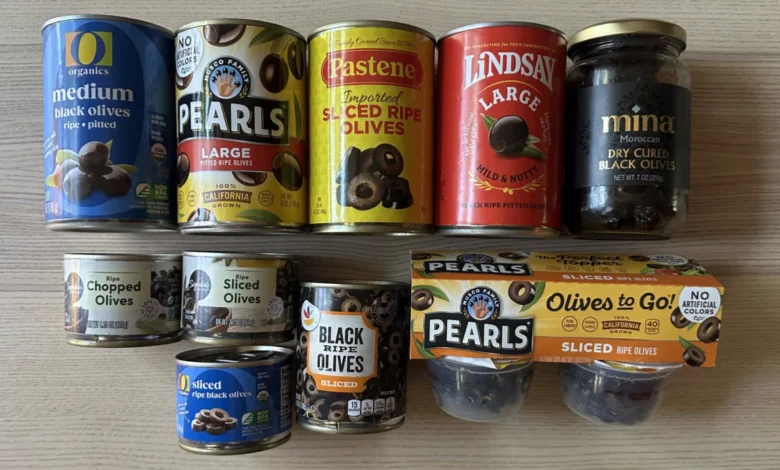
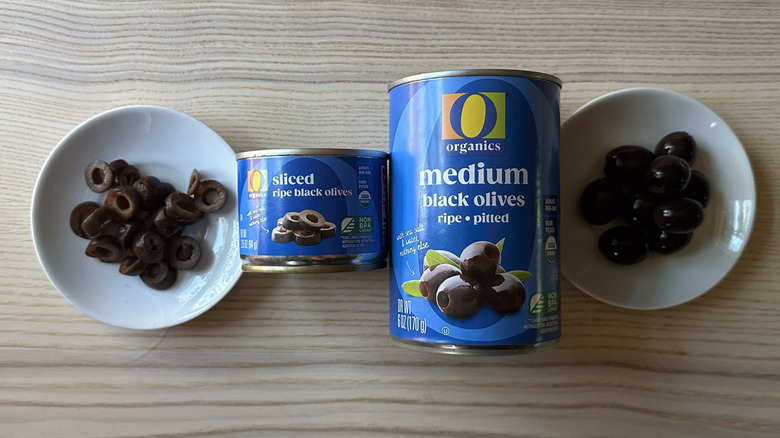
Claiming the seventh and final position in the evaluation is O Organics, a brand widely available across major natural and conventional grocery outlets. Tested via its Medium Whole Black Olives (priced at $2.99 for a 6-ounce container) and Sliced Ripe Black Olives ($1.99 for 2.25 ounces), the brand disappointed on multiple fronts. Reviewers noted an unexpected and intense bitterness accompanied by a soapy flavor profile. Compounding the issue was a lack of adequate salinity, failing to mask the unpleasant notes. Texturally, both the whole and sliced variants exhibited a rubbery consistency that quickly deteriorated into mush during mastication, making it a difficult product to recommend for home cooks.
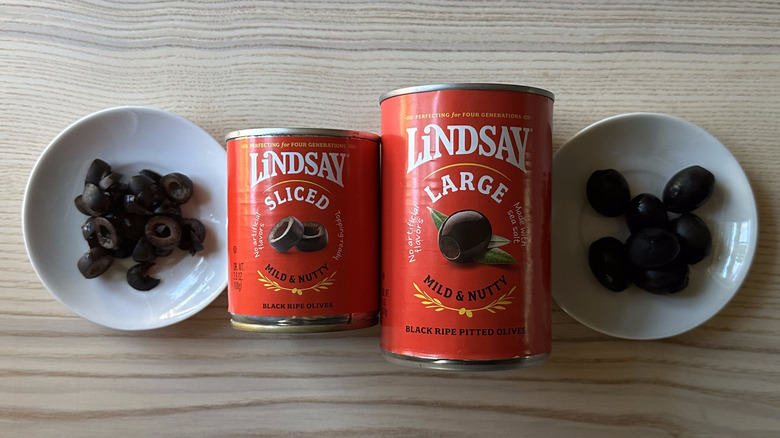
Ranking sixth is Lindsay, one of the most recognizable legacy names in the domestic olive market. Tested using its Sliced California variety ($2.49) and Large Pitted Olives ($2.99), Lindsay represented a noticeable improvement in flavor over O Organics. While generally bland, the olives avoided overt bitterness, though a faint chemical-like off-flavor was detected in the sliced iteration. Nevertheless, Lindsay faltered texturally, delivering a soft, rubbery mouthfeel devoid of the meatiness expected from high-grade fruit. While casual consumers might find the product adequate if purchased in isolation, discerning palates will likely look elsewhere.
Mid-Tier Contenders: Signature Select, Musco Family Pearls, and Stop & Shop
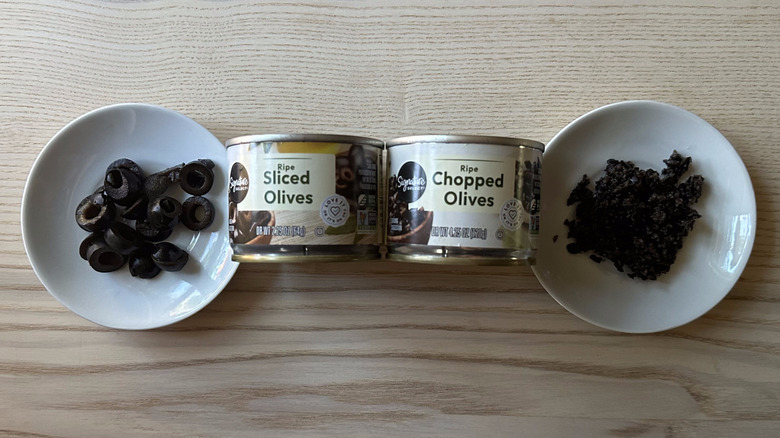
Occupying the fifth spot is Signature Select, a prominent store brand offering accessible price points. Evaluated through its Sliced Ripe Olives and Chopped Black Olives (both priced at $1.99), the brand presented a stark dichotomy between its product formats. The sliced olives performed admirably, offering a balanced saltiness and a bold flavor profile well-suited for everyday culinary applications. However, the pre-chopped alternative introduced a distracting metallic flavor that compromised its usability in delicate preparations like tapenades. The inconsistency makes the sliced option a safer bet for consumers.
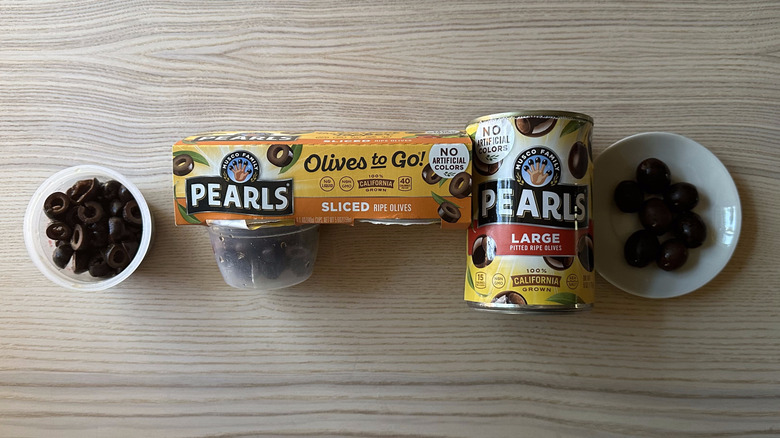
Musco Family Pearls secured the fourth position, distinguishing itself through product innovation by offering both traditional canned goods and portable "To Go!" snack packs (priced at $4.99 for a four-pack). Evaluated against its standard Large Pitted Ripe Olives ($2.79), the brand’s canned format proved superior. The whole pitted olives delivered an intense, complex salinity and a substantial, meaty bite, despite a slightly jelly-like interior. Conversely, the sliced snack-cup variant suffered from moisture loss ("sweating"), resulting in a softer, mushier texture and an over-reliance on plastic packaging.
Stop & Shop’s private-label Sliced Ripe Black Olives claimed the third spot, retailing at $2.19 per can. Though marginally more expensive than competing store brands, the premium is justified by superior structural performance. These sliced olives maintain a firmer bite than most competitors, rendering them ideal for structural applications where texture matters, such as pizza toppings. Supported by a dependable umami quality and solid salinity, this private-label option proves to be a cost-effective, high-utility choice for general kitchen use.
The Frontrunners: Pastene and Mina
Taking the runner-up position at number two is Pastene with its Imported Sliced Ripe Olives, retailing for $3.29. Typically located in the international or specialty aisles rather than the standard baking aisle, these imported olives justified the extra effort required to locate them. Pre-sliced olives notoriously suffer from structural breakdown, yet Pastene successfully delivered a remarkably firm, resilient texture. Flavor-wise, the olives offered a bright, refreshing profile that developed sophisticated umami complexity within a few bites, establishing a gold standard for canned sliced olives.
Claiming the top spot as the best black olive brand on the market is Mina, specifically its Moroccan Dry Cured Black Olives, priced at $4.29. Departing entirely from the traditional canned brine format, Mina employs a dry-curing process that yields a characteristic wrinkly appearance and an exceptionally rich, fatty texture. The flavor profile is deeply concentrated, offering robust earthy and nutty notes rather than one-dimensional saltiness. Because these olives are sold unpitted, they are best enjoyed whole as a deliberate appetizer or snack, rather than hurriedly tossed into a recipe. For consumers seeking to elevate their culinary repertoire with an artisanal, high-impact olive, Mina represents the premier choice.
Broader Market Implications
The findings of this comparative review underscore a broader trend within the packaged foods sector: private-label store brands are increasingly rivaling—and occasionally surpassing—legacy national brands in quality and consistency. While heritage names like Lindsay continue to dominate shelf space through widespread distribution, agile competitors and specialty importers are capturing consumer loyalty by prioritizing structural integrity and complex flavor profiles.
As consumer interest in Mediterranean diets and umami-rich ingredients continues to expand, manufacturers face mounting pressure to refine their curing and packaging techniques. The divide between mass-produced, rubbery canned olives and artisanal, dry-cured alternatives highlights a maturing consumer base willing to pay a modest premium for superior texture and authentic regional flavor.