XCMG Unveils the SDA411: A Fully Electric, Cab-Less L4 Autonomous Terminal Truck Set to Redefine Global Logistics

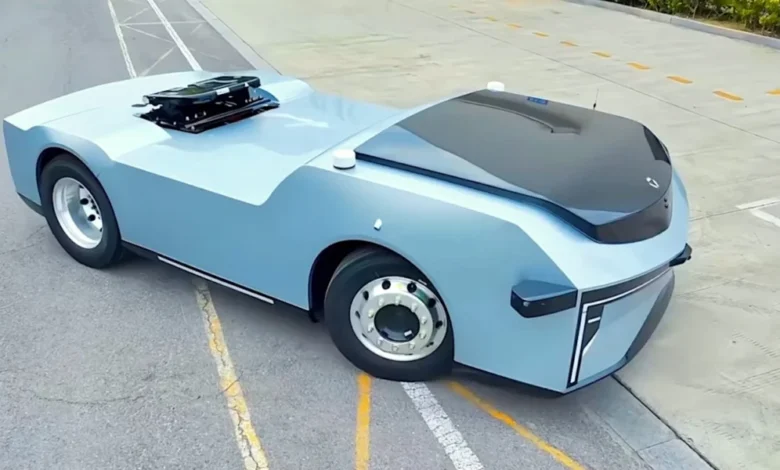
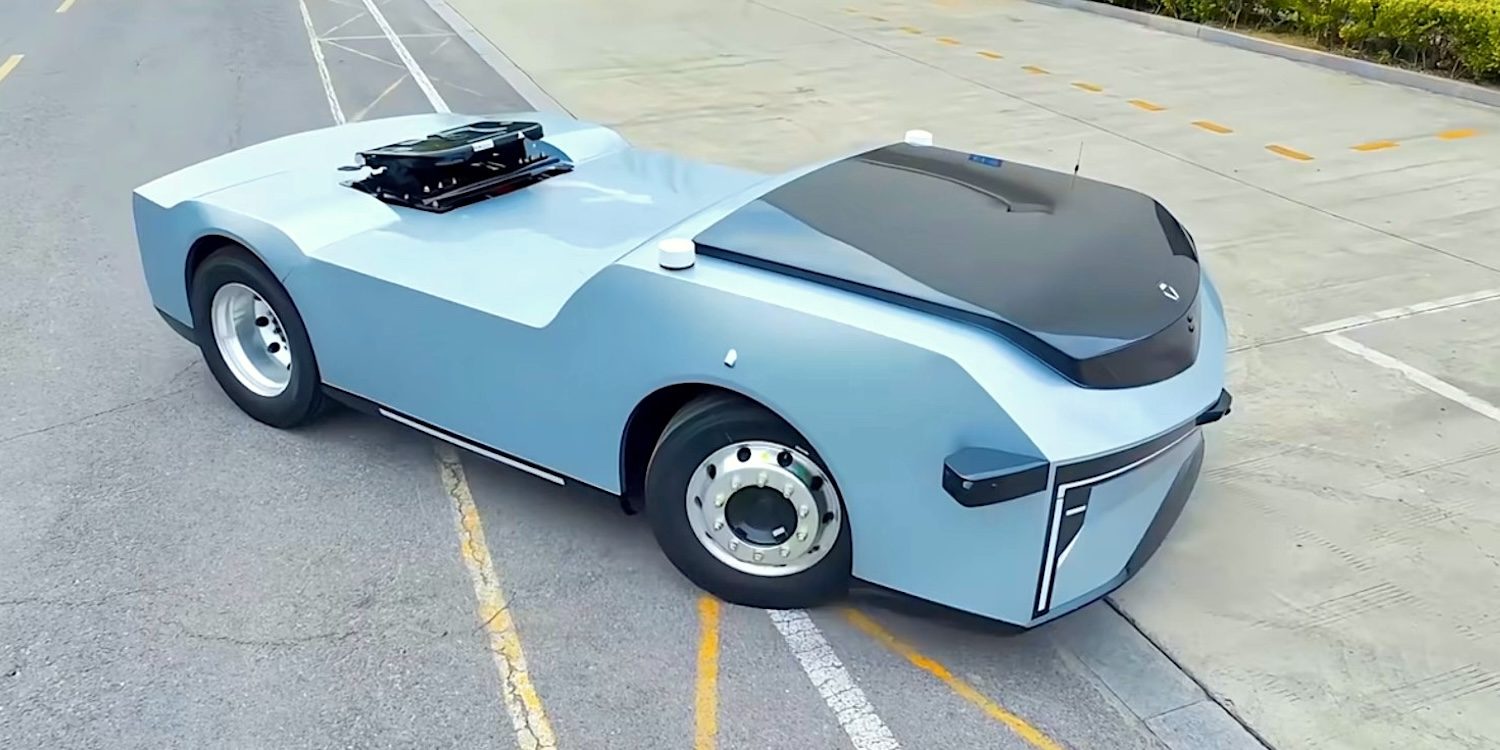
The global logistics and drayage sector is undergoing a profound structural transformation, driven by the dual pressures of severe labor shortages and an urgent mandate to decarbonize heavy industry. At the forefront of this evolution is heavy machinery manufacturer XCMG, which has officially introduced its latest innovation: the SDA411 concept terminal truck. Operating entirely without a driver’s cabin and powered by a state-of-the-art Level 4 (L4) autonomous driving stack, this zero-emission vehicle represents a radical departure from traditional yard truck design. As ports, distribution centers, and freight hubs search for ways to maximize throughput while minimizing operational overhead, the SDA411 offers a glimpse into a fully automated future where human intervention in repetitive logistics tasks is virtually eliminated.
Anatomy of an Autonomous Yard Workhorse
Terminal trucks—frequently referred to in the industry as yard dogs, shunters, or spotters—perform some of the most grueling yet mechanically straightforward tasks in the supply chain. These heavy-duty vehicles spend their operational lifespans moving shipping containers and semi-trailers across confined spaces such as container terminals, rail yards, and massive distribution warehouses. Because these environments involve continuous stop-and-start driving, low speeds, short transit distances, and exceptionally high torque demands, they have long been identified as prime candidates for vehicle electrification.
The XCMG SDA411 capitalizes on these exact operational characteristics by combining an all-electric powertrain with an advanced autonomy suite. Without the need to accommodate a human operator, engineers were able to completely reimagine the vehicle’s architecture. The traditional chassis layout, which typically features an elevated cab with rear-access stairs, has been replaced by a low-profile, streamlined platform designed purely for maximum aerodynamic efficiency and structural utility.
At the core of the vehicle’s intelligence is its L4 autonomous system, which allows the truck to independently navigate complex industrial settings without human presence inside a vehicle. According to technical disclosures provided by XCMG, the SDA411 is equipped with a comprehensive 360-degree perception system. This sensor suite amalgamates data from high-resolution LiDAR, radar, optical cameras, and ultrasonic sensors to create a real-time digital twin of the vehicle’s immediate surroundings. This robust sensory apparatus empowers the terminal truck to execute intricate maneuvers, including autonomous pathfinding, dynamic obstacle avoidance, precision task execution, and automated bay parking. The system is engineered to function reliably in demanding, high-density environments characterized by mixed traffic involving human workers, traditional manually driven trucks, and automated guided vehicles (AGVs).
The Evolution of Yard Logistics and Industry Pressures
The debut of the SDA411 does not occur in a vacuum; it arrives against the backdrop of an unprecedented workforce crisis within the global transportation and logistics sectors. For years, fleet operators have grappled with an aging demographic of professional drivers, coupled with a notable reluctance among younger generations to enter the trucking profession. Despite steady upward pressure on wages—with long-haul and regional driving positions frequently offering lucrative compensation packages—recruitment and retention metrics continue to underperform relative to industrial demand.
This talent deficit is particularly acute in yard operations. Terminal trucking is often perceived as monotonous, involving repetitive shifts spent shuttling trailers back and forth across asphalt lots under tight scheduling constraints. Consequently, distribution facilities and port authorities worldwide are increasingly turning to automation to maintain operational continuity.
Industry analysts note that autonomous yard trucks offer a compelling value proposition. Unlike human drivers, automated systems do not suffer from fatigue, distraction, or mandatory hours-of-service limitations, allowing facilities to operate assets continuously around the clock. By removing the cabin entirely, manufacturers like XCMG also eliminate the costs and ergonomic constraints associated with climate control, seating, and human safety systems, thereby reducing both capital expenditures and ongoing maintenance liabilities.
Demonstration, Charging Infrastructure, and Operational Workflow
In initial video demonstrations released by XCMG via professional networking platforms, the SDA411 was showcased executing routine logistics tasks within the company’s corporate and manufacturing campus. The footage highlighted the vehicle’s navigation capabilities, including responsive emergency braking maneuvers when encountering simulated obstacles, smooth path correction in mixed-traffic scenarios, and precise alignment with loading docks.
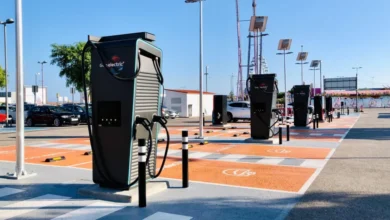
One notable detail observed during the operational trials involved the vehicle’s energy replenishment cycle. Upon reaching a designated low-state-of-charge threshold, the SDA411 autonomously navigated to a stationary charging station. However, rather than utilizing a fully automated robotic connection arm, the vehicle relied on a human attendant to manually plug in the high-voltage charging cable.
This transitional workflow underscores the current state of industrial automation, where vehicle navigation has achieved high levels of autonomy, while peripheral infrastructure—such as automated plug-in charging or high-power inductive pads—remains in earlier stages of commercial deployment. Competitors in the heavy electric vehicle space are actively exploring advanced robotic charging solutions, such as automated mechanical arms and overhead gantry systems, to ensure that vehicles can complete their entire operational lifecycles without requiring manual physical assistance.

Market Context and Competitive Landscape
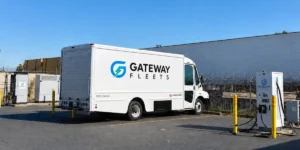
The introduction of the SDA411 places XCMG in direct competition with a growing roster of established logistics technology firms and specialized electric vehicle manufacturers. Companies such as Orange EV, which has secured major fleet deployments with logistics giants like DHL, have demonstrated strong market appetite for electric yard trucks. Meanwhile, firms integrating advanced self-driving software—such as Outrider’s autonomous technology applied to Orange EV platforms, alongside established industrial heavyweights like Kalmar with their Ottawa electric terminal tractor line—are aggressively validating autonomous yard operations in North American and European markets.
However, the vast majority of existing autonomous yard trucks on the market are retrofitted platforms—traditional diesel or electric trucks that have been modified with aftermarket LiDAR arrays, drive-by-wire actuators, and autonomous software kits. These legacy-based autonomous vehicles retain their driver cabs to accommodate safety operators during testing phases or to permit manual driving when regulatory frameworks or complex edge cases require human intervention.
By contrast, the XCMG SDA411’s cab-less architecture represents a pure-play approach to unmanned logistics. By designing the vehicle from the ground up without provisions for a driver, XCMG is signaling its bet that industrial sites will rapidly transition to fully segregated or universally automated zones where human-occupied cabins are entirely unnecessary.
Socio-Economic Implications and the Future of Labor
The proliferation of fully autonomous industrial equipment inevitably invites scrutiny regarding the future of labor. While automation proponents point to chronic driver shortages as the primary justification for deploying systems like the SDA411, labor advocates raise valid concerns regarding workforce displacement and the long-term viability of traditional driving careers.
Industry experts suggest that the transition toward L4 autonomous yard trucks will likely catalyze a shift in human labor roles rather than an outright elimination of personnel. As routine driving tasks are absorbed by automated systems, the demand for traditional terminal truck drivers may decline. Concurrently, however, new employment opportunities will emerge in areas such as remote fleet monitoring, infrastructure maintenance, system supervision, and logistics management.

Furthermore, proponents argue that technologies like the SDA411 can significantly enhance workplace safety. Drayage yards and distribution centers are high-risk environments characterized by heavy vehicle traffic, pedestrian movement, and heavy machinery operations. Removing human drivers from the immediate line of fire within these confined lots reduces the incidence of workplace injuries and fatal accidents associated with fatigue or obstructed visibility.
Conclusion and Outlook
The unveiling of the XCMG SDA411 marks a significant milestone in the convergence of vehicle electrification and industrial autonomy. By eliminating the driver’s cabin and integrating a comprehensive L4 perception suite, XCMG has demonstrated how specialized logistics equipment can be optimized for a future defined by efficiency, sustainability, and unmanned operations.
While widespread commercial adoption of cab-less autonomous trucks will depend heavily on regulatory approvals, site infrastructure upgrades, and the ongoing evolution of safety standards, the conceptual foundation has been firmly established. As companies like XCMG, Kalmar, and Orange EV continue to push the boundaries of yard automation, the modern distribution center is poised to become one of the most technologically advanced environments in the global supply chain. Market observers and logistics operators will closely monitor pilot programs and early commercial deployments of the SDA411 to determine whether cab-less autonomy proves to be the definitive standard for the next generation of terminal logistics.