As the autumn season settles in, shifting temperatures and the return of busy academic and professional schedules have prompted a renewed interest in meal-planning strategies that emphasize efficiency without compromising nutritional value. The "freezer meal" trend, a method centered on pre-assembling raw or partially cooked ingredients for long-term storage, has seen a significant surge in popularity among households seeking to mitigate the daily time commitment of home cooking. By front-loading the labor of grocery shopping and ingredient preparation, practitioners of this method report a marked reduction in decision fatigue and a decrease in reliance on processed, ready-to-eat convenience foods.
The Evolution of Meal Prep Strategies
The concept of batch-cooking is not new; however, the modern iteration—often referred to as "dump-and-go" prep—has evolved to cater to the widespread adoption of multi-functional kitchen appliances such as slow cookers and pressure cookers. According to industry analysis of culinary trends, the primary driver for this shift is the need for predictable, high-quality nutrition during high-stress periods, such as the transition into the fourth quarter of the year.
The methodology involves dedicating a single block of time—often no more than 60 to 90 minutes—to portioning proteins, chopping vegetables, and combining sauces within airtight freezer-safe bags. Once sealed and frozen, these components remain shelf-stable for several weeks, allowing for a rapid transition from freezer to cooking vessel. This approach serves as a logistical bridge between the desire for home-cooked meals and the constraints of a modern, time-sensitive lifestyle.
Chronology of the October Prep Cycle
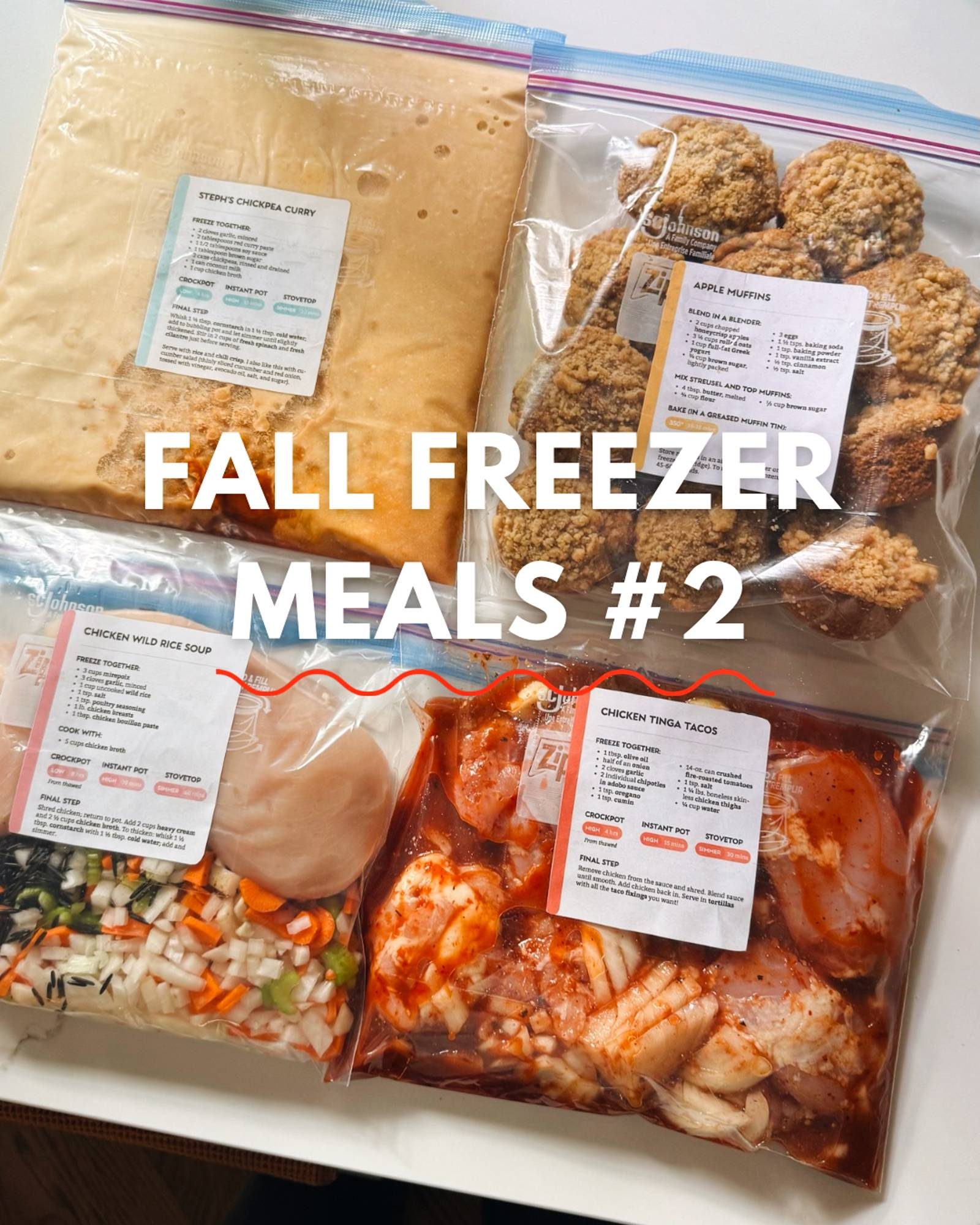
The implementation of a successful freezer meal rotation typically follows a structured, four-phase timeline. The first phase involves inventory assessment, where households identify the capacity of their freezer space and the specific nutritional requirements of the coming month. The second phase, occurring early in the month, is the procurement stage. Efficiency experts recommend consolidating grocery lists into a single trip to reduce overhead and ensure all components—from bulk proteins to shelf-stable aromatics—are available simultaneously.
The third phase is the assembly stage. This is the most critical period, as it requires the organized distribution of ingredients into storage containers. For the October cycle, focus is placed on seasonal ingredients such as orchard fruits, hearty legumes, and root vegetables. Finally, the fourth phase is the execution phase, where meals are retrieved from the freezer on an as-needed basis. By utilizing versatile cooking methods—specifically the Instant Pot for speed or the slow cooker for convenience—the actual "cooking" time is reduced to the effort required to thaw or transition the contents into the heating element.
Nutritional and Financial Implications
Data regarding household food waste suggests that spontaneous meal planning is a leading cause of grocery spoilage. By transitioning to a structured, freezer-based system, families are better able to utilize bulk-purchased ingredients, which generally carry a lower price point per unit than pre-packaged, single-serving meals.
Furthermore, the integration of nutrient-dense options, such as chickpea-based curries or chicken-based soups with complex grains, provides a more stable glycemic response compared to the high-sodium profiles often found in store-bought frozen dinners. Analysts in the culinary and health sectors observe that this shift in behavior not only yields financial savings but also fosters better long-term dietary habits by ensuring that a balanced meal is always the path of least resistance when hunger strikes.

Recipe Standardization and Preparation Standards
The current curriculum of October-focused freezer meals features a diverse array of proteins and plant-based alternatives. Standardized preparation protocols ensure that flavor profiles remain intact through the freezing process.
Apple Streusel Muffins
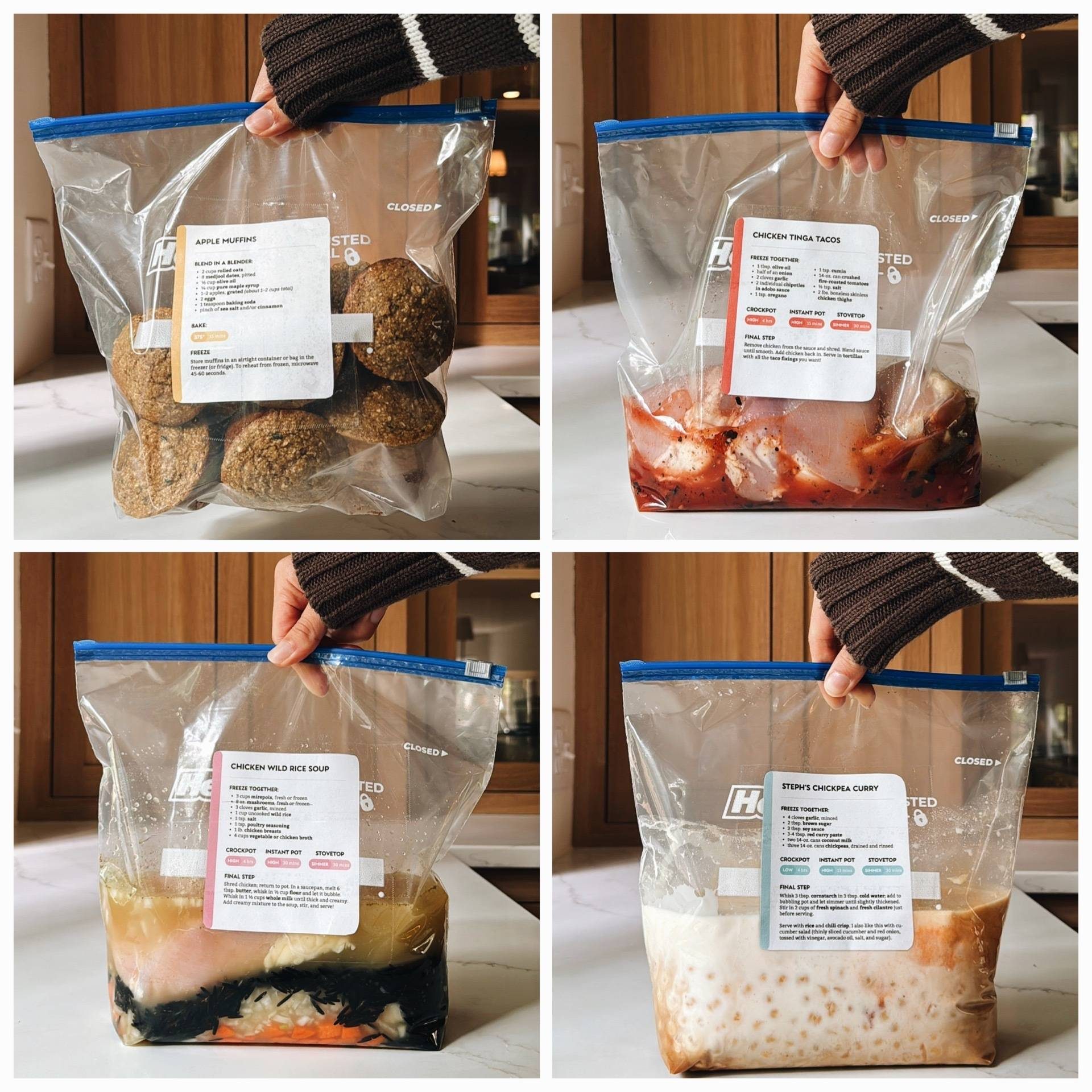
Designed for breakfast or portable snacks, the Apple Streusel Muffin recipe highlights the preservation of texture. By utilizing a blender-based batter and a crumb-style topping made from butter, brown sugar, and flour, the muffins maintain structural integrity when reheated. Culinary experts note that freezing baked goods at their peak freshness—immediately after cooling—locks in moisture, preventing the staling process that occurs at room temperature.
Chicken Tinga Tacos and Chicken Wild Rice Soup
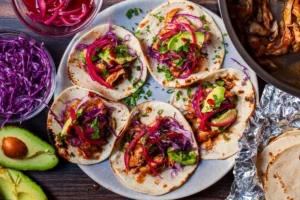
These two staples represent the core of the savory menu. Chicken Tinga, a dish rooted in Mexican tradition, relies on the synergy of acidity and spice, which actually intensifies during the freezing process as the aromatics penetrate the protein fibers. Similarly, the Chicken Wild Rice Soup is a high-volume option that utilizes the slow cooker to break down the fibrous nature of the grains and vegetables. The addition of thickening agents like cornstarch or dairy is recommended only during the final stage of cooking, ensuring that the emulsion remains stable and does not separate during the reheating phase.
Plant-Forward Alternatives: Chickpea Curry
As the demand for plant-based proteins grows, the inclusion of chickpea curry offers a fiber-rich alternative to meat-centric dishes. The preparation emphasizes the importance of tempering spices and using fresh aromatics like spinach and cilantro at the very end of the cooking process to preserve their color and nutritional content. This recipe demonstrates the versatility of the freezer-meal method, as the legumes hold their texture remarkably well during the pressure-cooking process.
Broader Impact and Consumer Responses
The broader societal impact of this meal-prep movement is a shift in the perceived value of kitchen labor. By treating the kitchen as a production center rather than a source of daily chores, proponents of this system report a significant decrease in the mental load associated with domestic management.
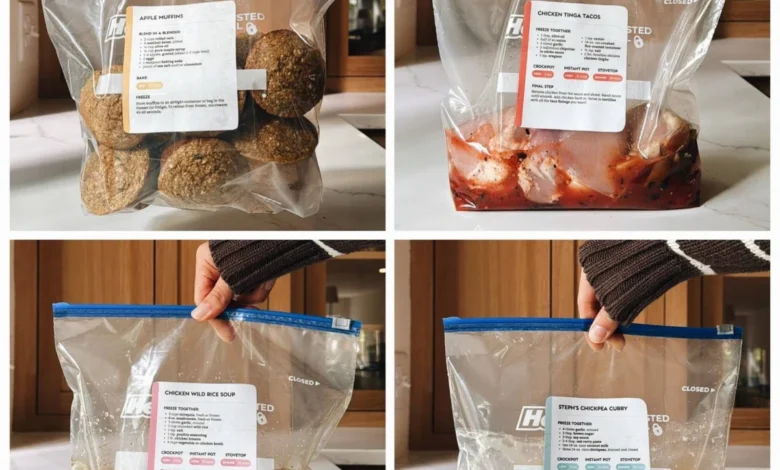
Feedback from home cooks indicates that the use of printed, laminated instruction cards attached to storage bags serves as a crucial "cognitive offloading" tool. By removing the need to reference digital devices or cookbooks during the final assembly, the process becomes streamlined and less prone to errors. This methodical approach to nutrition is increasingly seen as a vital component of household management, mirroring the efficiency-focused models seen in professional catering and commercial food service.
Future Outlook for Home Meal Logistics
As the culinary landscape continues to favor convenience, the integration of technology and logistics into the home kitchen will likely continue. Future developments may include the widespread adoption of vacuum-sealing technology, which further extends the lifespan of frozen ingredients and prevents freezer burn.
In conclusion, the practice of October freezer meal prep is a sophisticated response to the demands of modern living. By leveraging basic culinary science—such as understanding how various ingredients react to freezing and reheating—households can regain control over their dietary intake. Whether one is a busy professional, a parent, or simply someone looking to streamline their daily routine, the evidence suggests that a well-planned freezer, stocked with versatile, high-quality ingredients, is one of the most effective tools for maintaining a healthy and consistent lifestyle throughout the autumn season and beyond.