The arrival of the summer solstice marks the peak of the agricultural cycle in many regions, ushering in a surplus of seasonal produce that challenges both home cooks and professional chefs to manage inventory efficiently. From the rapid ripening of stone fruits like peaches and strawberries to the abundant yields of field corn, cucumbers, zucchini, and bell peppers, the late-summer harvest presents a distinct logistical opportunity. Managing this influx of fresh produce requires a strategic approach to food preparation, preservation, and consumption to minimize waste while maximizing nutritional intake.
The Dynamics of Seasonal Peak Production
Data from the United States Department of Agriculture (USDA) indicates that the summer months—specifically July and August—represent the highest volume of domestic fresh vegetable and fruit availability. During this period, the market experiences a significant "glut" of specific crops. For instance, sweet corn and tomato production reach their annual zenith, often leading to a drop in retail prices and a subsequent surge in household supply.
The challenge for the modern consumer is the perishability of these items. Unlike winter root vegetables, summer crops like berries and leafy greens have a limited shelf life, often deteriorating within 48 to 72 hours of harvest if not handled correctly. This volatility has led to a shift in domestic kitchen practices, where "fast-prep" and "batch-cooking" have become essential methodologies for processing harvests before they reach the point of spoilage.
Chronology of the Summer Harvest Cycle
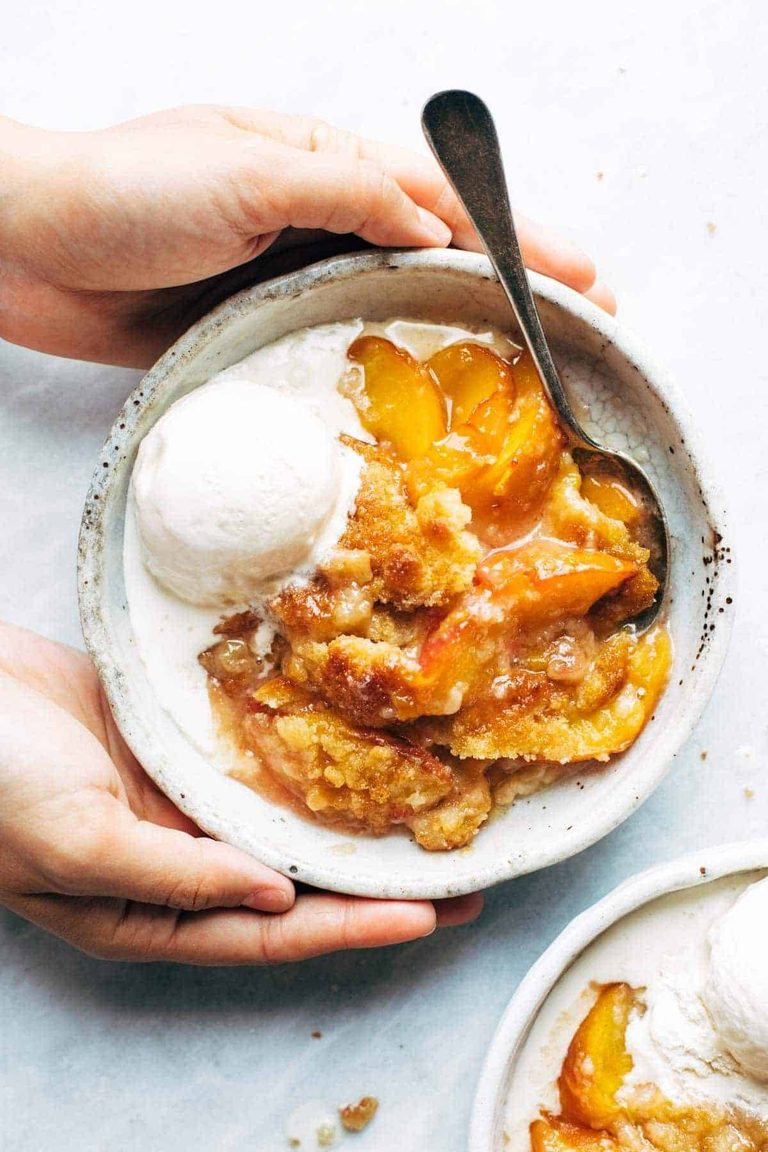
The summer produce season follows a predictable, yet compressed, timeline. Early June typically signals the emergence of strawberries and early-season cucumbers. By mid-July, the agricultural output shifts to include bell peppers, green beans, and the initial harvests of zucchini. August acts as the climax of the season, characterized by the availability of peaches, tomatoes, and late-season corn.
This compressed timeline forces a rapid turnover in dietary patterns. Nutritional experts emphasize that consuming produce during these peak months is ideal for maximizing phytochemical and vitamin content, as produce is harvested at the peak of maturity rather than being artificially ripened in transit.

Culinary Strategies for Inventory Management
To address the surplus of summer produce, culinary experts recommend a multi-faceted approach to integration. This involves transitioning from simple side-dish preparations to complex, multi-ingredient recipes that allow for the simultaneous use of multiple crop types.
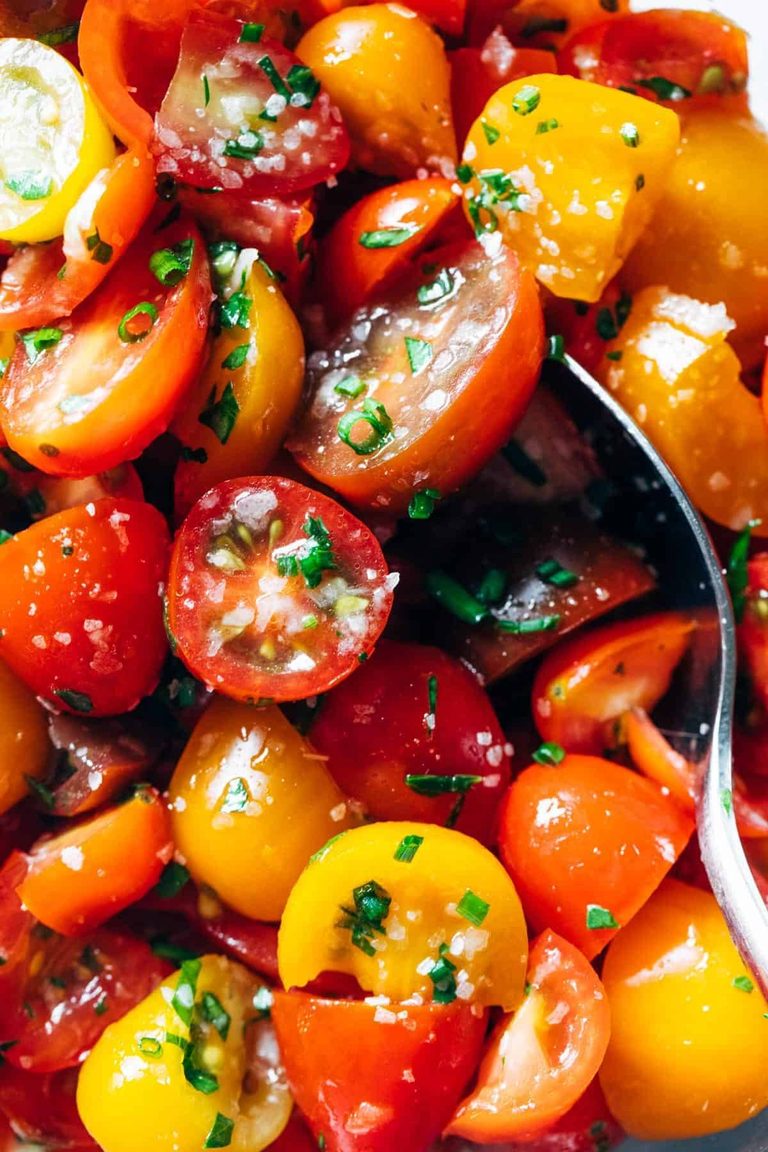
Integrating Produce into Main Courses
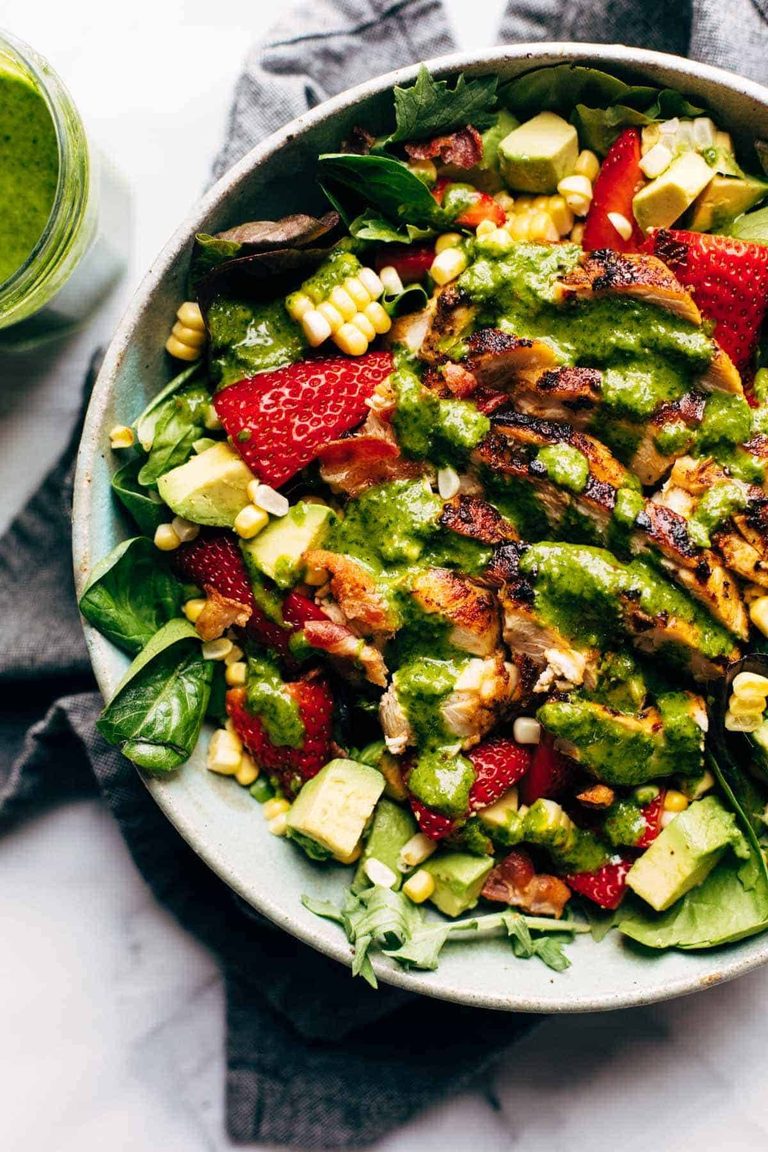
The modern trend toward "bowl-style" meals has provided a framework for incorporating high volumes of varied produce. Recipes such as the Summer Chipotle Chicken Cobb Salad, for instance, demonstrate how to balance protein—such as chicken or salmon—with the sweetness of corn and the acidity of fresh strawberries or tomatoes.
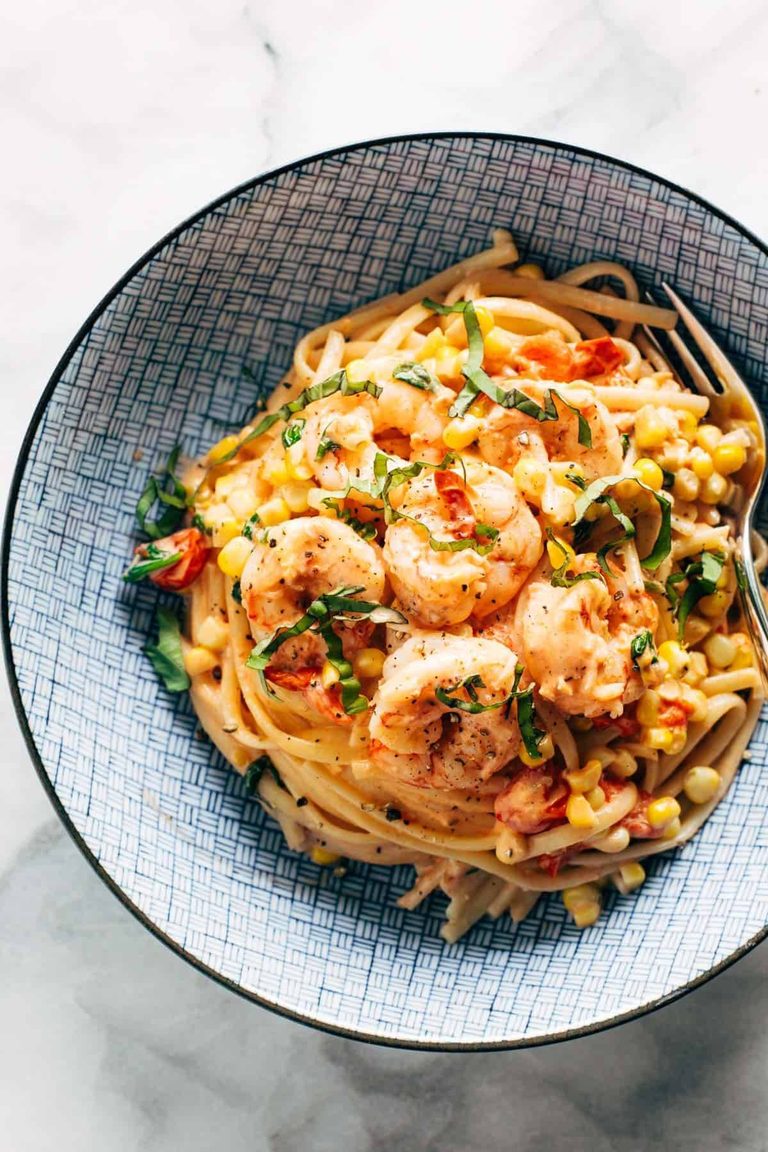
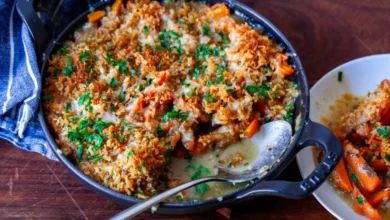
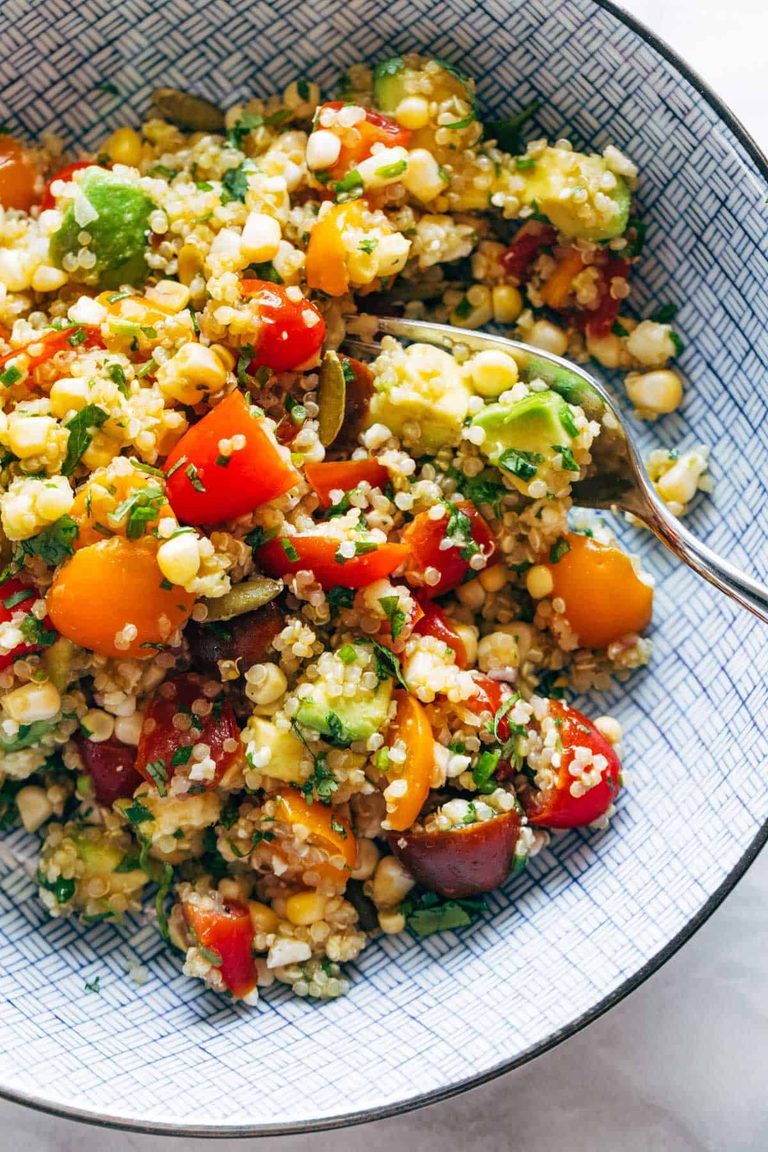
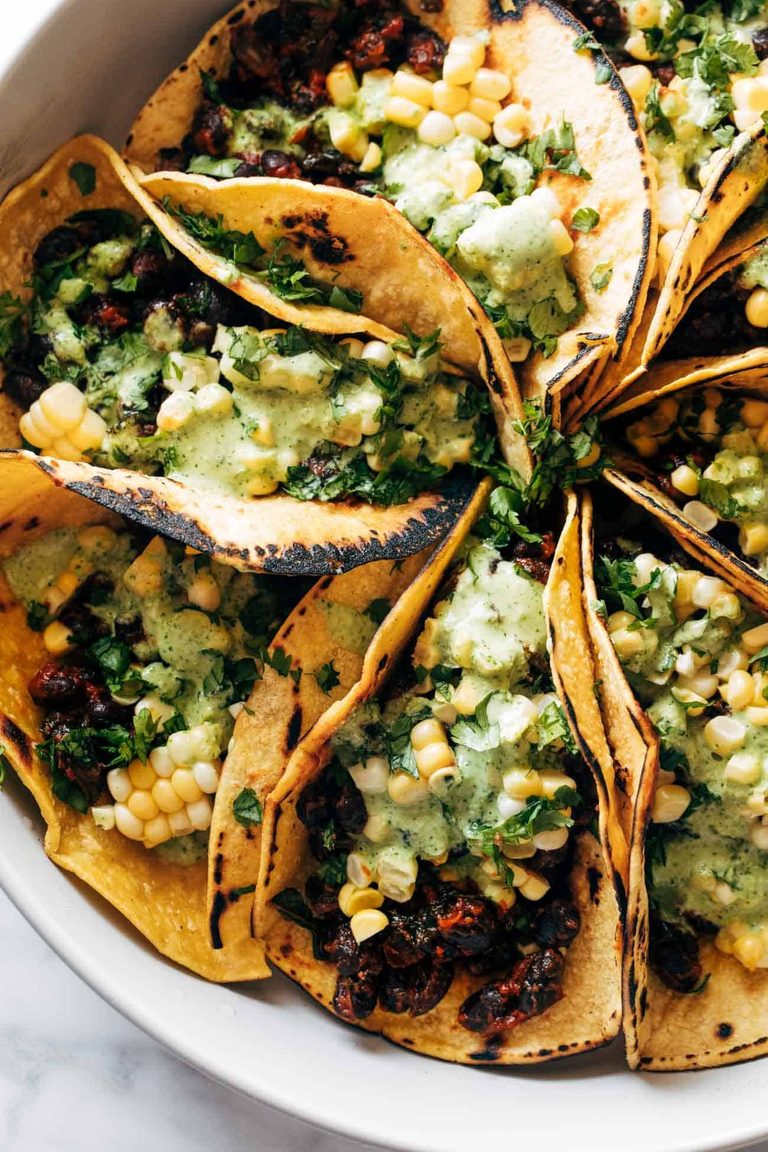
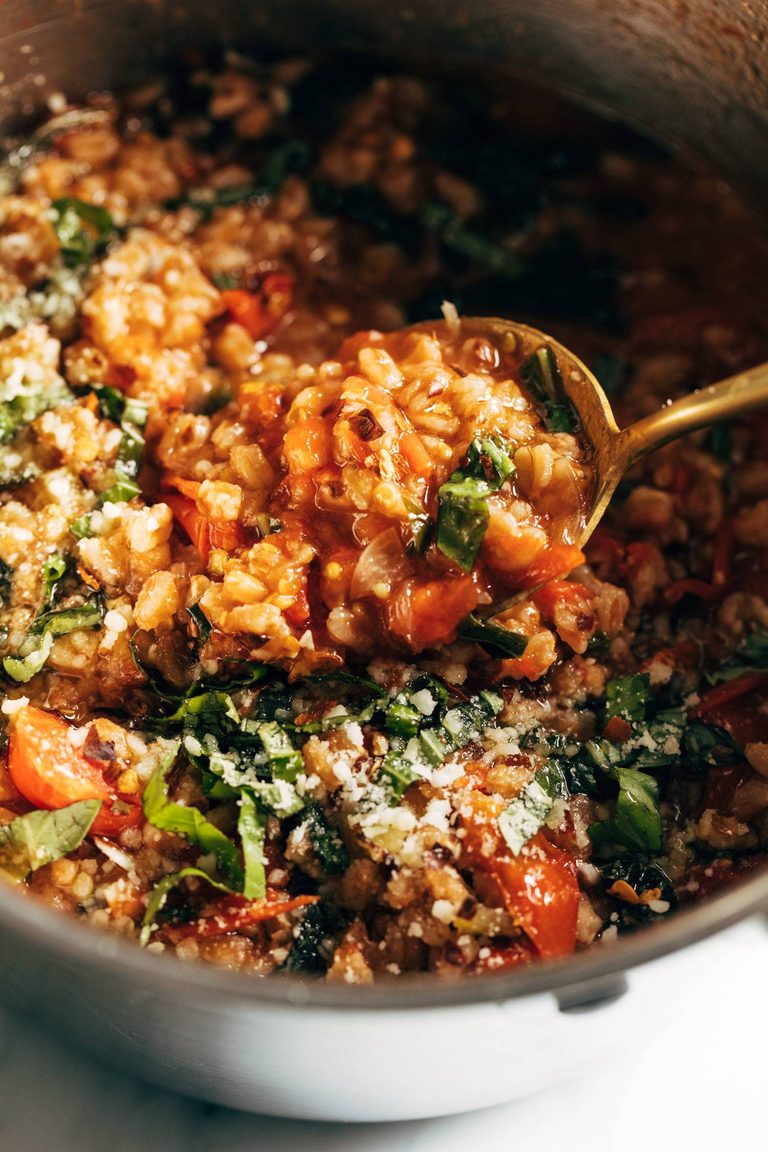
Data-driven kitchen management suggests that pairing high-volume crops like zucchini with complex carbohydrates, such as quinoa or farro, increases the satiety of a meal while effectively clearing out the refrigerator’s crisper drawer. For example, one-pan farro dishes featuring kale, tomatoes, and onions allow for the consolidation of multiple ingredients into a single, cohesive nutritional unit.
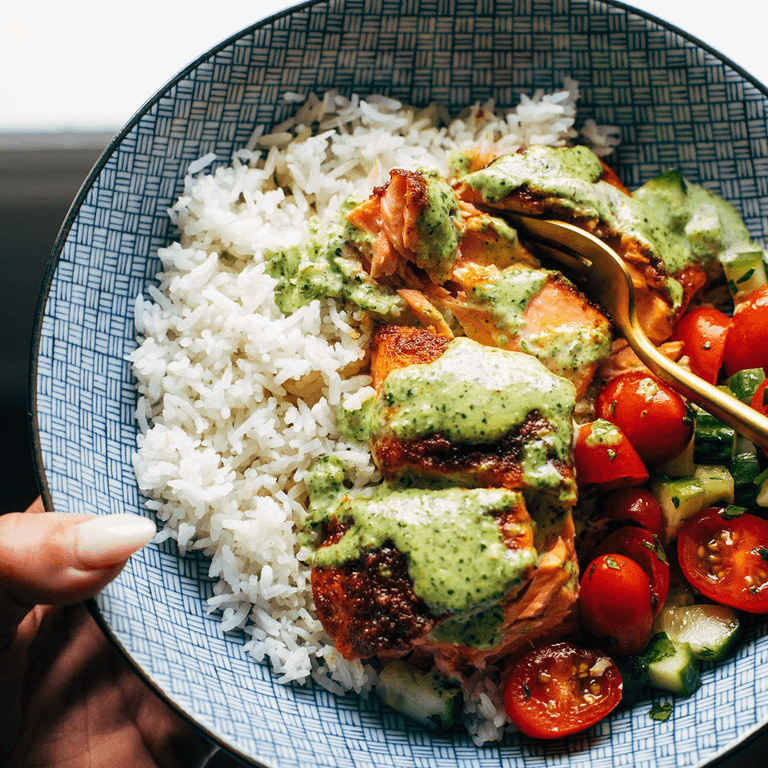
Preservation and Sauce-Based Processing
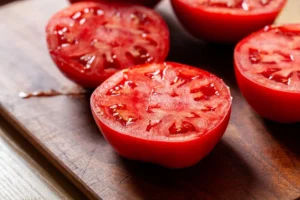
When volume exceeds daily consumption requirements, chefs and home cooks alike turn to processing techniques. The creation of "magic green sauces"—blended mixtures of herbs, garlic, and oils—serves as a primary method for extending the utility of fresh herbs like basil and parsley. Similarly, the marination of tomatoes in balsamic, lemon, and garlic acts as a preservation technique that enhances flavor while softening the produce for later use in pasta or on grilled proteins.
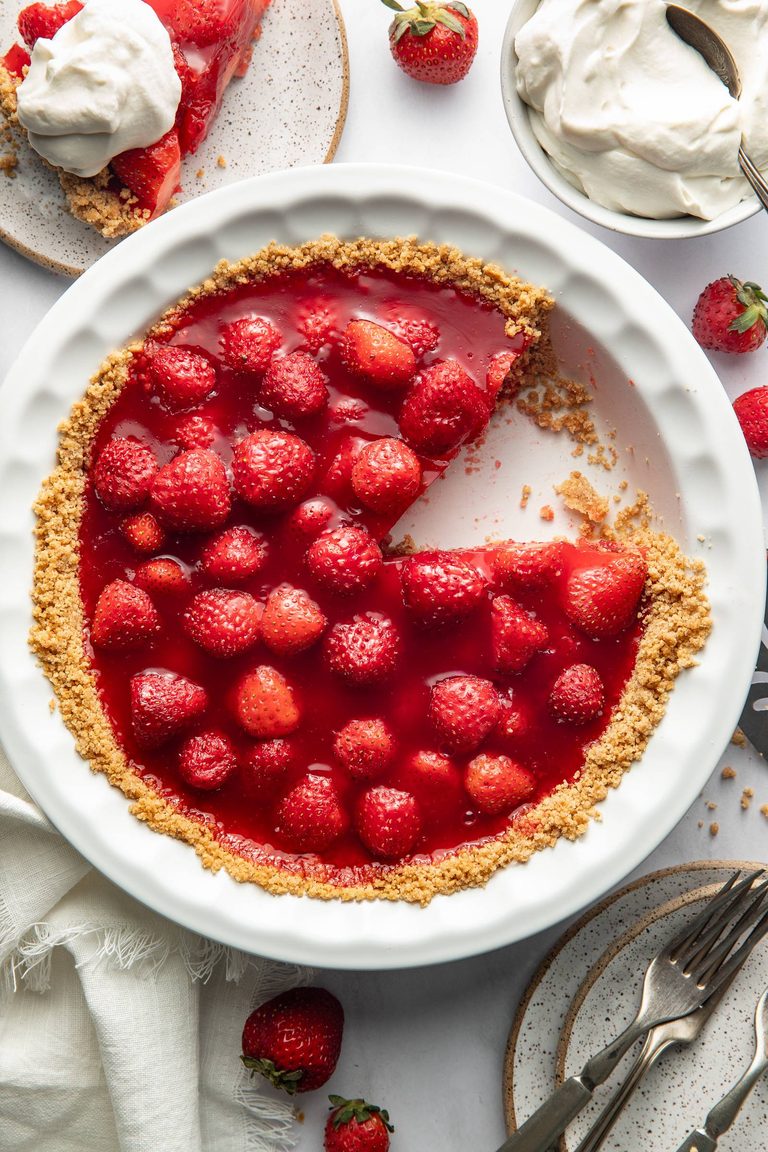
Impact on Domestic Food Waste
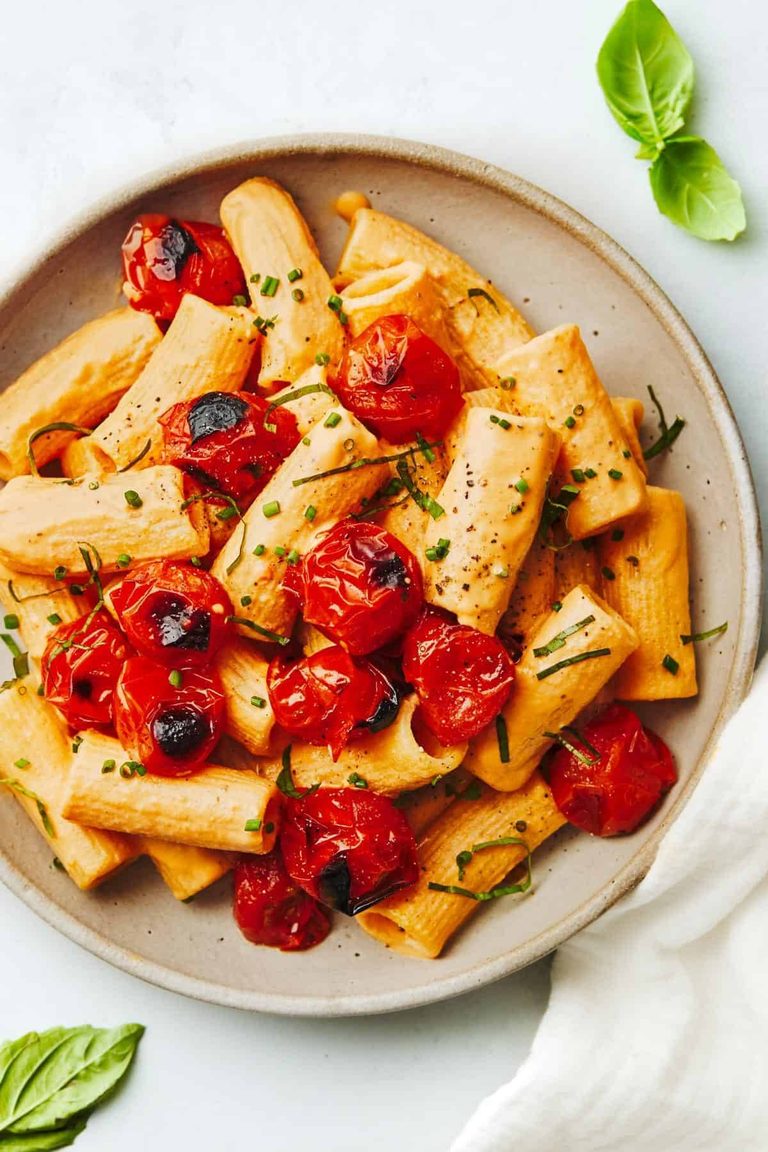
Food waste remains a critical issue in the United States, with the Environmental Protection Agency (EPA) estimating that a significant percentage of household food waste is comprised of fresh produce that has surpassed its peak quality. By adopting recipes that prioritize "bursting" or "blistering" tomatoes—a technique that uses heat to break down fruit that may be slightly overripe—consumers can successfully mitigate the amount of produce that ends up in landfills.
Furthermore, the integration of zucchini into baked goods, such as muffins or bars, represents a functional method for utilizing high-yield vegetables that might otherwise be overlooked. By converting these crops into nutrient-dense snacks, households can increase their overall fiber and mineral intake while effectively managing their seasonal inventory.
Economic and Nutritional Implications
The economic implication of the summer harvest is clear: purchasing in-season produce directly from local markets significantly lowers the cost of a healthy diet. A 2023 analysis by the Consumer Price Index (CPI) indicated that while overall food costs remained elevated, the price of seasonal fresh produce in local farmer’s markets remained more stable compared to imported, out-of-season alternatives.
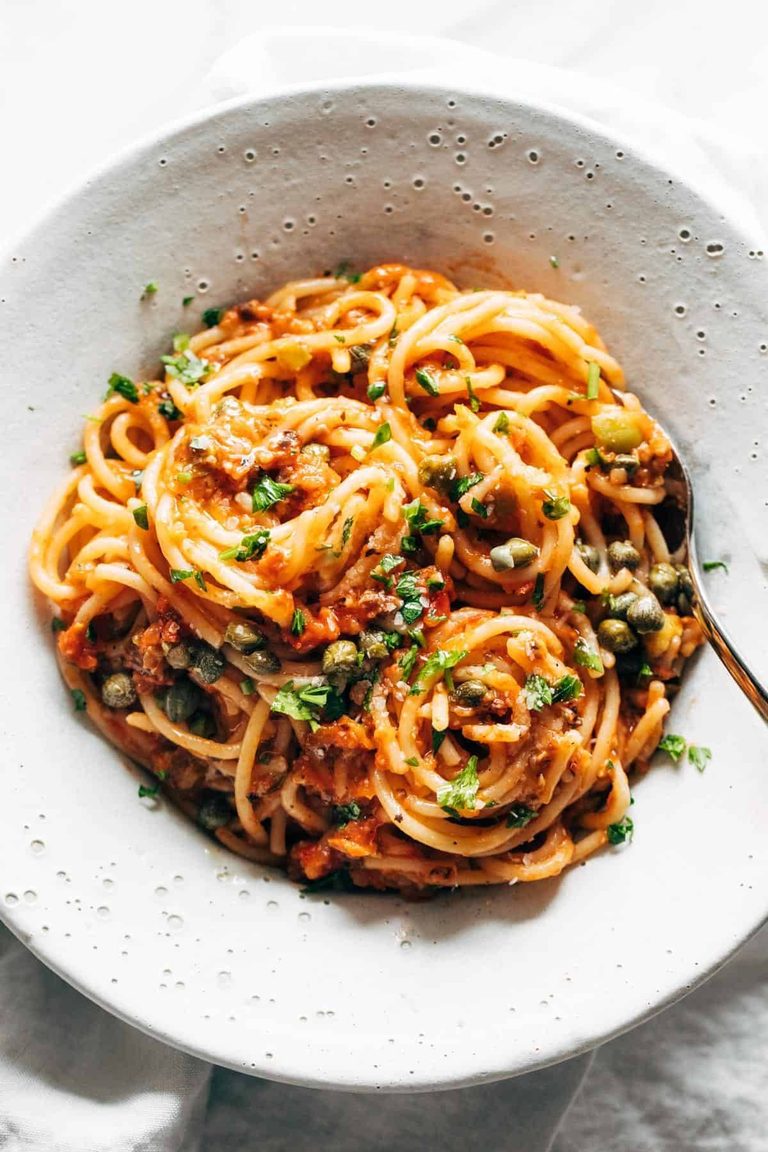
From a nutritional perspective, the diversity of the summer harvest provides an essential intake of antioxidants, specifically lycopene from tomatoes and beta-carotene from peppers. Incorporating these into daily meals via recipes like roasted tomato puttanesca or grilled chicken with pepperoncini garlic butter ensures that the population receives the full spectrum of summer-specific nutrients.
Professional Perspectives on Seasonal Cooking
Culinary professionals and nutritionists often advocate for the "SOS" (Simple, Organized, Seasonal) approach to meal planning. This methodology involves identifying a primary protein and then utilizing whatever the market provides that week as the base for the dish.
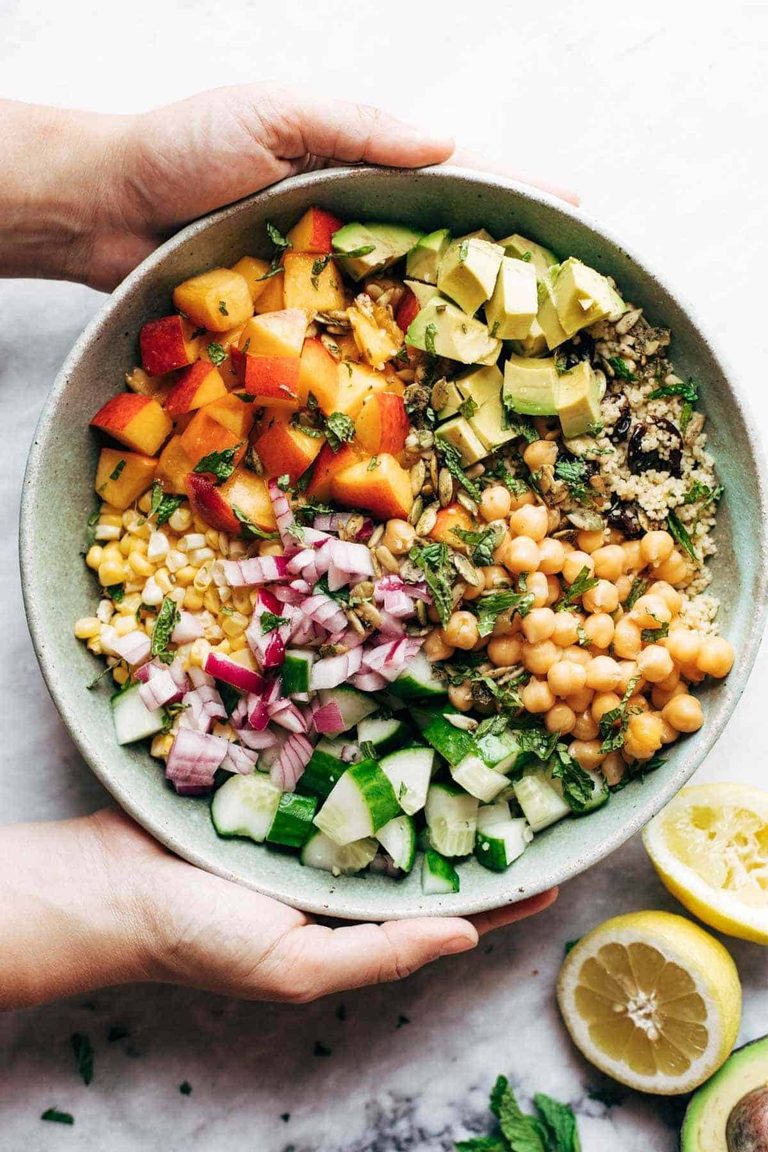
"The goal of summer cooking should be flexibility," notes an industry consultant specializing in home meal preparation. "When you have an abundance of corn, you should be looking at how that corn can bridge the gap between a morning breakfast salad and an evening pasta dish. It is about treating the produce as the foundation of the meal rather than an afterthought or a simple garnish."
Future Outlook and Conclusion
As the climate continues to impact agricultural output, the importance of understanding the peak harvest window becomes even more paramount. Consumers who learn to adapt their culinary techniques to the rhythms of the seasons are better positioned to manage food budgets and reduce waste.
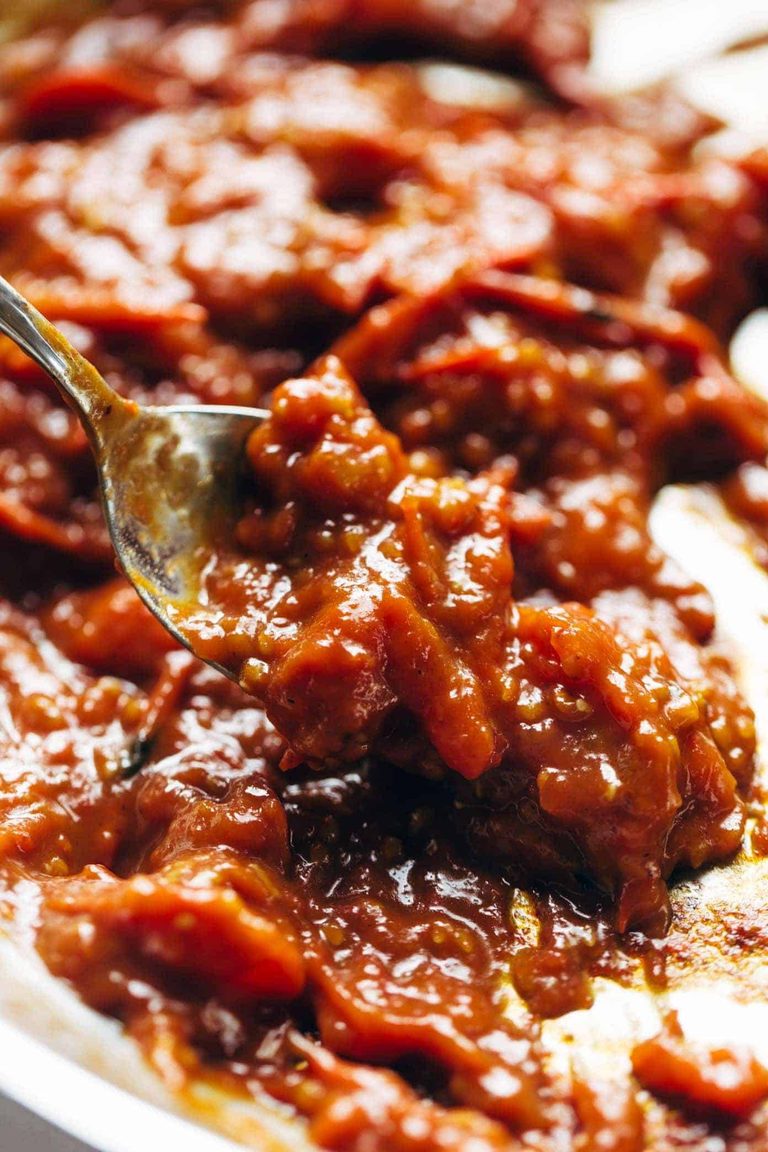
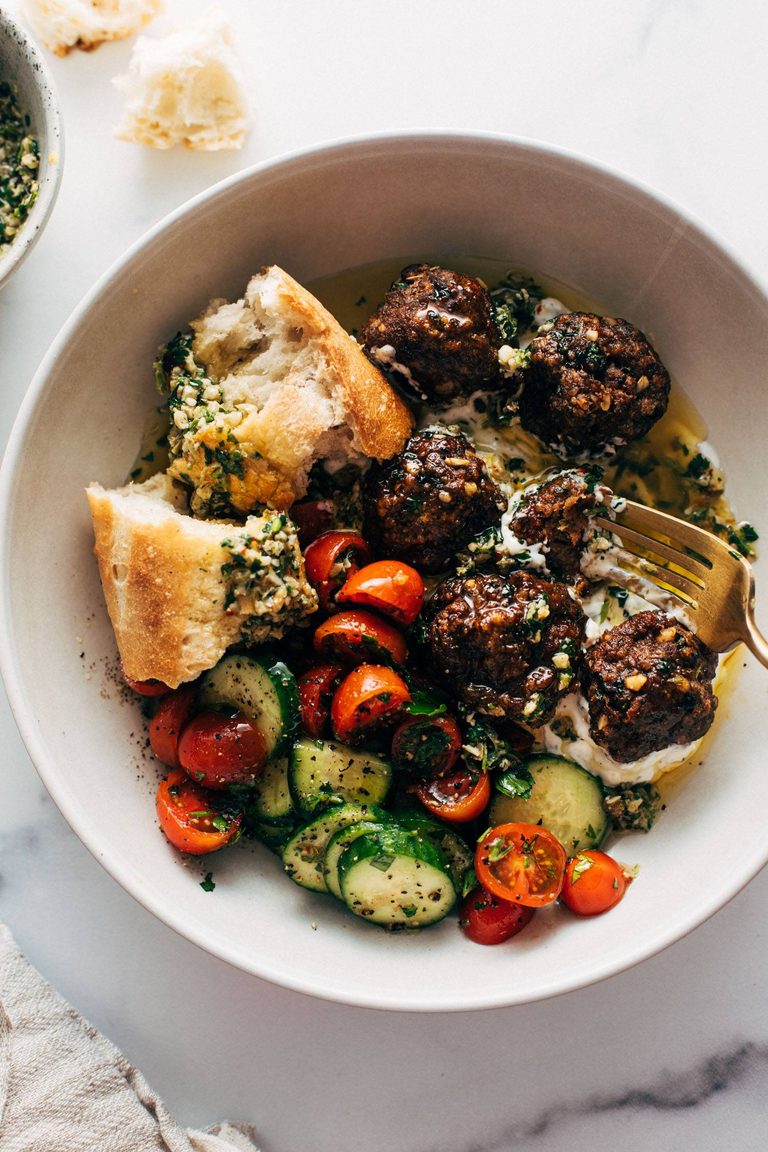
The range of recipes available today—from the straightforward preparation of marinated tomatoes to the complex flavor profiles of harissa meatballs with whipped feta—illustrates that the modern kitchen has moved beyond traditional boiling or steaming. By utilizing roasting, blending, pickling, and grilling, the contemporary cook can ensure that no part of the summer harvest goes to waste.
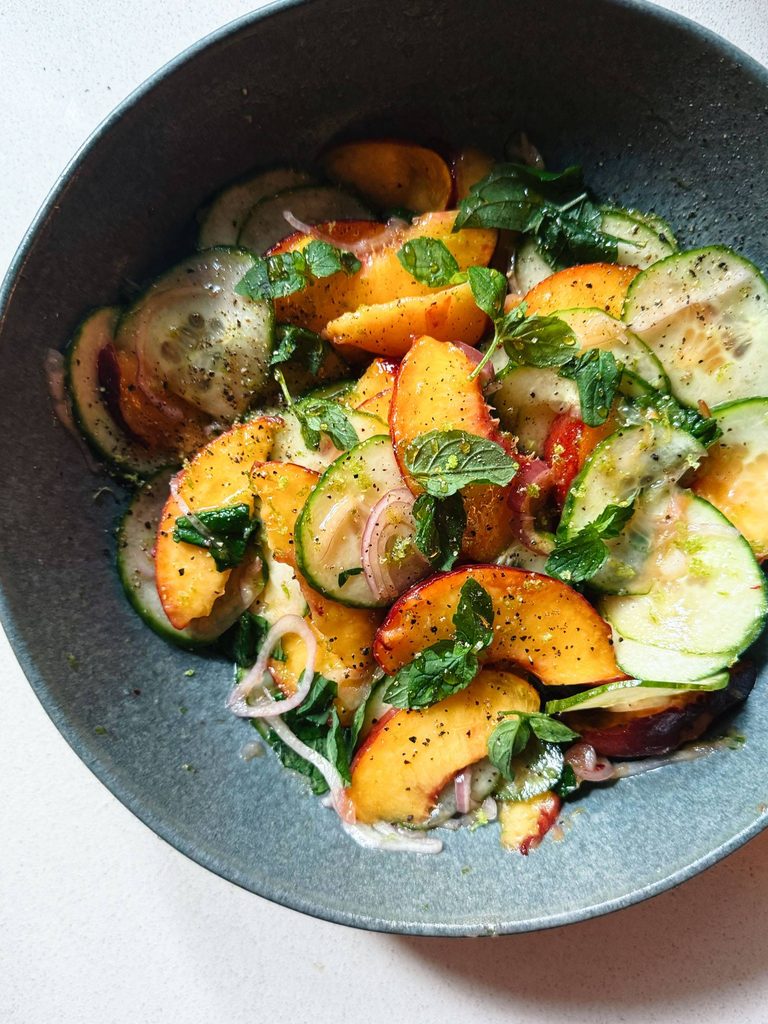
Ultimately, the successful management of the summer harvest is a testament to the versatility of fresh, raw ingredients. By treating every ingredient as a potential component of a larger, balanced meal, households can enjoy the benefits of the agricultural peak while fostering a more sustainable and economically sound approach to nutrition. Whether it is through the simple act of pickling strawberries for a salad or the careful assembly of a grain-based bowl, the ability to transform seasonal abundance into daily sustenance remains the cornerstone of a healthy and efficient culinary life.