
Electric vehicle manufacturer Lucid Group has encountered significant logistical challenges, culminating in a candid admission by Chief Executive Officer Silvio Napoli that the luxury automaker previously struggled to track its own vehicle inventory. During the company’s Q3 earnings call, Napoli revealed that as recently as this past summer, the enterprise occasionally required up to two weeks to locate and deliver vehicles after a customer had placed an order—a delay that frequently resulted in cancelled purchases and lost revenue.
This disclosure sheds light on the operational friction experienced by the company as it attempts to scale manufacturing and distribution. While Lucid produces critically acclaimed luxury electric vehicles such as the Lucid Air sedan and the Gravity SUV, the organization has faced substantial hurdles in bridging the gap between factory production lines and end-consumer delivery. Industry analysts note that overcoming these internal supply chain and inventory visibility bottlenecks is crucial for improving capital efficiency and customer retention as the brand matures in a highly competitive automotive market.
The Evolution of Lucid’s Inventory and Production Strategy
To understand the current operational landscape at Lucid, one must examine the production and delivery figures recorded over the first three quarters of the year. During the opening half of 2026, the automaker manufactured 3,228 more vehicles than it successfully handed over to buyers. The trend was particularly pronounced in the first quarter, during which the company produced approximately 5,500 vehicles while completing only 3,093 deliveries.
This production-to-delivery mismatch caused finished goods inventory to swell, pushing the value of unsold vehicles on the company balance sheet to $1.38 billion by the end of June. In response to this capital tie-up, Lucid adjusted its manufacturing output, scaling back production in subsequent quarters to better align with actual market demand and logistical capacity.
By the third quarter of 2026, production was intentionally modulated to 2,954 vehicles, while deliveries reached 3,806 units—representing a modest 7% year-over-year decline in deliveries, but a crucial step toward inventory normalization. Under the guidance of newly appointed Chief Financial Officer Alexander De Bock, the company reduced its finished goods inventory by nearly 15% during the third quarter, bringing the total inventory value down to $1.22 billion by September 30.
Operational Restructuring and Enhanced Supply Chain Visibility
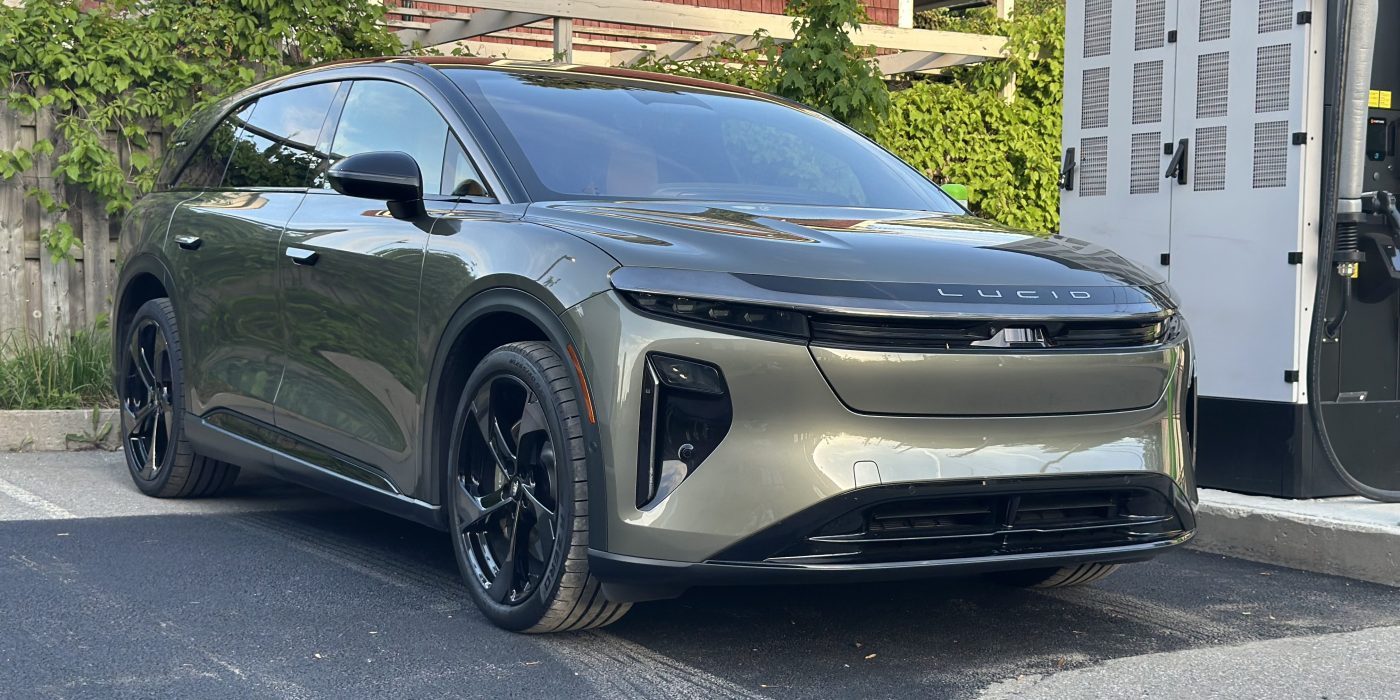
Addressing the root causes of the delivery delays required a comprehensive overhaul of Lucid’s commercial and logistical operations. Napoli explained to analysts that the enterprise lacked adequate real-time tracking systems earlier in the year, leaving sales teams unable to confirm the immediate availability of specific vehicle configurations.
To rectify this, Lucid implemented end-to-end supply chain visibility protocols. The company can now monitor vehicles continuously throughout their lifecycle: from the moment assembly is completed, through transit phases, across storage facilities, and up to the final handover to the consumer. Furthermore, a restructured commercial sales team has been deployed, empowered to match available inventory with prospective buyers on the exact day an order is placed, thereby minimizing delivery lead times and preventing customer attrition.
Historical Parallels: Lessons from Industry Precedents
Logistical growing pains are not unique to Lucid; similar bottlenecks have historically affected established electric vehicle manufacturers during critical scaling phases. Most notably, Tesla encountered severe distribution and transportation challenges during the mass-market ramp of the Model 3 in 2018.
By the third quarter of 2018, Tesla was manufacturing approximately 4,000 Model 3 vehicles per week—a volume significantly exceeding Lucid’s current quarterly output. As production surged, the primary operational bottleneck shifted rapidly from factory assembly floors to outbound logistics. Chief Executive Officer Elon Musk famously characterized the period as a transition from "production hell to delivery logistics hell," citing severe shortages of car carrier trailers and transport infrastructure.
To resolve these distribution crises, Tesla undertook aggressive vertical integration measures. The company began constructing its own specialized car carriers, acquired third-party trucking companies, secured long-term contracts with major haulers, and redirected rail shipments to overland trucking routes to shave weeks off transit times in North America.
Similarly, when the Model 3 debuted in European markets in early 2019, initial port processing delays at Zeebrugge, Belgium, prompted Tesla to terminate external contracts and assume direct operational control of port preparation facilities. By treating distribution speed as a core revenue driver rather than a back-office administrative function, Tesla successfully mitigated delivery backlogs and stabilized its regional sales pipelines.
Financial and Market Implications for Luxury EVs

The ability to efficiently convert manufactured inventory into delivered revenue holds immense financial significance for luxury electric vehicle manufacturers. Analysts point out that maintaining high inventory levels
ties up critical working capital, which can otherwise be deployed toward research, development, and global retail expansion.
Lucid operates in a capital-intensive segment of the automotive industry, where vehicle average selling prices are high, but manufacturing scale is still developing. When a company incurs substantial overhead expenses per delivered unit, losing prospective buyers due to administrative or logistical delays represents a compounding financial inefficiency.
Market observers have praised Napoli’s transparency during the earnings call, viewing the public acknowledgment of internal tracking deficiencies as a vital step toward organizational accountability. Rather than attributing delivery softness solely to macroeconomic headwinds or fluctuating consumer demand, management has directly addressed internal execution variables.
Looking Forward: Scalability and Long-Term Viability
As Lucid moves past its initial distribution bottlenecks, the focus shifts toward sustainable scaling and market penetration. The introduction of the Lucid Gravity SUV is intended to expand the brand’s addressable market beyond the luxury sedan sector, increasing overall volume requirements and placing new demands on the company’s refined logistics framework.
The integration of advanced inventory tracking software and optimized commercial operations will be tested as production volumes evolve. Industry analysts emphasize that maintaining disciplined coordination between manufacturing outputs and distribution capabilities will remain essential for protecting profit margins and securing consumer confidence.
Ultimately, Lucid’s recent operational adjustments demonstrate a pragmatic approach to overcoming the structural complexities inherent in modern automotive manufacturing. By establishing robust visibility over its supply chain, the company aims to ensure that its acclaimed product portfolio is matched by an equally reliable and efficient delivery experience.