Booking an electric flight in Europe is only 10 years away, says influential Dutch researcher

The commercial aviation industry stands at a historic crossroads as global pressures mount to decouple modern air travel from fossil fuels and volatile oil markets. While the transportation sector as a whole has made significant strides in adopting electrification—most notably through the rapid adoption of battery-electric passenger cars and regional transit—commercial aviation has remained a notoriously difficult frontier. Traditional jet fuel boasts a high energy density that batteries have historically struggled to match within acceptable weight constraints. However, innovative developments spearheaded by Dutch startup Elysian Aircraft, in close collaboration with academic heavyweights, suggest that zero-emission regional commercial flights are no longer a distant sci-fi fantasy, but an achievable reality slated for commercial deployment by 2034.
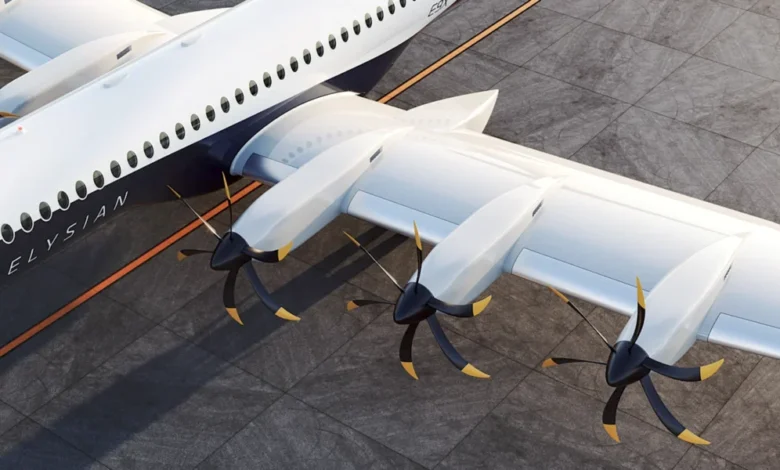
At the center of this paradigm shift is the Elysian E9X, a meticulously engineered regional commercial airliner designed to carry up to 100 passengers over ranges of up to 1,000 kilometers (approximately 620 miles). According to company leadership and aerospace researchers, this specific design profile is intentionally calibrated to target a massive slice of the global aviation market. By focusing on short- to medium-haul routes, Elysian aims to tackle a category of flights that account for a staggering percentage of worldwide aviation emissions, all without relying on the speculative promises of unproven synthetic fuels or hydrogen infrastructure that remains in its infancy.
The Climate Imperative and the Aviation Sector
Aviation is widely recognized as one of the most carbon-intensive and difficult-to-decarbonize sectors of the global economy. According to data compiled by climate campaign groups such as Stay Grounded and various environmental agencies, commercial aviation accounts for roughly 2% of global carbon dioxide emissions. However, when factoring in non-CO2 climate warming effects—such as the formation of condensation trails (contrails), nitrogen oxides (NOx), and water vapor released at high altitudes—the true climate heating impact of the industry is significantly higher, especially in wealthy nations where per-capita flight frequencies are disproportionately elevated.
Efforts to mitigate this environmental footprint have traditionally centered on efficiency gains in turbofan engines, operational optimization, and the gradual introduction of Sustainable Aviation Fuels (SAFs). Yet, SAFs face immense hurdles regarding feedstock availability, scaling production capacity, and high cost. Hydrogen propulsion presents another alternative, but it requires radical redesigns of airport fueling infrastructure and complex cryogenic storage systems onboard the aircraft.
In contrast, battery-electric propulsion offers a direct, highly efficient pathway to true zero-emission flight. Electric motors do not produce direct carbon emissions or warming contrails, and they operate at a fraction of the noise levels associated with conventional gas-turbine engines. By targeting regional connectivity, Elysian Aircraft is positioning its technology precisely where battery weight penalties are most manageable, opening the door to widespread commercial implementation within a single decade.
Engineering the E9X: Overcoming the Weight Barrier
The primary engineering hurdle in electric aviation has always been energy density. Traditional lithium-ion batteries are vastly heavier than jet fuel for an equivalent amount of stored energy. As an aircraft consumes fuel during a flight, it becomes lighter, which improves operational efficiency. Batteries, however, maintain the exact same weight whether they are fully charged or completely depleted, posing a continuous structural and aerodynamic challenge for aircraft designers.
To solve this formidable physics problem, Elysian Aircraft partnered with aerospace researchers at Delft University of Technology (TU Delft) to completely rethink how an airliner is structured. Rather than attempting to retrofit an existing airframe with heavy battery banks—a strategy that invariably limits passenger capacity and range—the team designed the E9X from a clean sheet.
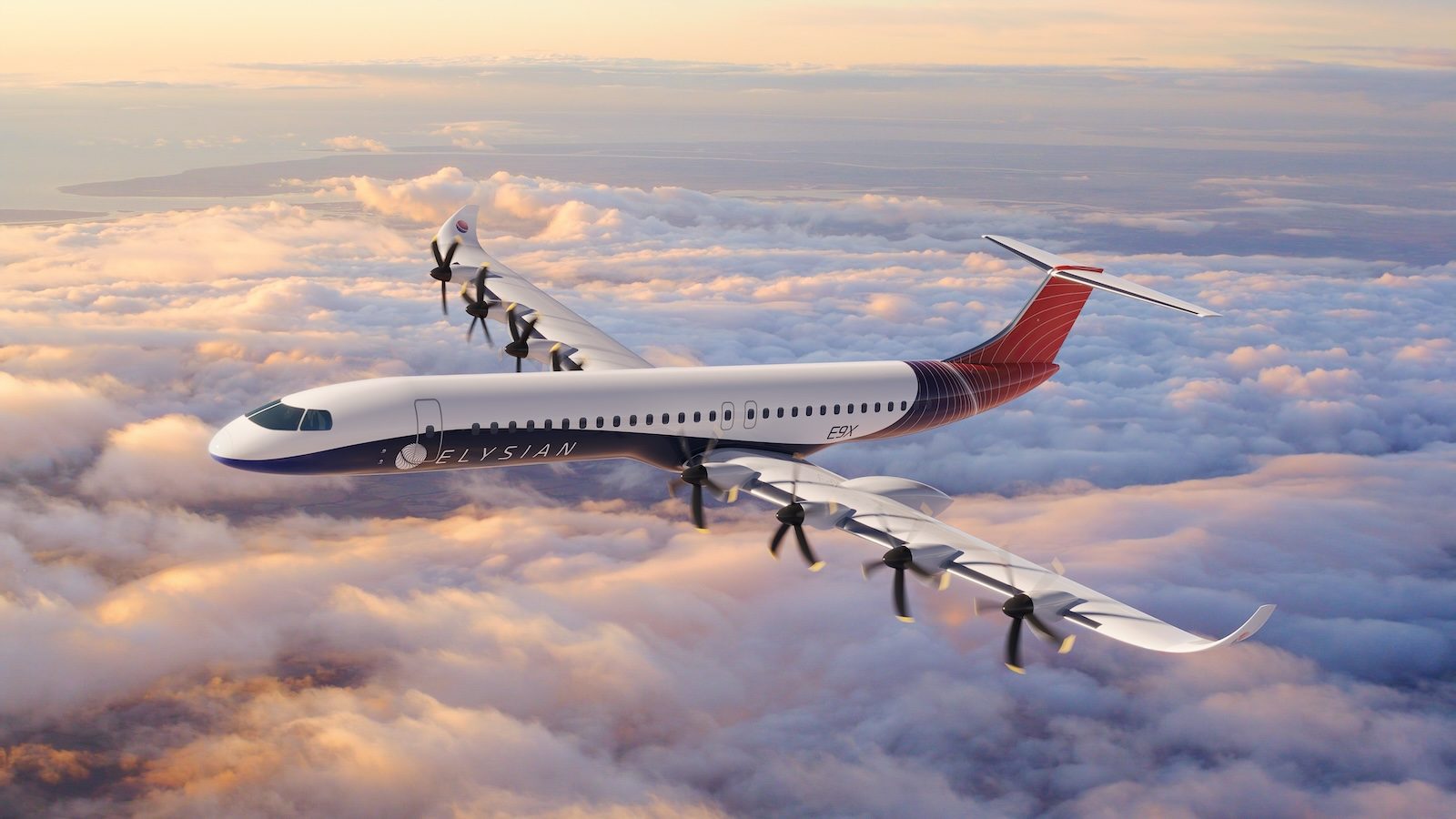
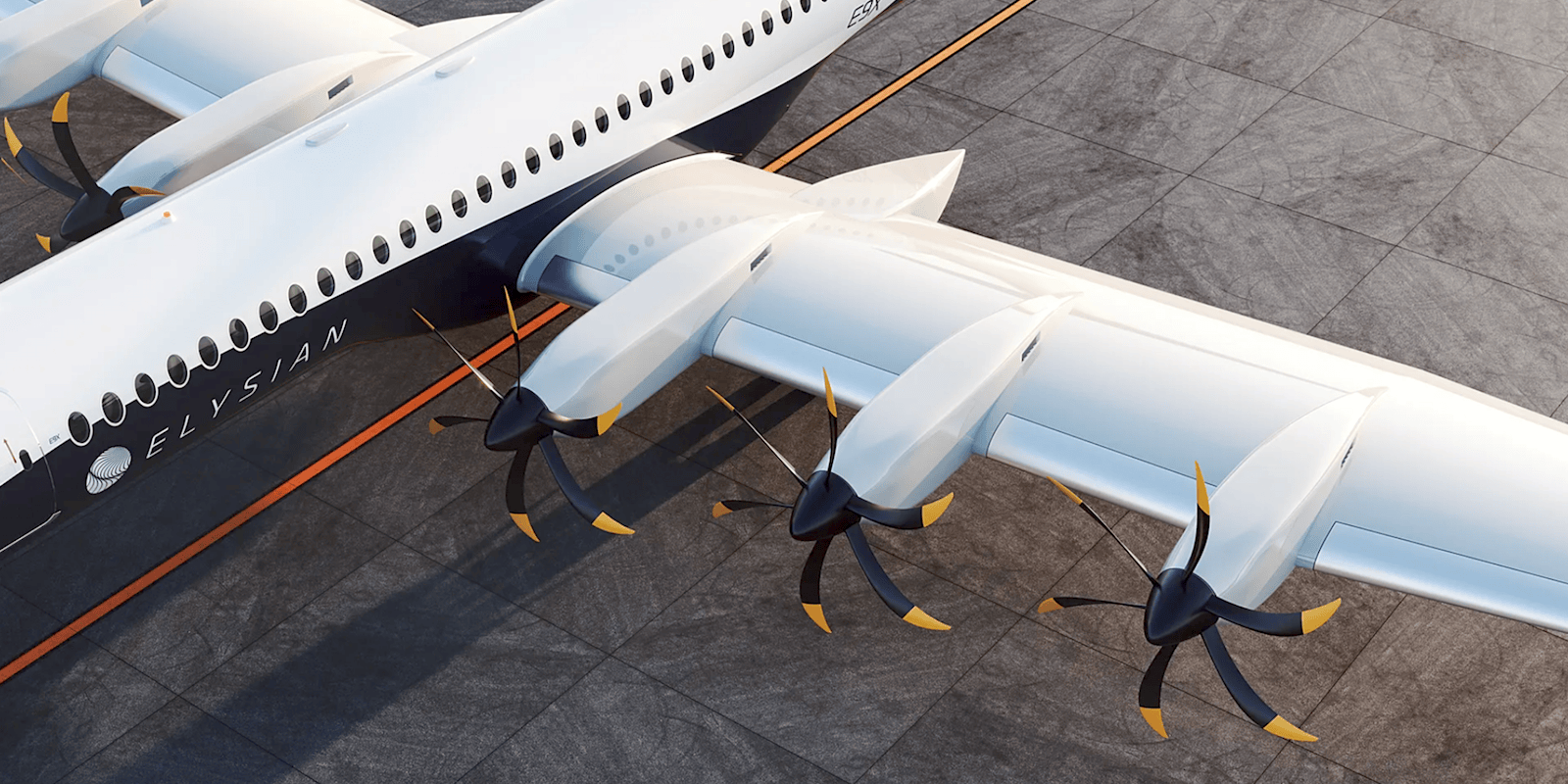
The defining architectural feature of the E9X is its utilization of oversized, high-aspect-ratio wings that double as structural housings for modular battery packs. Distributing the heavy battery weight across the wingspan significantly reduces the bending moments on the aircraft’s central fuselage, alleviating the need for excessively heavy structural reinforcement. Power from these modular battery packs is then transmitted to six electric motors driving distributed propellers along the wings, maximizing aerodynamic efficiency and safety through redundancy.
Chronology of Development and Collaborative Partnerships
The journey toward the E9X has been methodical, grounded in rigorous academic research, scale testing, and strategic industry partnerships. The conceptual foundation of the aircraft began within the halls of TU Delft, where aerospace engineers evaluated alternative propulsion architectures and energy storage systems optimized for commercial viability.
Following the initial theoretical phases, Elysian achieved a major milestone by successfully executing its second conceptual design review. To validate the unconventional aerodynamic and structural properties of the E9X, the startup collaborated with Germany’s prestigious DLR aerospace research center (Deutsches Zentrum für Luft- und Raumfahrt) to design, build, and fly a scaled demonstrator model. This physical testing provided critical empirical data confirming that distributed battery packaging within the wings could be safely integrated without compromising flight stability or maneuverability.
Recognizing that an advanced aircraft requires strong commercial backing to succeed, Elysian has actively forged alliances with legacy industry players. The startup has entered into strategic collaborations with major European carriers, including KLM and Transavia, to evaluate the real-world operational demands, passenger handling requirements, and turnaround times associated with electric airliners. Furthermore, aviation asset lessor TrueNoord has joined the coalition to investigate how fleet financing, residual value modeling, and commercial leasing structures can be adapted to support the introduction of battery-electric aircraft.

Global Implications and Market Impact
The potential market implications of a commercially viable 100-passenger electric airliner are profound. According to Elysian co-founder Daniel Jacobson, an aircraft capable of transporting 90 to 100 passengers over an initial range of 800 kilometers—scaling up to 1,000 kilometers as battery technology matures—has the capability to completely eliminate emissions from approximately half of the world’s scheduled commercial flights.
Because a vast proportion of global flight departures occur over short- and medium-haul corridors connecting regional hubs and neighboring countries, electrifying this specific segment would instantly slash total global aerospace emissions by an estimated 20%. This reduction would be achieved without requiring passengers to alter their travel habits or accept significantly slower transit times compared to traditional turboprops or regional jets.
In addition to environmental benefits, electric commercial flights promise significant economic advantages for airlines and travelers alike. Conventional airline operating expenditures are notoriously susceptible to geopolitical instability, supply chain disruptions, and the fluctuating price of crude oil. By transitioning to electricity—which can be generated increasingly from renewable sources such as wind, solar, and hydroelectric power—airlines operating aircraft like the E9X can decouple their operational costs from the volatile fossil fuel market. This stability could ultimately translate into more predictable, affordable ticket pricing for consumers.
Furthermore, the introduction of ultra-quiet electric regional aircraft could transform the aviation landscape by shifting attitudes toward airport proximity. Traditional jet aircraft generate high levels of community noise pollution, frequently resulting in strict nocturnal curfews and public opposition to airport expansions near urban centers. The remarkably low acoustic signature of electric propulsion systems could allow regional airports to operate more flexibly throughout the day and night, reducing noise footprints in densely populated European corridors.

Looking Ahead to 2034 and Beyond
As the aviation sector navigates the complex transition toward net-zero carbon emissions, timelines for technological readiness are closely scrutinized by regulators, investors, and environmental advocates alike. Elysian Aircraft’s projected service entry date of 2034 places the E9X firmly within the crucial window for European and global climate targets, which mandate substantial emissions reductions across all transportation modes by the middle of the century.
While significant work remains ahead—including rigorous certification processes with civil aviation authorities such as the European Union Aviation Safety Agency (EASA), scaling manufacturing supply chains, and ensuring widespread green charging infrastructure at regional airports—the progress achieved by Elysian and its partners demonstrates clear momentum.
Ten years from now, booking a zero-emission, whisper-quiet electric flight across European skies may transition from an ambitious conceptual blueprint into an everyday travel experience, fundamentally redefining the future of human mobility.
Related posts: