Former Senator Sam Brownback Attributes Republican Midterm Losses to Voter Rejection of Trump’s Personal Leadership Style

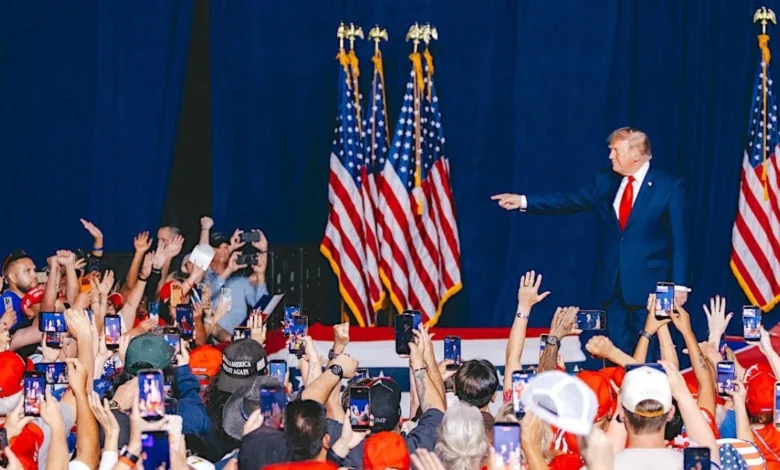
The sweeping political realignment witnessed across the United States following the 2026 midterm elections continues to reverberate through the halls of Washington, prompting intense soul-searching and strategy adjustments within the Republican Party. In the wake of a devastating election cycle that saw Democrats reclaim majorities in both the United States House of Representatives and the Senate—often by sweeping traditional red strongholds—party strategists, lawmakers, and former officials have stepped forward to dissect the causes behind the historic defeat. Among them is former Kansas Republican Senator and Governor Sam Brownback, who also served as Ambassador-at-Large for International Religious Freedom during Donald Trump’s first term in the White House. According to Brownback, the primary driver of the GOP’s electoral setbacks was not a rejection of conservative policies, but rather a profound public pushback against Donald Trump’s personal leadership style and approach to governance.
In an exclusive interview with Fox News Digital, Brownback argued that dismissing the 2026 outcomes as the standard, historically predictable midterm losses suffered by a second-term president’s party would be a grave strategic error for the Grand Old Party. Instead, he posited that voters utilized the ballot box to signal a desire to move past the turbulence associated with Trump’s persona, even while retaining broad support for specific conservative policy achievements, such as border security. As the political landscape pivots toward the 2028 presidential race, Brownback’s analysis opens a broader debate within conservative circles regarding tone, messaging, and the path forward.
A Historic Congressional Rout and the 2026 Midterm Landscape
The 2026 midterm elections proved to be a watershed moment in contemporary American politics. Defying historical trends that typically favor the out-of-power party by modest margins, the election cycle manifested as a formidable "blue wave" that fundamentally shifted the balance of power in Washington. Democrats capitalized on widespread public discontent, successfully flipping numerous congressional districts and state delegations that had long been considered safe Republican territory.
When the dust settled, the Democratic Party secured definitive majorities in both chambers of Congress, upending the legislative agenda of the Trump administration’s second term and setting the stage for a gridlocked or adversarial final two years in the White House. The loss shocked the Republican establishment, which had anticipated retaining at least one chamber of Congress to buffer against legislative pushback. Instead, the party found itself grappling with internal friction, finger-pointing, and an urgent need to redefine its electoral coalition.
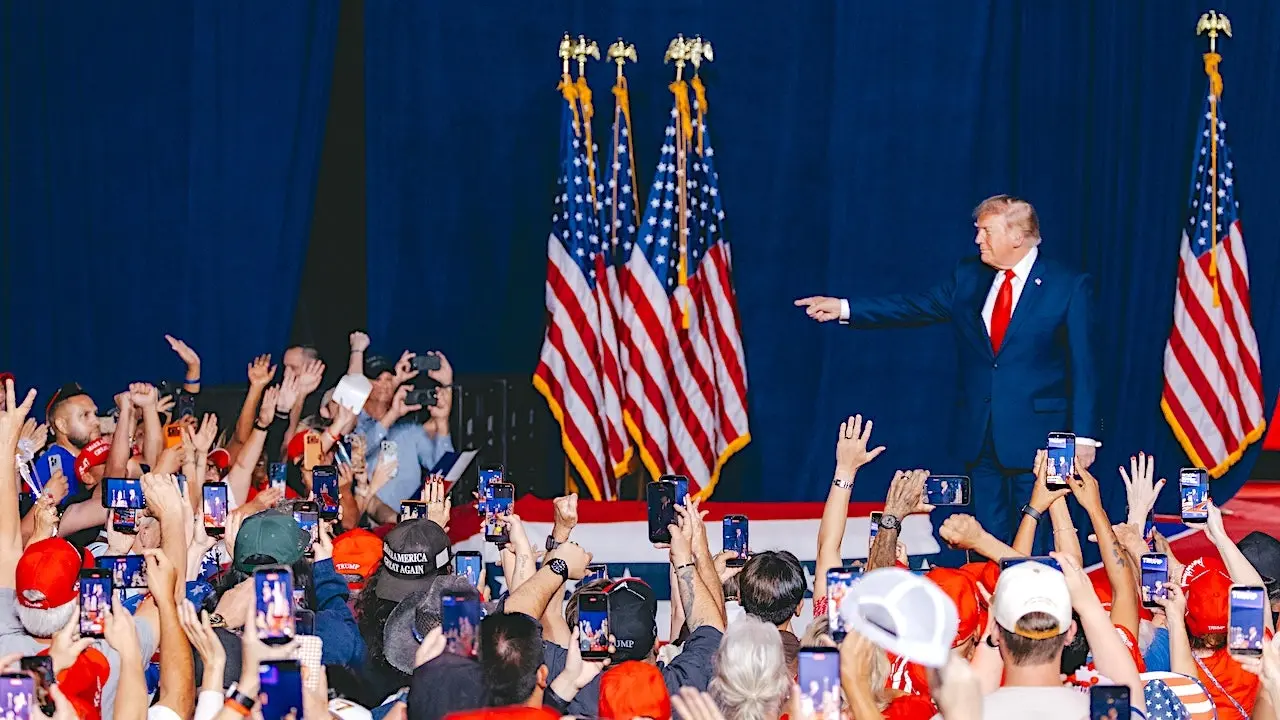
While standard political post-mortems immediately pointed toward prevailing macroeconomic conditions—such as persistent inflation and volatile energy costs—Brownback contended that economic anxiety was inextricably linked to voter exhaustion with executive leadership. He noted that while voters were deeply unsettled by the cost of living, their frustration extended beyond the ledger of inflation statistics into the daily rhetoric and confrontational governance style exhibited by the president.
Dissecting the Voter Sentiment: Policy Versus Personality
Brownback’s central thesis draws a sharp distinction between the popularity of conservative policy platforms and the reception of Donald Trump’s individual approach to power. During his interview, the former governor emphasized that the electoral blowback was "targeted at President Trump" rather than the foundational tenets of the conservative agenda.
"I think the thing we’re missing is that it was really targeted at President Trump. I don’t think it was targeted at the policies so much," Brownback stated, invoking a classic proverb to illustrate his point: "Pride comes before a fall and a haughty spirit before a stumble."
This perspective finds partial resonance in comprehensive post-election polling data. The Fox News Voter Poll conducted during the 2026 midterms revealed complex voter motivations. Economic pressures dominated the electorate’s concerns, with an overwhelming 89% of voters identifying the cost of living as a crucial or major factor influencing their congressional vote. Concurrently, foreign policy concerns also weighed heavily, as 74% of respondents cited the ongoing conflict involving Iran as a significant factor in their decision-making process.
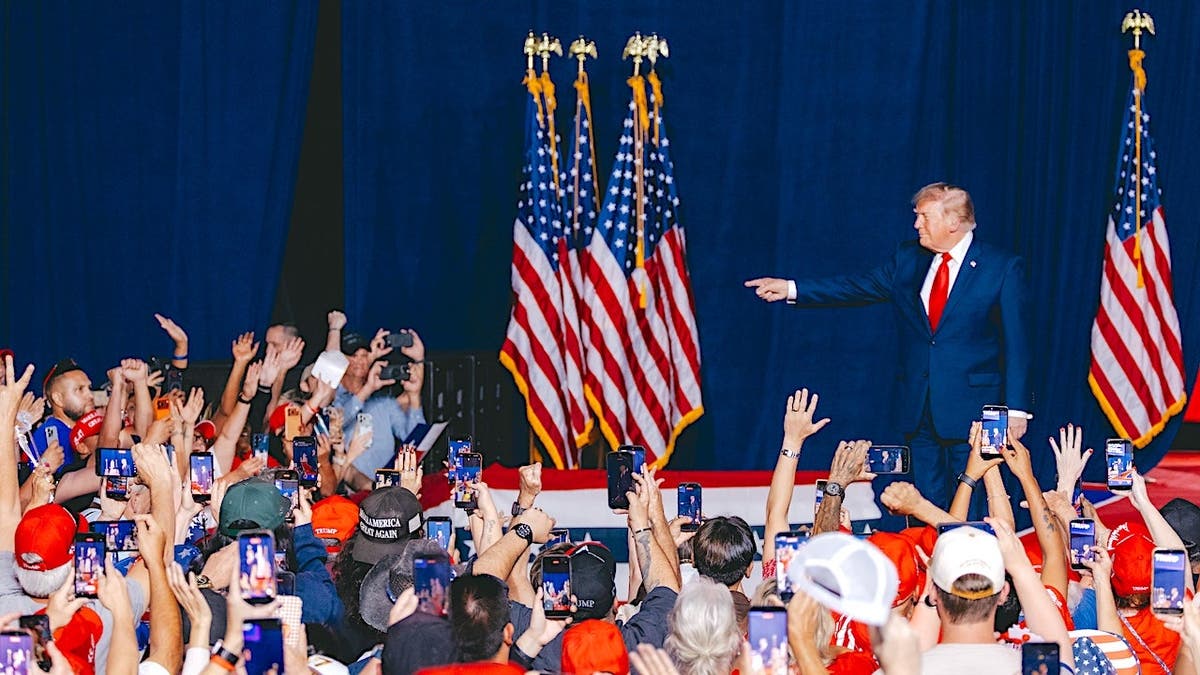
However, political analysts note a nuance in how these concerns translated into ballots. While immigration policy and border security remained flagship issues for the Trump administration—underscored by high-profile campaign rallies featuring administration surrogates and regional candidates—voter sentiment on the ground proved multifaceted. Brownback noted that while the American public continued to express approval for rigorous border security initiatives, their patience wore thin regarding certain aspects of interior immigration enforcement, which many perceived as overly aggressive. Consequently, the cumulative effect was not merely a policy disagreement, but a visceral fatigue characterized by voters signaling that they were simply "ready to move on past President Trump."
The Call for Humility and a Cultural Shift in Messaging
Drawing on decades of experience in public service—spanning his tenure in the U.S. Senate from 1996 to 2011, his two terms as Governor of Kansas from 2011 to 2018, and his diplomatic posting under Trump—Brownback urged his fellow Republicans to adopt a fundamentally different posture as the party recalibrates for future electoral battles.
Central to his prescription for the GOP is an embrace of humility, kindness, and a measured tone in public communication. Brownback suggested that the party’s rhetoric has frequently alienated moderate and independent voters who might otherwise be sympathetic to conservative fiscal and social policies.
"You just can’t be proud. You’ve got to come forward humbly," Brownback remarked, emphasizing that political success in a diverse democratic republic requires meeting the populace with empathy rather than hubris. He advocated for a direct, responsive dialogue with the American electorate, proposing a clear and conciliatory message: "We hear you, American public. We’re adjusting to the message that we heard."
Connecting political philosophy to broader national identity, Brownback added, "America is great because it’s good. If it ever loses its goodness, it will lose its greatness. There has to be, as I keep doubling back to, a humility and a kindness about it as well." This philosophical appeal reflects a distinct faction within the conservative movement that believes the party’s long-term viability depends on softening its cultural edges without abandoning core principles.
Implications for the 2028 Presidential Primary Field

As the shock of the 2026 midterm results fades, the focus of the American political apparatus has already begun shifting toward the horizon of the 2028 presidential election. The defeat has effectively uncapped the race for the next Republican presidential nomination, creating an open and highly competitive primary field as the party looks beyond the Trump era.
Prominent figures within the current administration and conservative movement are already being heavily scrutinized as potential standard-bearers for 2028. Vice President JD Vance and Secretary of State Marco Rubio have emerged as leading figures frequently cited by political observers as prospective contenders for the nomination. Vance, who has navigated the populist wing of the party while maintaining a close alignment with the administration’s core base, has indicated to associates that he plans to officially decide on whether to launch a presidential campaign in the spring. Rubio, bringing extensive foreign policy experience from his tenure in the Senate and at the Department of State, represents a more traditional internationalist-conservative synthesis that appeals to a different segment of the primary electorate.
The debate sparked by figures like Brownback highlights the internal tension defining the pre-primary phase. On one side are loyalists who argue that the populist movement spearheaded by Trump remains the indispensable core of the Republican coalition, requiring steadfast adherence to his combat-heavy political style. On the other side are institutionalists and moderate conservatives who contend that the 2026 midterms serve as an unmistakable warning sign—proof that the party must evolve, temper its rhetoric, and broaden its electoral appeal if it hopes to win back suburban swing voters and secure national majorities in the future.
As the GOP navigates this period of introspection, the lessons of the 2026 midterms will undoubtedly shape party strategy, candidate positioning, and policy formulation for years to come. Whether the party chooses to double down on confrontational populism or heed calls for a more humble, policy-focused approach remains one of the most critical questions facing American conservatism as it prepares for the next presidential cycle.
Related posts: