Minnesota Senate Race Tightens as Lt. Gov. Peggy Flanagan Struggles to Name Areas of Cooperation with Trump

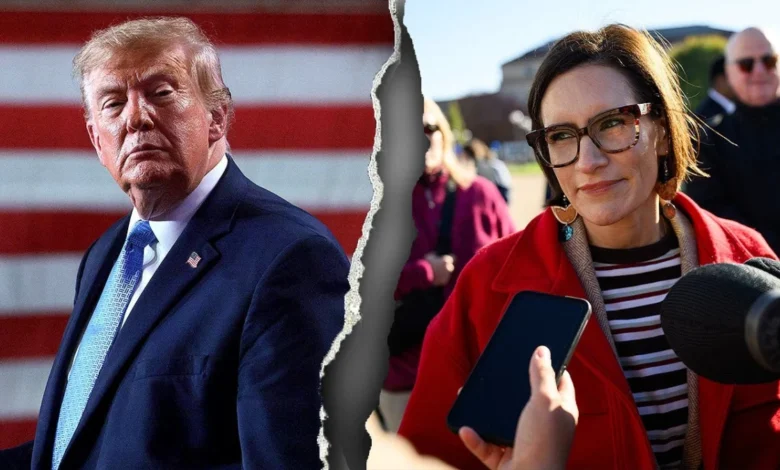
The political landscape in Minnesota has experienced a sharp shift as the state’s U.S. Senate race evolves into one of the most closely watched and fiercely contested battles of the midterm cycle. Minnesota, traditionally considered a safe blue stronghold in federal elections, is suddenly seeing heightened competition that has forced both major political parties to redirect resources and strategies. At the center of this electoral showdown is Democratic nominee and Lieutenant Governor Peggy Flanagan, who recently found herself unable to identify a single policy area where she would be willing to work with President Donald Trump. Her primary opponent, Republican candidate and former sports broadcaster Michele Tafoya, has capitalized on the mounting voter discontent to turn the election into a referendum on the incumbent administration’s record.
The dynamic of the race underscores the profound polarization defining modern American politics. For Republicans, capturing a Senate seat in Minnesota represents a rare and golden opportunity to expand their legislative footprint in the upper chamber. For Democrats, holding the seat is paramount to defending their narrow margins and maintaining a viable check against a Republican White House. As the campaigns enter their final stretch, the sharp contrasts between Flanagan and Tafoya have brought national attention to the North Star State, turning local grievances into national talking points.
Background and Context of the Minnesota Senate Race
The state of Minnesota boasts a long history of independent-minded voting patterns, electing progressive figures alongside conservative representatives over the decades. However, the current political climate has been heavily influenced by the tenure of Governor Tim Walz and Lieutenant Governor Peggy Flanagan. Over the past several years, the Walz administration has faced intense scrutiny, particularly following a massive fraud scandal that emerged under state watch involving pandemic relief funds and social services programs. This scandal has become a cornerstone of the Republican campaign strategy.
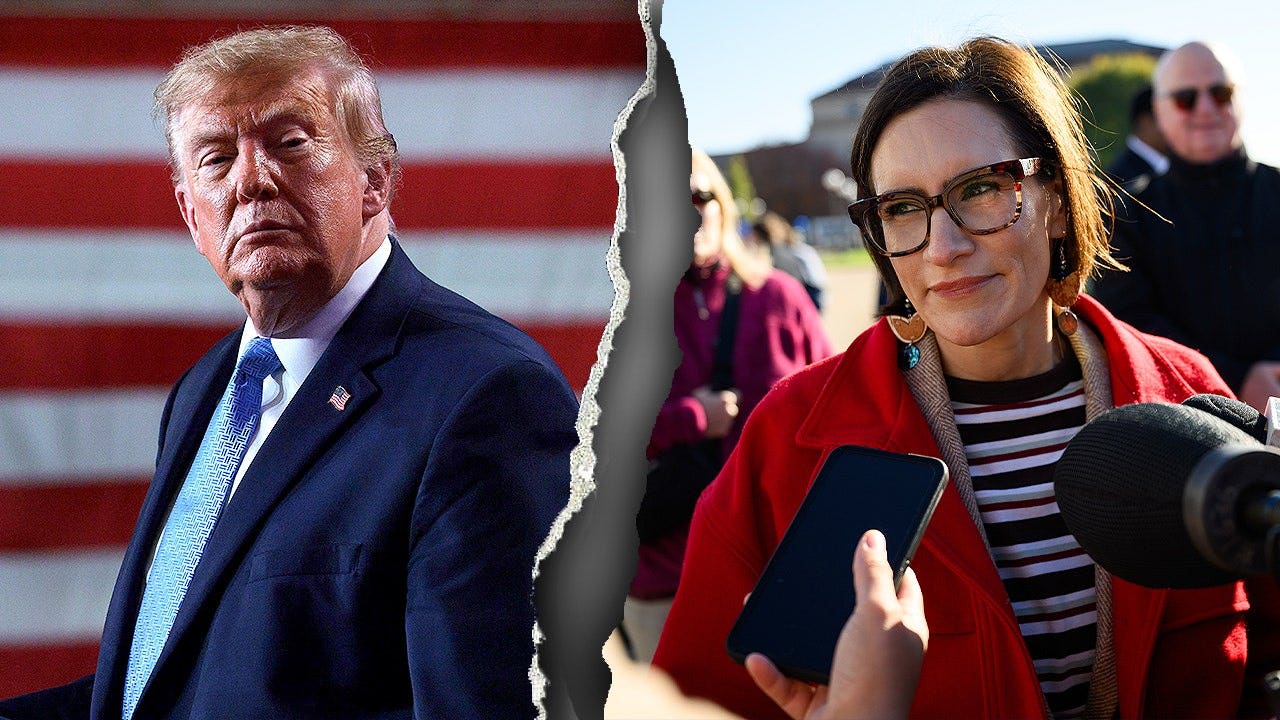
Michele Tafoya, stepping out of the sports broadcasting arena and into the political ring, has positioned herself as a common-sense outsider and an independent thinker. She has relentlessly pressed the narrative that Flanagan, having served as Walz’s second-in-command, shares direct culpability for the administrative failures and lack of oversight that characterized the fraud scandal. Tafoya’s strategy has resonated with a subset of disaffected Democrats and independent voters who feel alienated by the state’s progressive policy trajectory.
Conversely, Peggy Flanagan has built her political identity on her extensive resume in grassroots advocacy, her tenure at the Children’s Defense Fund—Minnesota, and her legislative experience working alongside a Republican majority in the statehouse. Flanagan has continuously pointed to her past bipartisan legislative achievements to cement her credentials as a pragmatic coalition builder. Yet, her refusal during a recent interview to name a potential area of cooperation with President Trump has highlighted the deep partisan trenches that define her senatorial bid.
The Flashpoint: Flanagan’s Stance on the Trump Administration
The tension came to a head during a recent exchange with Fox News, when Flanagan was asked whether there were any policies or legislative initiatives from the Trump administration she could envision herself supporting or working on. Rather than identifying a policy compromise, Flanagan pivoted to an aggressive critique of the administration, invoking accusations of ethical misconduct.
"I just want to be really clear that I’ve got a long track record of working with folks on the other side of the aisle," Flanagan stated, pointing to her history in the Minnesota Legislature and her advocacy work. However, when pressed directly on the federal executive branch, her tone shifted sharply toward opposition. "Right now, I’m deeply concerned about the Trump administration, the continued grift, making money hand over fist directly from the Oval Office."
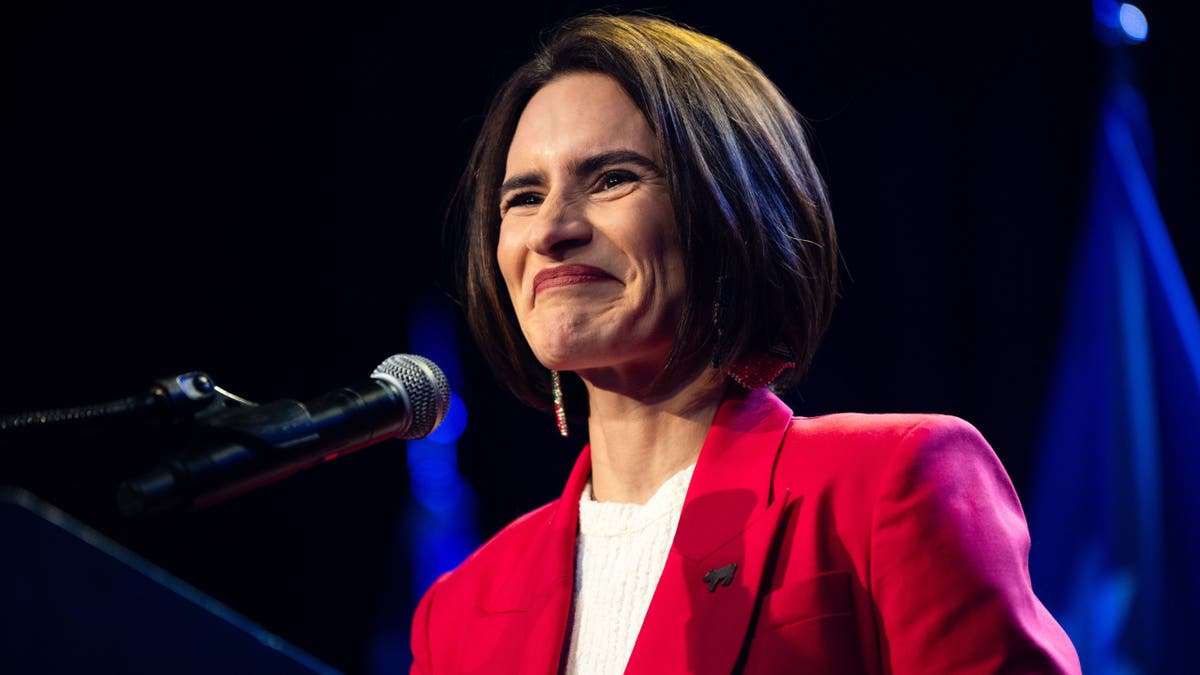
Flanagan argued that the sentiment among everyday voters on the campaign trail centers on the urgent need for a congressional check on executive power, rather than an ally to the administration. She emphasized her commitment to pushing back against federal policy decisions that she contends have harmed Minnesotans, framing her campaign as a firewall against conservative governance.
This hardline posture aligns closely with the core pillars of Flanagan’s platform, which includes progressive proposals such as dismantling Immigration and Customs Enforcement (ICE), expanding the Supreme Court, pursuing a single-payer healthcare system via Medicare for All, and reversing federal cuts to critical social safety net programs like Medicaid and the Supplemental Nutrition Assistance Program (SNAP).
Tafoya’s Strategic Positioning and the Republican Pivot
While Flanagan has sought to tie Tafoya inextricably to President Trump—noting in campaign communications that the Republican candidate is "all in" for the president—Tafoya has worked to carve out a distinct political identity. In a battleground state where President Trump’s approval ratings remain underwater, Republican strategists have recognized the necessity of appealing to moderate and suburban voters who may be hesitant to embrace a traditional, uncritical alignment with the White House.
Tafoya has actively sought to thread this political needle by embracing pro-choice positions and emphasizing her independence from party orthodoxy. In a prominent campaign commercial, Tafoya directly addressed voters by declaring, "I’m a pro-choice Republican not afraid to stand up to my party. When Trump is right, I will work with him. When he is wrong, I will stand up for Minnesota."
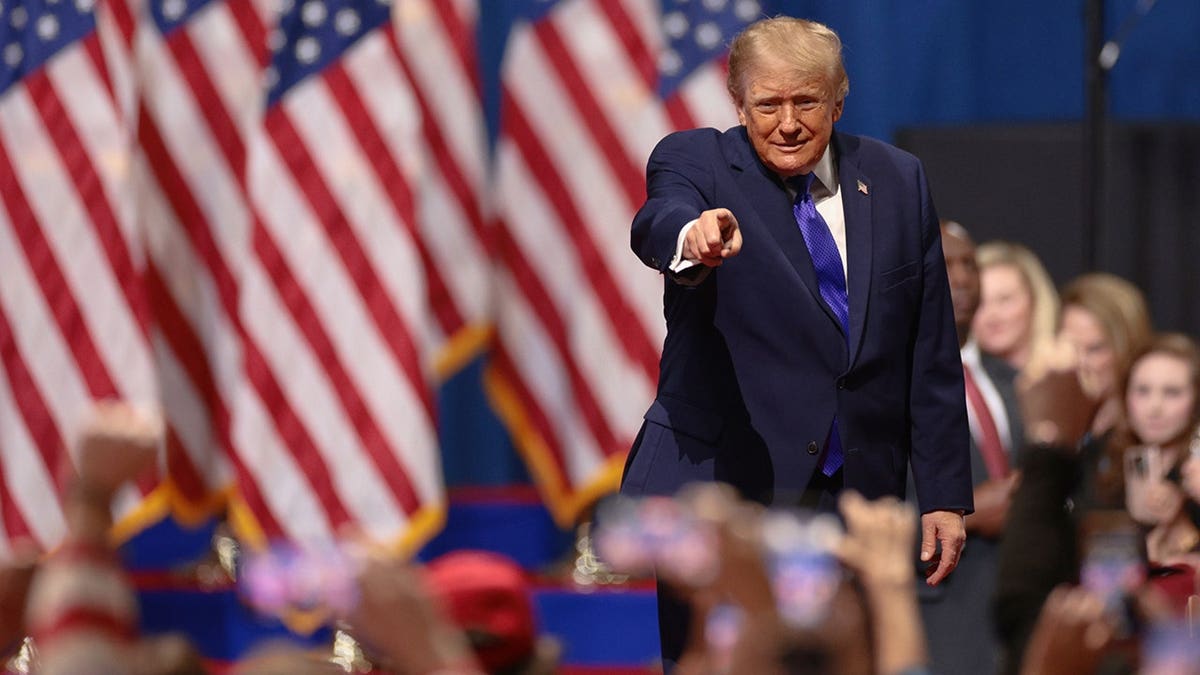
This nuanced approach has occasionally drawn skepticism from staunch party purists, including high-profile conservative commentators. However, the strategy received a vital boost when President Trump himself publicly endorsed Tafoya during a campaign rally in Ohio, praising her as a highly respected figure and urging voters to deliver midterm wins to the GOP.
The strategic distance Tafoya has attempted to maintain mirrors a broader national trend among Republican candidates running in competitive, blue-leaning or purple states. By balancing support for key populist economic policies with localized independence on social issues, candidates like Tafoya aim to broaden their electoral coalition while denying Democrats the ability to run solely against the national Republican brand.
Polling Shifts and Electoral Implications
The cumulative effect of these competing strategies has fundamentally altered the trajectory of the race. Recognizing the shifting momentum on the ground, independent election forecasters and major news outlets have adjusted their race ratings, moving the contest from a "Likely Democrat" classification to a much more competitive "Lean Democrat" status.
The tightening polls reflect deep-seated voter frustration regarding state-level governance and the broader national economic climate. Tafoya has leaned heavily into this sentiment, arguing that the electorate is exhausted by the status quo. "The more that Minnesotans learn about me and my opponent and see what my opponent has failed to do over the last eight years alongside Tim Walz, they’re understanding Minnesota needs change," Tafoya remarked in an interview. "We need fresh ideas, we need an independent thinker, and they’re jumping on board."
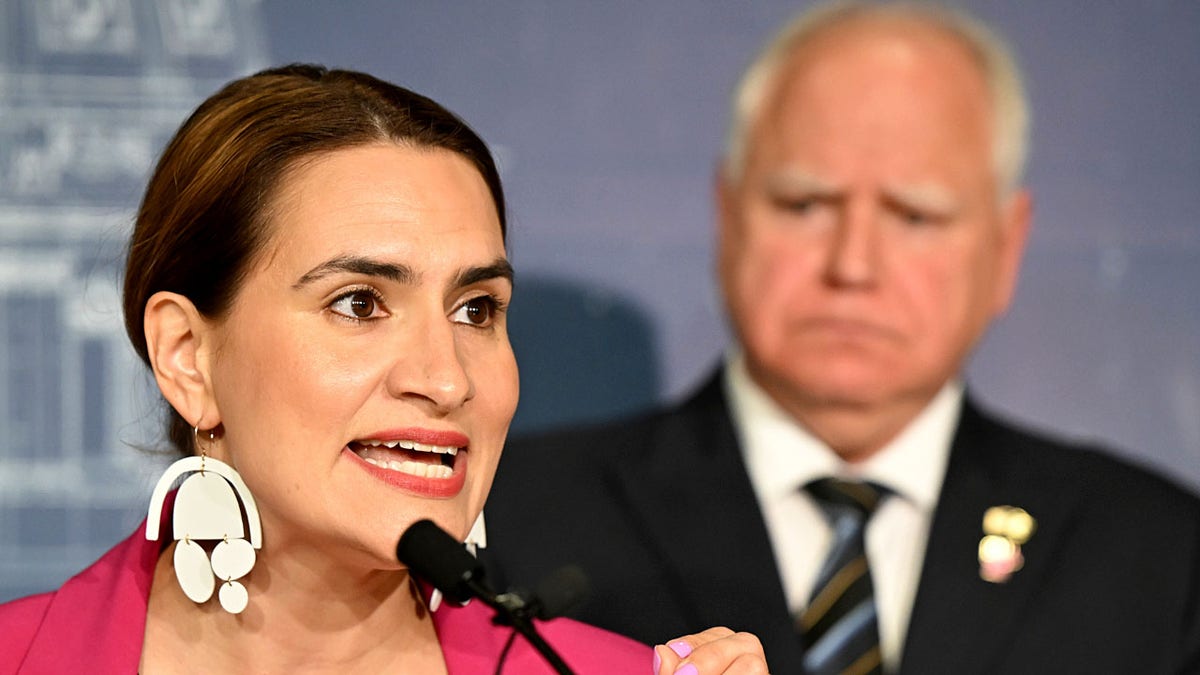
The implications of this Senate race extend far beyond the borders of Minnesota. As control of the United States Senate hangs in the balance, every competitive seat assumes outsized importance. A Republican victory in a traditionally blue state would not only signify a major realignment in the Midwest but also signal profound vulnerability for Democrats in regions where inflation, public administration scandals, and federal overreach dominate voter concerns.
Broader Impact and What Lies Ahead
As the final weeks of the campaign unfold, both campaigns are pouring immense resources into voter turnout operations, media advertising, and grassroots mobilization. Flanagan is banking on the mobilization of progressive bases, labor unions, and urban voters who prioritize reproductive rights, social welfare expansion, and a staunch resistance to the Republican agenda. Her closing argument rests on the premise that Minnesota cannot afford to send a representative to Washington who might enable conservative judicial appointments or federal budget cuts.
Conversely, Tafoya is banking on a coalition of rural voters, suburban independents, and disaffected moderates who are eager to redirect state leadership and demand accountability for past administrative shortcomings. By focusing her fire on economic stewardship, government transparency, and local accountability, Tafoya aims to expand the Republican map into territory that has long eluded the party.
Ultimately, the Minnesota Senate race has transformed into a high-stakes referendum on leadership, accountability, and the future direction of American governance. Whether voters choose Flanagan’s vision of robust progressive resistance and federal program expansion, or Tafoya’s pitch for independent oversight and state-level reform, the outcome will reverberate throughout the halls of Congress and shape the political map for years to come.
Related posts: