Justice Department Files Two-Count Criminal Information Against Former FBI Director James Comey Over 2016 Disclosures

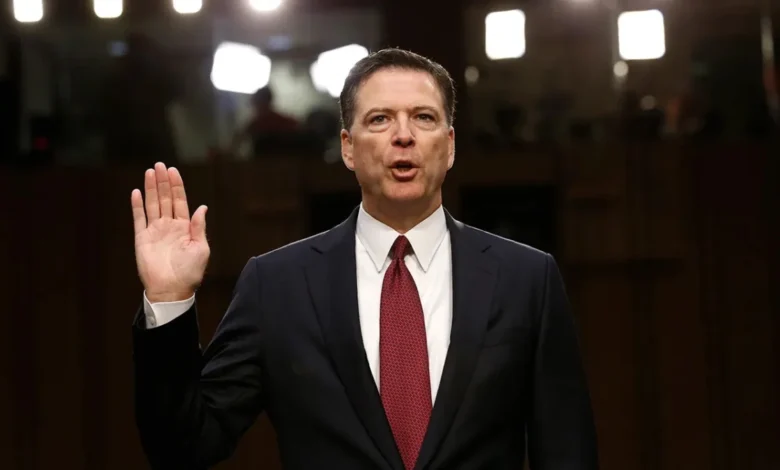
WASHINGTON — In a dramatic and unprecedented escalation involving federal law enforcement, the United States Department of Justice has formally initiated criminal proceedings against former FBI Director James Comey. Federal prosecutors filed a two-count criminal information in the U.S. District Court for the District of Columbia, charging Comey with willfully communicating national defense information to unauthorized individuals and engaging in a conspiracy to unlawfully disclose sensitive government material.
The court filings center on an alleged disclosure that took place on or about October 5, 2016, during a turbulent period in modern American political and intelligence history. According to the charging documents, prosecutors assert that Comey knowingly transmitted information classified as relating to the national defense to a person unauthorized to receive it, operating with the alleged understanding that the details could potentially be utilized to injure the United States or grant an advantage to a foreign power. Furthermore, the conspiracy count alleges that Comey coordinated with unidentified individuals to execute the unauthorized transfer of this sensitive data.
This development marks the third distinct attempt by federal prosecutors to secure a criminal case against the former FBI director, underscoring a prolonged and contentious legal saga between federal authorities and one of the nation’s most recognizable law enforcement figures of the past decade.
Background Context of the 2016 Disclosures
To understand the weight of the current federal charges, observers must look back at the fraught political and institutional landscape of 2016. During this period, the Federal Bureau of Investigation was navigating several high-profile and politically sensitive investigations, most notably the probe into former Secretary of State Hillary Clinton’s private email server, as well as the nascent counterintelligence investigation into Russian interference in the 2016 presidential election.
James Comey, who served as the seventh Director of the FBI from 2013 until his abrupt termination by President Donald Trump in May 2017, became a central figure in American public life. His handling of the Clinton email investigation—including his public, highly unusual July 2016 press conference detailing the bureau’s findings and his subsequent letter to Congress in late October 2016—drew intense scrutiny from both sides of the political aisle.
The specific incident cited in the October 5, 2016 timeline falls within weeks of the presidential election, a time when the intelligence community and federal law enforcement agencies were under immense pressure. While the charging documents outline the statutory accusations of communicating national defense information and conspiracy, they build upon years of public debate regarding the protocols surrounding the handling of sensitive government documents, leaks, and the personal record-keeping habits of high-ranking federal officials.
Chronology of Events and Legal Escalations
The legal friction surrounding James Comey has evolved over several years, characterized by internal departmental reviews, congressional inquiries, and prior prosecutorial assessments. A chronological overview of key milestones highlights the trajectory of this ongoing legal narrative:
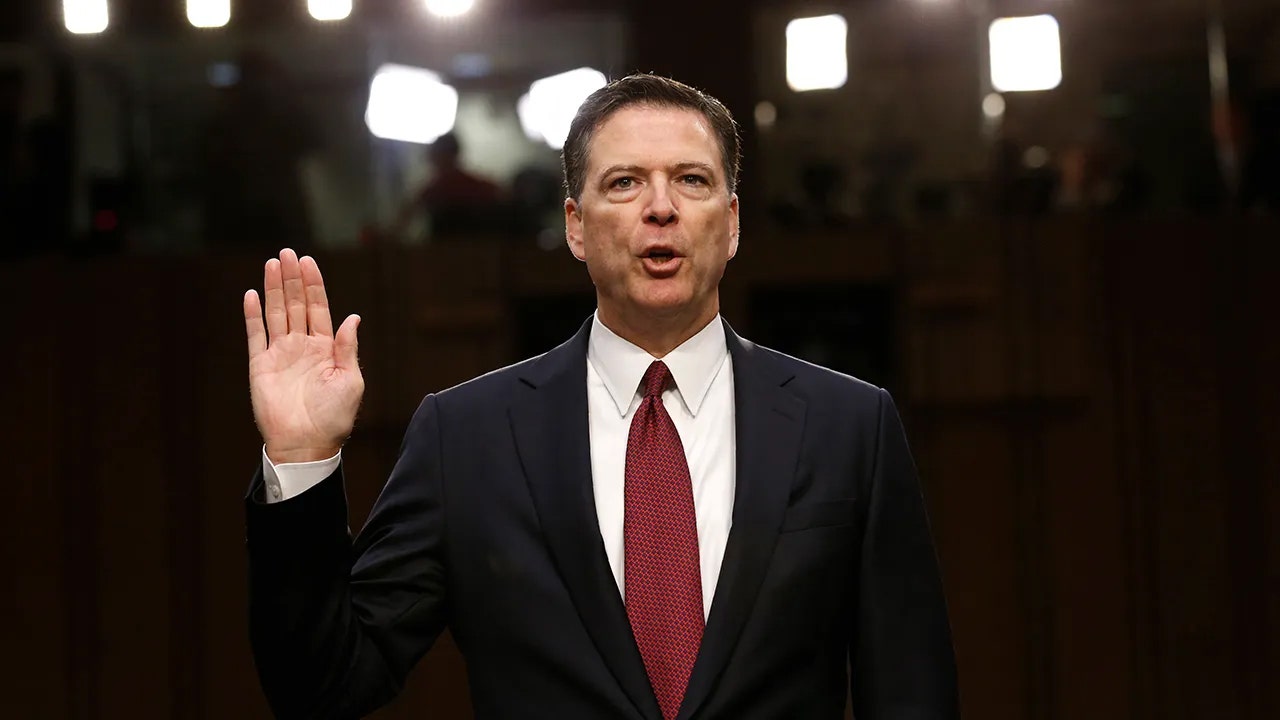
- July 2016: Director Comey holds a press conference announcing the FBI’s recommendation against criminal charges in the Hillary Clinton email investigation while publicly rebuking her use of a private server.
- October 2016: The timeframe specified in the current federal criminal information, during which prosecutors allege Comey communicated national defense information to unauthorized individuals and entered into a conspiracy.
- May 2017: President Donald Trump dismisses James Comey from his post as FBI Director, citing his handling of the Clinton email probe. Shortly thereafter, Robert Mueller is appointed as Special Counsel to oversee the investigation into Russian election interference.
- 2018–2019: Inspector General Michael Horowitz releases a comprehensive report examining the FBI’s handling of the 2016 investigations. While criticizing Comey’s decision-making and adherence to traditional bureau norms, the Inspector General’s office ultimately declines to recommend sweeping criminal charges at that time.
- Subsequent Years: The Department of Justice evaluates various aspects of Comey’s tenure, including memos he drafted detailing his private interactions with President Trump. This period sees multiple institutional reviews regarding leaks, record retention, and executive branch communications.
- Present Day: Federal prosecutors file a two-count criminal information in the U.S. District Court for the District of Columbia, representing the third concerted effort by the Justice Department to bring formal charges against the former director.
Statutory Framework and Legal Implications
The decision to file a criminal information rather than seeking an indictment from a grand jury indicates specific procedural pathways in federal court, often utilized when a defendant has agreed to waive indictment or when prosecutors have finalized their charging documents for immediate filing.
The statutes governing the unauthorized communication of national defense information are designed to protect sensitive state secrets and intelligence sources and methods. Under federal law, willfully transmitting documents, writings, or notes relating to the national defense to persons not entitled to receive them carries severe potential penalties, including significant imprisonment terms and financial fines.
Legal scholars note that prosecuting a former head of the nation’s premier federal law enforcement agency presents unique evidentiary and institutional challenges. Prosecutors must prove beyond a reasonable doubt not only that the information in question met the legal definition of "national defense information" and that it was transmitted to an unauthorized party, but also that the defendant acted willfully with reason to believe the disclosure could harm the United States or aid a foreign nation.
Reactions and Broader Institutional Impact
The announcement of the charges has reverberated across Washington, drawing immediate reactions from legal analysts, former intelligence officials, and political commentators. Because James Comey occupied a pivotal role in the oversight of federal investigations involving high-ranking political figures, any legal action against him is viewed through a lens of intense public and political scrutiny.
Supporters of the prosecution argue that no individual, regardless of their past rank or position within the federal government, is above the law. They contend that the strict enforcement of statutes protecting national defense information is vital to national security and that unauthorized disclosures by high-ranking officials erode public trust in intelligence and law enforcement institutions.
Conversely, critics and legal defense advocates have frequently raised concerns regarding the potential politicization of the justice system. They question the timing and historical context of repeat prosecutions, suggesting that investigations into former public officials can create perceptions of selective enforcement or retaliatory legal actions. Such concerns highlight the delicate balance the Department of Justice must maintain to uphold both the rule of law and public confidence in its institutional independence.
As the case proceeds in the U.S. District Court for the District of Columbia, defense counsel is expected to challenge the sufficiency of the charges, the specific classification and legal status of the information involved, and the underlying motivations of the prosecution. Pretrial motions and initial court appearances will establish the schedule for what promises to be one of the most closely watched federal trials involving a former intelligence chief in modern American history.
Further details regarding the initial court appearance, the specific identity of the unauthorized recipient referenced in the filings, and formal statements from Comey’s legal representatives are expected to emerge as the docket develops.