Federal Court Rulings Expand Second Amendment Protections for Switchblades and Body Armor Ahead of Supreme Court Showdown on AR-15 Bans

A wave of recent judicial decisions across the United States has injected fresh momentum into the ongoing legal battles over the scope of the Second Amendment. Two distinct federal court rulings handed down on a single Wednesday have extended constitutional protections to items previously restricted by state and federal statutes: switchblade knives and personal body armor. These rulings have significantly bolstered the legal standing of gun-rights and self-defense advocacy groups just as the nation’s highest court prepares to hear a landmark case concerning the constitutionality of bans on AR-15-style semi-automatic rifles.
The convergence of these decisions highlights a rapidly shifting legal landscape. For decades, federal and state governments operated under broad authorities to regulate or outright ban specialized self-defense tools, defensive gear, and certain classifications of firearms. However, modern jurisprudence—heavily influenced by pivotal Supreme Court precedents—has increasingly forced the judiciary to reevaluate the boundaries of what constitutes protected "arms" under the Second Amendment. As litigants and defense attorneys test these boundaries, the federal courts are steadily rewriting the criteria by which modern self-defense equipment is judged against historical standards.
Dual Federal Rulings Expand the Definition of Protected Arms
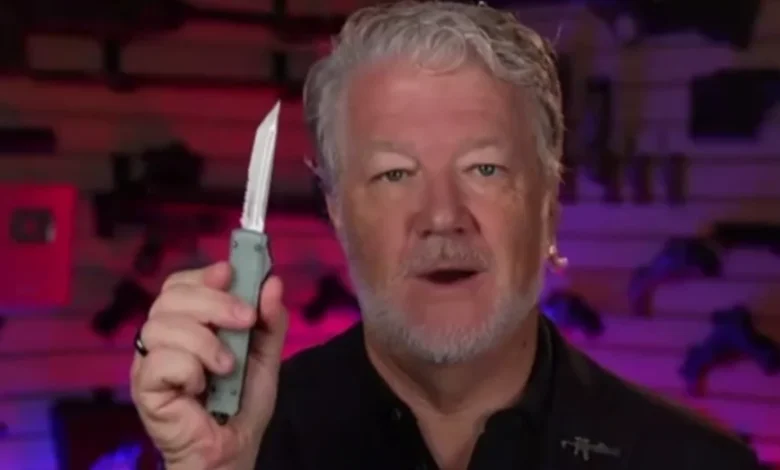
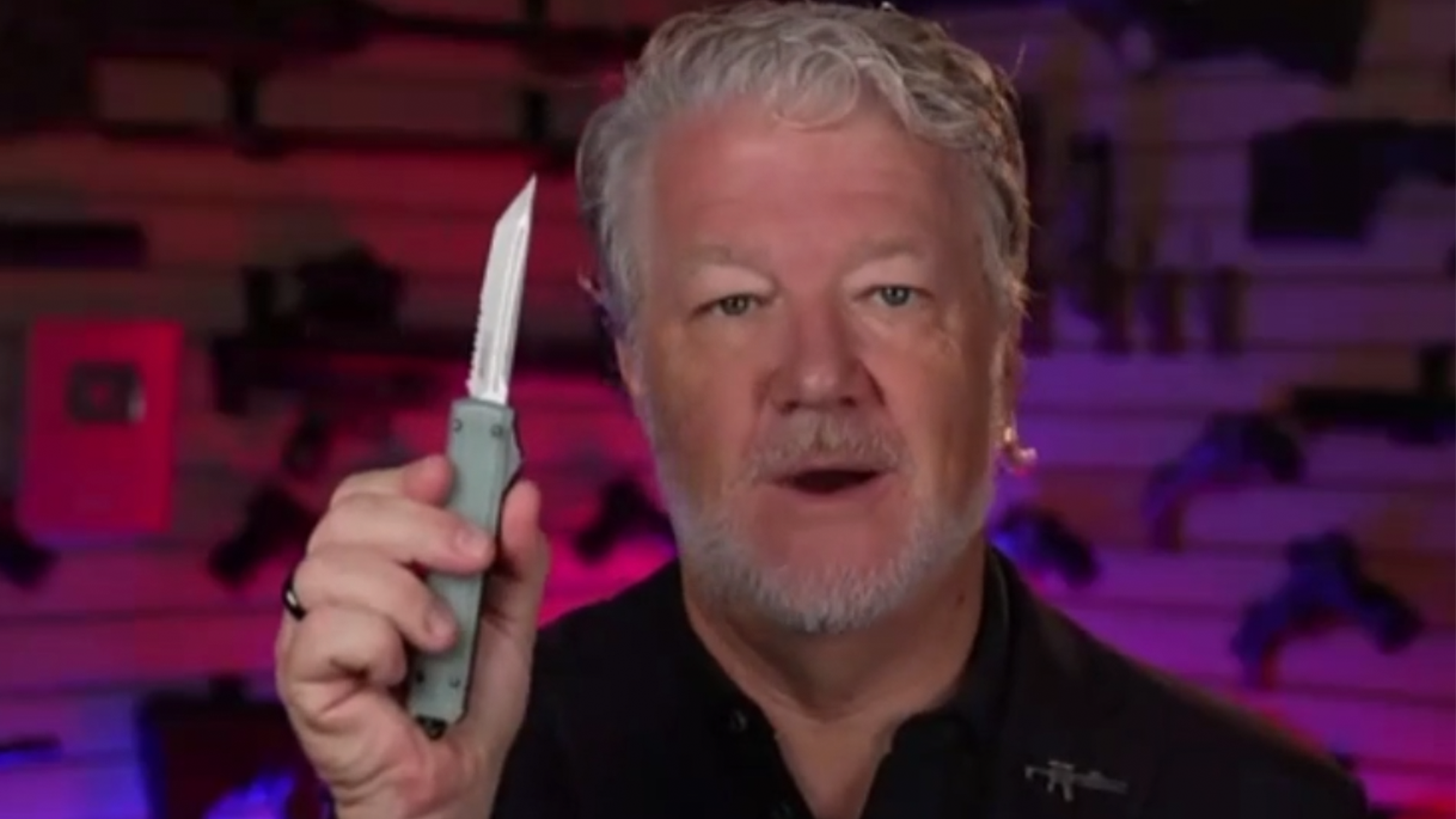
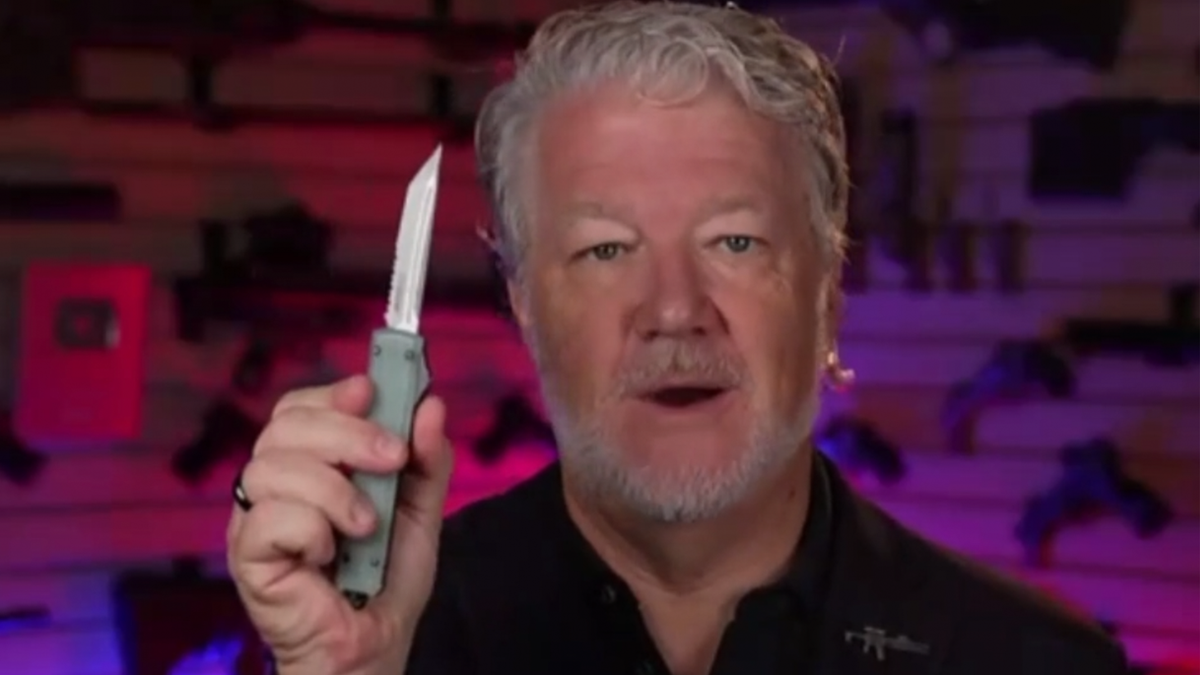
The first of the two recent rulings originated in the Fifth Circuit Court of Appeals, which addressed the constitutionality of the federal Switchblade Knife Act of 1958. The statute had long restricted the interstate commerce, manufacture, and importation of automatic knives. A panel of judges on the Fifth Circuit determined that this statutory restriction infringed upon the Second Amendment rights of citizens, establishing that switchblades qualify as commonly used "arms" meant for lawful defensive and utility purposes. The court noted that the federal government failed to demonstrate that the ban aligned with the historical tradition of American weapons regulation.
Simultaneously, a federal judge in the Western District of New York struck down the state’s stringent restrictions on the civilian purchase, possession, and sale of personal body armor. New York authorities had argued that body armor functioned merely as a passive defensive accessory rather than an offensive or defensive "arm" protected by the Constitution. The district court squarely rejected this defense, ruling that protective gear falls within the historical and functional definition of arms recognized by the Supreme Court. Because the state could not establish a robust historical analogue for civilian body armor bans dating back to the founding era, the restriction was dismantled.
Legal analysts point out that both rulings follow a methodological blueprint established by recent Supreme Court decisions, forcing federal and state regulators to justify modern safety laws through the narrow lens of historical tradition rather than contemporary public policy goals.
The Historical Framework: Heller, Bruen, and the Original Intent
To understand the trajectory of these recent cases, legal scholars look back at two foundational Supreme Court rulings that fundamentally altered American firearms jurisprudence: District of Columbia v. Heller (2008) and New York State Rifle & Pistol Association v. Bruen (2022).
In Heller, the Supreme Court definitively established that the Second Amendment protects an individual’s right to possess firearms unconnected to service in a militia, particularly for traditionally lawful purposes such as self-defense within the home. Crucially, the Heller majority opinion noted that the term "arms" extends to all instruments that constitute bearable arms, even those that were not in existence at the time of the founding, provided they are in common use for lawful purposes today. However, Heller also carved out exceptions, acknowledging a longstanding historical tradition of prohibiting "dangerous and unusual weapons."
Fourteen years later, the Supreme Court raised the bar for gun-control legislation in Bruen. The Bruen decision discarded the intermediate and strict scrutiny balancing tests previously favored by lower federal courts, replacing them with a strict text-and-history standard. Under this framework, if a challenged law regulates conduct or items falling within the plain text of the Second Amendment, the burden shifts entirely to the government. To uphold the law, the state must prove that the regulation is consistent with the nation’s historical tradition of firearm regulation, relying on historical analogues from the 18th and 19th centuries.
The recent Fifth Circuit switchblade ruling and the New York body armor decision represent direct applications of this two-step Bruen methodology. In both instances, the courts determined that the items in question fell under the textual definition of "arms," and the defending governments failed to produce sufficient historical analogues to justify their bans.
Upcoming Supreme Court Showdown: Viramontes v. Cook County
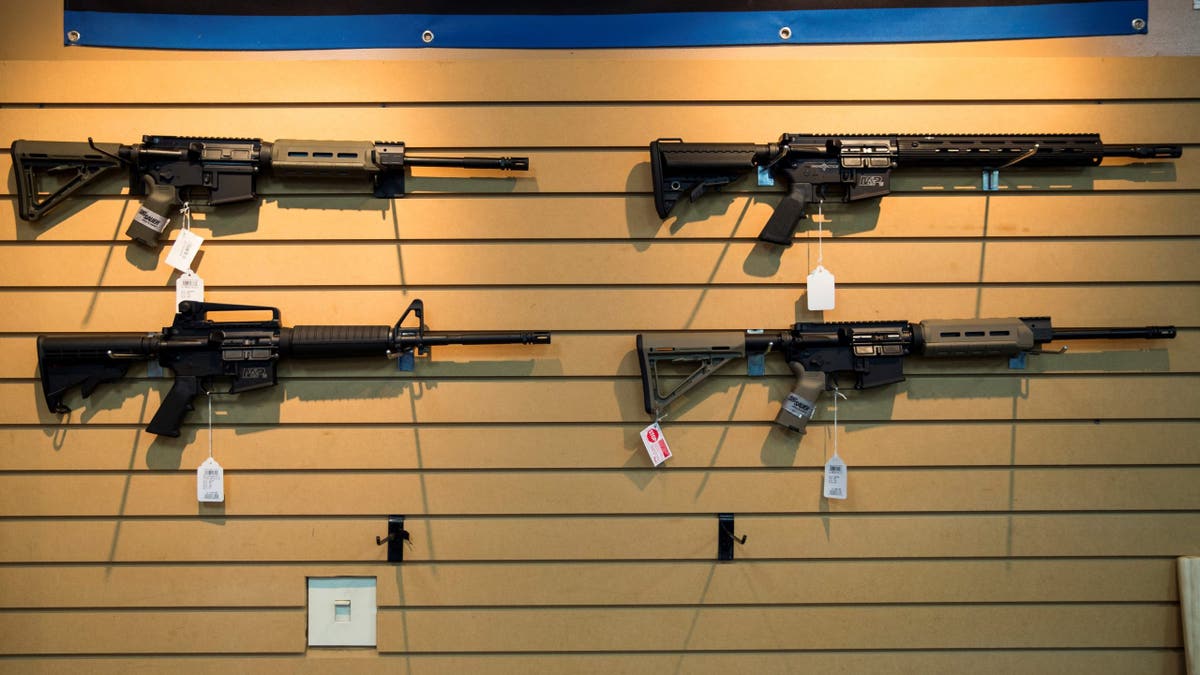
The implications of these lower court rulings extend far beyond knives and tactical vests. They serve as a crucial precursor to an upcoming Supreme Court showdown in Viramontes v. Cook County, a high-stakes case that will determine whether AR-15-style semi-automatic rifles enjoy constitutional protection.
The litigation centers on an assault-weapons ban enacted in Cook County, Illinois. When the case wound its way through the lower appellate courts, the Seventh Circuit Court of Appeals upheld the county’s ban. The Seventh Circuit panel reasoned that AR-15-style rifles share characteristics with military-grade machine guns and are therefore exceptionally dangerous and unusual weapons that fall outside the protective scope of the Second Amendment.
Gun-rights advocates have sharply criticized the Seventh Circuit’s logic, arguing that comparing a semi-automatic civilian rifle to a fully automatic military weapon is legally flawed and factually inaccurate. George Lyon, a prominent Second Amendment attorney, emphasized that the upcoming Supreme Court review in Viramontes will directly address this classification dispute.
"The current case at the Supreme Court, Viramontes, will address that because the Seventh Circuit had taken the position that because AR-15s are ‘like machine guns,’ they don’t constitute an arm as defined under Heller," Lyon noted. "That was just totally wrong in my view."
A ruling by the Supreme Court invalidating AR-15 bans could create a domino effect across the judicial system, invalidating similar bans in multiple states and setting a definitive precedent regarding which semi-automatic firearms qualify as weapons in "common use" by law-abiding citizens.
Industry and Advocacy Reactions
National advocacy organizations have seized upon the twin victories regarding switchblades and body armor as validation of their long-term legal strategies. Dudley Brown, president of the National Association for Gun Rights—an organization that filed an amicus brief in the Viramontes litigation—expressed optimism that the legal momentum will soon reach other heavily regulated categories of self-defense equipment.
"The interesting thing about both of these cases is that they’re both going to be really decided by the U.S. Supreme Court in the Viramontes decision," Brown stated, highlighting how foundational high court rulings filter down to reshape localized restrictions. Brown added that a favorable Supreme Court verdict on AR-15s could pave the way for successful challenges against federal and state restrictions on high-capacity ammunition magazines, automatic knives, tactical body armor, and suppressors.
Similarly, the National Rifle Association (NRA) has underscored that the current wave of litigation represents a fundamental debate over the definition of modern arms. Justin Davis, director of public affairs for the NRA, pointed out that opponents of gun rights frequently attempt to limit the Second Amendment by arguing that the Founding Fathers could not have anticipated modern technological advancements.
"There’s a major discussion going on in the courts about what is and what aren’t arms," Davis said, pointing to ongoing legal challenges involving firearm suppressors, stun guns, and pepper spray. Addressing the historical argument often raised by gun-control advocates, Davis drew a parallel to other constitutional liberties. "They talk about how the Second Amendment only applied to muskets because that’s what existed at the time of the Founders, but we don’t apply the First Amendment only to newspapers, books or speech in public forums. Social media, texting and phones didn’t exist at that time, either. The world evolves, but the core fundamental rights never change."
Broader Legal and Policy Implications
As the legal community awaits oral arguments and a final decision in Viramontes, the broader implications of these cascading court rulings are coming into sharp focus. Constitutional scholars note that the judiciary is increasingly skeptical of inventive government arguments designed to reclassify common defensive tools as unprotected contraband.
For federal agencies, state legislatures, and municipal governments, the erosion of these regulatory authorities signals a fundamental shift in how public safety laws must be drafted. State attorneys general defending restrictions on semi-automatic rifles, specialized knives, and tactical gear can no longer rely solely on contemporary concerns regarding public safety or mass casualty prevention. Instead, they must comb through centuries-old historical archives to find precise historical twins for modern regulatory schemes—a task that legal historians describe as exceptionally difficult.
Conversely, public safety advocates and gun-control organizations caution that dismantling regulations on tactical equipment, rapid-fire rifles, and easily concealed weapons could compromise law enforcement operations and increase public danger. They argue that the Framers could not have foreseen the lethality and rapid deployment capabilities of modern weaponry, and that freezing Second Amendment jurisprudence in 18th-century legal traditions deprives elected officials of the flexibility needed to address contemporary violence.
Despite these warnings, the judicial trend over the past several years has clearly favored expanded individual rights under the Second Amendment. With the Supreme Court poised to weigh in directly on the status of AR-15-style firearms, the legal battles over switchblades and body armor serve as a clear indicator that the boundaries of American self-defense rights are undergoing their most consequential transformation in decades.