The debate over resource management in the Grand Canyon State took an unexpected and politically volatile turn as Arizona Senate President Warren Petersen and state Attorney General Kris Mayes locked horns in the final stretch leading up to the midterm elections. What began as a complex discussion surrounding water conservation, sustainable growth, and the future of the Colorado River rapidly transformed into a fierce partisan flashpoint centered on a uniquely local American pastime: golf.
The controversy erupted following an interview between Attorney General Mayes and media outlet Politico, during which she addressed the growing proliferation of water-intensive industries and infrastructure projects in the arid desert climate, including massive data centers and traditional landscaping practices. While discussing the critical need to preserve dwindling municipal and agricultural water reserves, Mayes pointedly remarked on the prevalence of turf and recreational facilities across the state. Her candid assessment—suggesting that Arizona possesses "too much grass" and too many golf courses—instantly caught the attention of political opponents, business leaders, and sports enthusiasts alike.
As the remarks circulated widely across social media platforms and traditional news outlets, they provided an immediate opening for Republican challengers. Senate President Warren Petersen seized upon the comments to cast the incumbent Democratic attorney general as out of touch with the economic realities of the state and overly eager to implement heavy-handed government regulations on thriving private enterprises. With early voting underway and Election Day fast approaching, the friction between the state’s top legislative leader and its top law enforcement official has magnified broader ideological divisions over economic freedom, property rights, and environmental stewardship in the American Southwest.
The Genesis of the Controversy: Water Security and Economic Realities
To understand the intensity of the current backlash, experts note that water conservation has long been a paramount concern for Arizona policymakers. As one of the fastest-growing states in the nation, Arizona faces immense pressure to balance residential development, agricultural demands, and commercial expansion against the backdrop of a historically strained Colorado River basin. Extended periods of drought, coupled with mandatory federal cutbacks to water allocations, have forced state and local leaders to scrutinize every sector of water consumption.
During her discussion with Politico, Mayes attempted to frame her policy positions within this high-stakes context. She argued that state officials must adopt more aggressive measures to safeguard local water supplies against external pressures, pointing to neighboring states and potential legal battles over regional water rights. In advocating for a proactive approach to conservation, Mayes highlighted the potential benefits of incentivizing the removal of thirsty lawns and implementing advanced water-catchment systems.
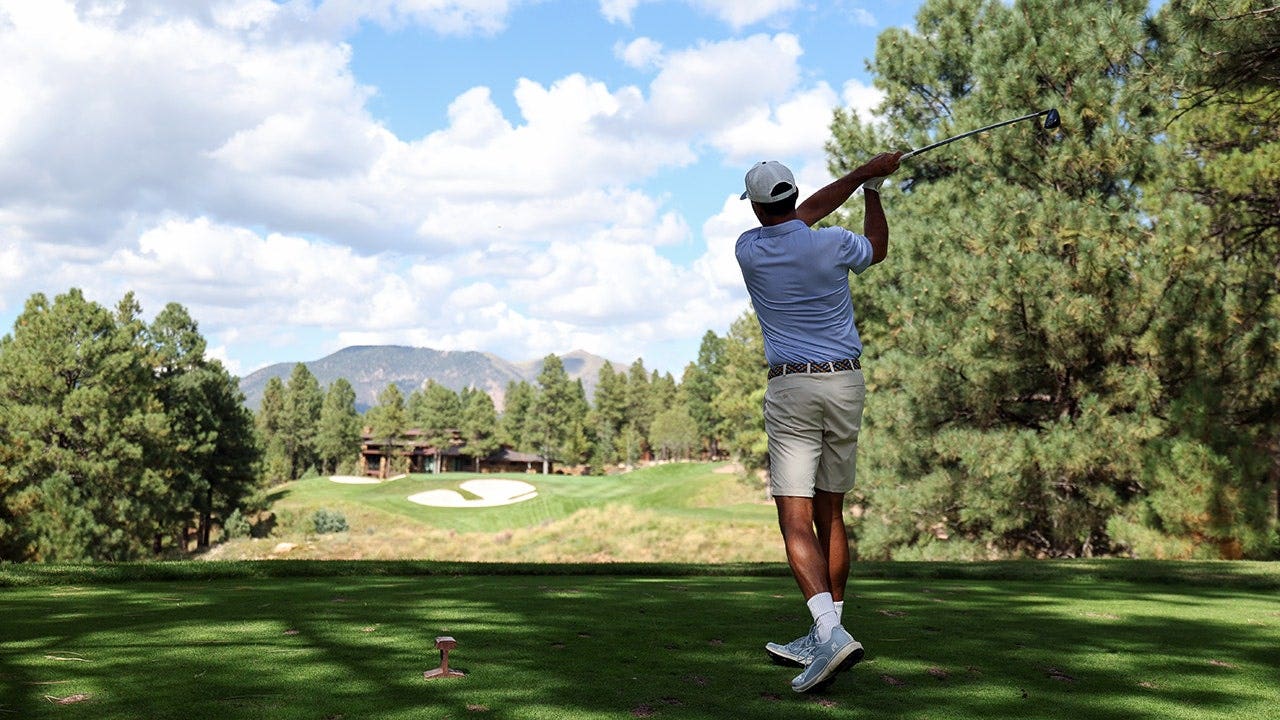
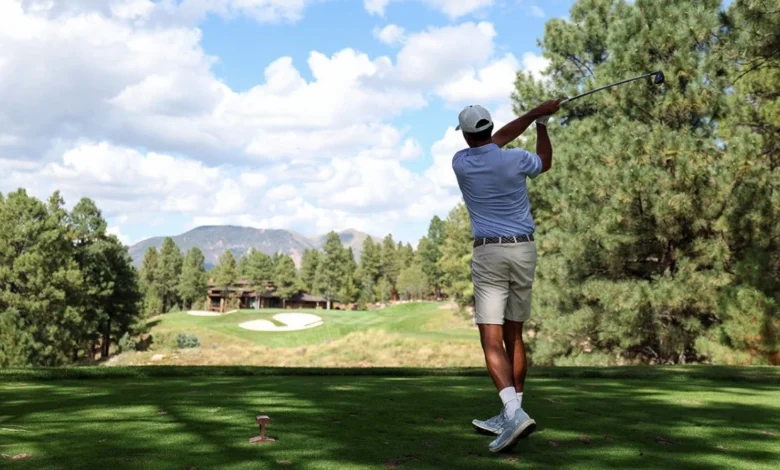
However, it was her direct mention of the state’s recreational landscape that shifted the public discourse away from complex bureaucratic challenges and toward a tangible cultural symbol. "We have way, way too much grass in Arizona. We probably, frankly—and I’m sure the golf industry is not going to like this when I say this—we probably have too many golf courses in Arizona right now," Mayes stated. While intended as an illustration of systemic water usage patterns, the comments were interpreted by critics as a direct threat to a foundational pillar of the state’s lifestyle and tourism-driven economy.
Swift Political Backlash and Bipartisan Condemnation
The fallout from the interview was swift and multifaceted. Republican leaders across Arizona immediately mobilized to condemn the attorney general’s remarks, framing them as evidence of an anti-business agenda.
Senate President Warren Petersen, representing Maricopa County, led the legislative counteroffensive. In statements to digital media, Petersen did not mince words regarding his opponent’s perspective. "Kris Mayes thinks Arizona has too many golf courses. I think Arizona has too many radical politicians who believe government should dictate which industries get to thrive," Petersen asserted. He emphasized that the state’s numerous golf courses are not merely recreational facilities, but vital economic engines that support family-wage jobs, hospitality, tourism, and community development.
The sentiment was echoed by federal and state lawmakers from the conservative wing. U.S. Representative Eli Crane injected humor and sharper rhetoric into the debate, quipping on social media that Arizona did not face a recreational shortfall, but rather a political one. Meanwhile, Petersen took to social media to summarize his campaign pledge directly opposing the attorney general’s platform, writing, "Kris Mayes is promising to get rid of golf courses. I promise to get rid of Kris Mayes."
Other public figures and commentators joined the fray, expressing disbelief at the notion that a desert state could or should attempt to engineer away its green spaces. Executive voices from corporate and advocacy spheres pointed out practical consumer concerns, noting that demand for golf tee times remains exceptionally high while post-pandemic pricing structures have already placed a financial premium on the sport. Satirical golf media outlets and everyday enthusiasts alike weighed in, characterizing the remarks as a severe political miscalculation that alienated a broad cross-section of voters who enjoy or rely upon the industry.
Economic Impact and the Water Usage Debate
Amid the political posturing, business and industry groups rushed to provide empirical context regarding the actual footprint of the golf industry within Arizona’s economy and its precise share of the state’s water consumption.

According to data compiled by the Arizona Chamber of Commerce and corroborated by comprehensive studies from organizations such as the Arizona Alliance for Golf, the state’s golf sector is far from a marginal luxury; it is a major economic anchor. Industry statistics highlight the following economic milestones:
- Total Economic Output: The golf industry contributes an estimated $6 billion annually to the state’s economy.
- Employment: The sector supports approximately 66,000 jobs across hospitality, maintenance, hospitality, and retail.
- Wages: It generates roughly $2.3 billion in direct wages for Arizona workers.
- Tax Contributions: The industry yields approximately $520 million in state and local tax revenues.
Crucially, industry representatives addressed the core environmental concern underlying the political debate: water consumption. According to data cited by the Chamber of Commerce and independent agricultural studies, golf courses collectively account for 2% or less of Arizona’s total annual water resources. Furthermore, a vast majority of modern golf courses in the region utilize reclaimed or recycled wastewater rather than drawing directly from precious potable municipal supplies or depleting vulnerable subterranean aquifers at the rate alleged by critics of high-density desert development.
Business advocates argued that targeting a highly regulated, low-percentage water user like the golf industry distracts from larger structural challenges, such as the rapid proliferation of massive industrial data centers and agricultural practices involving water-intensive crops destined for export markets.
Damage Control and the Attorney General’s Clarification
As the controversy threatened to dominate the closing days of her campaign, Attorney General Mayes launched an effort to clarify her intent and push back against what she termed mischaracterizations of her record and platform.
Taking to social media platform X, Mayes urged voters to remain calm, explicitly stating that no government entity was planning to shutter operational golf facilities. "Relax, nobody’s closing golf courses," she wrote. She explained that her remarks were designed to stimulate a broader, forward-looking conversation about statewide conservation incentives—such as tax credits encouraging residents and commercial properties to swap thirsty grass for native desert landscaping and to expand rainwater harvesting infrastructure.
Mayes maintained that her long-term vision focuses on addressing major systemic drains on the state’s water table, specifically calling out foreign-owned mega-farms and unchecked data center developments rather than recreational facilities. In subsequent statements, she accused Senate President Petersen and other Republican opponents of manufacturing a false narrative and blowing her advisory comments out of proportion for electoral gain.
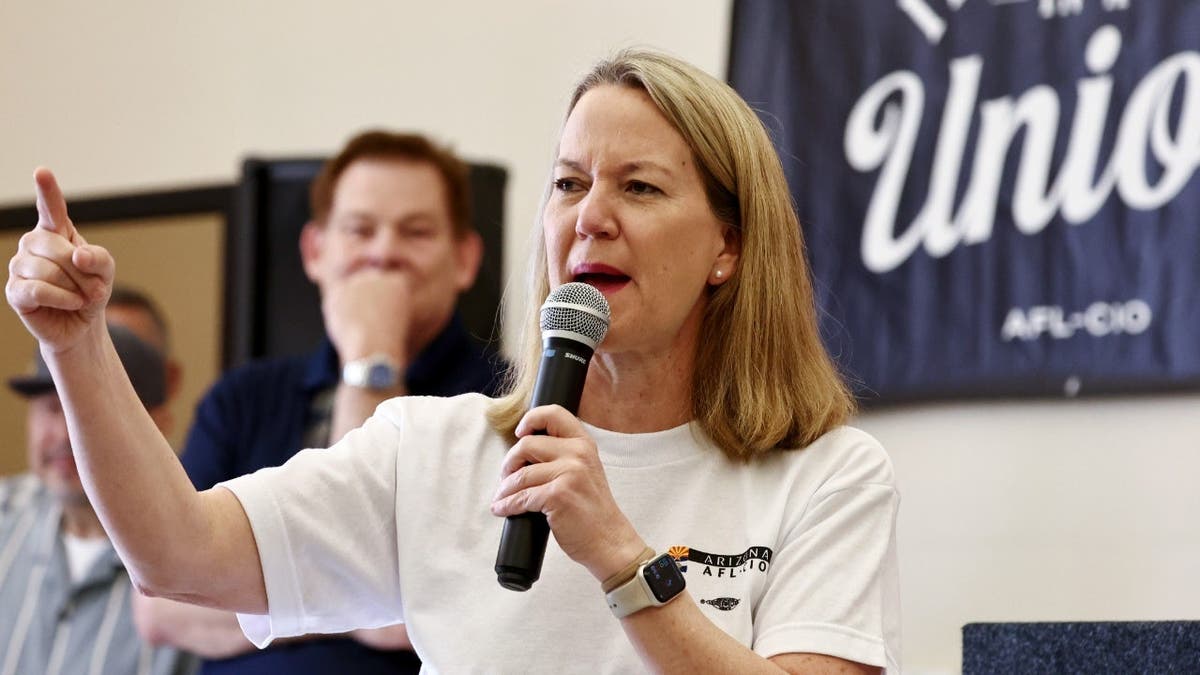
Despite these efforts at damage control, the attorney general’s clarifications met with mixed reactions. While supporters acknowledged the necessity of serious water management strategies in an era of climate uncertainty, conservative critics and independent observers characterized her defensive pivot as an unconvincing backtrack from a clearly stated policy preference, further fueling the partisan debate over the boundaries of state authority.
Broader Implications for the Midterm Elections
As voters prepare to cast their ballots, political analysts view the "golf course controversy" as a microcosm of the larger ideological battles playing out across key western swing states. The clash highlights the inherent tension between environmental regulation and economic preservation in regions uniquely vulnerable to climate change and resource scarcity.
For Senate President Petersen and the Republican legislative caucus, the dispute offers a strategic vehicle to energize conservative and independent voters by framing the election as a referendum on overregulation and government intrusion into daily life. By tying water policy discussions directly to a beloved cultural and economic institution, the campaign has successfully mobilized business leaders, labor participants, and recreational communities who might otherwise remain disengaged from down-ballot races.
Conversely, Attorney General Mayes and her supporters are banking on the reality that long-term water security remains a top-tier anxiety for a vast majority of Arizonans, regardless of political affiliation. By keeping the focus on structural threats to the Colorado River and advocating for comprehensive, proactive resource planning, the incumbent hopes to appeal to environmentally conscious voters who prioritize sustainable development over short-term commercial convenience.
Ultimately, whether this localized dispute over fairways and turf grass will serve as the decisive factor in determining Arizona’s top law enforcement office remains to be seen. However, the intense reaction to the debate underscores the delicate balance state leaders must strike as they attempt to secure a sustainable future for a desert population without alienating the economic foundations upon which the modern Southwest has been built.