Fox News Investigation Uncovers Perilous El Paso Storm Drain System Exploited by Cartels for High-Stakes Human Smuggling

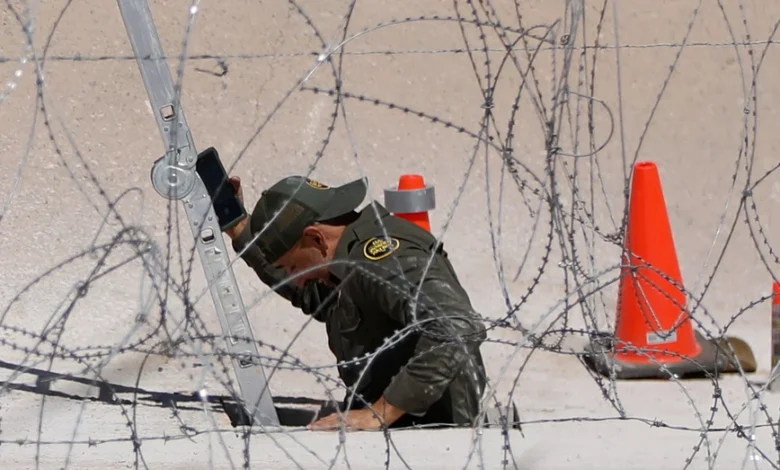
A recent Fox News investigation has brought to light a clandestine and highly dangerous network beneath El Paso, Texas: the city’s extensive storm drain system, which has been repurposed and exploited by ruthless criminal cartels to smuggle migrants from Mexico into the United States. Led by correspondent Brooke Taylor, the exposé revealed the harrowing conditions within these subterranean passages—hot, dark, and extremely confined tunnels that present grave risks to those attempting passage and the law enforcement officers tasked with intercepting them. The investigation further revealed a significant increase in the fees charged by smugglers, with desperate migrants now paying an exorbitant premium of $20,000 to $30,000 per person for passage through these treacherous routes.
The Underground Frontier of Illegal Crossings
Despite intensified border security measures and policies implemented under various administrations, particularly the "tight clamp" during former President Donald Trump’s tenure, cartels have continuously adapted their tactics. Their latest evolution involves leveraging El Paso’s existing infrastructure, transforming the city’s vast network of storm drain tunnels into a covert conduit for human and narcotics trafficking. This sophisticated exploitation of urban infrastructure underscores the persistent and evolving challenge faced by U.S. border enforcement agencies.
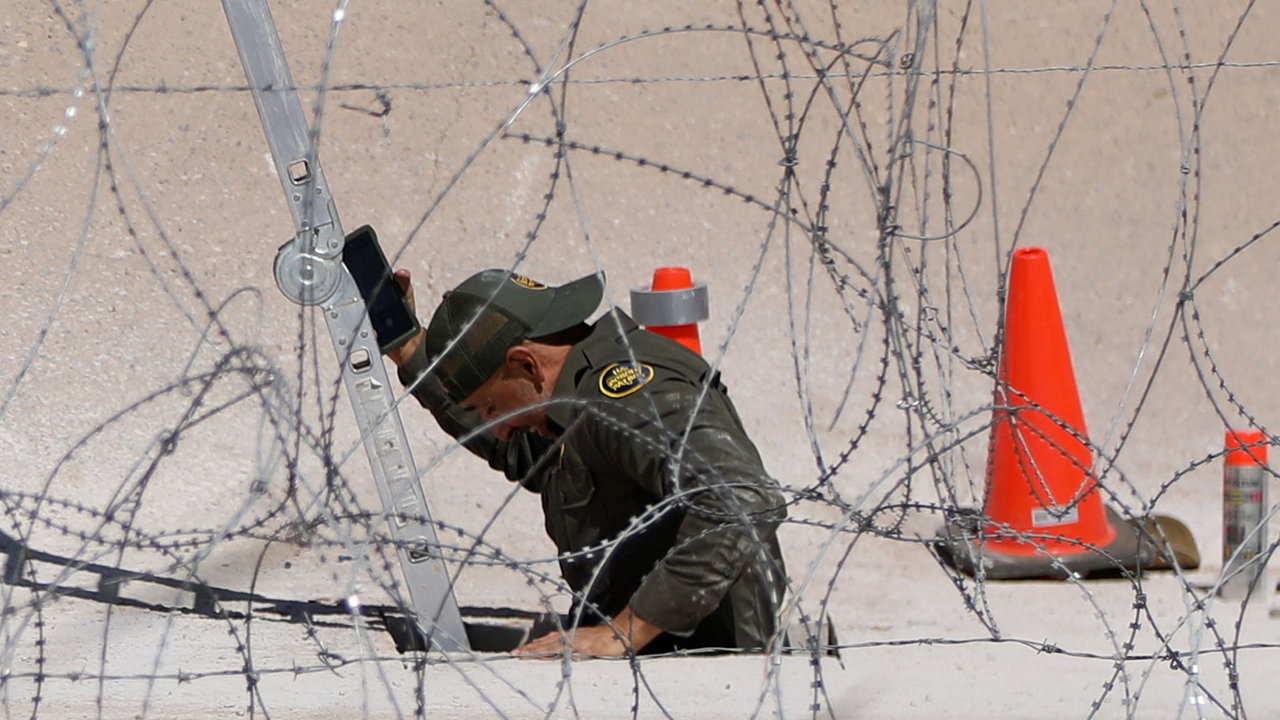
U.S. Customs and Border Protection (CBP) granted Fox News an exclusive, unprecedented look inside these narrow, sprawling tunnels. The agency’s elite Confined Space Entry Team, specifically trained for such perilous environments, guided the crew through sections of this underground labyrinth. These tunnels, stretching for miles beneath the U.S.-Mexico border, connect directly to the Rio Grande, serving as a gateway for illegal entry. CBP officials report approximately 32 known entry points from the Rio Grande into these drains, with hundreds of potential exit points scattered throughout the city of El Paso. This complex and extensive network presents an immense challenge for law enforcement, likened by one team member to a perpetual game of "whack-a-mole," where smugglers can emerge from any number of storm drains at unpredictable locations.
Perilous Passages: The Human Cost
The conditions within these subterranean passages are nothing short of life-threatening. The tunnels are characterized by intense heat, often exceeding 100 degrees Fahrenheit during El Paso’s scorching summers, combined with thick, low-oxygen air. The darkness is absolute, and the confined spaces offer little room for movement, exacerbating the physical and psychological toll on migrants. For the individuals being smuggled, many of whom have already endured arduous journeys to reach the border, these tunnels represent a final, desperate gamble, often undertaken without full awareness of the extreme dangers involved. Beyond the environmental hazards, migrants face the constant threat of cartel brutality, abandonment, and the risk of injury or death from structural collapse or flash flooding, which can occur rapidly during seasonal rains.
The exorbitant fees—ranging from $20,000 to $30,000 per person—highlight the immense profitability of this illicit enterprise for cartels. This steep price reflects not only the inherent risks but also the perceived value of an "undetectable" route into the U.S. While the financial burden is crippling for most migrants and their families, the desperation to reach American soil often overshadows the cost and danger, making them vulnerable prey for these criminal organizations. This escalating cost points to a broader trend in human smuggling, where increased border security on the surface pushes cartels to invest in more elaborate and costly, yet often more dangerous, methods.
CBP’s Specialized Response and Operational Challenges
To combat this evolving threat, U.S. Customs and Border Protection relies on highly specialized units like the Confined Space Entry Team. These agents undergo rigorous training specifically designed for operating in hazardous underground environments. Their training covers a range of critical skills, including monitoring oxygen levels, navigating complex and disorienting tunnel systems, and engaging in potential confrontations in severely restricted spaces. The physical and mental demands on these agents are immense. As one team member articulated, the combination of extreme heat, low oxygen, and prolonged exposure often leaves agents exhausted even before they encounter a smuggler. The added pressure of a potential physical altercation in such an isolated environment, where "You can’t call for backup; you can’t call for help. It’s just you and your team versus everybody else," underscores the unique dangers they face.
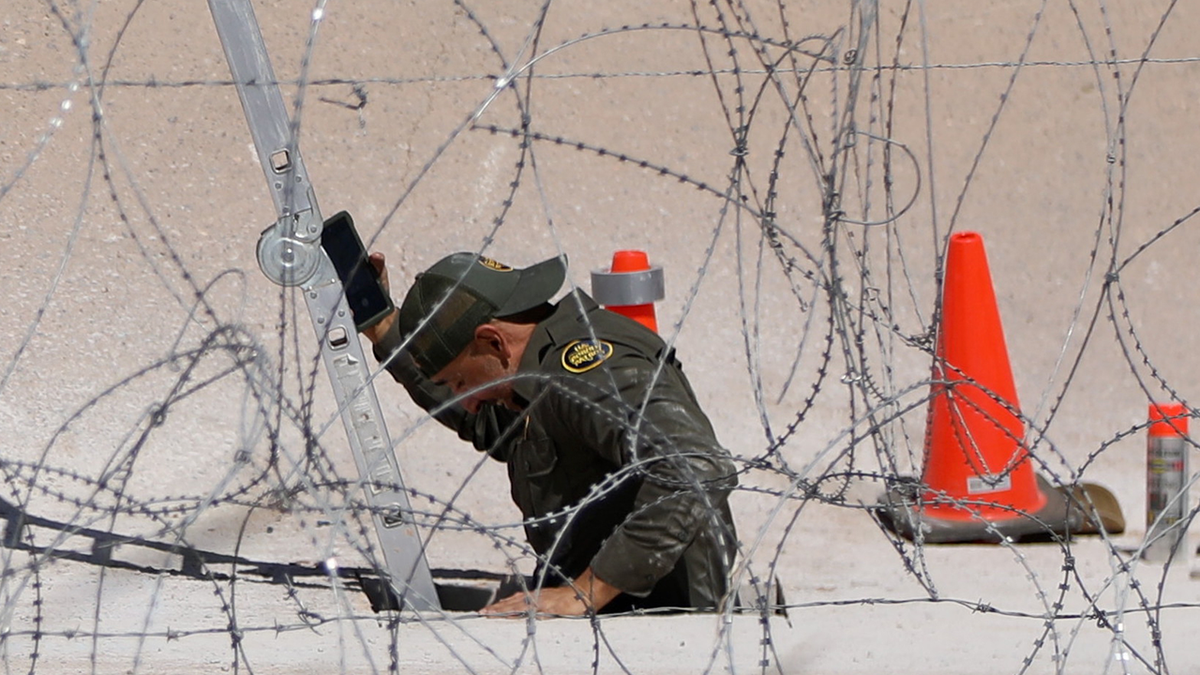
CBP employs a combination of advanced technology and strategic positioning to detect and intercept smugglers. While the underground nature of these routes makes traditional detection methods challenging, agents utilize sophisticated sensors, thermal imaging, and other surveillance technologies to monitor entry points and detect movement beneath the surface. Teams are strategically positioned to intercept groups upon their emergence, but the sheer number of potential exit points makes complete interdiction an ongoing logistical puzzle. The agency’s efforts extend beyond mere detection; they also involve systematically sealing discovered tunnels to prevent future use, as evidenced by recent operations near El Paso and Ciudad Juárez. These sealing operations are a continuous process, with Mexican authorities often collaborating on their side of the border to dismantle these illicit pathways.
Policy Impact and Shifting Smuggling Dynamics
The Fox News report notes a significant shift in smuggling patterns through these tunnels, attributed to the border policies of the Trump administration. According to CBP team members, the number of migrants detected in the tunnels had "dropped dramatically" under Trump, moving from regular groups of 40 to 60 individuals to typically encountering only two or three at a time. This reduction, if accurate and sustained, suggests that increased enforcement and deterrence measures at the surface level may have initially made these underground routes less viable for large-scale operations, forcing cartels to adapt to smaller, more covert movements or seek alternative methods.
This assertion aligns with broader claims made by the Department of Homeland Security (DHS) regarding border security. DHS recently announced that June marked 14 consecutive months of "zero releases" at the border, a term generally implying that apprehended individuals were either immediately deported or held in detention, rather than released into the U.S. interior. The department further touted this as an "unprecedented trend of historically low border crossings." Additionally, DHS reported that daily apprehensions at the border were down 94 percent from levels observed during the Biden administration. These figures, as reported by DHS, indicate a significant reduction in overall border encounters, suggesting a potential correlation between stringent policies and decreased illegal entries. It is important to note that various factors can influence migration patterns, including economic conditions in sending countries, political stability, and seasonal variations, but enforcement policies undeniably play a crucial role.
In parallel with these policy shifts, CBP has also focused on bolstering its operational capacity. The agency announced this spring that it had broken staffing records, reaching 21,471 agents. This increased manpower signifies a concerted effort to enhance border security and enforcement capabilities across all facets of border management, including the challenging underground domain.
The Evolving Cartel Business Model and Broader Implications
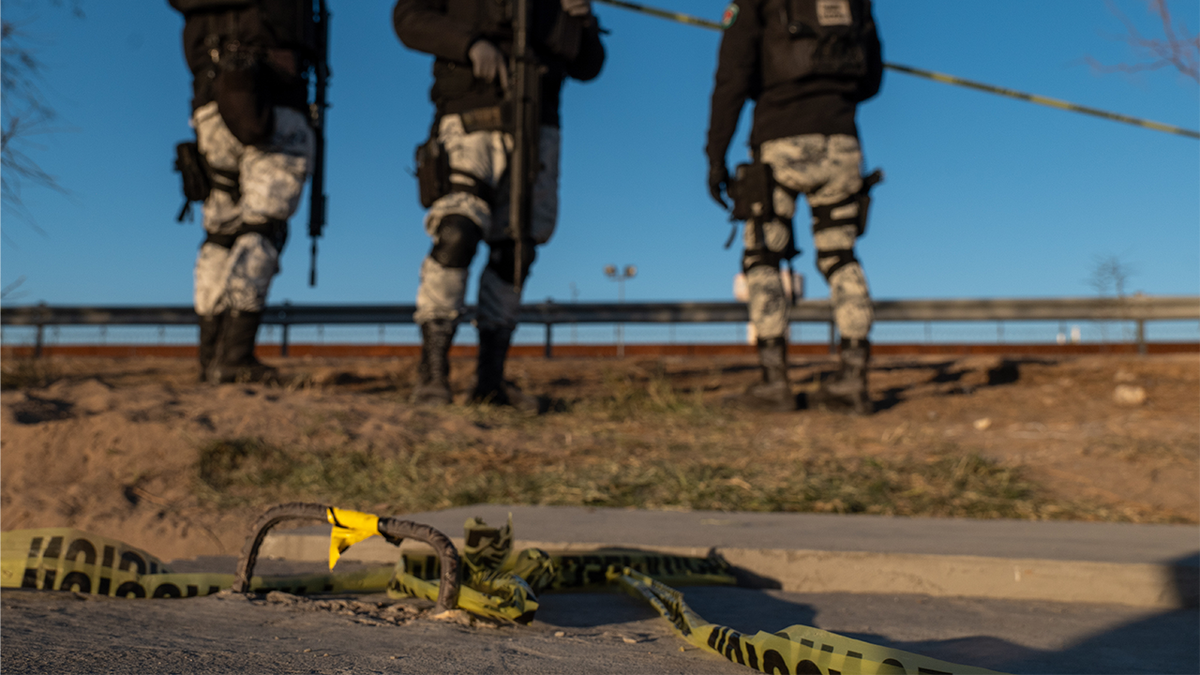
The criminal organizations behind these smuggling operations are highly adaptable and financially motivated. The report indicates that cartels are increasingly utilizing social media platforms not only to advertise their services but also to recruit and train individuals as guides for navigating the hazardous tunnel systems. This digital recruitment strategy reflects a modern approach to managing their illicit enterprise, reaching a broader pool of potential operatives and streamlining their logistics. The significant fees charged underscore the immense profitability of human trafficking, which often runs in parallel with drug trafficking. For cartels, exploiting these drain systems represents a low-risk, high-reward venture, given the inherent difficulty of detection and interdiction by border authorities.
The continued use of such dangerous methods carries profound humanitarian and national security implications. On the humanitarian front, the exploitation of vulnerable migrants in life-threatening conditions is a stark reminder of the ethical challenges at the border. The potential for injury, death, and psychological trauma for those coerced or desperate enough to use these tunnels is immense. From a national security perspective, uncontrolled underground pathways pose risks beyond human smuggling. They could potentially be exploited for the illicit movement of drugs, weapons, or even individuals with malicious intent, bypassing traditional border checkpoints and screening processes.
The "whack-a-mole" challenge described by CBP agents highlights the perpetual cat-and-mouse game between law enforcement and criminal organizations. As one route is discovered and sealed, cartels seek or create another, pushing the boundaries of ingenuity and risk. This dynamic necessitates continuous adaptation from border security agencies, requiring ongoing investment in technology, intelligence gathering, and specialized training for personnel. The El Paso storm drain system serves as a powerful testament to the ingenuity and ruthlessness of cartels, as well as the unwavering dedication of border agents who brave these perilous environments to uphold national security and address the humanitarian crisis at the border. The ongoing struggle demands a multi-faceted approach, combining robust enforcement with international cooperation and addressing the complex root causes of migration, to ultimately mitigate the dangers posed by these clandestine operations.