Trump Cites Heavy Casualties in Russia-Ukraine War, Details Peace Push and Patriot Missile Policy Shift

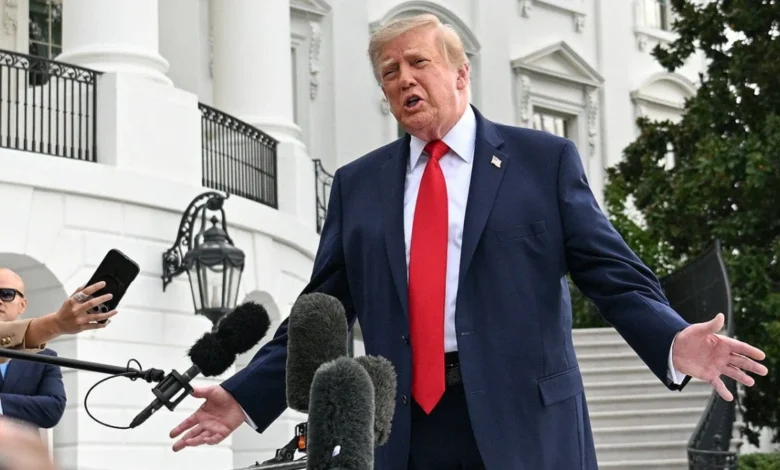
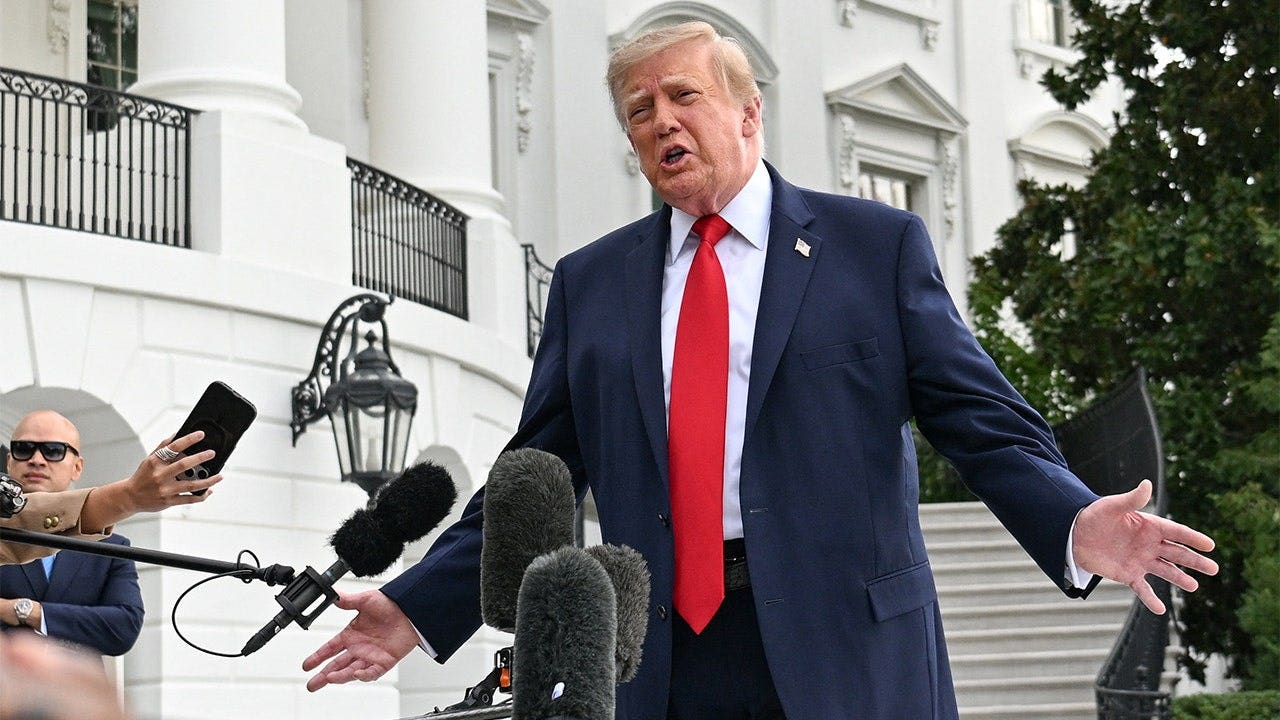
WASHINGTON — President Donald Trump highlighted the devastating human cost of the ongoing conflict between Ukraine and Russia during remarks on the White House lawn, pointing to mounting casualty figures while detailing his administration’s high-stakes diplomatic efforts to broker an end to the hostilities.
Speaking to reporters, the president underscored the severity of the violence gripping Eastern Europe, citing recent casualty estimates that reflect the brutal nature of the war of attrition. The statements arrive amid a flurry of diplomatic maneuvers by U.S. envoys and shifting defense policies designed to strengthen Ukraine’s long-term security while simultaneously pressing both Kyiv and Moscow toward a negotiated settlement before the onset of harsh winter weather.
The human toll of the protracted conflict continues to mount at an alarming rate. According to President Trump, recent months have seen tens of thousands of casualties. Addressing reporters, he noted that approximately 25,000 individuals lost their lives in the conflict zone the previous month, following an estimated 32,000 deaths the month prior.
"Last month, 25,000 people died in the Ukraine-Russia war, okay? 25,000," Trump told reporters on the South Lawn. "The month before that, 32,000 people died — mostly soldiers, 97% soldiers. But whether they’re soldiers or civilians, think of it: 32,000. Two months ago, 33,000 people; this month, 25,000 people died. What a shame."
The staggering figures align with independent assessments tracking the vast scale of human destruction since the full-scale Russian invasion began in February 2022. Analysts and research organizations, including the Center for Strategic and International Studies (CSIS), have documented immense resource and personnel depletion on both sides. CSIS data indicates that Russia alone has suffered as many as 450,000 military casualties since the onset of the war, reflecting a relentless strategy of attrition that has drained both nations’ demographics and military arsenals.
Diplomatic Push for a Negotiated Settlement
Against the backdrop of rising casualties, the Trump administration has intensified its diplomatic engagement with key capitals in a concerted push to secure a peace agreement. Trump revealed that he has maintained regular communication with Ukrainian President Volodymyr Zelenskyy, as well as engaging Russian leadership, expressing optimism that a diplomatic off-ramp could be achieved in the near term.
"I spoke to him a lot, and he’s going along and Putin’s going along. And someday, hopefully in the not too distant future, maybe before the heavy winter, they’ll make a deal," Trump stated.
The administration’s mediation strategy has involved high-level delegations dispatched to both Kyiv and Moscow. U.S. negotiators, including key diplomatic figures such as Steve Witkoff and Jared Kushner, have held direct talks with Russian President Vladimir Putin in Moscow, followed by coordinated discussions in Kyiv. These missions form the core of an aggressive White House initiative to identify mutual concessions and establish a framework for peace negotiations before winter conditions potentially solidify front-line positions and complicate military and humanitarian realities.
Trump emphasized that his message to President Zelenskyy has centered on the necessity of compromise to halt the bloodshed. While noting broad agreement between Washington and Kyiv on various strategic subjects, Trump made clear that his primary objective is to facilitate an end to the fighting.

"I agreed with Zelenskyy that we talked about a lot of different subjects, and many of those subjects, very strong agreement. But you know what I want him to do? Make a deal. I want him to settle with Putin, and I want Putin to settle with him," Trump said.
A Major Policy Shift on Patriot Missile Production
The diplomatic push coincides with a significant shift in U.S. defense policy regarding military aid and technical cooperation with Ukraine. President Zelenskyy announced that the United States has granted formal approval for Ukraine to license and domestically produce U.S. Patriot missile interceptors—a critical air defense asset that has proven vital in protecting Ukrainian cities and infrastructure from relentless Russian missile and drone attacks.
"There are concrete agreements regarding Patriot licenses. At our meeting, President Trump stressed that he had made his final decision: Ukraine will receive licenses to produce Patriot missiles," Zelenskyy posted on social media.
The decision marks a notable departure from previous U.S. policy. Washington had historically hesitated to authorize the domestic manufacturing of advanced, highly sensitive American air defense systems abroad due to technology transfer concerns, intellectual property protections, and complex supply chain requirements. By greenlighting domestic production, the administration is providing Ukraine with a sustainable mechanism to bolster its defensive capabilities independently, reducing its reliance on foreign stockpiles and ensuring a more resilient shield against aerial bombardments.
Military analysts view the Patriot production agreement as a dual-purpose strategy. While it immediately addresses Ukraine’s urgent air defense needs as the country faces renewed Russian military pressure, it also serves as a strategic lever in ongoing peace talks. Strengthening Ukraine’s long-term deterrence posture signals to Moscow that Kyiv’s defensive capabilities will remain robust, potentially incentivizing Russian leadership to engage more seriously in diplomatic negotiations.
Chronology of Recent Escalations and Diplomacy
The convergence of high casualty rates, intensive diplomatic missions, and major defense policy adjustments follows a concentrated timeline of events defining the current phase of the conflict:
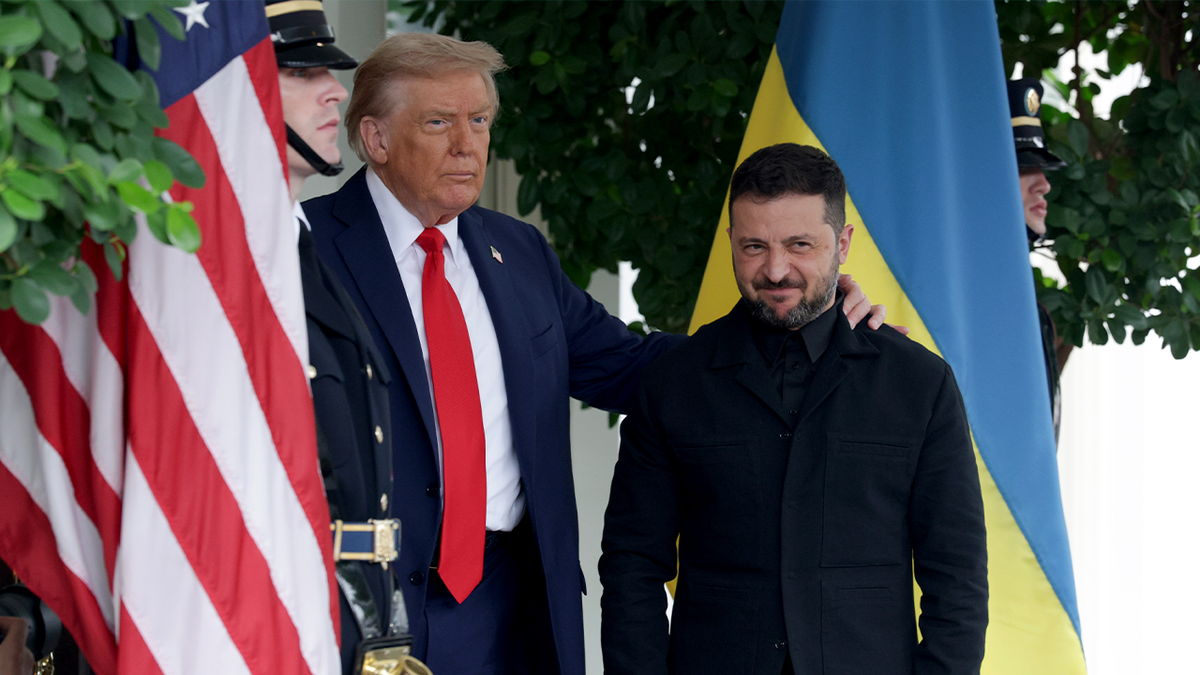
- August 2025: President Trump and President Zelenskyy meet at the White House in Washington, D.C., to discuss defense cooperation and the strategic trajectory of the war.
- September 2026 (Mid-Month): U.S. negotiators Steve Witkoff and Jared Kushner travel to Moscow to meet with Russian President Vladimir Putin, exploring potential frameworks for a negotiated settlement. Subsequent talks are scheduled in Kyiv.
- September 2026 (Late-Month): President Zelenskyy issues an open letter proposing direct diplomatic engagement, while simultaneously announcing that the U.S. has finalized its decision to permit Ukraine to produce Patriot missile interceptors under license.
- September 26, 2026: President Trump addresses reporters on the South Lawn of the White House, detailing monthly casualty estimates ranging between 25,000 and 33,000 deaths, reiterating his call for a peace deal before winter, and confirming ongoing communications with both Ukrainian and Russian leaders.
Broader Implications and Outlook
The remarks by President Trump and the concurrent diplomatic and defense initiatives highlight a critical juncture in the Russia-Ukraine war. As casualties mount into the hundreds of thousands and economic and demographic pressures strain both societies, international actors are increasingly focused on identifying viable pathways to a durable peace.
The willingness of the U.S. administration to engage directly with both Moscow and Kyiv—coupled with tangible security guarantees such as the Patriot missile production agreement—demonstrates a complex approach that combines robust deterrence with active mediation. Whether these efforts will successfully bridge the vast chasm between Ukraine’s insistence on territorial integrity and Russia’s maximalist war aims remains uncertain.
However, with Western leaders pressing for a resolution before winter weather alters the operational landscape, the coming weeks are expected to test the genuine readiness of all parties to transition from the battlefield to the negotiating table. The White House has not yet provided further official statements regarding the specific timeline or location of potential trilateral summit meetings, but diplomatic channels remain actively engaged as the international community watches for signs of a breakthrough.