BYD Launches Massive 8,000-Worker Recruitment Drive at Xi’an Hub as Surging Global Demand Counters Domestic Slump

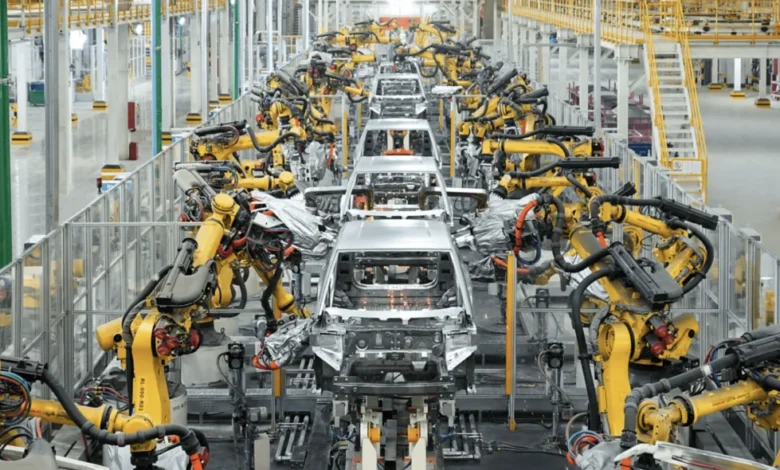
The global automotive landscape is witnessing a profound structural shift as Chinese electric vehicle (EV) pioneer BYD embarks on a massive recruitment campaign across its massive Xi’an manufacturing hub. According to recruitment notices distributed by local agencies and corroborated by industry publications like Yicai, BYD is actively hiring more than 8,000 workers to staff its four operational factory phases in the capital of Shaanxi province. This sprawling facility, which stands as the company’s largest manufacturing base worldwide, boasts a combined annual production capacity of up to 1.5 million vehicles and successfully rolled out over one million units in 2024 alone.
This aggressive hiring push is not merely a routine adjustment; it represents a critical pivot point for the automaker. Export demand is currently absorbing manufacturing capacity that domestic competition alone can no longer fill at BYD’s flagship facility. As domestic price wars intensify and consumer demand within mainland China undergoes a period of cooling, the company is leaning heavily on its robust international order books to keep its assembly lines running at peak efficiency. The recruitment drive underscores how vital China-based production remains to the company’s grand global ambitions, proving that domestic hubs will continue to serve as the beating heart of BYD’s overseas expansion strategy for the foreseeable future.
A Chronological Timeline of Operational Turbulence and Recovery
To fully understand the context of BYD’s current labor shortage, one must examine the operational hurdles the company faced earlier in the year. The timeline of events highlights the immense agility—and vulnerability—inherent in hyper-scaled modern EV manufacturing.
In the early months of the year, BYD initiated a company-wide technological transition. The automaker began shifting its production lines to accommodate second-generation Blade Battery cells alongside other sweeping powertrain and electronic platform upgrades. While these technological enhancements were necessary to maintain the company’s competitive edge in energy density and safety, the retooling process caused severe bottlenecks across several core model lines.
Faced with constrained output and temporary assembly line shutdowns in Xi’an, management made the strategic decision to temporarily reduce the workforce at the Shaanxi base. To retain talent and balance corporate load, BYD transferred a portion of its Xi’an employees to rapidly expanding operations in other strategic regional hubs, including Zhengzhou, Hefei, and the Shenzhen-Shanwei cooperation zone.
By mid-year, however, the retooling phase had concluded. Feng Lei, head of the industrial research institute at market research firm HSMAP, noted in interviews with Yicai that all four Xi’an manufacturing phases successfully resumed normal production schedules. Yet, this operational recovery coincided with an explosive surge in international orders. The convergence of normalized factory output and overwhelming export demand caught management off guard, swiftly plunging the facility back into a state of acute labor shortage.
Regional Data and Production Volatility
The statistical narrative of Shaanxi province’s automotive output vividly mirrors BYD’s internal roller coaster ride. Because BYD dominates the regional manufacturing ecosystem, provincial statistics serve as a reliable proxy for the company’s operational health.
According to data compiled by China’s National Bureau of Statistics, vehicle production in Shaanxi province suffered a dramatic slump during the first seven months of the year, plunging nearly 50% year-on-year. This staggering decline was the direct mathematical consequence of the aforementioned factory retooling, assembly line upgrades, and temporary workforce reallocation.
However, the turnaround in August was as swift as it was dramatic. Shaanxi’s provincial output for August alone reached 138,900 vehicles. This represented a massive 55.4% bounce month-on-month from July and, crucially, a 17.9% increase compared to the same period in the previous year. This V-shaped recovery validates Feng Lei’s assessment that the Xi’an production base has successfully surmounted its internal technical bottlenecks.
Targeted Recruitment and Premium Compensation
BYD’s current hiring campaign is notable not just for its sheer volume—over 8,000 positions—but for the specific nature of the labor required. The recruitment notices clearly target skilled technical professionals rather than general assembly line workers. Openings are heavily concentrated in critical manufacturing segments such as welding, painting, and final assembly.
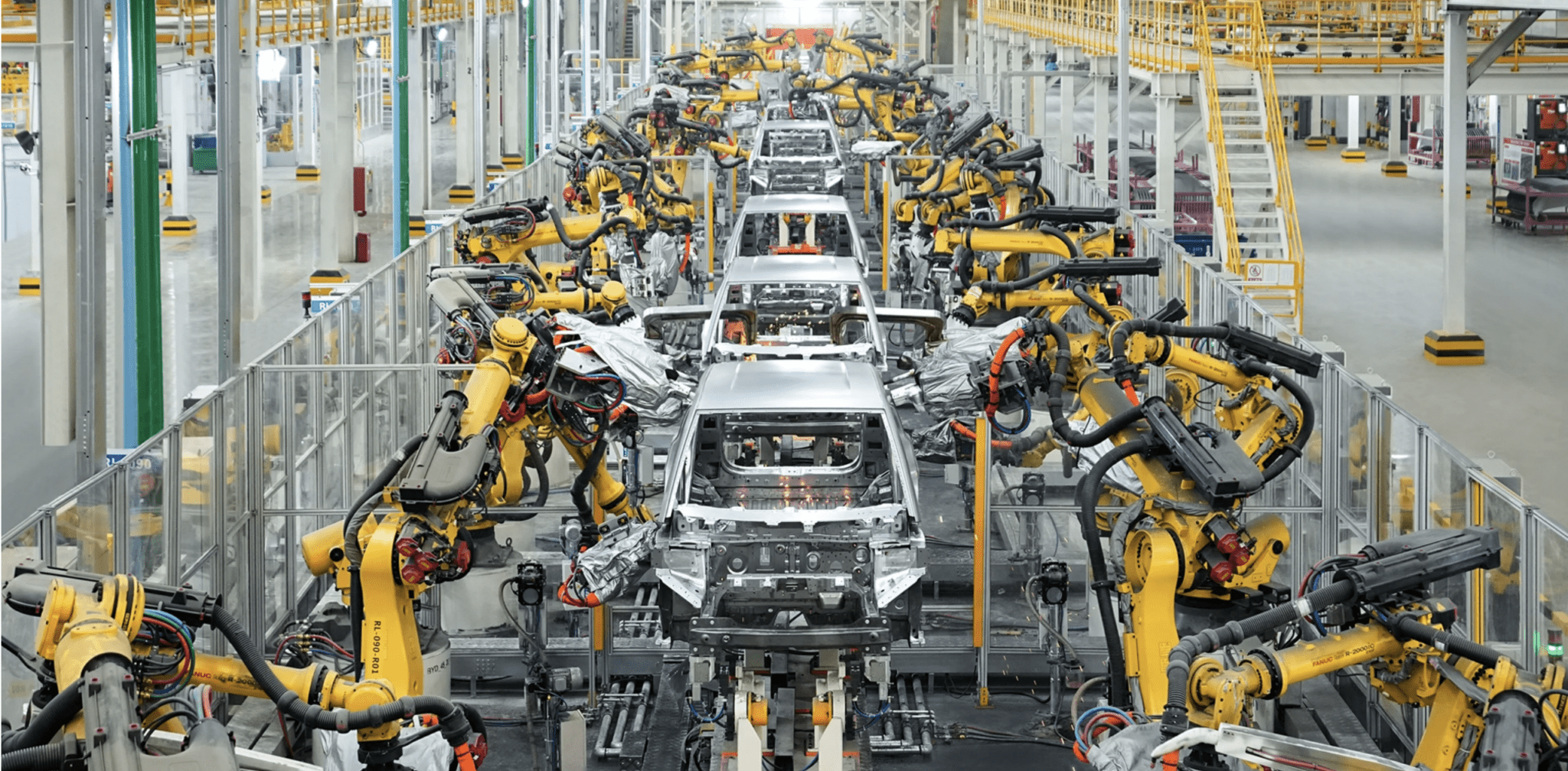
To attract top-tier talent in a competitive regional labor market, BYD has rolled out aggressive compensation packages. New hires are being offered signing bonuses of up to CNY 6,000 (approximately US$890), alongside monthly salaries reaching up to CNY 10,000. These financial incentives reflect the specialized skills needed to manufacture BYD’s high-volume vehicles, which include popular models from the Dynasty and Ocean lineups, as well as select outputs from the company’s expanding portfolio of premium brands.
Diverging Fortunes: Domestic Slump Meets International Boom
The urgency behind BYD’s recruitment drive is laid bare by the company’s monthly sales figures. In August, BYD shattered previous records by selling 440,293 new energy vehicles (NEVs), marking an impressive 17.8% increase year-on-year.
A granular breakdown of these sales figures reveals a striking dichotomy. Domestic sales within mainland China actually contracted, falling by 14.3% compared to the previous year amidst a brutal price war waged among domestic EV makers. Conversely, overseas sales skyrocketed by a phenomenal 134.5%, reaching a record-breaking 189,466 vehicles for the month. International markets were entirely responsible for driving BYD’s overall growth in August.
Industry analysts point out that while export-facing production lines in Xi’an are operating on aggressive, full-capacity schedules, lines dedicated to the domestic market continue to face headwinds due to relentless local competition. Consequently, achieving a full, universal recovery to prior peak annual output remains a complex challenge, even as export volumes soar.
The Anatomy of a Global Supply Chain
The massive labor mobilization in Xi’an sheds light on a broader strategic reality: BYD’s domestic manufacturing base in China is not being replaced by overseas expansion; rather, it is serving as the indispensable engine powering it.
Despite announcements regarding localized manufacturing plants in international markets, BYD’s core technological components—such as the proprietary Blade Batteries, e-Platform 3.0 powertrains, and integrated electronic control systems—continue to be manufactured within China’s deeply entrenched, vertically integrated domestic supply chain.
This operational structure was further clarified earlier in September when Alfredo Altavilla, BYD’s Special Adviser for Europe, made headlines by asserting that the company intends to manufacture locally everything it sells in Europe. Altavilla estimated that achieving this goal would require three dedicated assembly plants and a localized battery factory on the continent.
However, industry observers emphasize a crucial distinction. Existing regional plants in overseas markets—such as those in Thailand, Brazil, and Hungary—currently function primarily as tariff-compliant final assembly sites. These facilities rely heavily on core components shipped directly from primary Chinese manufacturing hubs like Xi’an, rather than operating as fully independent, end-to-end manufacturing entities.
Strategic Implications and Vulnerabilities
This heavy reliance on Chinese domestic hubs creates a specific set of strategic implications for BYD’s global trajectory. Because overseas assembly plants depend on continuous component feeds from China, the company’s international growth remains tethered to the operational stability of factories like Xi’an.
Financial analysts and supply chain experts warn that any future disruptions at primary domestic hubs—whether triggered by component shortages, labor deficits, or sudden shifts in manufacturing technology—would not remain localized issues. Instead, a bottleneck in Xi’an would rapidly cascade through the global logistics chain, surfacing as export delays and inventory shortages in European, Asian, and Latin American markets well before registering as a regional manufacturing problem.
As BYD navigates the dual challenges of a saturated domestic market and a rapidly expanding international footprint, the success of its 8,000-worker recruitment drive in Xi’an will serve as a vital barometer of its operational resilience. By bridging the gap between domestic manufacturing capacity and explosive global demand, BYD is attempting to cement its status not just as a dominant domestic player, but as a truly ubiquitous multinational automotive powerhouse.
Related posts: