A Retrospective on Three Decades of Style: The Evolution of the GQ Men of the Year Awards and Its Indelible Mark on Global Fashion

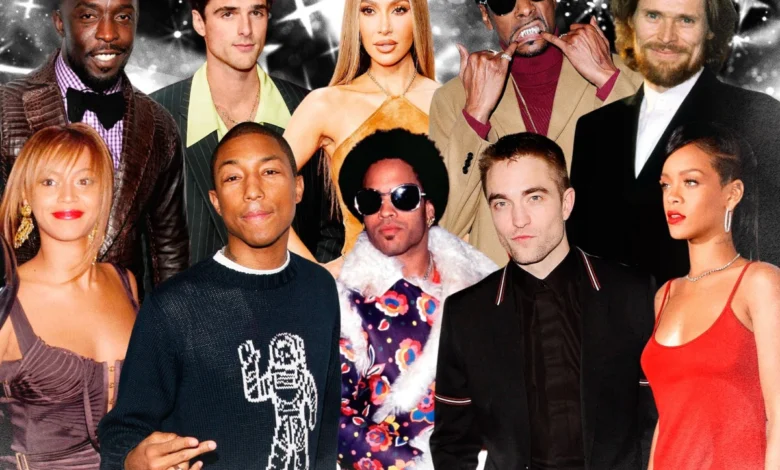
For more than thirty years, the GQ Men of the Year (MOTY) celebration has firmly established itself as a premier fixture on the global cultural and entertainment calendar. Traditionally anchored in the crisp November air of Los Angeles—with select bicoastal exceptions, most notably the 2002 gala in New York City honoring cover icons Denzel Washington, Hugh Grant, and Ralph Lauren—the event serves as a high-society nexus where Hollywood cinema, chart-topping music, elite athletics, and avant-garde design converge. Beyond honoring the cultural architects, innovators, and creators who defined the preceding twelve months, the MOTY red carpet functions as a living laboratory for menswear. It is an unvarnished chronicle of how modern masculinity, tailoring, and personal expression have transformed from the high-octane excess of the 1990s through the experimental aughts, the streamlined minimalism of the 2010s, and into the boundary-shattering, rule-free aestheticism of the 2020s.

The Genesis and Evolution of a Cultural Institution
To understand the weight of the GQ Men of the Year red carpet, one must examine the broader evolution of men’s fashion journalism and consumer culture over the final decade of the twentieth century. Launched to celebrate cultural impact rather than mere celebrity, the franchise quickly transcended the pages of the magazine to become a physical manifestation of modern taste. In its earliest iterations, the dress code largely reflected the corporate prosperity and conservative power-dressing of the era. Double-breasted suits with exaggerated shoulders, wide ties, and muted charcoal or navy palettes dominated the photographic frames of the mid-1990s.

However, as popular culture shifted toward a more eclectic, genre-blending ethos at the turn of the millennium, the red carpet evolved accordingly. The high-octane styling of the nineties gave way to the eclectic, experimental sensibilities of the early 2000s. Icons like OutKast—whose galactic-level, genre-defying fits at the 2002 event remain legendary—demonstrated that the modern tastemaker was no longer tethered to traditional eveningwear. André 3000 and Big Boi injected theatricality, bold color pairings, and unmistakable individuality into their wardrobes, signaling a paradigm shift that would permanently alter how public figures approached formal events.

Chronology of Style: Eras of the MOTY Red Carpet
The history of the Men of the Year red carpet can be effectively cataloged into distinct generational epochs, each defined by prevailing socioeconomic currents, shifts in gender expression, and the democratization of style through digital media.

The High-Octane 1990s: Power Dressing and Corporate Glamour
During this formative decade, menswear was heavily influenced by traditional tailoring codes adapted for the silver screen and the boardroom. Suits were loose, constructed with heavy wools and structured padding that projected authority and stature. Accessorizing was minimal, typically restricted to classic timepieces, understated cufflinks, and silk ties. Yet, even then, cultural figures pushed at the edges of conformity, introducing leather jackets, tinted sunglasses, and unstructured blazers to formal environments.

The Freaky-Deaky Early Aughts: Genre-Splice and Maximalism
As hip-hop culture fully permeated mainstream luxury fashion, the early 2000s introduced a period of stylistic freedom characterized by oversized silhouettes, vibrant textiles, leather trench coats, and unexpected layering. This era broke down the rigid barriers between streetwear and haute couture. Musicians and athletes emerged as the primary drivers of men’s style, trading conservative tailoring for statement pieces that demanded attention. OutKast’s iconic appearances during this period stand as a masterclass in fearless self-expression, paving the way for the contemporary streetwear-luxury crossover.

The Buttoned-Up 2010s: Slim Silhouettes and Precision Tailoring
Following the maximalist tendencies of the previous decade, the 2010s ushered in a sweeping counter-movement defined by extreme minimalism, hyper-tailored silhouettes, and monochromatic palettes. Skinny suits, narrow lapels, cropped trousers sans socks, and slicked-back hair became the uniform of the modern gentleman. Designers such as Hedi Slimane and Tom Ford heavily influenced this era, championing a sleek, rock-and-roll-inspired aesthetic that emphasized clean lines and immaculate fit. The red carpet during this period was uniform, sophisticated, and remarkably restrained.

The No-Rules 2020s: Fluidity, Heritage, and Modern Cowboyism
Entering the current decade, the traditional rulebook governing menswear has been comprehensively rewritten. Gender-fluid dressing, historical pastiche, vintage sourcing, and high-low pairings now dominate the conversation. We have witnessed the resurgence of artisanal craftsmanship alongside playful reinterpretations of Americana and workwear. A prime example of this contemporary ethos is Dwayne Johnson’s striking 2024 MOTY appearance, where he offered a modern, high-fashion take on the classic American cowboy. Blending rugged heritage elements with contemporary luxury tailoring, Johnson’s look encapsulated the current mood: authentic, narrative-driven, and entirely unbound by convention.

The Economic and Cultural Impact of the MOTY Red Carpet
In contemporary media, an event of this magnitude carries profound economic implications for the global fashion industry. Industry analysts note that major red-carpet appearances by high-profile honorees generate instantaneous, measurable surges in brand visibility, social media engagement, and consumer demand. According to digital fashion metrics platforms, a standout look on a globally recognized stage like the GQ Men of the Year Awards can result in exponential spikes in online searches and immediate retail sell-through for featured luxury houses and independent designers alike.

Furthermore, the event functions as a crucial launchpad for emerging design talent. While heritage houses such as Giorgio Armani, Ralph Lauren, and Gucci have long anchored the proceedings, contemporary stylists increasingly leverage the red carpet to introduce avant-garde, sustainable, and independent labels to a worldwide audience. This democratization of visibility has fundamentally altered the designer-celebrity dynamic, transforming the red carpet into a collaborative canvas where stylists and talent co-author cultural moments.

Industry Perspectives and Stylistic Analysis
Fashion critics and industry veterans frequently point to the MOTY red carpet as a reliable barometer for broader shifts in societal attitudes toward masculinity. In statements regarding the evolution of menswear, cultural historians emphasize that clothing has increasingly become a tool for emotional storytelling rather than mere status signaling.

"The modern red carpet is no longer about blending in or adhering to a strict, corporate definition of respectability," notes a prominent fashion archivist. "When you look at the trajectory from the structured power suits of the nineties to the genre-bending ensembles of today, you see a culture that has learned to value authenticity, personal narrative, and fluidity above all else. Men are no longer afraid to take risks because the audience—and the culture at large—now demands individuality."

This sentiment is echoed by leading celebrity stylists, who report that male clients are increasingly proactive in conceptualizing their red-carpet narratives. The days of simply renting a standard tuxedo off the rack are largely behind us. Today’s honorees collaborate closely with creative directors to unearth vintage archives, commission bespoke textiles, and integrate cultural heritage into their eveningwear.

Looking Forward: The Next Generation of Style Icons
As anticipation builds for the latest iteration of the GQ Men of the Year celebration in Los Angeles, industry insiders are eagerly speculating on which burgeoning style icons will etch their names into the event’s storied history. With a new cohort of actors, musicians, athletes, and digital creators poised to take center stage, the criteria for sartorial success have never been broader or more exciting.

Whether through radical re-imaginations of classic tailoring, boundary-pushing streetwear hybrids, or unexpected nods to historical aesthetics, the upcoming red carpet promises to reflect the restless creativity of the current cultural moment. As observers and fashion enthusiasts track the arrivals live through digital coverage, the overarching narrative remains clear: the GQ Men of the Year Awards is not merely a party celebrating the past year’s achievements, but a living, breathing archive of how men present themselves to the world—and how that presentation continues to evolve with every passing decade.