Four Fun Things: A Curated Guide to Seasonal Entertainment, Fashion, and Lifestyle

The cultural landscape of autumn 2026 is currently defined by a convergence of intimate domestic cinema, evolving seasonal fashion standards, the endurance of literary prestige, and the logistical challenges of modern household nutrition. As the seasons shift, consumer habits are reflecting a preference for high-tension storytelling, timeless wardrobe staples, and ethically sourced dietary solutions.
The Tension of Domesticity: Analyzing The Invite
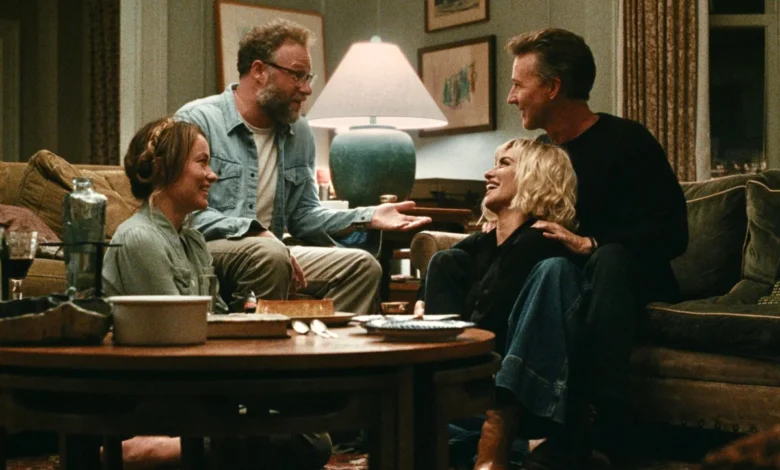
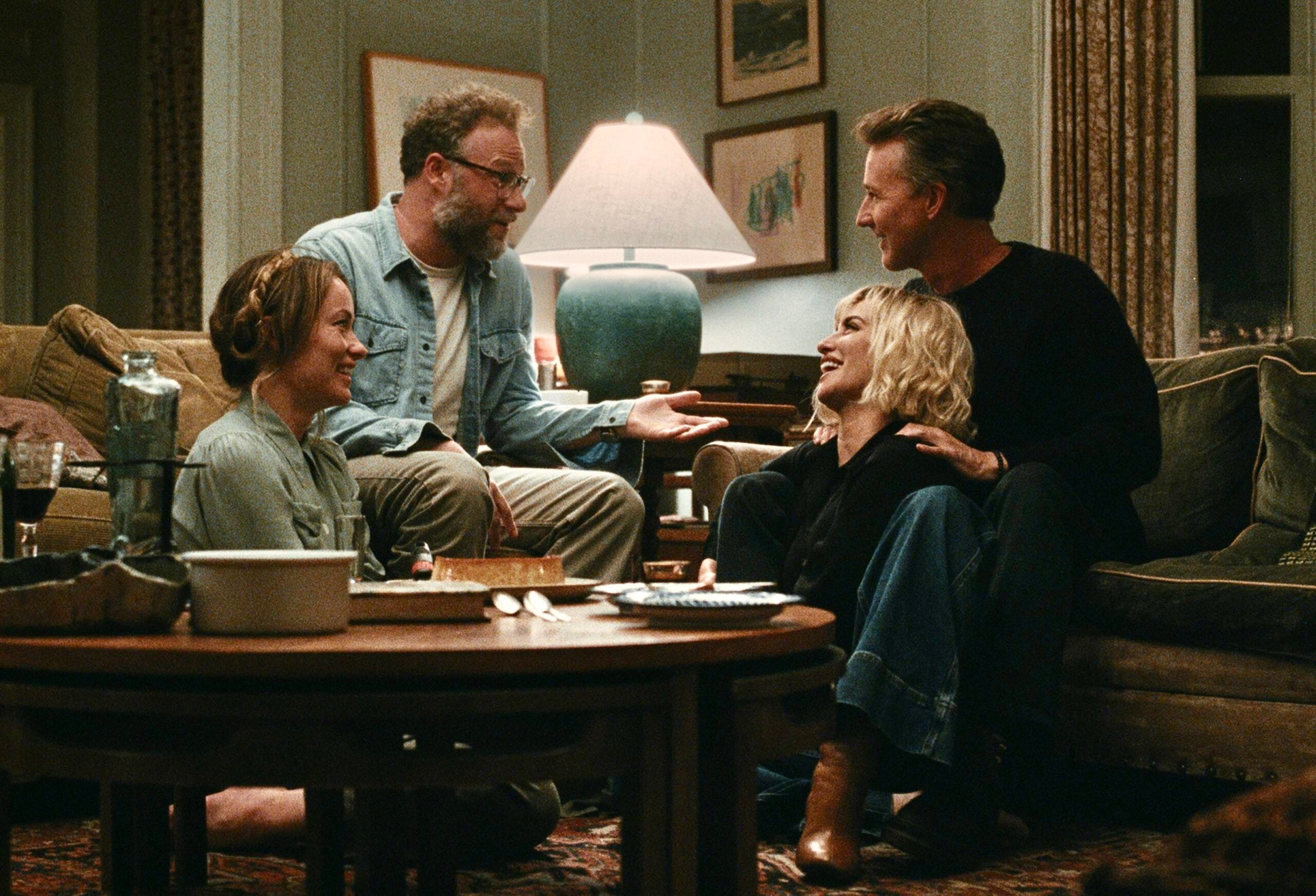
The film The Invite, directed by Olivia Wilde, has emerged as a significant point of interest in contemporary independent cinema. The narrative centers on a couple navigating the complexities of a strained marriage while hosting neighbors for a dinner party, a premise that has drawn critical attention for its exploration of interpersonal friction.
Director Olivia Wilde has described the production as a "pressure cooker" environment. By restricting the narrative to a single apartment setting, the film utilizes spatial constraints to heighten psychological tension. Industry analysts suggest that this "bottle episode" style of filmmaking, which prioritizes dialogue and subtext over expansive action sequences, has seen a resurgence in popularity due to its cost-effectiveness and its ability to foster intense character development.
The film’s success in capturing domestic anxiety resonates with current audience trends that favor character-driven psychological dramas. Wilde’s direction emphasizes the performative nature of social niceties, illustrating how individuals often mask profound underlying conflicts behind the veneer of polite dinner conversation. This cinematic approach reflects broader societal themes of isolation and the fragile architecture of long-term relationships.
The Evolution of Seasonal Fashion: A Shift Toward Longevity
As temperatures drop, the retail sector is witnessing a marked transition toward "slow fashion" and heritage-inspired silhouettes. Recent market data from platforms like Tuckernuck indicate a shift away from fast-fashion trends in favor of items characterized by durability and versatile styling.
The current trend cycle is favoring textured layering, specifically the rise of the zig-zag knit cardigan paired with denim, and the structural elegance of the turtleneck dress. These choices suggest a consumer desire for items that provide both comfort and aesthetic longevity. Furthermore, the market for footwear is showing a preference for functionality; oxblood flats featuring padded footbeds are gaining traction as a standard for professional and casual environments alike.
From a textile perspective, the emphasis is on wool blends and durable weaves that can withstand multiple seasons. Analysts suggest that this movement is a direct response to economic uncertainty and the growing environmental consciousness of the modern shopper, who is increasingly prioritizing investment pieces that reduce the need for constant wardrobe replacement.
The Enduring Appeal of Literary Prose: Colm Tóibín’s Influence
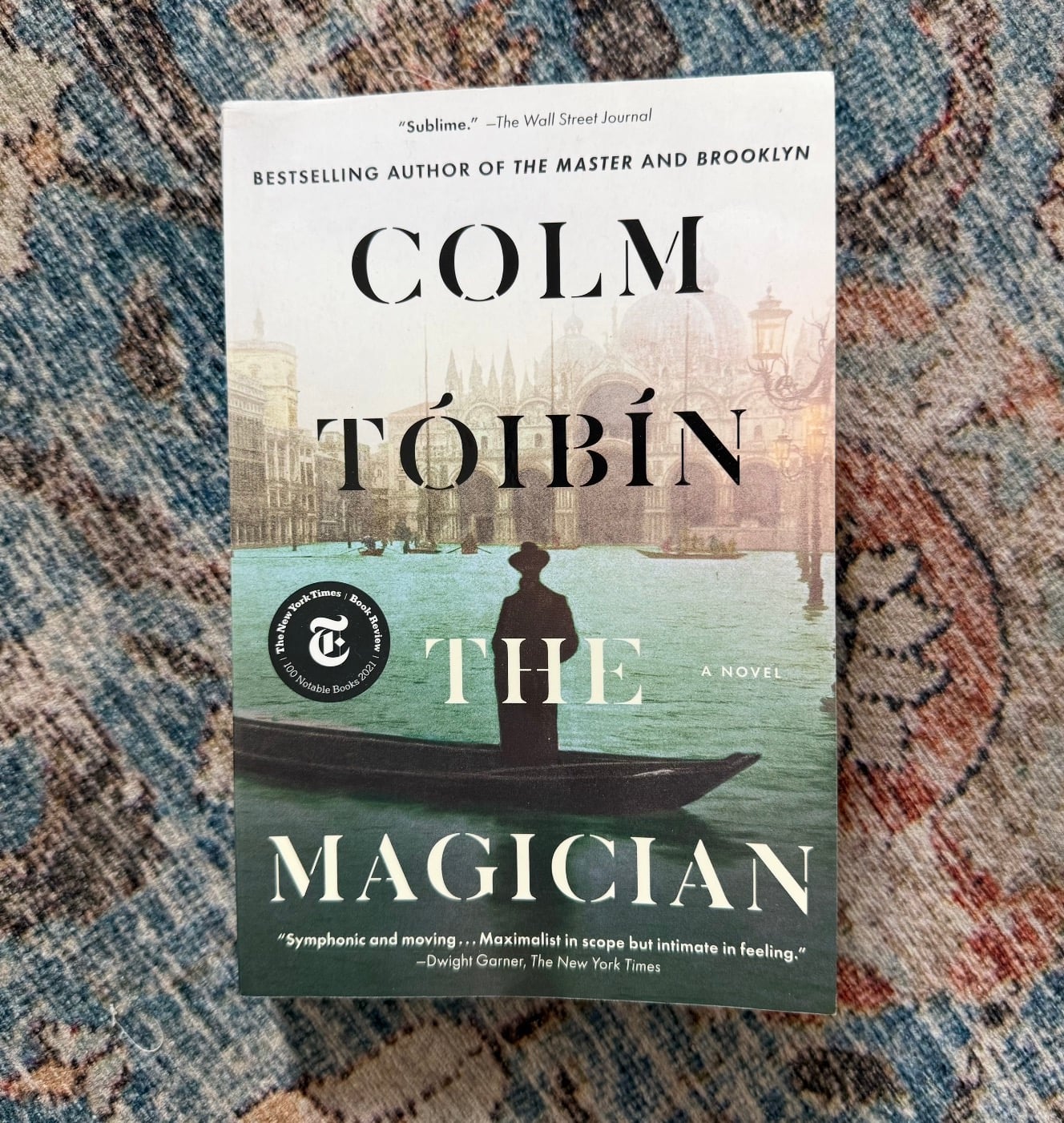
The literary world continues to see significant engagement with the works of Irish novelist Colm Tóibín. Following the positive reception of Long Island, there has been a renewed public interest in his earlier catalog, specifically his 2021 novel, The Magician.
Tóibín’s work, which often explores the internal lives of historical figures or the nuances of familial exile, remains a staple of the contemporary literary canon. His ability to blend meticulous historical research with psychological depth provides a blueprint for what critics call "empathetic fiction." The resurgence of his earlier works highlights a trend wherein readers are returning to established authors during periods of rapid cultural change, seeking the consistency and intellectual stimulation that deep-form narratives provide.

Current data from independent bookstores and online literary databases indicate that readers are increasingly favoring long-form prose over short-form digital content. This trend suggests a cultural recalibration, where the act of deep reading is viewed as a necessary counterbalance to the fragmented attention spans fostered by social media.
Household Nutrition: The Logistics of Modern Sustenance
Managing household nutrition remains a central challenge for families as they navigate the demands of modern schedules. Recent surveys regarding domestic food consumption suggest that while vegetarianism is on the rise, many households are simultaneously seeking higher-quality animal proteins to supplement their diets.
This shift has benefited direct-to-consumer (DTC) meat subscription services, such as ButcherBox. These models focus on sourcing standards—specifically grass-fed beef, organic free-range chicken, and wild-caught seafood—to meet the rising consumer demand for transparency in the supply chain. The logistical advantage of these services lies in their ability to provide freezer-ready inventory, effectively reducing the frequency of grocery store visits for busy families.
The nutritional implications of these services are notable. By removing added hormones and antibiotics from the equation, these brands are positioning themselves as health-conscious alternatives to mass-produced supermarket options. As food inflation continues to fluctuate, the subscription box model also provides a predictable cost structure, which is increasingly attractive to household managers looking to stabilize their monthly budgets.
Broader Economic and Cultural Implications
The four pillars discussed—cinematic tension, wardrobe investment, literary engagement, and supply-chain-conscious dining—collectively represent a broader trend toward "curated living."
- Economic Context: Consumers are becoming increasingly selective with their discretionary spending. Whether purchasing a high-quality knit or subscribing to a protein delivery service, the trend is toward "value-based spending," where the focus is on the long-term utility of the product rather than immediate gratification.
- Social Dynamics: The focus on "The Invite" and the importance of home-cooked meals points to a societal retreat into the domestic sphere. After years of post-pandemic social expansion, there is a perceptible movement toward smaller, more intimate gatherings.
- Technological Integration: The ease with which these products and experiences are accessed—through streaming platforms, e-commerce, and direct delivery—highlights the seamless integration of digital tools into daily life. However, there is a distinct irony in the fact that these digital tools are primarily being used to facilitate offline, "analog" experiences like reading, dining, and film viewing.
Conclusion: Preparing for the Season Ahead
As the autumn of 2026 progresses, the evidence suggests that the average consumer is prioritizing substance over surface. The success of films that probe the cracks in the domestic facade, the preference for timeless clothing, the return to canonical literature, and the demand for higher standards in our food systems are all symptoms of a society looking to anchor itself.
The coming months will likely see these trends deepen. As households prepare for the colder weather, the focus will remain on fortifying the home environment, both physically and intellectually. Whether through the lens of a psychological thriller, the warmth of a seasonal wardrobe, or the simple act of preparing a meal with high-quality ingredients, these "fun things" are, in reality, essential components of a stable and well-rounded lifestyle.
For the observer, these shifts provide a valuable roadmap for understanding the psychological and economic priorities of the current era. It is a period defined not by radical disruption, but by a quiet, deliberate refinement of the everyday.