Wicker: The Romantic Fantasy Redefining Modern Screen Archetypes and Mature Representation

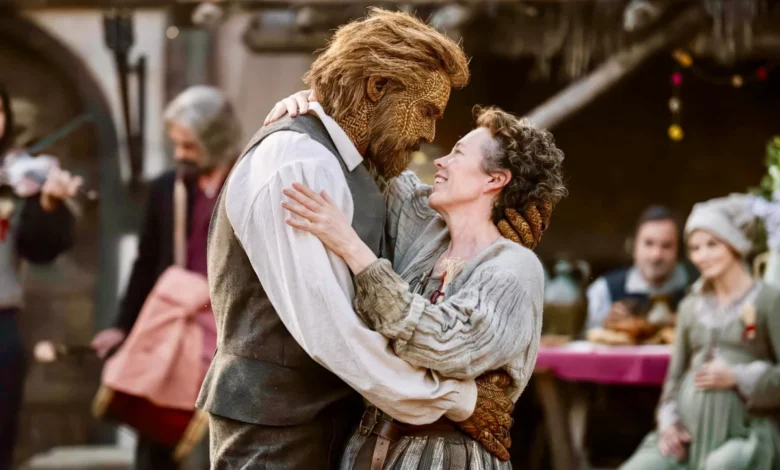
The release of the romantic fantasy film Wicker has catalyzed a significant cultural dialogue regarding the depiction of middle-aged sexuality and the subversion of traditional gender tropes in cinema. Directed by a visionary team and based on the short story by Ursula Wills, the film stars Academy Award-winner Olivia Colman as an isolated fisherwoman who enters into an unconventional romance with a man constructed from wicker, portrayed by Alexander Skarsgård. Since its debut, the film has garnered critical acclaim, most notably from The Hollywood Reporter, which categorized the project as the most tender and unapologetically erotic cinematic offering of the year.
The Genesis and Narrative Framework
The film follows the protagonist, a woman in her fifties, whose life takes an unexpected turn with the arrival of a companion who is literally woven from the landscape around her. While the premise borders on the surreal, the execution focuses on grounded emotional stakes. The narrative trajectory serves as a departure from typical romantic fantasies, prioritizing the autonomy and physical desires of its female lead.
Ursula Wills’ original short story, which served as the foundational text for the screenplay, explores themes of loneliness, material transformation, and the nature of affection. By translating this to the screen, the production team has highlighted a deficit in current mainstream media: the persistent lack of nuanced, active romantic lives for characters who have passed their mid-forties.
Chronology of Production and Reception
The development of Wicker began under a veil of creative secrecy, with the casting of Olivia Colman and Alexander Skarsgård announced in early 2025. Principal photography took place throughout the latter half of that year, primarily in coastal regions chosen to mirror the rugged, elemental aesthetic of the source material.
- January 2025: Official casting announcement confirms Colman and Skarsgård as leads.
- September 2025: First-look imagery released, highlighting the unique visual texture of the wicker-man character.
- October 2026: Global theatrical release, accompanied by an immediate surge in critical discourse regarding the film’s handling of intimacy.
- Late October 2026: Statistical analysis of audience demographics suggests a high engagement rate among viewers aged 40 and older, a segment often underserved by high-concept romantic fantasies.
Challenging Age-Related Stigmas in Cinema
A primary driver of the film’s critical success is its refusal to adhere to the "age-invisibility" trope often assigned to female characters in Hollywood. Colman’s performance has been lauded for its realism, particularly regarding the depiction of sexual agency. In recent interviews, Colman has been vocal about the necessity of maintaining authentic representations of mid-life vitality, stating that the notion of sexual life concluding at a specific chronological threshold is a cultural fabrication rather than a biological reality.
This perspective aligns with a broader movement in media criticism that seeks to dismantle the "asexual older woman" archetype. Sociological data suggests that audiences are increasingly seeking content that mirrors the actual experiences of mature adults, who report that self-actualization and romantic satisfaction remain critical components of their well-being well into their fifties and sixties.
Subverting the "Ball and Chain" Trope
Beyond the focus on Colman’s character, the film has received significant attention for its portrayal of the male lead. Alexander Skarsgård’s character, an entity born of craft and affection, exhibits a level of emotional intelligence and devotion that stands in stark contrast to the common "disgruntled husband" trope prevalent in television and film sitcom culture.

For decades, the trope of the weary, cynical man who views his domestic life as a burden—often summarized by the "old ball and chain" vernacular—has been a staple of male-coded comedy. By rejecting this narrative, Wicker presents a refreshing alternative: a man whose primary motivation is the sustained happiness and fulfillment of his partner. Critics have noted that this portrayal is not merely a character choice but a commentary on the toxic masculinity that often permeates depictions of long-term relationships in Western media.
Broader Cultural Context and Social Commentary
The film arrives at a time when cultural influencers and comedians are actively pushing back against the normalization of spousal disdain. Figures such as Phoebe Robinson have utilized digital platforms to highlight the fatigue surrounding "wife-hating" as a form of social currency. The public resonance of these sentiments suggests that the audience appetite for healthy, supportive, and mutually respectful relationships is growing.
Industry analysts suggest that the success of Wicker could influence future greenlighting processes. If a film that prioritizes healthy, non-cynical, and age-positive romance can achieve both commercial success and critical accolades, it may provide the necessary leverage for studios to invest in similar projects that deviate from tired, regressive relationship models.
Data and Demographic Implications
While box office numbers are currently being finalized for the opening quarter, early indicators from cinema chains suggest that Wicker is performing exceptionally well in urban markets. The "tender but erotic" branding has effectively attracted a dual demographic: cinephiles interested in the surrealist elements of the film and mature audiences looking for representation that feels both respectful and honest.
Furthermore, the surge in interest regarding Ursula Wills’ short story indicates a "literary-to-screen" pipeline that remains highly lucrative. Publishers are currently reporting a spike in demand for the source material, suggesting that the film’s impact extends beyond the theater and into the broader literary ecosystem.
Future Implications for the Romantic Genre
The success of Wicker serves as a case study for future filmmakers. The primary takeaway is that audiences are not averse to genre-bending, provided that the emotional core of the story remains tethered to human truths. The film succeeds because it manages to balance the high-concept visual of a "wicker man" with the grounded, relatable experience of falling in love in mid-life.
The industry is now observing whether this will result in a wider trend of "mature-fantasy" storytelling. If the current trajectory continues, it is likely that future projects will seek to emulate the film’s balance of erotic maturity and emotional support, moving away from the manufactured conflicts that have historically defined the romantic genre.
In conclusion, Wicker represents more than just a successful film release; it is a cultural bellwether. By centering on the agency of a fifty-something woman and the unreserved devotion of her partner, the film has effectively challenged the tired tropes that have long dictated the boundaries of romantic cinema. Whether through its subversion of gender roles or its commitment to authentic sexual representation, Wicker has secured its place as a significant touchstone in the evolving landscape of contemporary storytelling. As the discourse continues, the film will likely remain a key reference point for discussions regarding the future of diversity, age, and relationship dynamics in the entertainment industry.