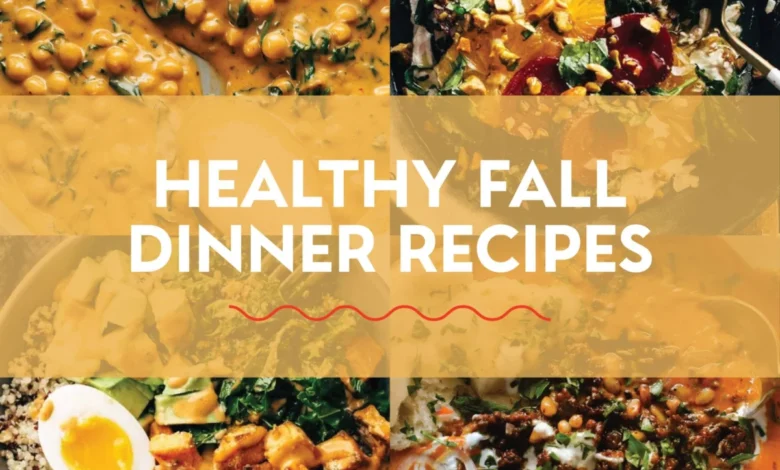
As the calendar turns toward the final quarter of the year, consumer interest in seasonal, nutrient-dense meal preparation sees a measurable surge. The transition to cooler temperatures necessitates a shift in culinary practices, moving away from light, summer-centric produce toward heartier, fiber-rich ingredients that support immune function and sustained energy levels. Data from the National Center for Health Statistics and various dietary research organizations indicate that during the autumn months, individuals are more likely to seek out meals that incorporate complex carbohydrates, such as root vegetables and legumes, which align with the biological shift in metabolic needs during colder weather.
The culinary evolution of autumn dining is rooted in both agricultural availability and the psychological need for comfort. By mid-autumn, the harvest of sweet potatoes, cruciferous vegetables like kale and Brussels sprouts, and pulses like lentils reaches its peak. Integrating these ingredients into daily dietary routines is not merely a preference for flavor but a strategic approach to maintaining health through the seasonal shift. Nutritionists often highlight that the inclusion of seasonal squash, dark leafy greens, and high-quality proteins during this period helps combat seasonal affective fluctuations and provides the dense micronutrients necessary to maintain physiological equilibrium as sunlight exposure decreases.
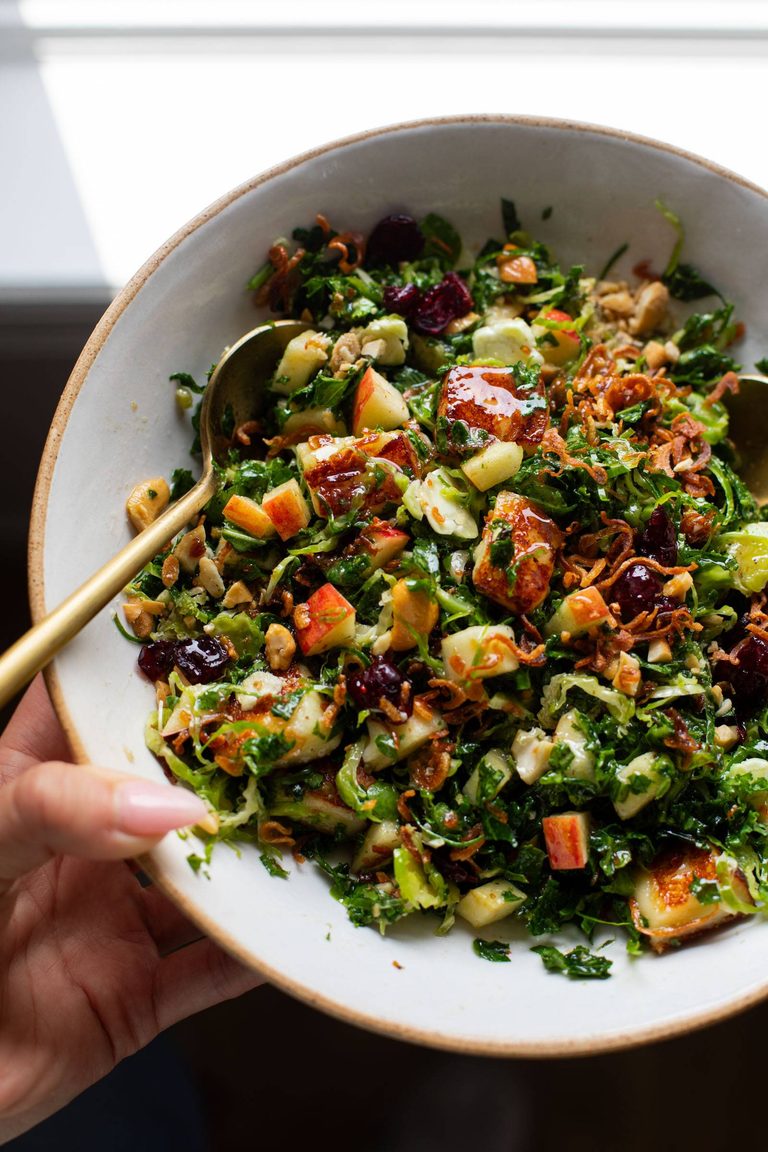
Culinary Methodology and Nutritional Composition
The methodology behind effective autumn meal planning centers on three pillars: thermal, textural, and nutritional density. Research in culinary science suggests that the "cozy" factor—often associated with warm, aromatic meals—is linked to the release of serotonin and the satisfaction of sensory expectations after months of consuming cold, raw foods.
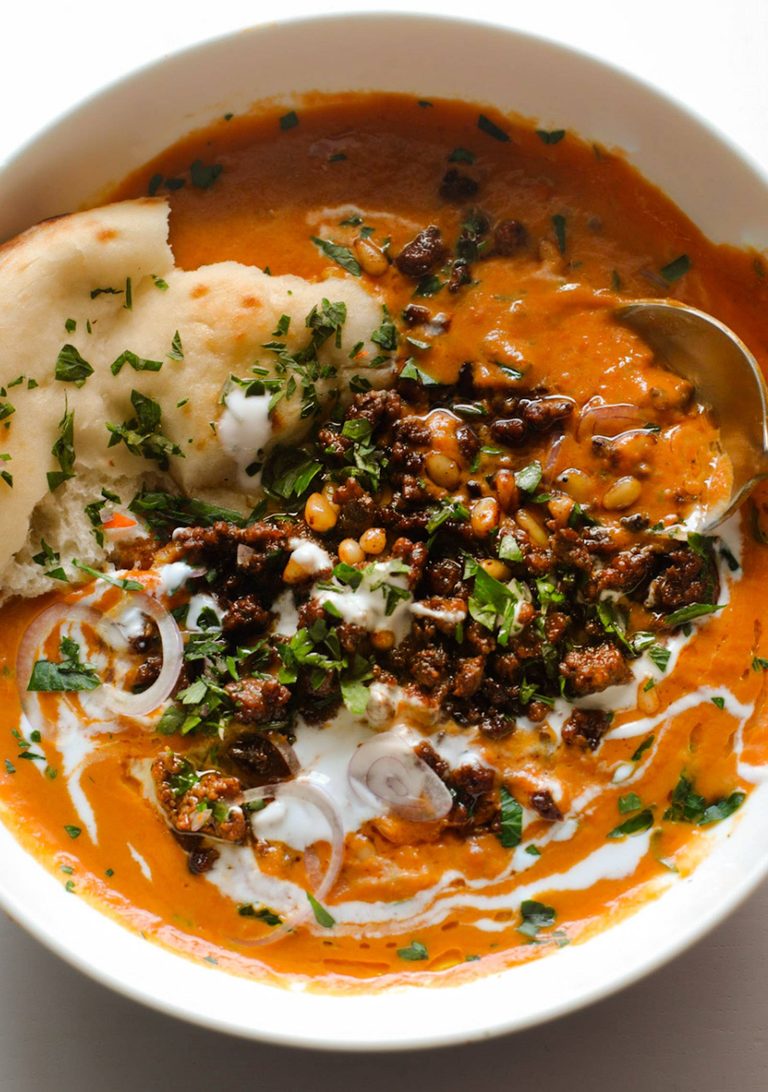
The recipes gaining the most traction in professional kitchens and home environments this season share common themes:
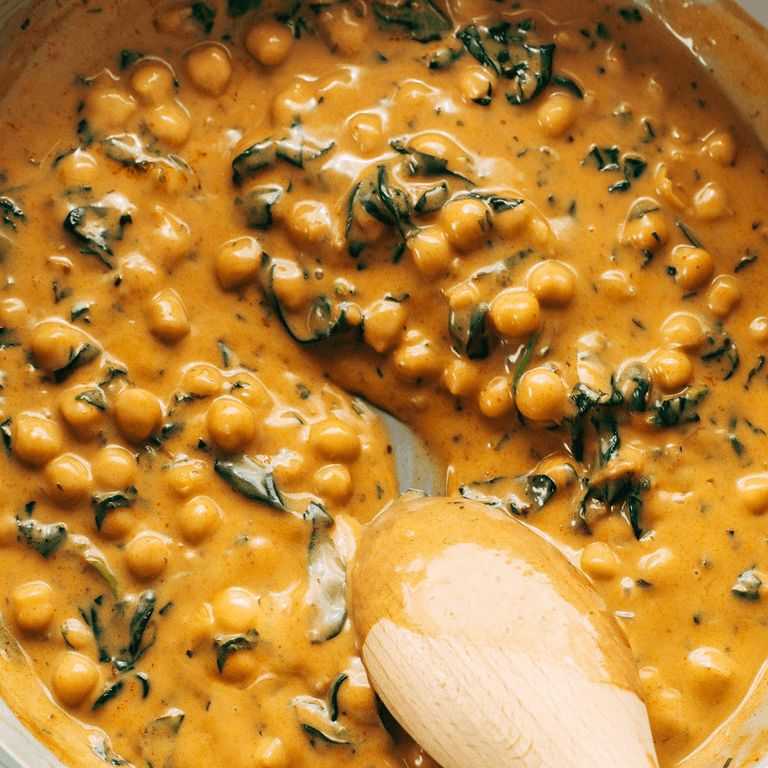
- Complex Carbohydrate Bases: Sweet potatoes and winter squashes serve as the primary foundation for many dishes, providing essential beta-carotene and dietary fiber.
- Plant-Forward Proteins: Legumes, including chickpeas, lentils, and black beans, are being utilized not just as side dishes but as primary proteins, reflecting a broader trend toward sustainable and plant-based nutrition.
- Anti-Inflammatory Spices: The use of turmeric, ginger, and chipotle in broth-based soups and curry-style sauces is increasing. These ingredients are frequently studied for their anti-inflammatory properties, which are beneficial during the cold and flu season.
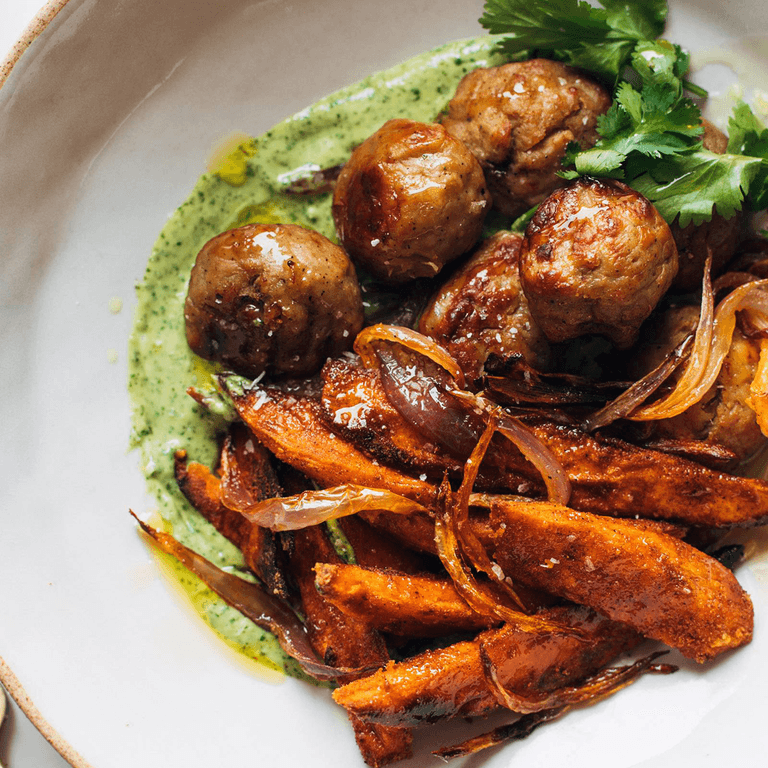
- High-Protein Additions: Lean meats and sustainable fish, such as salmon, are being paired with these fiber-rich bases to ensure satiety without the lethargy often associated with heavy, high-fat comfort foods.
Chronology of Seasonal Dietary Shifts
The shift toward autumn dining typically follows a predictable timeline:
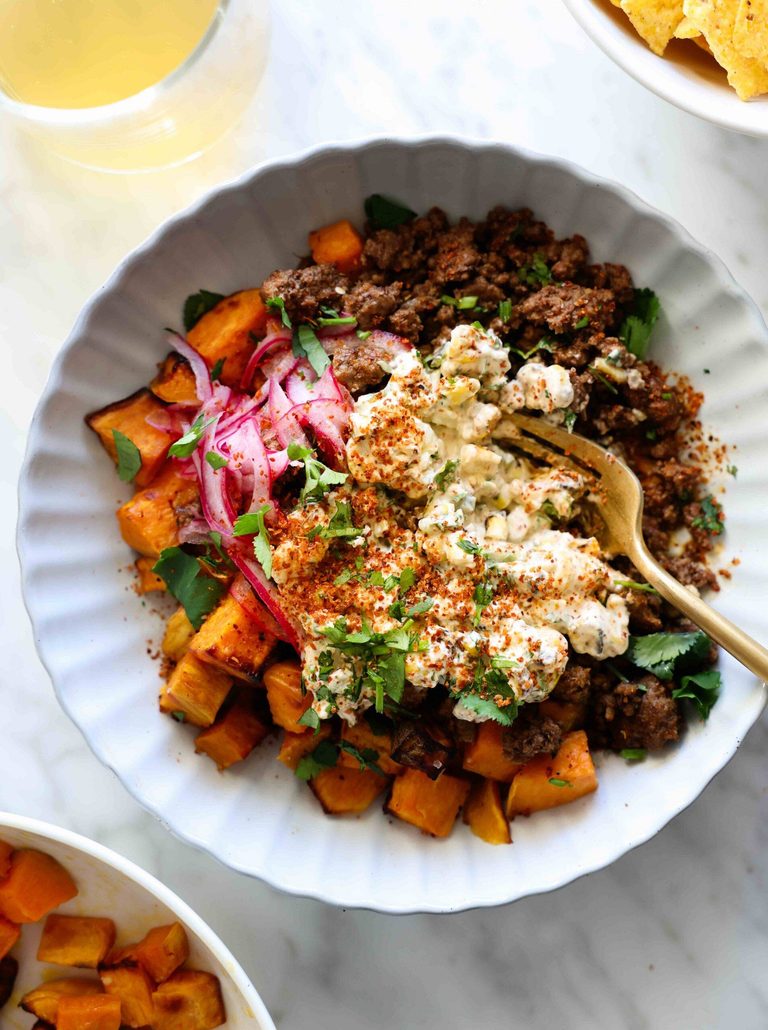
- Early September (The Transition Phase): Consumers begin to pivot toward transitioning from light salads to "power bowls" that incorporate raw greens with heavier, roasted components.
- Mid-October (The Harvesting Phase): This period marks the peak for root vegetables and squashes. Kitchen activity typically increases as individuals lean into oven-based cooking techniques like roasting and braising.
- November (The Preservation and Stewing Phase): With temperatures consistently lower, the focus shifts to long-simmering dishes. Crockpot usage and the consumption of dense, nutrient-rich stews reach their annual zenith during this month.
Analytical Overview of Popular Autumn Profiles
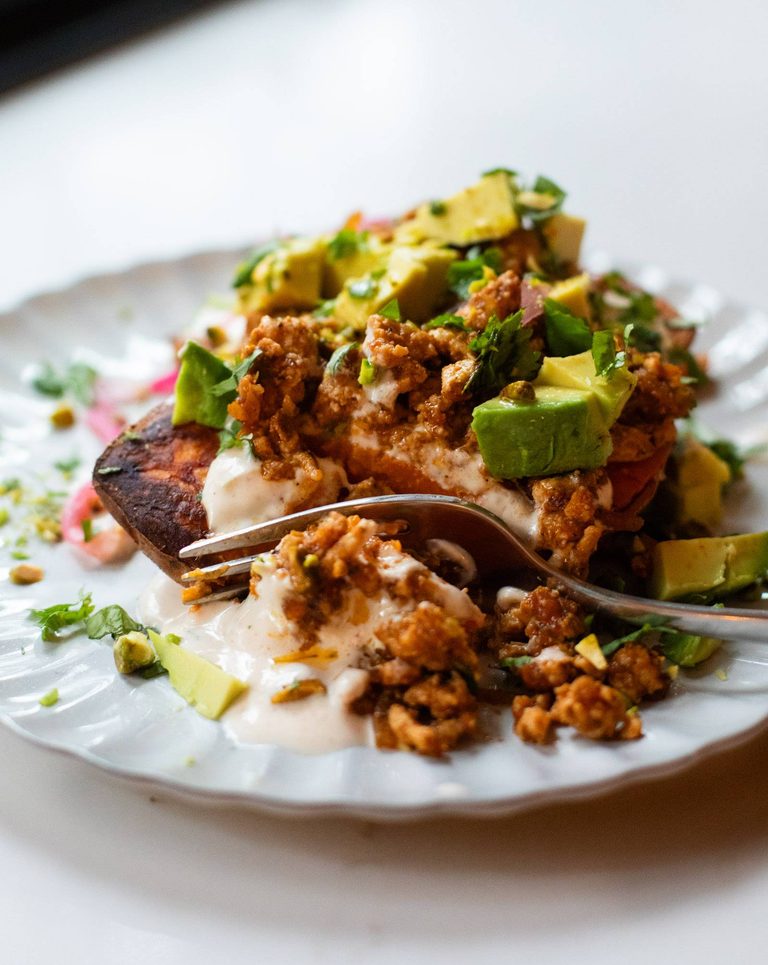
A review of trending nutritional profiles indicates that the most successful dishes are those that balance high-fiber content with rich, savory sauces. For instance, the popularity of roasted sweet potato stacks reflects a trend toward using vegetables as a structural base, replacing refined grains. Similarly, the surge in "broth-based" meals—such as lemongrass chicken or lentil soups—highlights a preference for hydration-focused nutrition that remains satisfying.
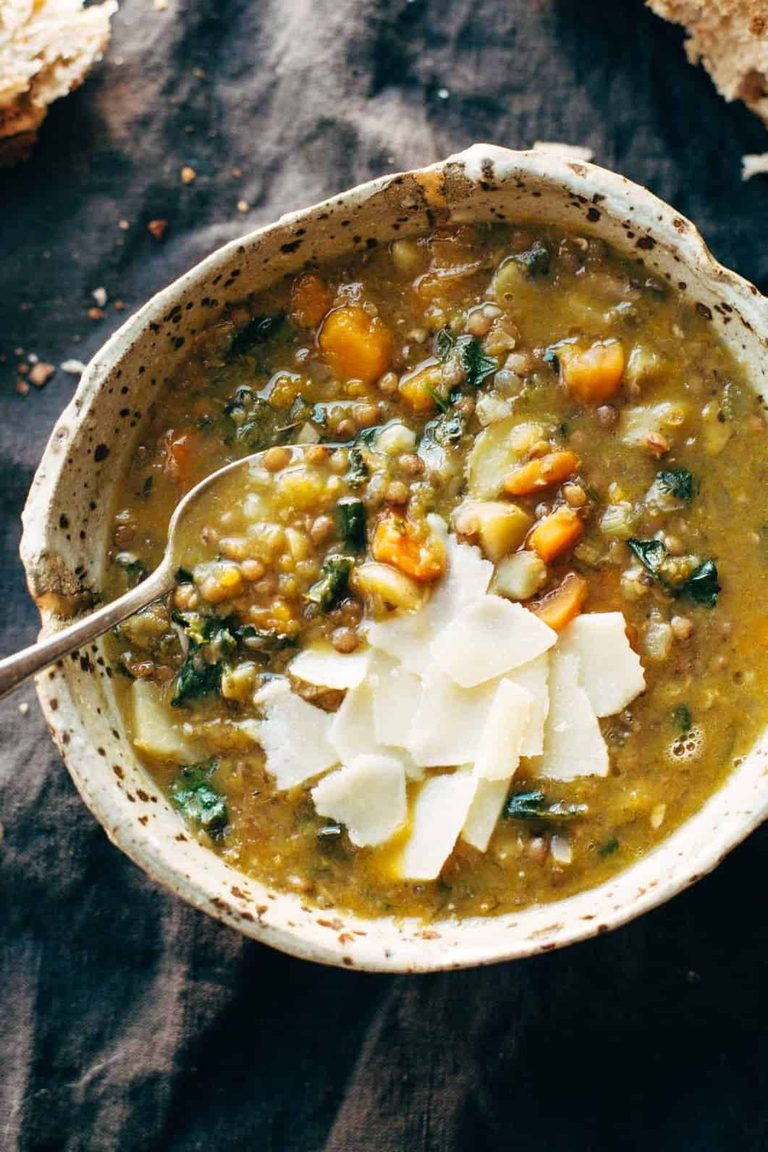
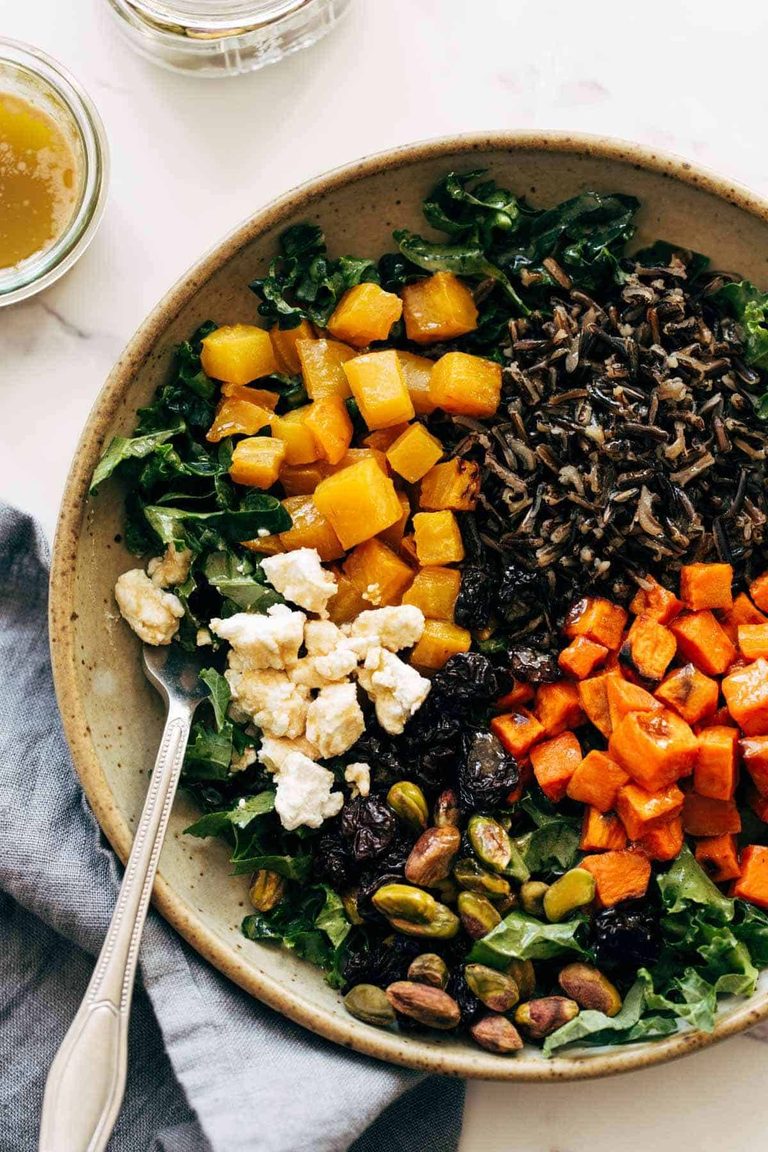
Market analysis shows that consumers are increasingly looking for "meal-prep friendly" options. Dishes that retain their structural integrity and flavor profile over several days—such as grain bowls with balsamic-dressed root vegetables or curry-based chickpea stews—are currently outperforming traditional, single-serve recipes. This is largely attributed to the increasing demand for convenience among working professionals who prioritize health but face time constraints.
Expert Perspectives on Seasonal Nutrition
Public health experts and registered dietitians advocate for this shift toward whole-food consumption. Dr. Aris Thorne, a specialist in nutritional epidemiology, notes: "The transition into the darker, colder months provides a unique opportunity to reset one’s dietary intake. By centering meals around the late-harvest produce that is naturally available, individuals consume a wider variety of phytonutrients. Furthermore, the practice of home-cooking these specific ingredients—which often require longer preparation times—encourages mindfulness in eating, which is a significant factor in long-term weight management and metabolic health."

The Economic and Environmental Impact
Beyond personal health, the move toward seasonal eating carries significant environmental implications. By aligning consumption with local agricultural cycles, households can reduce their carbon footprint associated with long-distance food transport. Furthermore, purchasing seasonal produce, such as Brussels sprouts and kale during their harvest, is generally more cost-effective for the average consumer, helping to mitigate the impact of food inflation.

The "bowl" phenomenon—the dominant presentation style for many healthy fall recipes—is also economically efficient. By combining grains, greens, proteins, and a flavorful sauce, consumers can maximize the utility of their grocery purchases, minimizing waste by incorporating leftovers into new, cohesive meals.

Broader Implications for Public Health
The widespread adoption of these dietary habits could have long-term public health benefits. If the current trend toward incorporating more lentils, chickpeas, and roasted vegetables persists, there is potential for a measurable improvement in national fiber intake levels, which are currently below the recommended daily allowance for a significant portion of the population.
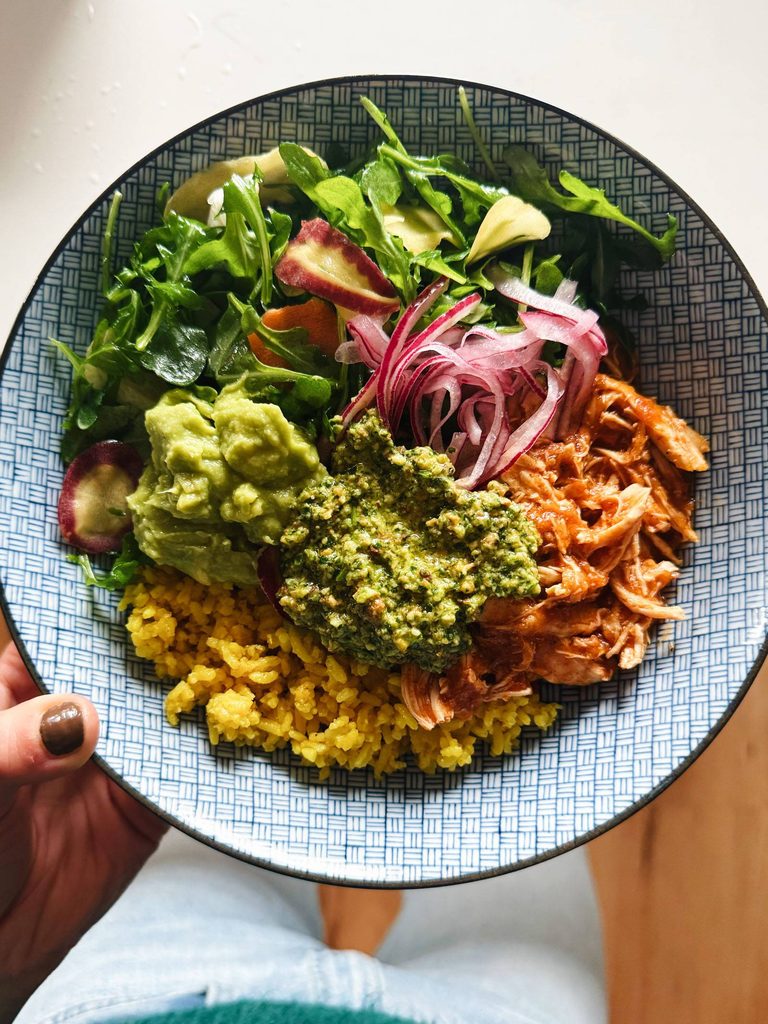
Furthermore, the emphasis on "healing" soups and bowls suggests a shift toward viewing food as a form of preventative medicine. When consumers prioritize ingredients like ginger, garlic, and turmeric, they are essentially engaging in a form of self-care that reinforces the immune system.
Conclusion
The evolution of the modern fall dinner is a testament to the intersection of traditional culinary wisdom and contemporary nutritional science. As the climate changes and the season deepens, the focus remains on creating meals that are as nourishing as they are satisfying. Whether through the use of an Instant Pot to create efficient lentil curries or the roasting of root vegetables for nutrient-dense grain bowls, the emphasis on high-quality, seasonal ingredients is a sustainable trend that continues to shape the future of home-based nutrition.
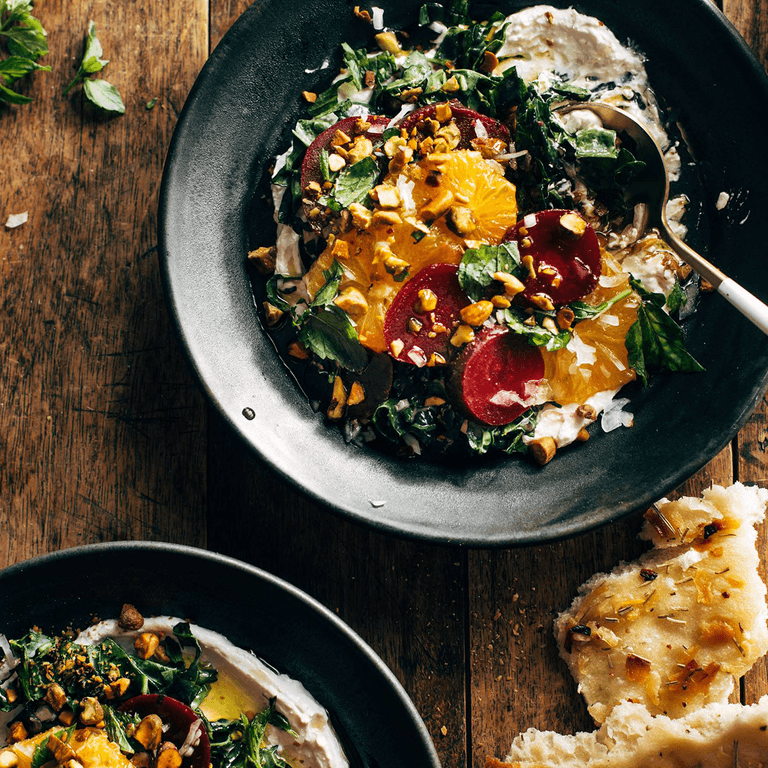
As winter approaches, the data suggests that those who maintain these routines—prioritizing complex carbohydrates, anti-inflammatory spices, and plant-forward proteins—are better positioned to maintain their energy levels and physical health throughout the remainder of the year. The future of the seasonal kitchen is not found in complex, inaccessible ingredients, but in the sophisticated application of simple, earth-grown produce, prepared with an eye toward both flavor and long-term wellness.
Related posts: