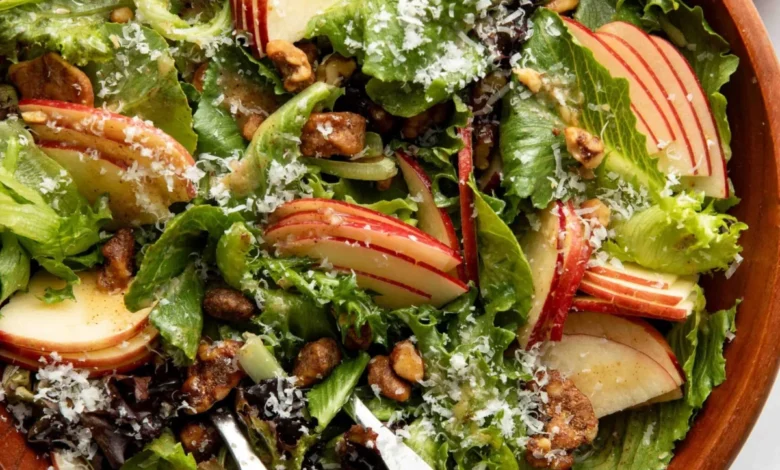
The search for the perfect holiday side dish often presents a culinary dilemma: finding a balance between festive presentation, seasonal flavor, and broad dietary inclusivity. As households across the country prepare for the Thanksgiving and Christmas seasons, the demand for recipes that cater to diverse palates—including those with specific aversions to traditional ingredients like kale, beets, or Brussels sprouts—has surged. A new, accessible approach to the holiday salad, characterized by a cider-based vinaigrette and crisp apple profiles, is emerging as a preferred solution for home cooks seeking to streamline their seasonal menus.
The Evolution of Holiday Dining Preferences
Historically, American holiday menus have been anchored by heavy, carbohydrate-dense staples. However, the last decade has seen a significant shift toward lighter, produce-forward accompaniments. Culinary data suggests that modern hosts are increasingly prioritizing "crowd-pleaser" dishes that avoid polarizing ingredients. While bitter greens like kale and cruciferous vegetables such as Brussels sprouts have long been staples of the Thanksgiving table, market research indicates that a significant portion of the population finds these flavors challenging.
The movement toward more approachable salads, such as those utilizing mild greens, seasonal fruits, and balanced vinaigrettes, reflects a broader trend in professional and home catering. By incorporating textures and flavors that are globally recognized—such as the crunch of nuts and the sweetness of orchard fruits—these salads bridge the gap between traditional festive aesthetics and universal appeal.

Chronology of Preparation and Implementation
For those tasked with the responsibility of contributing to a shared meal, efficiency is as critical as flavor. Experts in home economics suggest a structured approach to holiday meal preparation that minimizes stress on the day of the event.
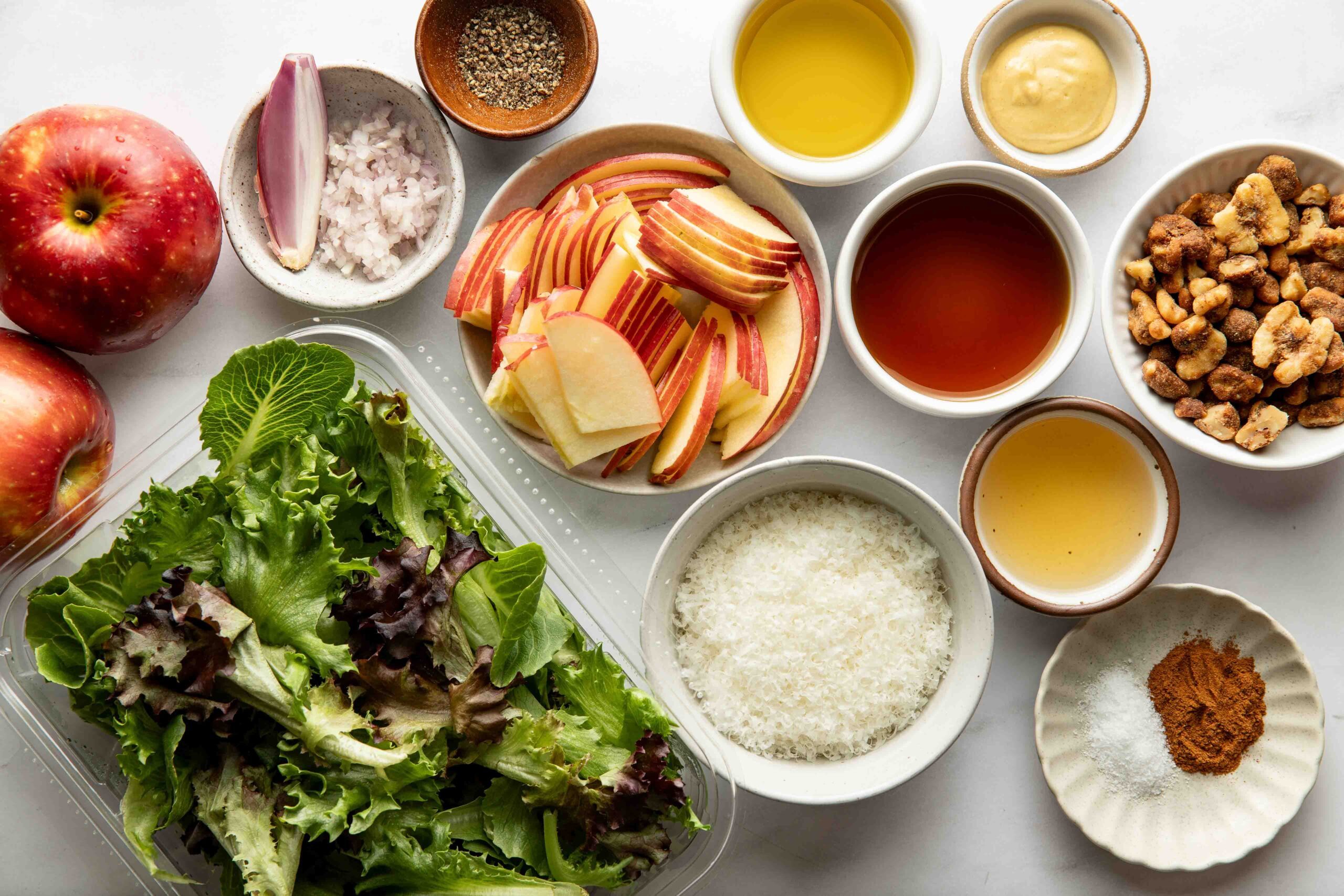
- Advance Mise-en-Place: Ingredients such as shallots, apples, and hard cheeses should be processed in advance. Mincing shallots and slicing apples shortly before service prevents oxidation, though storage in airtight containers can maintain freshness for several hours.
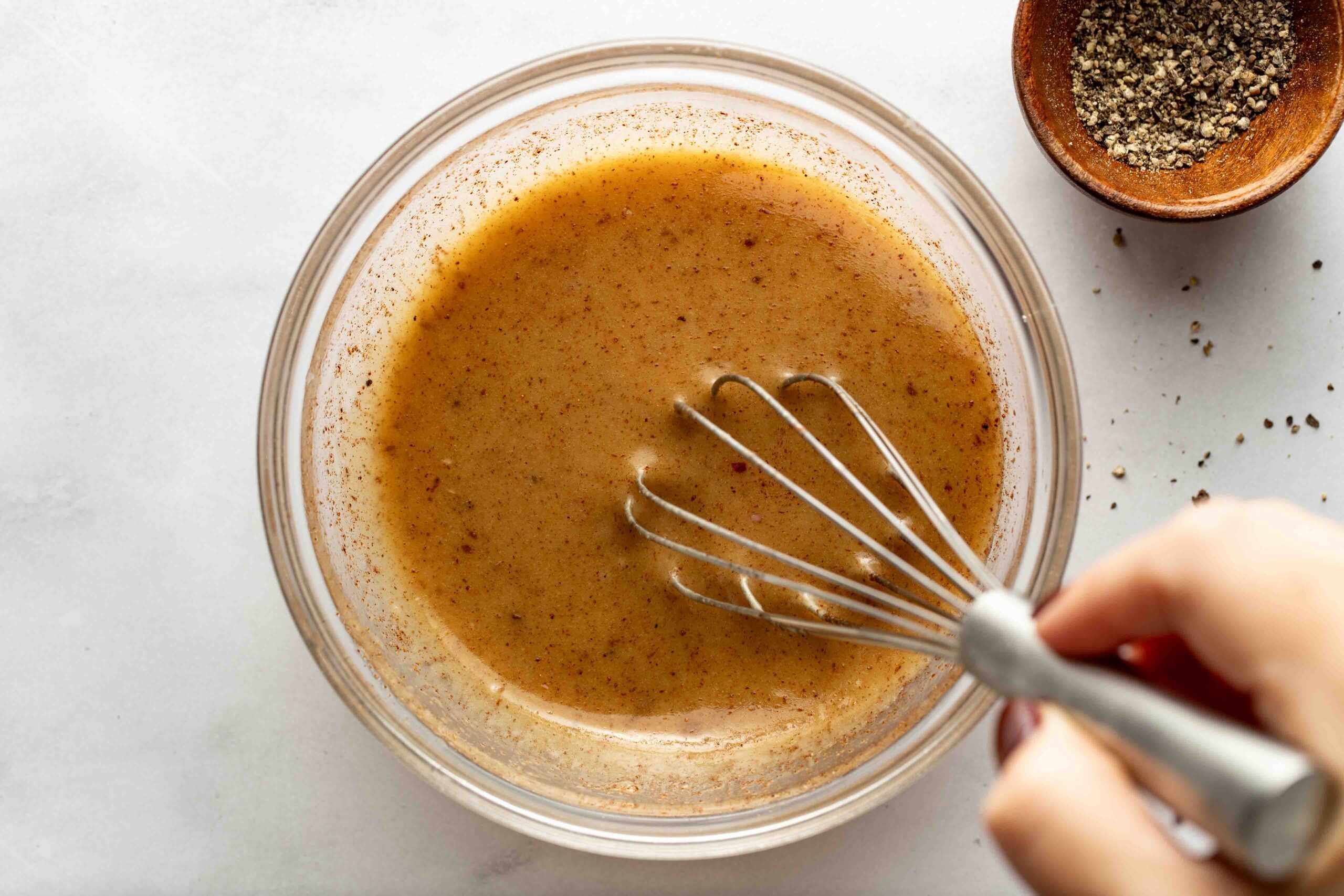
- Vinaigrette Emulsification: The preparation of a cider-based dressing, which combines the acidic brightness of cider vinegar with the warmth of maple syrup and autumnal spices like cinnamon, can be completed days ahead. Storing this mixture in the refrigerator allows the flavors to meld, improving the final profile of the dish.
- Staging for Assembly: To ensure optimal texture, the final tossing of the salad with the dressing should occur no more than ten minutes before service. Reserving a portion of the garnishes—specifically the candied nuts and additional cheese—allows the presenter to curate a visually appealing top layer, which serves to enhance the dish’s aesthetic impact.
Nutritional and Dietary Considerations
One of the primary advantages of this specific salad iteration is its adaptability. From a nutritional standpoint, the integration of fresh fruit provides a necessary fiber boost to an otherwise heavy holiday meal. Furthermore, the selection of ingredients allows for simple modifications to accommodate common food allergies.
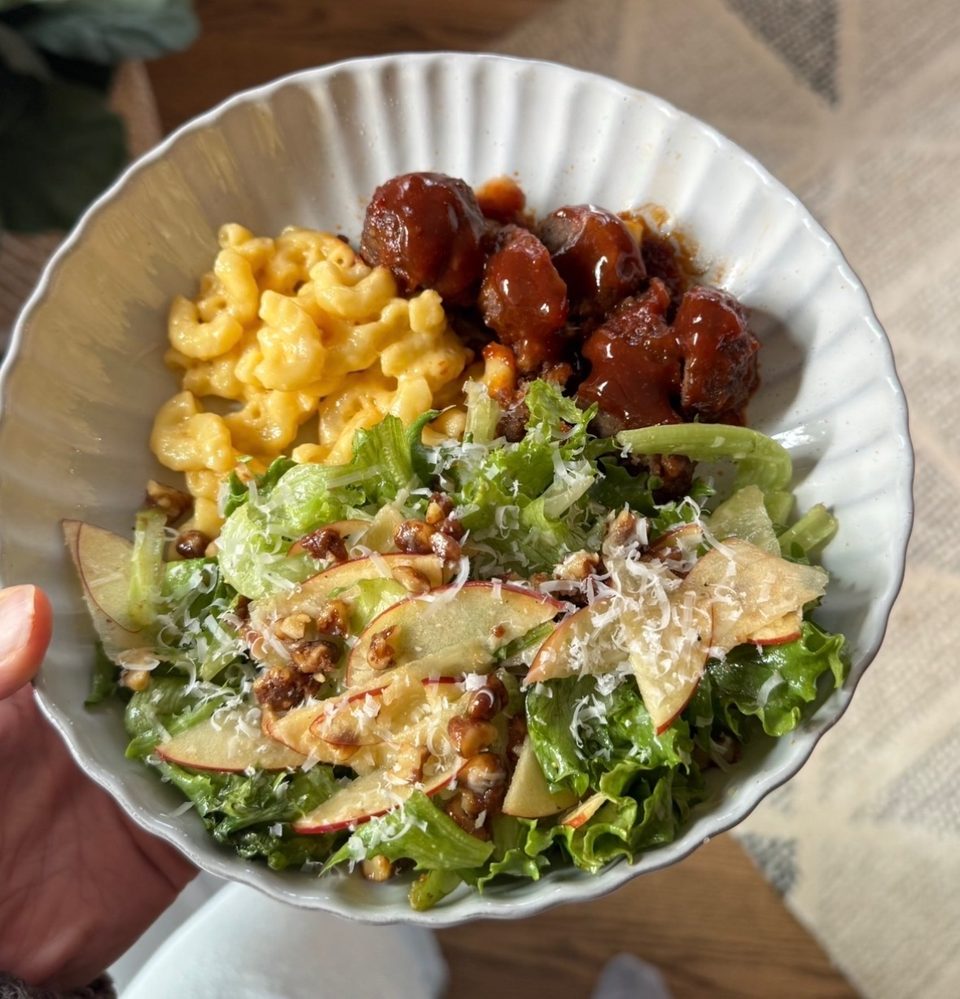
The substitution of traditional walnuts or pecans with candied pepitas (pumpkin seeds) is a frequently recommended adjustment for gatherings where nut allergies are a concern. This modification does not compromise the textural integrity of the salad, as pepitas provide a similar "snap" and can be candied using the same maple or sugar-based processes as tree nuts. Additionally, the use of a cider-based vinaigrette avoids the common allergens associated with creamy, dairy-based dressings, making the dish accessible to a wider demographic of guests.
Economic and Logistical Implications
The cost-effectiveness of this menu choice is also noteworthy. As inflation impacts the grocery sector, home cooks are increasingly turning to recipes that rely on pantry staples and affordable seasonal produce. Apples, shallots, and basic cheese varieties are among the most budget-stable items in the produce aisle, especially during the fourth quarter.

Moreover, the logistical benefit of a "no-fuss" salad cannot be overstated. When a host is balancing the timing of a roasted turkey, complex casseroles, and dessert preparation, a salad that requires no heat and minimal assembly acts as a vital tool for maintaining kitchen flow. According to culinary consultants, simplifying the side dish component of a holiday meal is the most common recommendation for reducing household stress during the peak festive season.
Market Trends in Festive Culinary Arts
The popularity of the "Holiday Salad with Cider Vinaigrette" archetype mirrors current shifts in food media. Recipe developers are reporting that search traffic for "simple holiday salads" peaks significantly in mid-November and continues through late December. This data highlights a clear consumer desire for recipes that look sophisticated enough for a formal table but require minimal technical skill.
The professional consensus is that the "modern holiday salad" must satisfy three criteria:
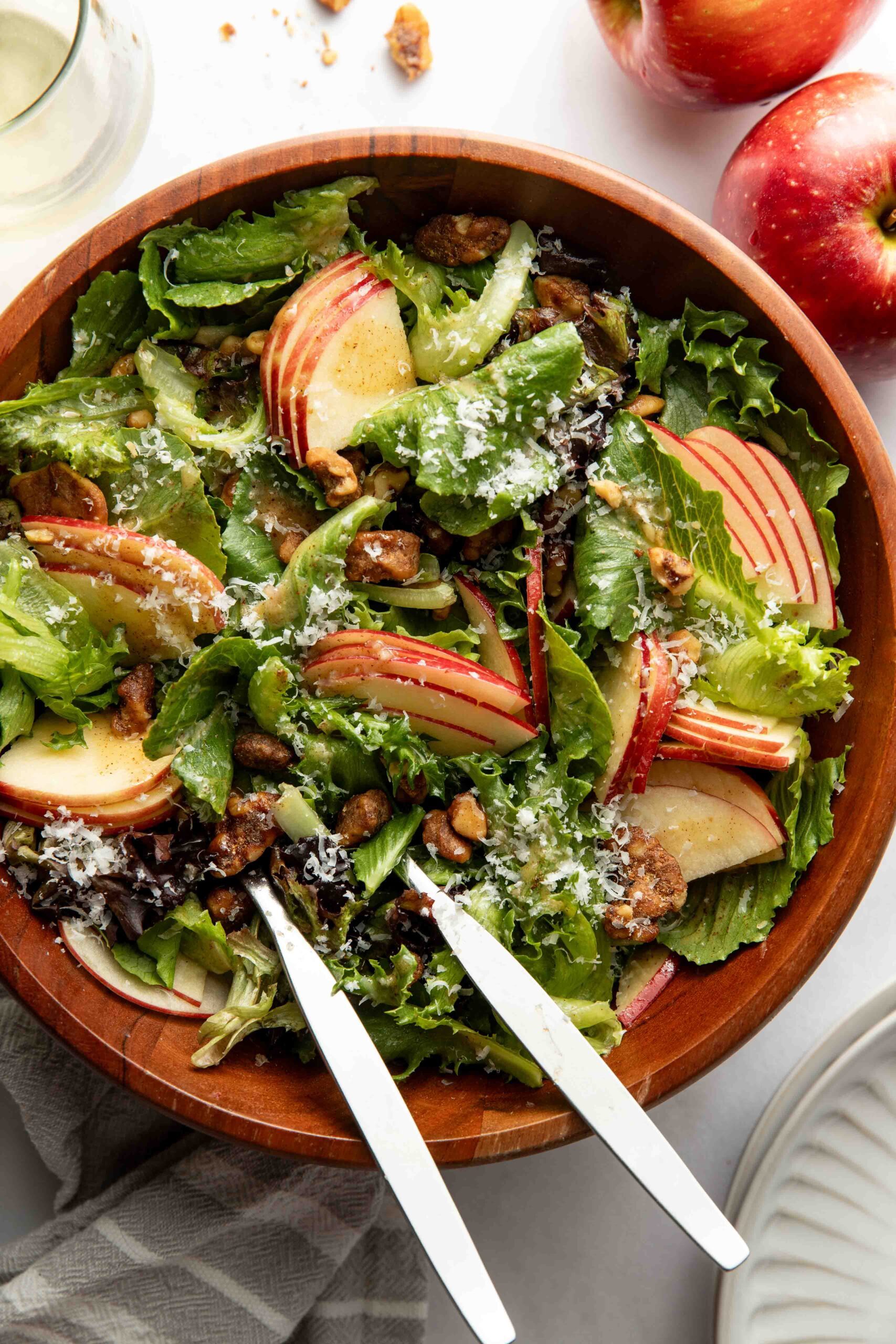
- Visual Appeal: The combination of bright red or green apple slices against dark greens creates the "festive" color profile expected at holiday tables.
- Texture Contrast: The inclusion of a crunchy element (nuts or seeds), a soft element (cheese), and a crisp element (fruit) ensures a balanced eating experience.
- Flavor Harmony: The vinaigrette must act as a bridge between the savory components of the main course and the sweet notes of the dessert.
Broader Impact on Traditional Gatherings
The integration of such a salad into the holiday canon represents a transition away from rigid adherence to traditional recipes. While staples like cranberry sauce and stuffing remain non-negotiable for many families, the salad course has become the primary space for innovation.
This evolution also suggests that hosts are becoming more attuned to the diverse dietary needs of their guests. By opting for a salad that is naturally gluten-free and easily made nut-free, the host reduces the anxiety surrounding communal dining. It transforms the salad from an afterthought into a deliberate, inclusive centerpiece of the meal.
Concluding Perspectives on Seasonal Planning
As families finalize their menus for the upcoming season, the emphasis remains on balance. The adoption of a versatile, cider-dressed salad provides a reliable solution to the logistical hurdles of holiday hosting. By prioritizing ingredients that are widely accepted and methods that allow for advance preparation, cooks can ensure that their contribution to the meal is both high-quality and stress-free.
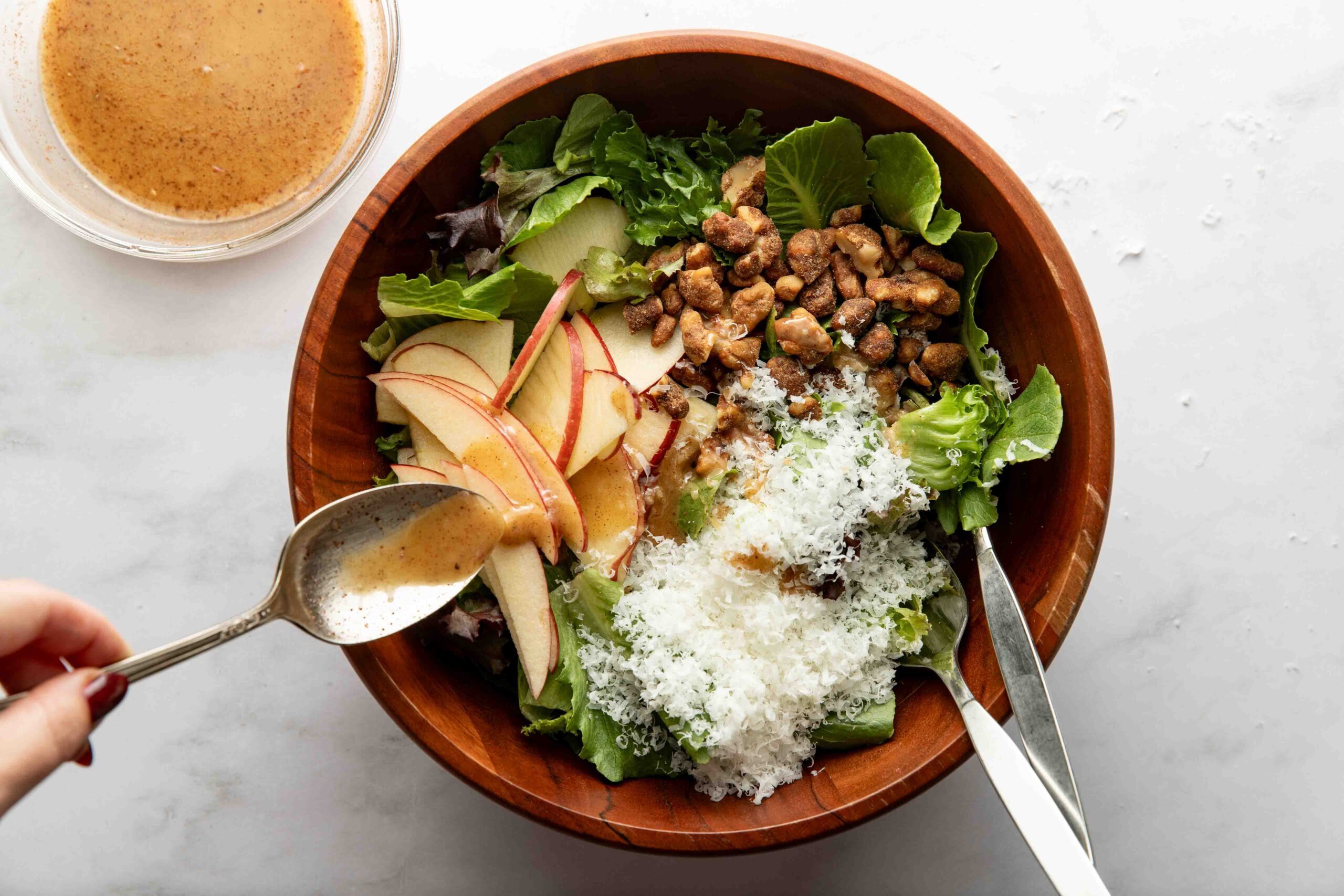
Whether served in a large, communal bowl or plated individually to ensure portion control and presentation, this approach to the holiday salad demonstrates that simple, high-quality ingredients often yield the most successful results. As the industry moves toward more inclusive dining, the standard for a successful holiday side dish will continue to be defined by its ability to bring diverse groups of people together around a shared, accessible, and flavorful experience. The ongoing shift in home cooking trends suggests that this "new favorite" will likely become a recurring presence in holiday traditions for years to come, proving that sometimes, the most sophisticated answer to a complex problem is the most straightforward one.