ven-Free Thanksgiving Desserts: How Home Cooks Are Reclaiming Kitchen Real Estate and Streamlining Holiday Meal Preparation
As the Thanksgiving holiday approaches, commercial supply chains and household kitchens alike experience a familiar bottleneck: the severe competition for oven space. For generations, the traditional Thanksgiving menu—anchored by a whole roasted turkey, roasted root vegetables, casseroles, and homemade bread—has placed an immense logistical burden on a single domestic appliance. According to culinary logistics data compiled by home economics researchers, oven capacity is cited by nearly 65% of holiday hosts as their primary operational challenge on Thanksgiving Day. In response to this perennial kitchen bottleneck, an increasing number of culinary professionals and home cooks are adopting a strategic shift toward oven-free, no-bake desserts. This movement is not merely a matter of convenience; it represents a calculated restructuring of holiday meal preparation that maximizes efficiency, reduces food safety risks associated with oven overcrowding, and ensures that the dessert course receives equal culinary attention without compromising the main course.
The historical evolution of Thanksgiving dinner preparation has always required meticulous time management. In the early 20th century, standard domestic stoves were smaller, prompting cooks to rely heavily on stovetop cooking, steaming, and pantry preservation. Over the decades, as ovens grew larger and convenience foods proliferated, the expectation for a multi-course, entirely oven-baked feast became deeply engrained in cultural traditions. However, contemporary nutritional and culinary trends point toward a more flexible approach. Professional pastry chefs and food scientists note that desserts relying on refrigeration, setting agents, or simple stovetop reductions can often achieve superior textural contrasts compared to their baked counterparts. By decoupling dessert preparation from the oven cycle, hosts can mitigate the thermal management issues that frequently plague holiday kitchens, where maintaining precise baking temperatures becomes difficult when the oven door is repeatedly opened to baste a turkey or check side dishes.
The timeline for executing an oven-free Thanksgiving dessert strategy typically begins up to a week prior to the holiday, allowing hosts to distribute labor evenly rather than concentrating all tasks on Thanksgiving morning. Culinary timelines suggest a structured approach:
Seven to Four Days Prior: Long-lead items such as no-churn ice creams, frozen components, and certain fudge varieties can be prepared and safely stored in the freezer or refrigerator. Items like no-churn apple cider ice cream or infused truffles benefit from extended chilling periods, which allow flavor profiles to fully mature.
Three to Two Days Prior: Intermediate desserts that require setting time—such as traditional fudges, layered icebox cakes, and refrigerator-dependent cheesecakes—should be assembled during this window. This ensures structural integrity and allows gelatin, starches, or dairy fats to achieve optimal firmness.
One Day Prior: Bite-sized confections, truffles, and component-based assemblies requiring final garnishes are prepared. Storing these items in airtight containers prevents moisture absorption and maintains textural contrast.
Thanksgiving Day Morning: Rapid-assembly items, such as 10-minute no-bake fruit cheesecakes or freshly arranged serving platters (like chocolate-covered espresso beans and pre-portioned cookies), are finalized and placed on display, requiring zero oven intervention.
Culinary experts and home economics analysts emphasize that shifting away from baked desserts yields distinct economic and operational benefits. Food service consultants note that energy consumption in residential kitchens peaks significantly between 11:00 AM and 4:00 PM on Thanksgiving Day. Utilizing refrigerators, microwaves, and stovetops for dessert preparation distributes energy loads more evenly. Furthermore, from a food safety perspective, eliminating the risk of undercooked baked goods—such as a traditional pumpkin pie with a soggy crust caused by fluctuating oven temperatures—reduces culinary failure rates among amateur cooks.
The variety of oven-free desserts available to modern hosts spans several distinct culinary categories, each offering specific textural and flavor advantages suited to the autumn harvest.
No-Bake Cheesecakes and Refrigerator Tarts
Cheesecakes traditionally demand precise water baths and slow cooling processes to prevent surface cracking, making them notorious oven occupants. However, gelatin-set or dairy-stabilized alternatives provide the same luxurious mouthfeel without thermal stress. A strawberry-forward refrigerator cheesecake, for instance, relies on a simple mechanical blend of cream cheese, fruit puree, and a binding agent, requiring only minimal refrigeration to achieve a firm, sliceable consistency. Similarly, individual chocolate and salted caramel cheesecake pots offer portion-controlled elegance. By utilizing microwave-melted dark chocolate and heavy cream, these gluten-free desserts bypass the oven entirely while delivering a sophisticated balance of semi-sweet cocoa and rich caramel notes.
Layered Icebox Cakes and Tarts
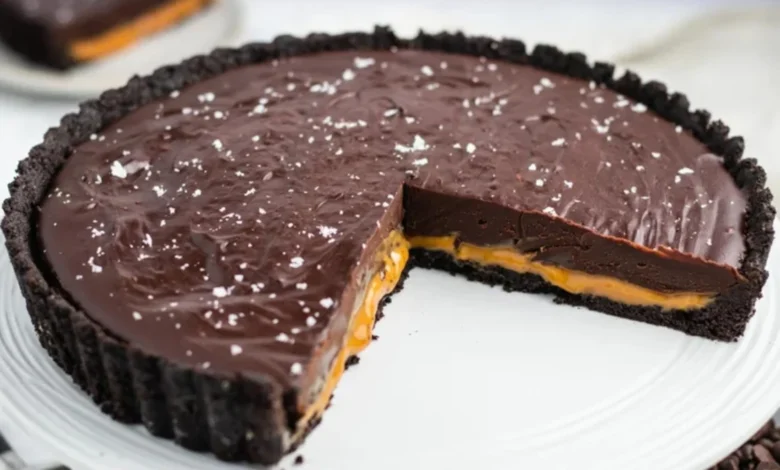
Leveraging the moisture-absorbing properties of biscuits and cookies, icebox cakes transform simple pantry ingredients into cohesive, cake-like structures through passive refrigeration. A caramel apple icebox cake layers spiced apples, a sweetened cream cheese blend, and digestive biscuits, which soften over 24 hours into a decadent structure reminiscent of traditional baked apple desserts. Likewise, chocolate caramel tarts utilize crushed cookie crusts and rich ganache, providing a restaurant-quality presentation that relies entirely on chilling time rather than baking heat.
Bite-Sized Confections and Truffles
As heavy holiday meals often leave guests feeling comfortably full, miniature desserts have surged in popularity at modern gatherings. Pistachio and white chocolate truffles, chocolate-covered espresso beans, and traditional peanut butter buckeyes provide intense flavor profiles in single-bite portions. These confections require basic stovetop melting or simple mixing, followed by extended refrigeration. Their compact footprint on serving tables allows hosts to maximize display space while offering guests the flexibility to graze throughout the day without committing to a heavy, plated slice of pie.
Pumpkin-Infused Innovations
Pumpkin remains an indispensable symbol of Thanksgiving, but the classic baked pie can be easily re-imagined. Using pre-made crusts paired with instant pumpkin spice pudding mixes allows home cooks to replicate traditional flavor notes with minimal effort. Alternatively, white chocolate pumpkin spice truffles and spiced pumpkin fluff—crafted from whipped topping, pumpkin puree, and warm spices—serve dual purposes as rich confections or versatile fruit dips. These options satisfy seasonal cravings while preserving valuable kitchen real estate.
Tiramisu Variations
Bringing an air of European sophistication to the holiday table, tiramisu requires no thermal cooking. Classic coffee-soaked ladyfingers layered with mascarpone and heavy cream offer a rich, creamy profile. For a Thanksgiving-specific twist, pumpkin tiramisu incorporates pumpkin puree alongside traditional spices like ginger and clove. Because these recipes rely on strong coffee or espresso, they appeal particularly to adult demographics, though decaffeinated alternatives can easily be substituted to accommodate all guests.
Apple-Centric No-Bake Creations
Apples embody the sensory experience of autumn. Beyond baked pies, hosts can prepare no-churn apple cider ice cream, which utilizes a stovetop cider reduction folded into a simple cream base, setting entirely in the freezer. Candy apples offer another interactive, oven-free alternative; after preparing the caramel or sugar coating on the stovetop, guests can customize their apples using ramekins filled with chopped nuts, sprinkles, and coconut flakes, turning dessert into an engaging social activity.
Fudge Varieties
Fudge is a cornerstone of no-bake confectionery. Old-fashioned peanut butter fudge and classic chocolate fudge require only basic stovetop or microwave melting of sweetened condensed milk, chocolate chips, and flavor extracts. Yielding large batches suitable for feeding extended families, fudge can be easily customized with mix-ins such as instant espresso powder, marshmallow cream, nuts, pretzels, or freeze-dried raspberries, offering immense versatility for large holiday gatherings.
The broader implications of incorporating oven-free desserts into Thanksgiving planning extend beyond immediate kitchen convenience. Nutritional analysts suggest that no-bake recipes often allow for better control over sugar and fat content through the substitution of dairy alternatives, alternative sweeteners, and fiber-rich additions like oats and seeds. Furthermore, the psychological impact of reducing holiday stress on the host cannot be overstated. By streamlining the preparation timeline and eliminating the anxiety of oven mismanagement, hosts are better positioned to enjoy the social aspects of the holiday. As culinary traditions continue to adapt to modern lifestyles, the integration of sophisticated, oven-free desserts stands out as a permanent, highly practical evolution in holiday entertaining.