The global convenience food market has undergone a dramatic evolution over the past century, yet few segments have matched the enduring commercial resilience of boxed baking mixes. While contemporary consumers rely heavily on pre-made formulations to save time in an increasingly fast-paced world, this reliance is hardly a modern phenomenon. Market research firm Fortune Business Insights valued the global cake mix market at more than $2.8 billion, projecting continued steady growth as home baking remains a popular culinary pastime. However, the cultural obsession with instantaneous baking traces its roots back to the post-World War II economic boom, reaching a distinct zenith during the 1960s.
The Rise of Convenience Baking in Postwar America
The genesis of commercial pre-made baking mixes dates back to the early 20th century, initially developed to streamline flour milling operations and utilize surplus agricultural goods. However, it was not until the 1950s—spurred by technological advancements in dehydration, emulsification, and packaging—that these products truly captured the American consumer base. By the 1960s, supermarket aisles were saturated with a dizzying array of boxed options. Food conglomerates competed aggressively for dominance, investing heavily in product research, vibrant packaging, and extensive advertising campaigns across television and print media.
While certain products introduced during this era, such as Betty Crocker’s Angel Food Cake Mix, successfully navigated shifting consumer preferences to remain supermarket staples decades later, many others faded into obscurity. These discontinued formulations offer a compelling window into the culinary trends, marketing strategies, and domestic ideals of mid-century America. Examining these lost products reveals how food manufacturers constantly experimented with novel flavor profiles, cultural nostalgia, and convenience-driven engineering to capture the attention of the modern housewife.
Betty Crocker Country Kitchen Cake Mix
In 1960, General Mills recognized that maintaining market share required outperforming competitors in texture, moisture, and overall richness. The company responded by launching the Betty Crocker Country Kitchen Recipe Cake Mix line, explicitly engineered to deliver superior culinary results compared to existing formulations. The marketing campaign featured the iconic, albeit fictional, corporate persona Betty Crocker—portrayed by various actresses in television commercials—assuring consumers that the product baked up with authentic "Country Kitchen" quality.
Available in eight distinct varieties, the line featured popular flavor profiles of the era, including Devil’s Food, Black Walnut, and White Cake. The White Cake variant served as a versatile foundation for numerous decorative baked goods, notably the Pink Azalea Cake, a cherry-flavored confection featured prominently in the 1950 edition of "Betty Crocker’s Picture Cook Book." Although the product line was eventually discontinued as consumer tastes shifted toward simpler preparation methods and different flavor profiles, retro advertising historians and vintage memorabilia enthusiasts frequently revisit these mid-century campaigns. Online communities dedicated to mid-century advertising often express fascination with the visual appeal of the original promotional materials, highlighting the enduring aesthetic power of 1960s food packaging.
The Corporate Synergy of Betty Crocker and Dole Pineapple
The mid-1960s marked an era of aggressive cross-brand collaboration, as food corporations sought to leverage the brand equity of established partners to drive consumer interest. General Mills achieved this by partnering with the Hawaiian pineapple giant Dole to introduce the Betty Crocker Dole Pineapple Cake Mix, accompanied by complementary product extensions such as Dole Pineapple Frosting Mix and Dole Pineapple Chiffon Cake Mix.
Distinct from traditional pineapple upside-down cake mixes, these formulations were engineered to produce a sponge that was simultaneously fluffy, tangy, moist, and creamy. Marketing departments leaned heavily into escapist fantasies, utilizing print advertisements featuring models wearing floral leis and holding fresh fruit to transport consumers away from suburban kitchens to tropical locales. Despite the creative marketing synergy, the product eventually fell victim to shifting corporate portfolios and changing consumer palates. Food historians note that while fruit-flavored baked goods remain popular, the specific chemical formulations and convenience mixes of that era were phased out to make way for modern manufacturing efficiencies and cleaner label declarations.
Pillsbury’s Pink Lemonade Angel Food Cake
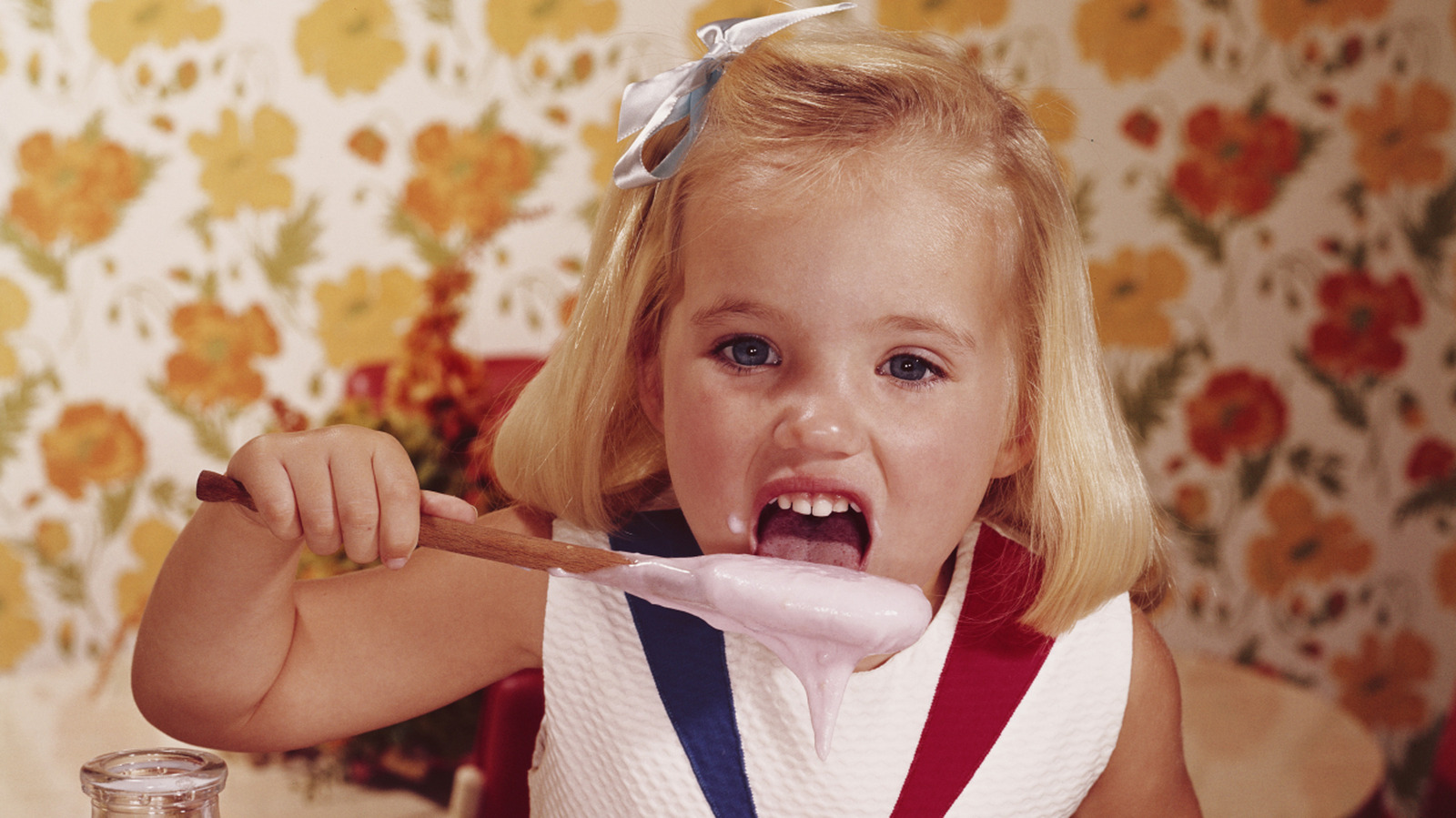
While General Mills dominated significant portions of the market, Pillsbury remained its chief rival, continually innovating to capture the attention of American households. Among Pillsbury’s most notable mid-century introductions was the Pink Lemonade Angel Food Cake Mix, launched in 1961. Designed to be paired with the brand’s proprietary Fluffy Pink Lemonade Frosting Mix, the product aimed to deliver a vibrant, refreshing, and visually striking dessert experience that paralleled the brightly colored consumer goods of the era, such as the newly introduced Barbie Dreamhouse.
Despite its whimsical appeal, the product presented notable logistical challenges for home bakers. Preparing an authentic angel food cake from the commercial mix required separating and whipping the whites of up to 14.4 eggs—more than double the egg content required for a standard modern cake. This high labor requirement, combined with the gradual evolution of home baking habits toward simpler, all-in-one preparation methods, contributed to the eventual discontinuation of the product line. Nevertheless, the recipe itself survived through institutional culinary preservation, appearing in Pillsbury’s "Best of the Bake Off Collection" cookbook published in 1959, allowing dedicated culinary historians to recreate the confection today.
Pillsbury’s Fudge Macaroon Mix
Innovation in the 1960s baking aisle frequently extended beyond basic flavor combinations to include complex texturizing elements. Pillsbury demonstrated this approach with its Fudge Macaroon mix, which incorporated real bits of macaroon and coconut pieces directly into the accompanying frosting formulation. The product was positioned as a sophisticated, upscale offering, distinct from standard family-style desserts. Print advertisements from the era often featured glamorous imagery, such as a woman dressed in formal evening wear holding a slice of cake while draped in a feather boa.
Despite the high-fashion marketing approach, the product resonated deeply with domestic consumers, particularly children who grew up during the decade. For many families, the mix served as a staple for celebratory occasions and birthdays. Culinary sociologists note that products like the Fudge Macaroon mix highlight a distinct paradox in mid-century food marketing: manufacturers utilized elite, aspirational imagery to market products that were ultimately consumed in suburban, family-centric environments.
Duncan Hines Dutch Topping Mixes
Duncan Hines, another foundational titan of the American baking industry, contributed significantly to the convenience food revolution of the 1960s with the introduction of its Dutch Topping Mixes. First advertised in the early 1960s, these products introduced a novel packaging concept by combining both the cake batter base and the streusel-style topping within a single box. This innovation allowed home bakers to apply the crumb topping directly onto the batter before placing the pan into the oven, streamlining the baking process significantly.
The product line was offered in three primary varieties: Apple ‘N Spice, Cinnamon Raisin, and Butterscotch Crunch. While marketed exclusively under the Duncan Hines banner, the conceptual inspiration was drawn from traditional Pennsylvania Dutch Crumb Cake, known for its distinctive buttery, crumbly texture and spiced flavor profile. Duncan Hines openly acknowledged this cultural origin in its print advertising, describing the product as "a happy idea from the Pennsylvania Dutch." Over time, as consumer preferences shifted toward standardized, multi-purpose cake bases and frostings, specialized topping mixes were gradually phased out of mass production.
Duncan Hines Early American Cake Mixes
The cultural landscape of the 1960s was heavily influenced by a collective fascination with American frontier history, evidenced by the proliferation of Western television programs and cinematic releases. Recognizing this trend, Duncan Hines sought to capitalize on historical nostalgia by releasing its Early American Cake Mix line in 1961. Promotional campaigns for the product featured women dressed in traditional colonial American attire preparing baked goods over open hearths, drawing a direct marketing parallel between pioneer resourcefulness and modern convenience cooking.
The product line comprised five distinct flavor profiles: Applesauce Raisin, Fudge Nut, Butter Pecan, Cherry Almond, and Date Nut. The underlying marketing strategy relied on the unverified premise that historical, pioneer-era recipes possessed superior flavor characteristics compared to contemporary industrial formulations. While the Early American line was eventually retired as marketing trends pivoted toward modern space-age efficiencies rather than historical nostalgia, the products reflect a fascinating moment when food manufacturers utilized historical identity to sell processed convenience goods. Today, culinary historians draw a sharp distinction between the rich, spiced, and nut-laden cakes marketed by mid-century conglomerates and the actual subsistence diets of nineteenth-century pioneers, which relied heavily on dried fruits, cornmeal, and basic grains.