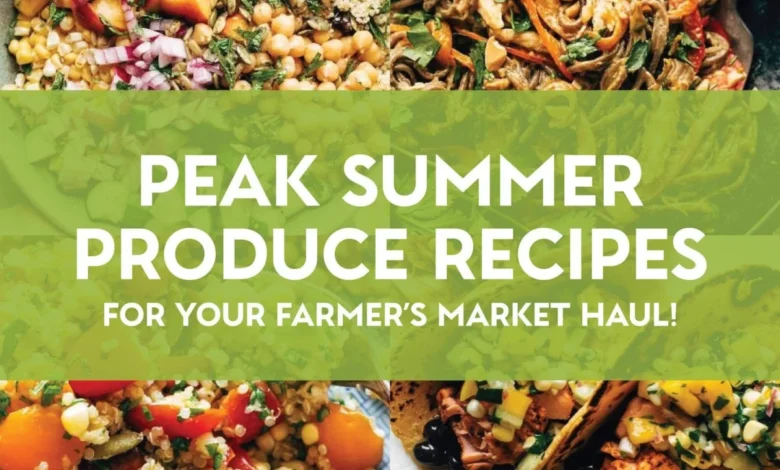
The Economic and Nutritional Landscape of Summer Produce
According to data from the United States Department of Agriculture (USDA), the number of farmers’ markets has seen a significant increase over the past decade, reflecting a growing public demand for transparency in food sourcing and a preference for local economic support. Economically, these markets serve as critical hubs for small-scale producers who rely on the summer surge to sustain their operations. Nutritionally, the consumption of produce at its peak ripeness ensures a higher concentration of vitamins and antioxidants compared to out-of-season produce that must be transported over long distances.
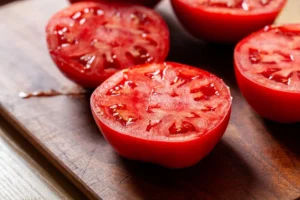
The chemical composition of summer staples like tomatoes and bell peppers is notably superior when harvested during their natural window. Tomatoes, for instance, are rich in lycopene—a powerful antioxidant—while sweet corn provides essential fiber and lutein, which is beneficial for ocular health. Zucchini and other summer squashes offer high water content and vitamin C, making them ideal for hydration and immune support during high-temperature months.
A Chronological Overview of the Summer Harvest
The availability of summer produce follows a specific chronological trajectory influenced by soil temperature and daylight hours. Understanding this timeline allows for better meal planning and more efficient purchasing strategies.
Early Summer (June – Early July)
The season typically commences with the arrival of strawberries and early greens. Strawberries are often the first major fruit to appear, signaling the transition from spring to summer. This period also sees the emergence of snap peas and early-season cucumbers, which thrive in the mild, increasing heat of early summer.
Mid-Summer (July – August)
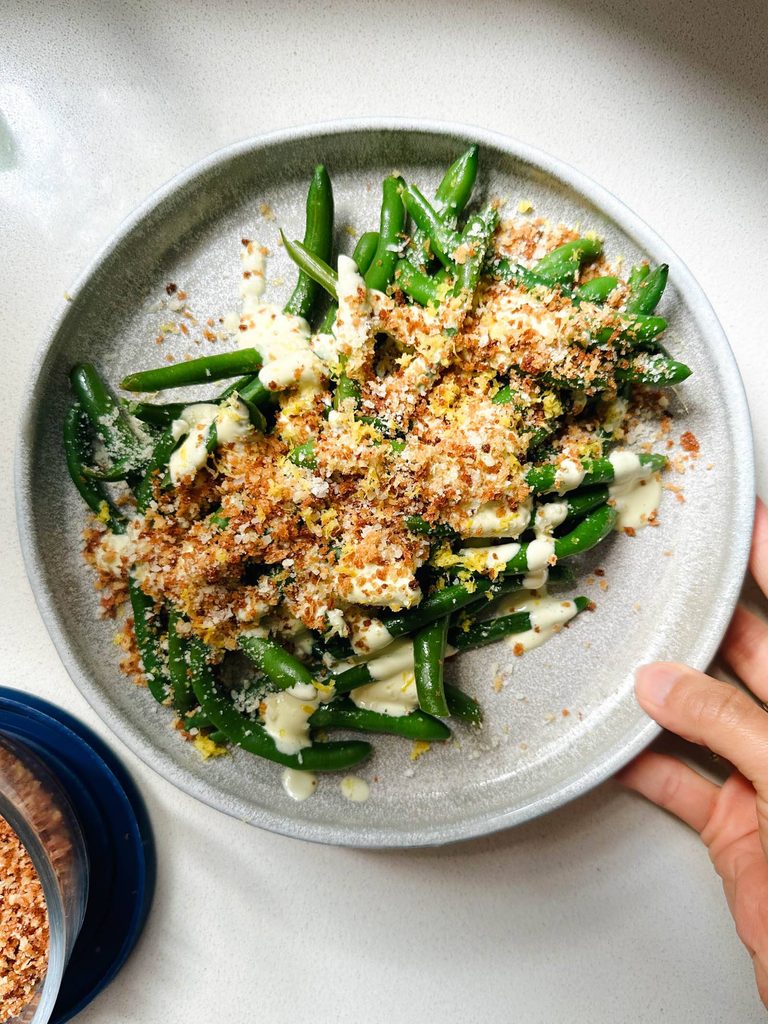
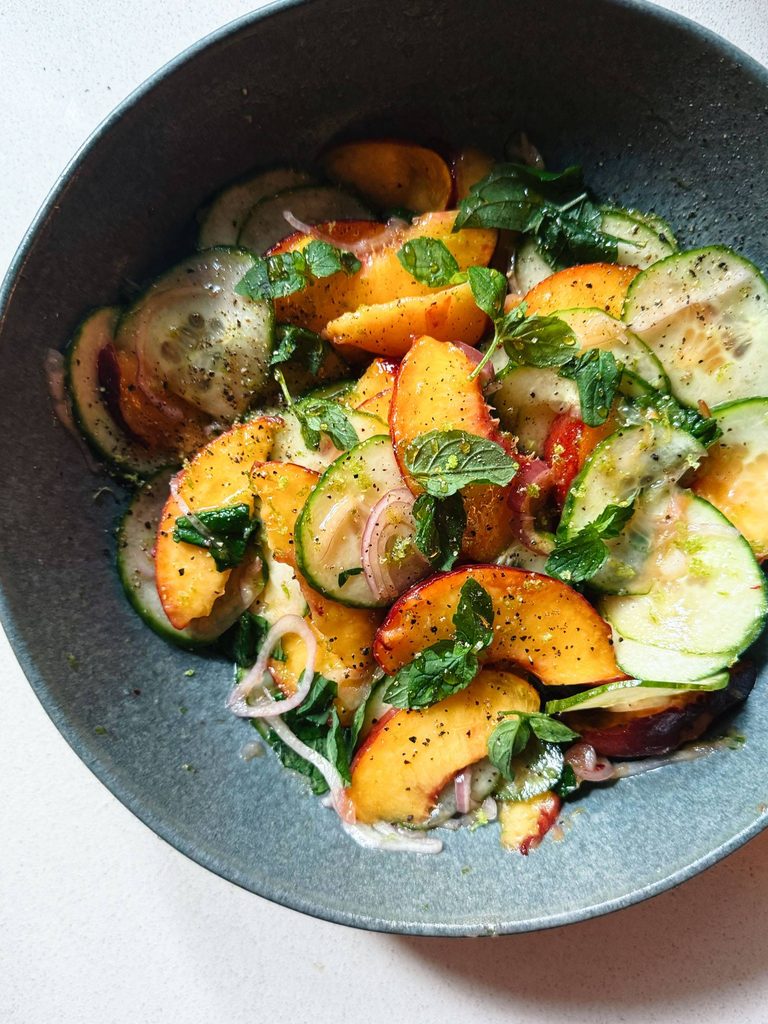
As temperatures stabilize at their peak, the harvest shifts toward heat-intensive crops. This is the primary window for sweet corn, green beans, and the initial varieties of field-grown tomatoes. It is also the peak period for stone fruits, including peaches and nectarines, which require significant solar exposure to develop their sugar content.
Late Summer (August – September)
The concluding phase of the summer harvest is characterized by an abundance of peppers, eggplants, and the final yields of zucchini. This period often sees the most flavorful tomatoes, as the vines have had the entire season to concentrate nutrients and sugars. It is during this time that many consumers engage in preservation activities, such as pickling and saucing, to extend the utility of the harvest into the autumn months.
Culinary Applications for Peak Harvest Yields
To effectively manage the influx of produce acquired during a typical market visit, culinary experts recommend a multi-tiered approach to meal preparation. This includes the integration of fresh items into raw salads, the development of quick-cooking main courses, and the use of surplus items in baked goods.
Innovations in Salads and Grain Bowls
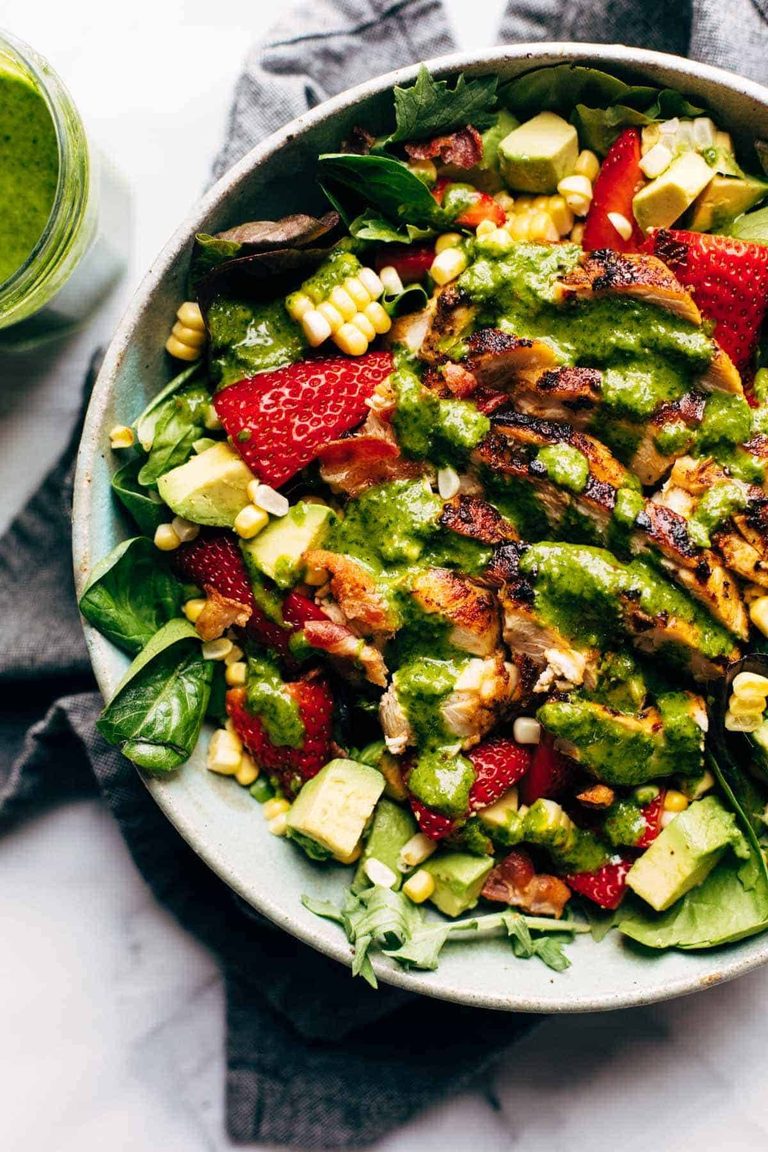
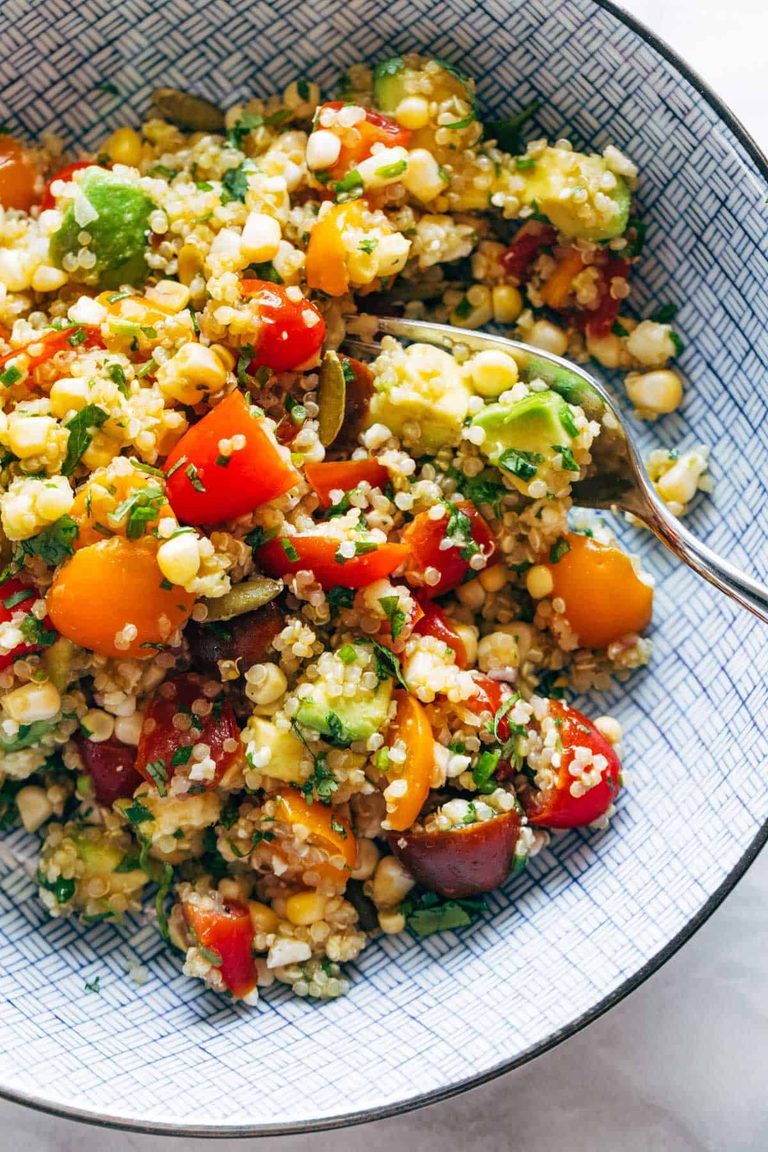
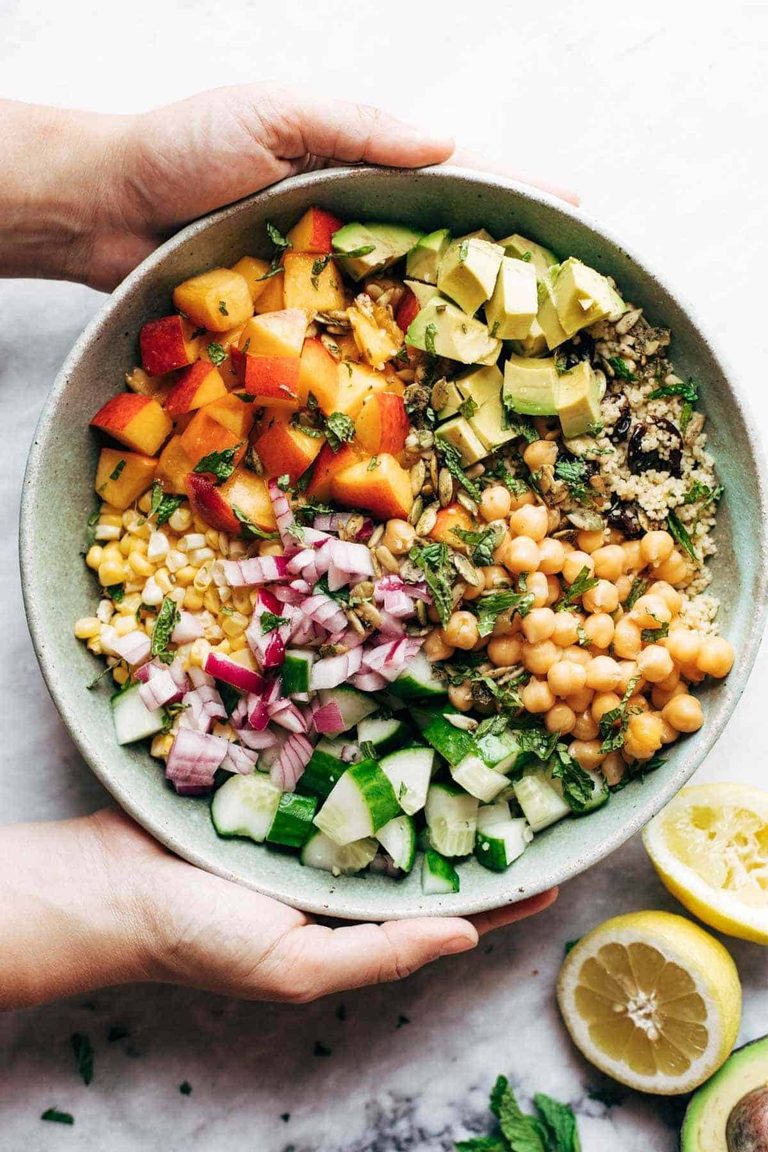
The modern culinary approach to summer salads has moved beyond simple greens to incorporate complex grains and diverse textures. The "Summer Chipotle Chicken Cobb Salad" serves as a primary example, integrating protein with sweet strawberries and corn to create a balanced macronutrient profile. Similarly, the "Corn, Avocado, and Quinoa Salad" utilizes the nutritional density of ancient grains to complement the high moisture content of marinated tomatoes and buttery avocado.
For those seeking a more textured experience, the "Crispy Rice Salad with Cucumbers and Herbs" demonstrates the application of Southeast Asian culinary techniques to traditional summer vegetables. By utilizing thin-sliced cucumbers and a variety of fresh herbs, this dish emphasizes the importance of aromatics in seasonal cooking.
Main Courses and Seafood Integration
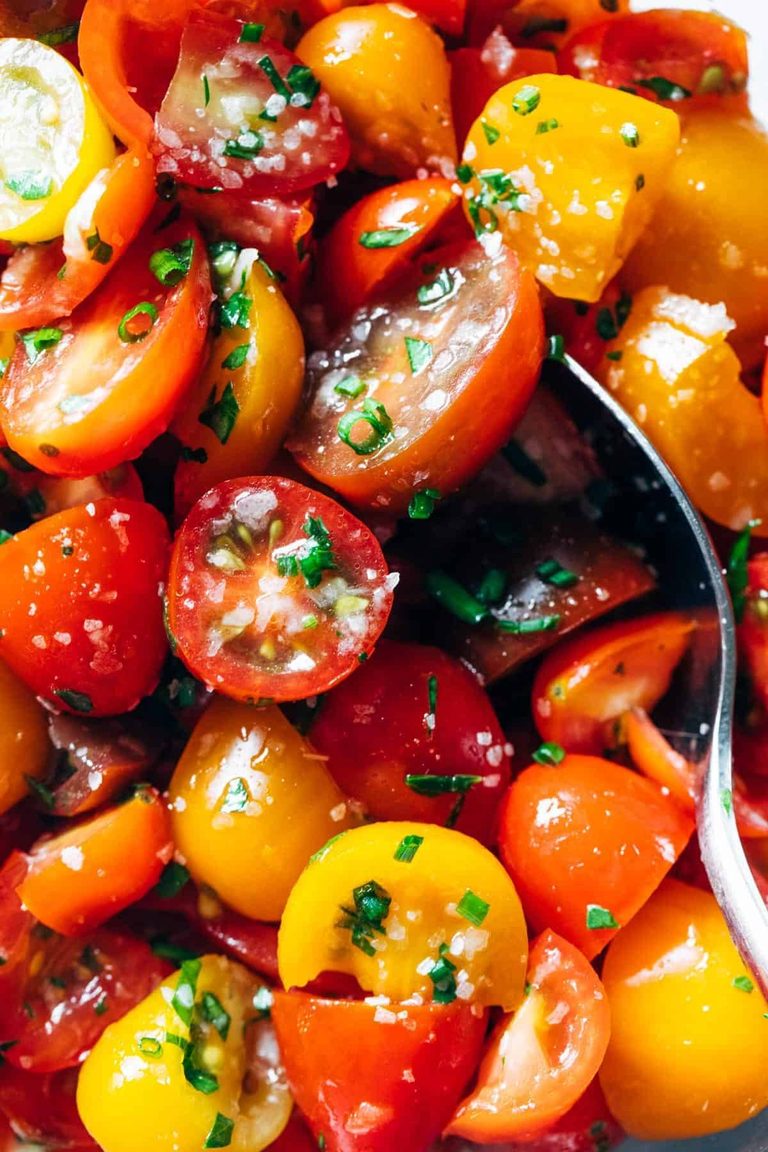
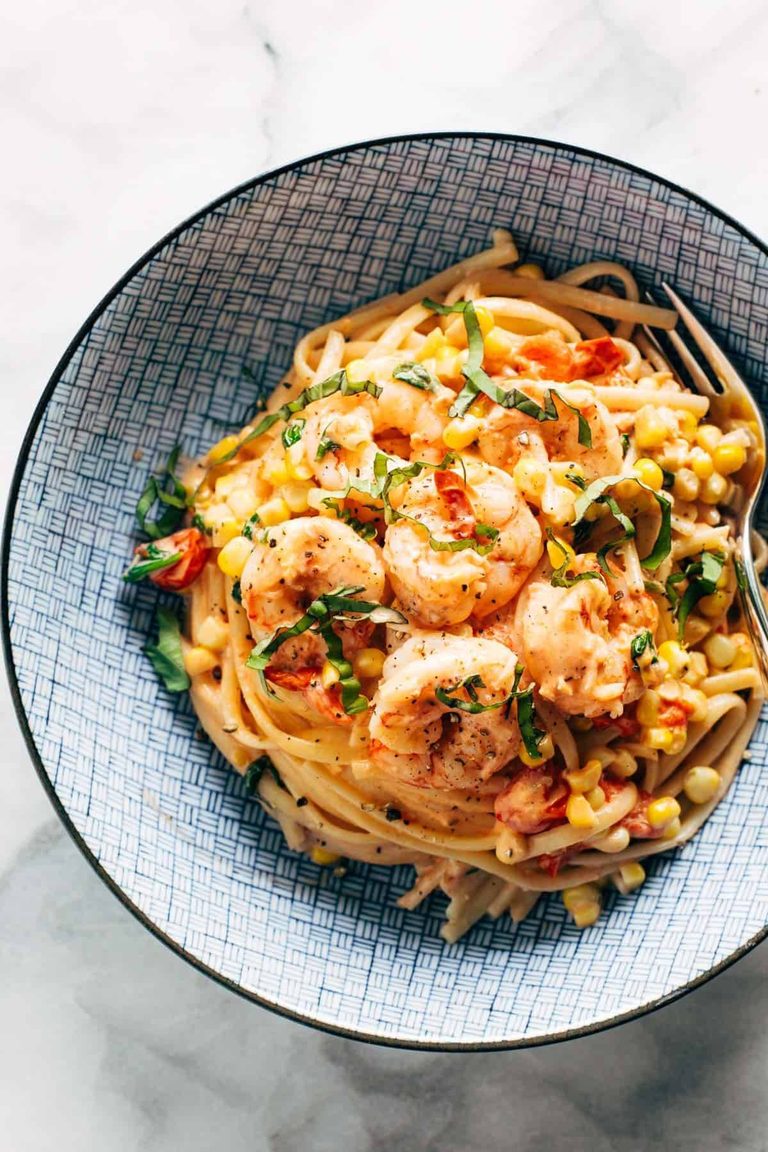
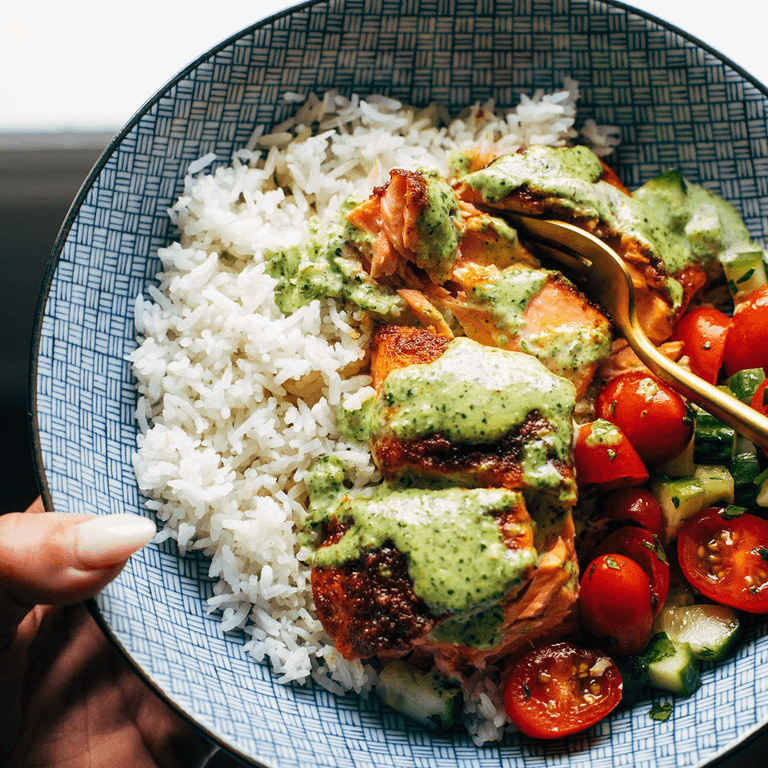
Seafood is frequently paired with summer produce due to its light profile and rapid preparation time. The "Creamy Shrimp Pasta with Corn and Tomatoes" highlights how the natural sweetness of mid-summer corn can enhance a savory garlic butter sauce. In a similar vein, "Salmon with Basil Sauce and Tomato Salad" utilizes the abundance of fresh basil available in July and August to create a nutrient-rich sauce that complements the omega-3 fatty acids found in the fish.
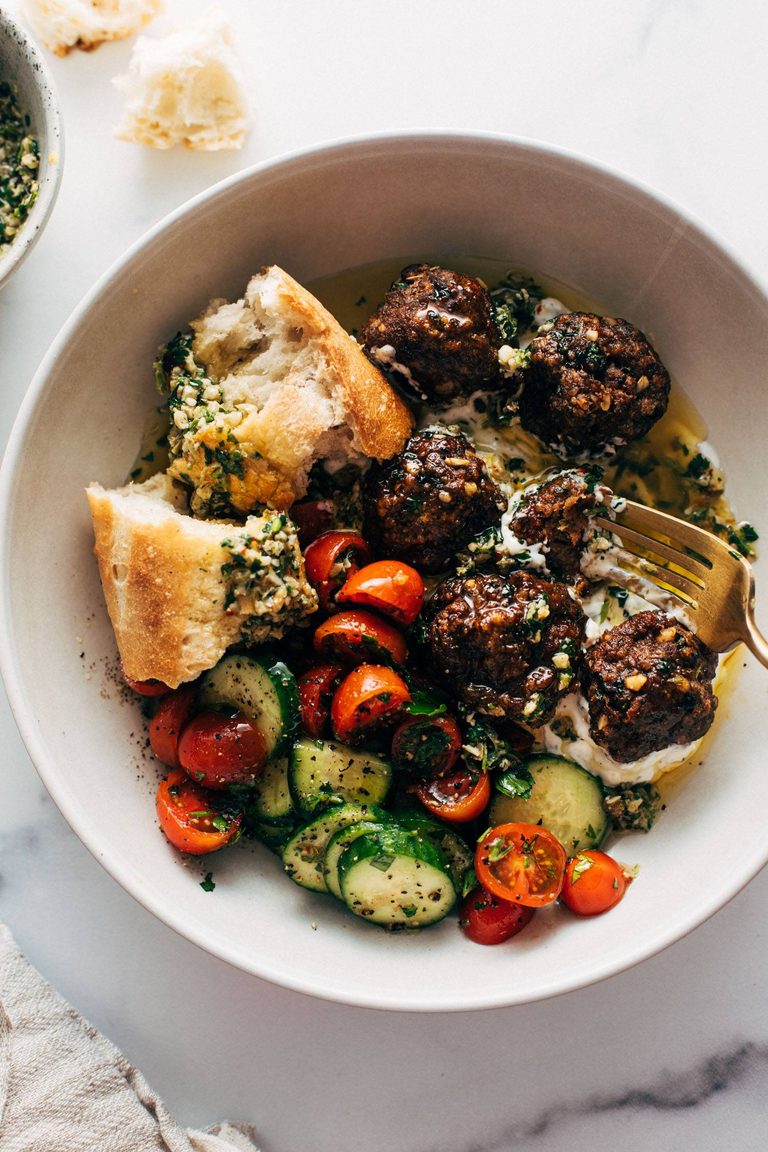
Meat-based dishes also benefit from seasonal integration. "Sheet Pan Meatballs with Tomato Salad" offers a streamlined cooking process that minimizes kitchen heat—a common concern during summer months—while utilizing fresh tomatoes and green sauces to provide acidity and brightness to the meal.
Vegetarian and Vegan Advancements
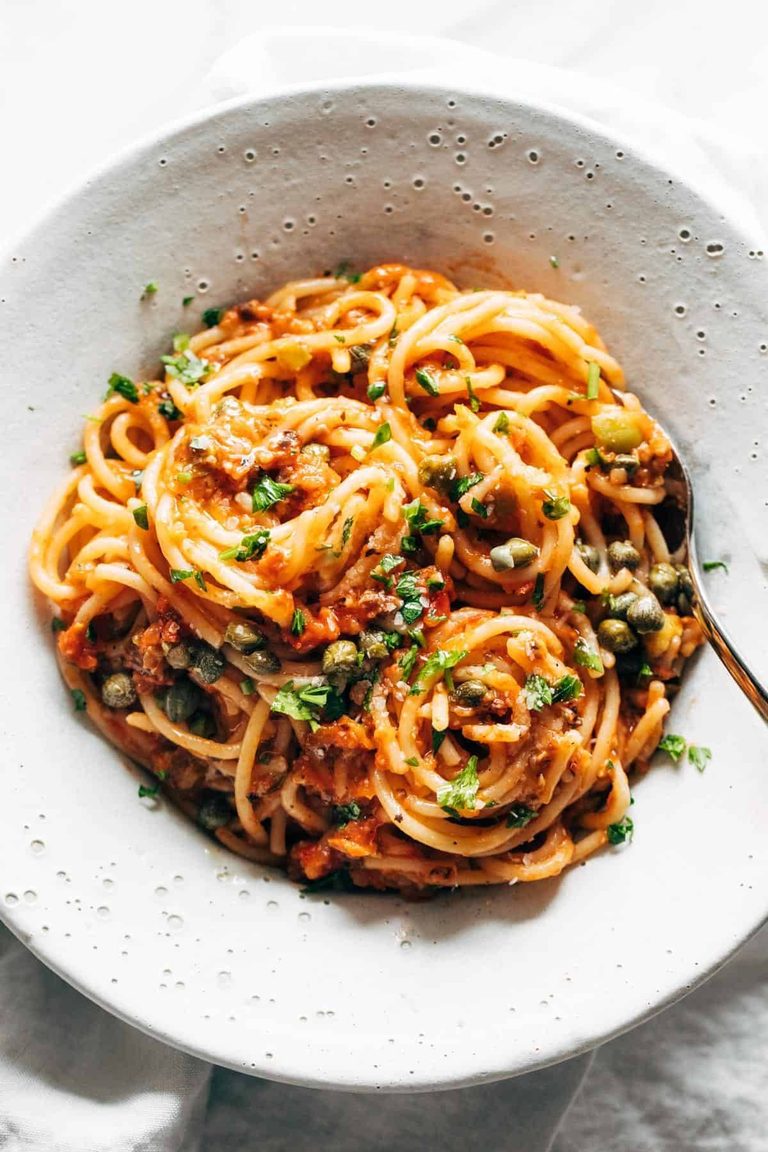
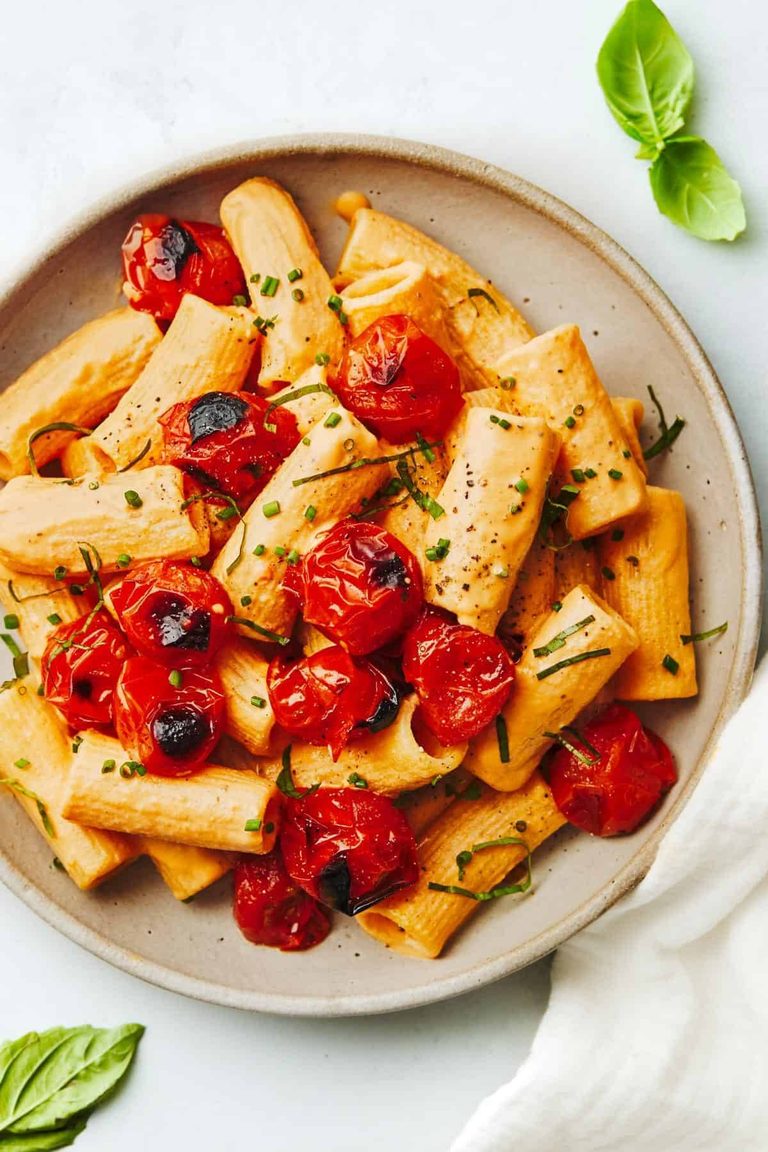
The versatility of zucchini and bell peppers is particularly evident in plant-based cooking. The "Burst Tomato and Zucchini Spaghetti with Avocado Sauce" provides a vegan-friendly alternative to traditional pasta, using avocado as a healthy fat source for the sauce. Furthermore, the "Creamy Vegan Red Pepper Pasta" utilizes roasted bell peppers to create a rich texture without the need for dairy, reflecting a broader trend toward allergen-friendly and plant-centric diets.
The Role of Artisanal Sauces and Condiments
A critical strategy in managing large quantities of summer produce is the creation of versatile sauces and condiments. These preparations can be used across multiple meals, thereby reducing the time required for individual dish preparation.
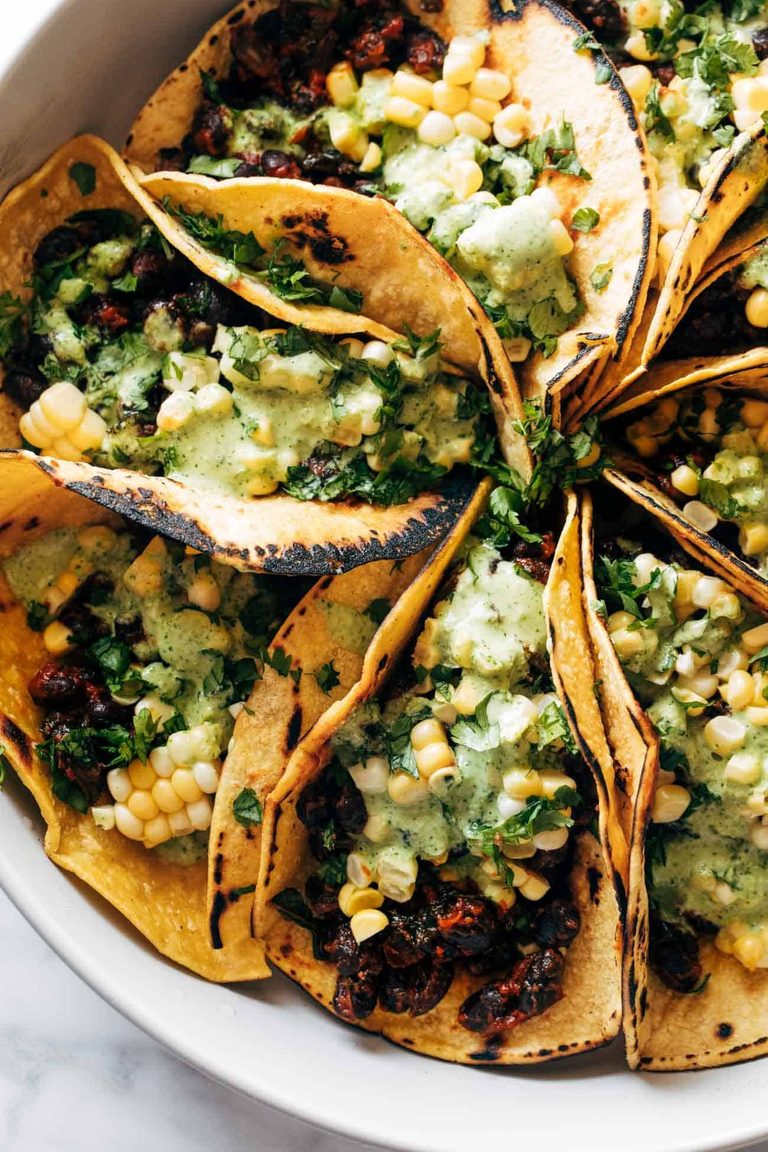
- Magic Green Sauce: Utilizing avocado, cilantro, lime, and garlic, this sauce provides a high-fat, nutrient-dense topping for grilled meats, tacos, or grain bowls.
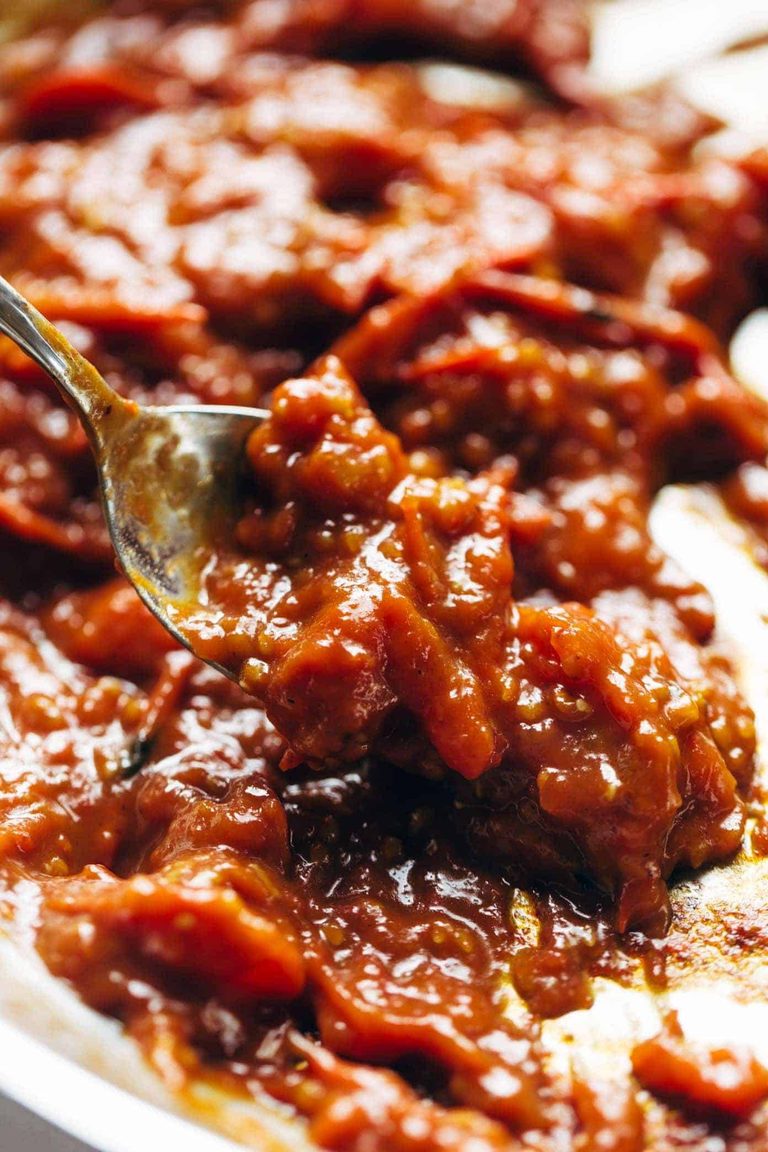
- Basic Garlic Butter Tomato Sauce: A simple reduction of cherry tomatoes and balsamic vinegar allows for the preservation of tomato flavor in a format that can be easily frozen or refrigerated.
- Very Incredible Basil Sauce: This preparation focuses on the high-yield basil plants typical of late summer, offering a punchy, herb-forward addition to various proteins and starches.
- Pickled Strawberries: An unconventional but effective method of preservation, pickling strawberries in vinegar and sugar extends their shelf life and provides a unique flavor profile for salads or charcuterie boards.
Baked Goods and Dessert Applications
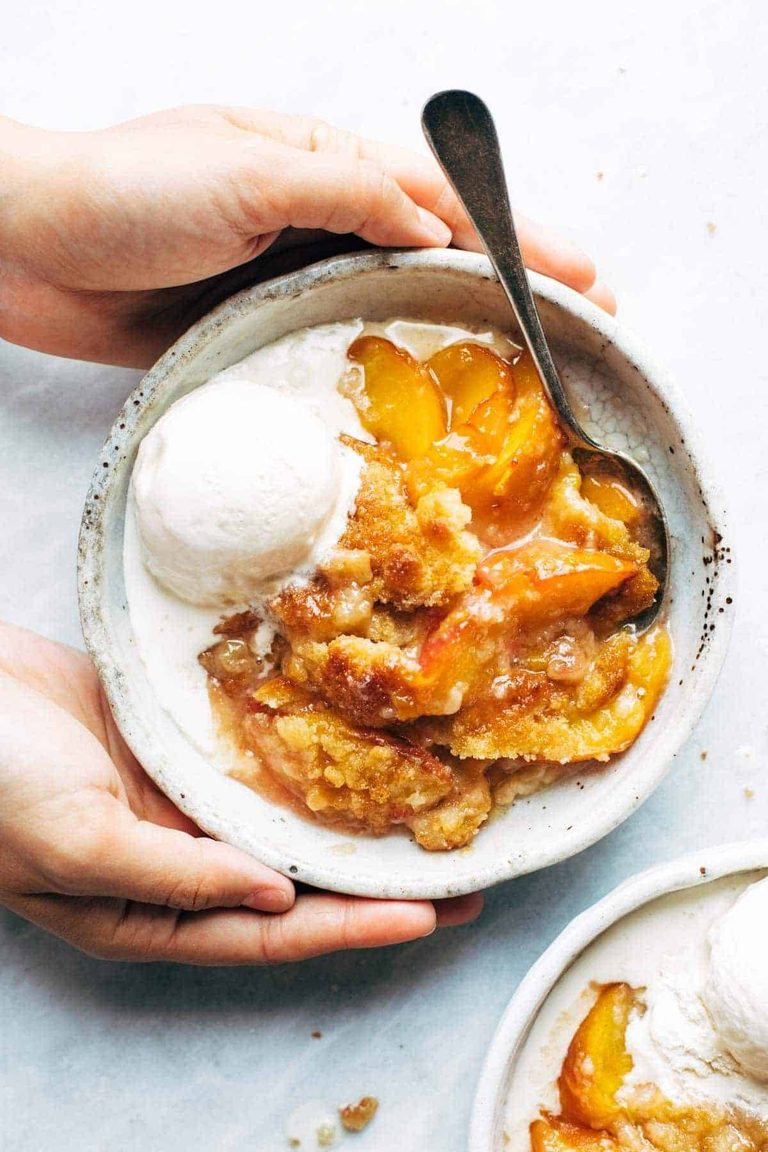
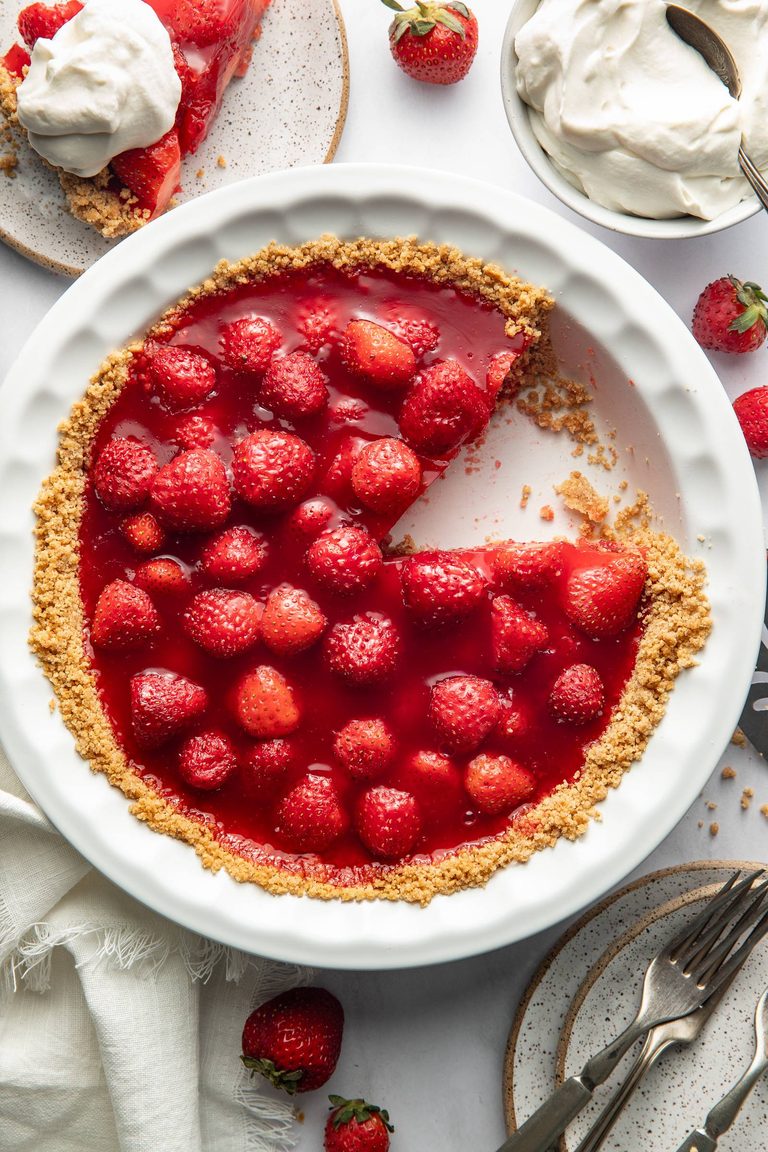
The high sugar content of peak-season fruits makes them ideal candidates for desserts and wholesome snacks. The "Best Peach Cobbler" utilizes fresh peaches and a unique cookie-dough topping to emphasize the fruit’s natural texture. For early-season yields, the "Easy Strawberry Pie" with a graham cracker crust offers a classic approach to fruit preservation.
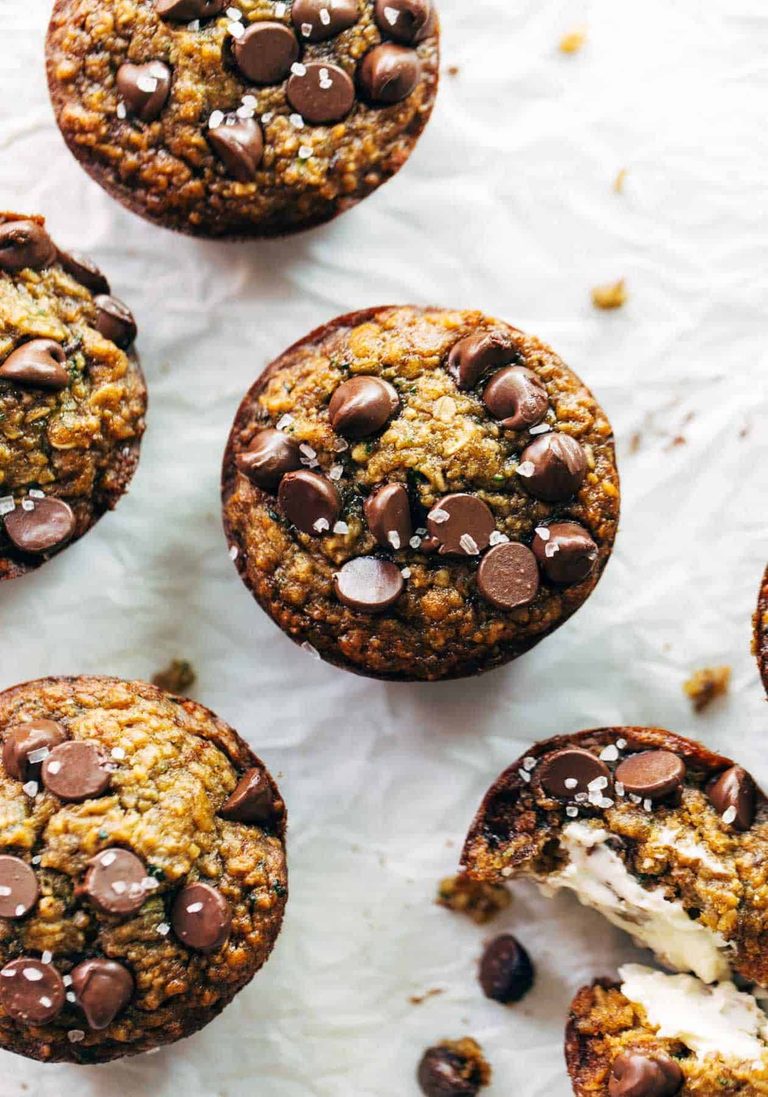
Vegetables like zucchini also find a place in the bakery. "Feel-Good Zucchini Muffins" and "Almond Butter Chocolate Chip Zucchini Bars" demonstrate how the high moisture content of summer squash can be used to reduce the need for excessive oils in baking, resulting in more nutrient-dense snack options for health-conscious consumers.
Broader Impact and Environmental Implications
The systematic use of seasonal produce has implications that extend far beyond the kitchen. From an environmental perspective, sourcing food from local farmer’s markets significantly reduces "food miles"—the distance food travels from the farm to the consumer. This reduction in transport leads to a lower carbon footprint and less reliance on heavy packaging and refrigeration.
Furthermore, the practice of "eating with the seasons" encourages biodiversity. Small-scale farmers often grow heirloom varieties of tomatoes, peppers, and corn that are not available in traditional supermarkets. By purchasing these varieties, consumers help ensure the survival of diverse genetic strains of crops, which is essential for a resilient global food system.
Agricultural analysts also point out the psychological benefits of seasonal eating. The cyclical nature of the harvest creates a sense of "culinary anticipation," where consumers look forward to the specific flavors of summer. This connection to the natural growth cycle has been linked to improved food literacy and a more mindful approach to consumption.
Conclusion
The effective utilization of summer produce is a multi-faceted endeavor that combines economic support for local agriculture, nutritional optimization, and culinary creativity. By following a structured approach to the harvest—from the early strawberries of June to the late-season tomatoes of September—consumers can maximize the value of their farmer’s market purchases. Whether through the development of complex grain bowls, the preservation of fruits in artisanal sauces, or the creation of wholesome baked goods, the summer harvest remains a cornerstone of modern gastronomy and sustainable living. As the global food landscape continues to evolve, the emphasis on fresh, seasonal, and locally sourced ingredients stands as a testament to the enduring value of the traditional harvest.