As the meteorological transition into late autumn takes hold, the beauty industry has shifted its focus toward a seasonal palette that emphasizes depth, texture, and technical efficiency. Following a summer dominated by sheer finishes and high-gloss nude lip products, current consumer data and trend analysis from major beauty retailers indicate a distinct pivot toward more saturated, "moody" color profiles. This shift is not merely aesthetic but reflects a broader return to polished, high-maintenance grooming rituals that characterize the colder months.
The Return of High-Contrast Manicures
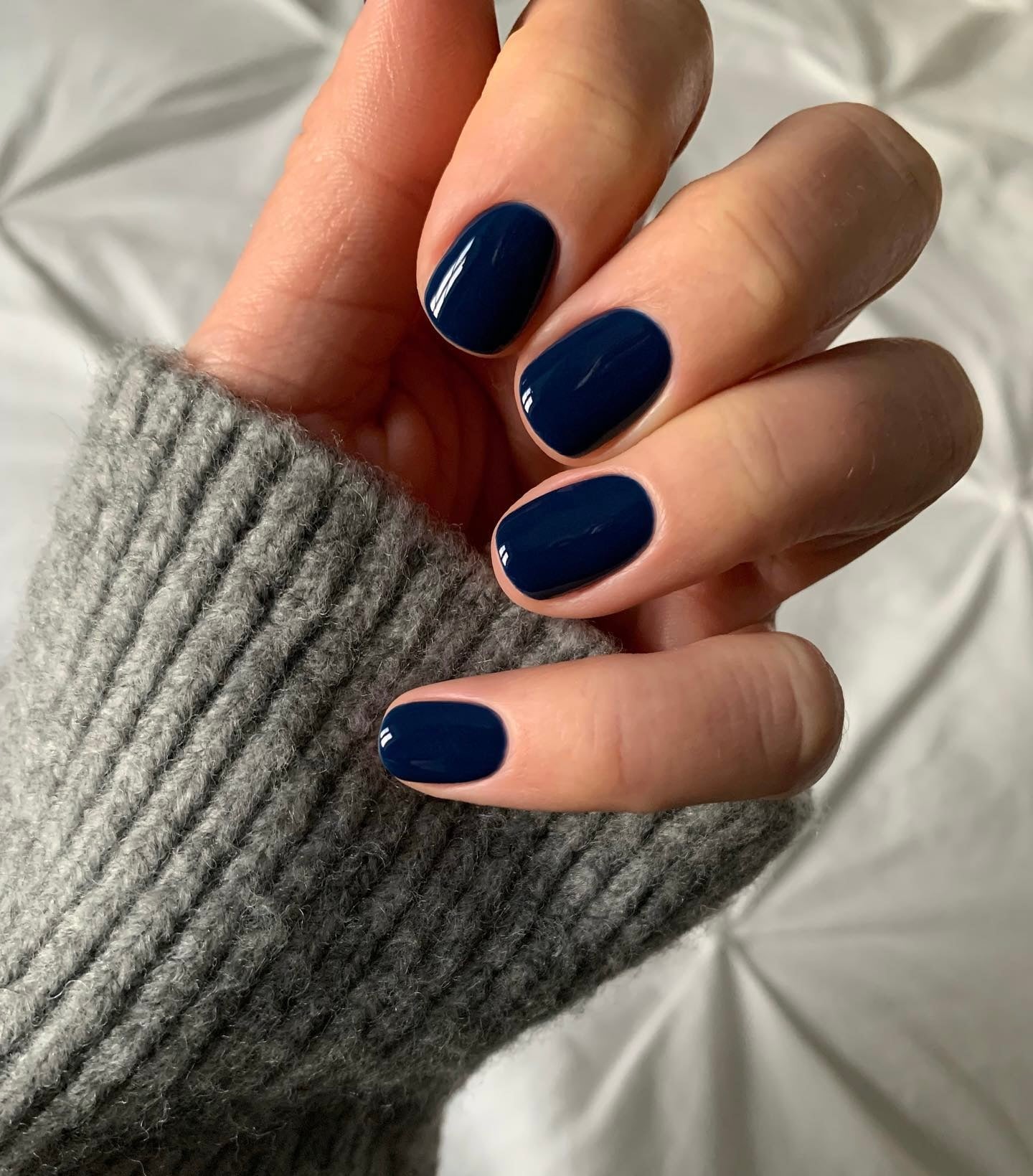
The resurgence of navy blue nail polish marks a significant return to a trend that first gained mainstream prominence in the early 2010s. Market analysis indicates that dark, opaque nail lacquers typically experience a 30% surge in sales during the fourth quarter, as consumers transition away from pastel palettes.
Industry experts note that navy blue serves as a "neutral alternative" to the traditional black manicure. According to trend forecasting reports, the popularity of this shade is closely linked to the current "preppy" revival in fashion, characterized by an increase in demand for structured blazers, cashmere turtlenecks, and leather loafers. The psychological appeal of the shade lies in its versatility; it offers the depth of a dark manicure while maintaining a level of professional refinement that fits comfortably within corporate environments. Recent consumer feedback suggests a preference for long-wearing, high-pigment formulas that mimic the aesthetic of professional gel manicures, favoring at-home application kits that prioritize rapid drying times—often under five minutes—to accommodate the busier schedules typical of the autumn holiday season.
The Evolution of the Smoky Eye
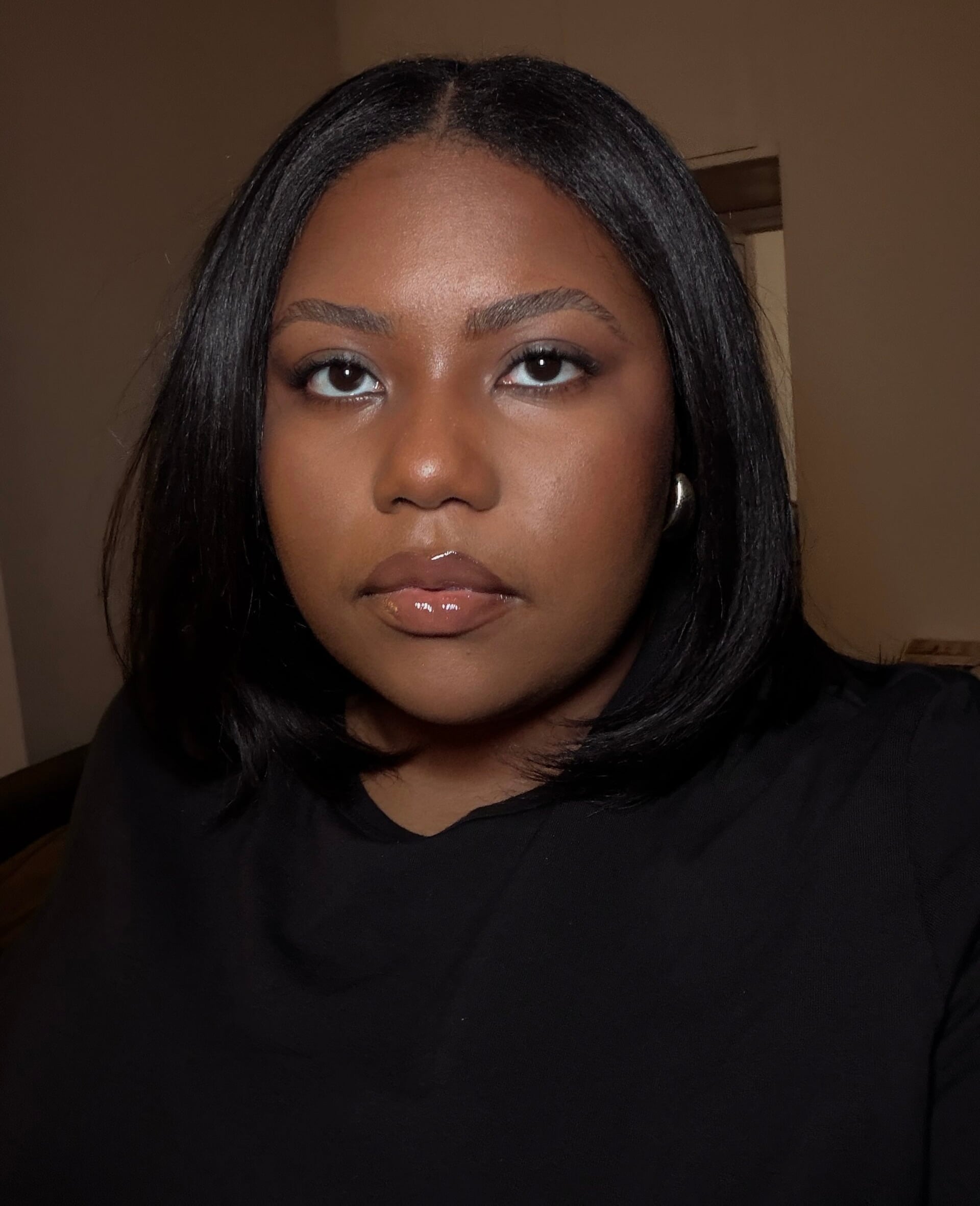
The current autumn season has seen a marked departure from the minimalist "no-makeup" aesthetic that defined much of the spring and summer. Makeup artists and beauty influencers are emphasizing the return of defined, smoky-toned eyes. The technique, which utilizes varying depths of brown, is being positioned as an accessible entry point for evening and formal event styling.
Unlike the high-contrast black charcoal smoky eyes of previous decades, the 2026 iteration relies on cream-based formulas that prioritize ease of blending. This reflects a shift in consumer behavior toward products that offer "one-swipe" functionality. Analysis of social media engagement metrics shows that tutorials focusing on subtle, diffused brown shadows have seen an uptick in viewership, signaling that the average consumer is seeking professional-level results with minimal tools. The trend suggests a move toward "low-effort, high-impact" beauty routines that allow for a transition from daytime professional attire to evening social commitments without requiring a full re-application of cosmetics.
Sophistication in Lip Pigmentation
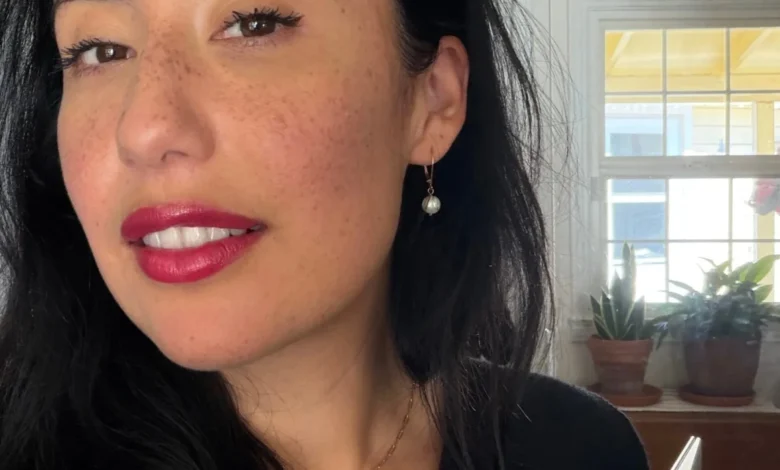
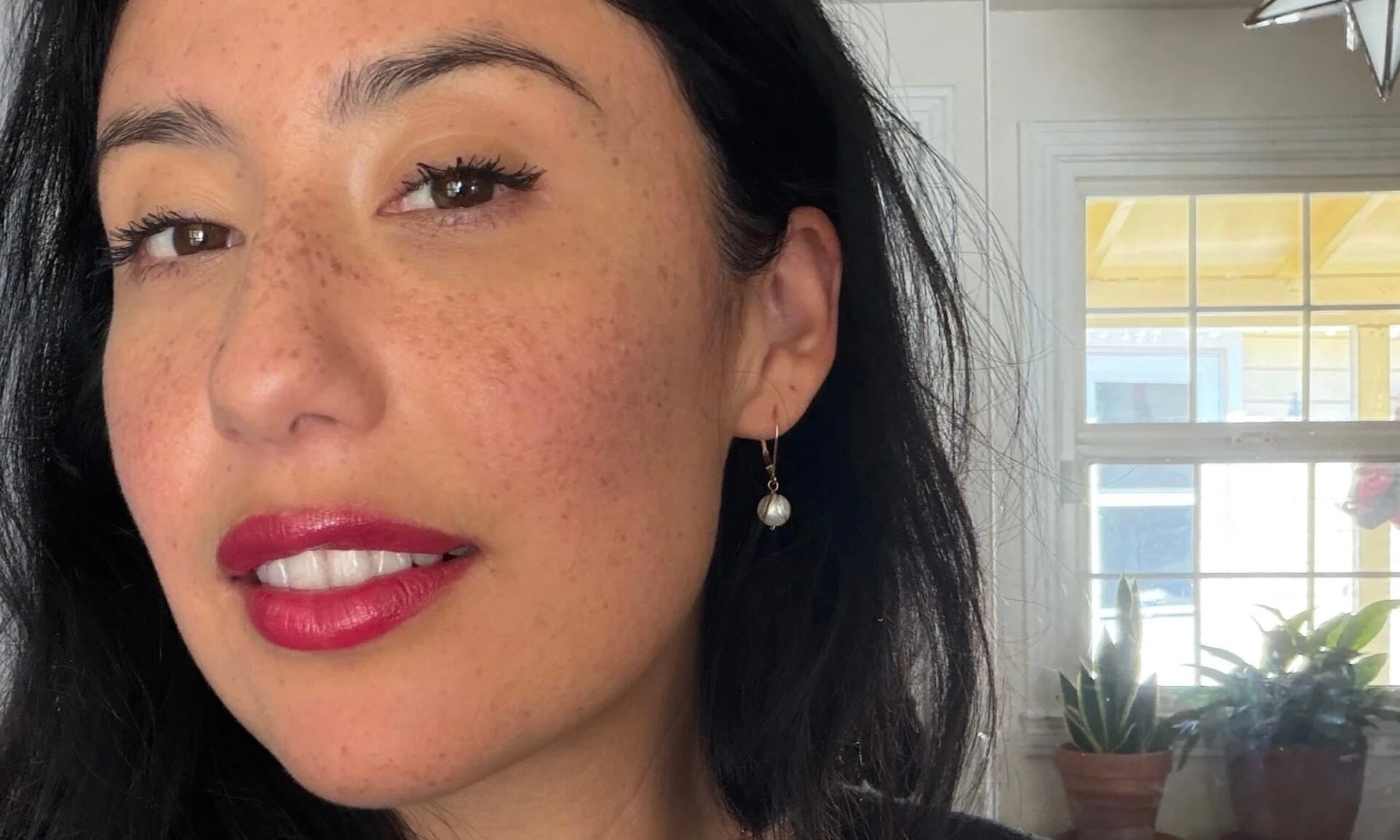
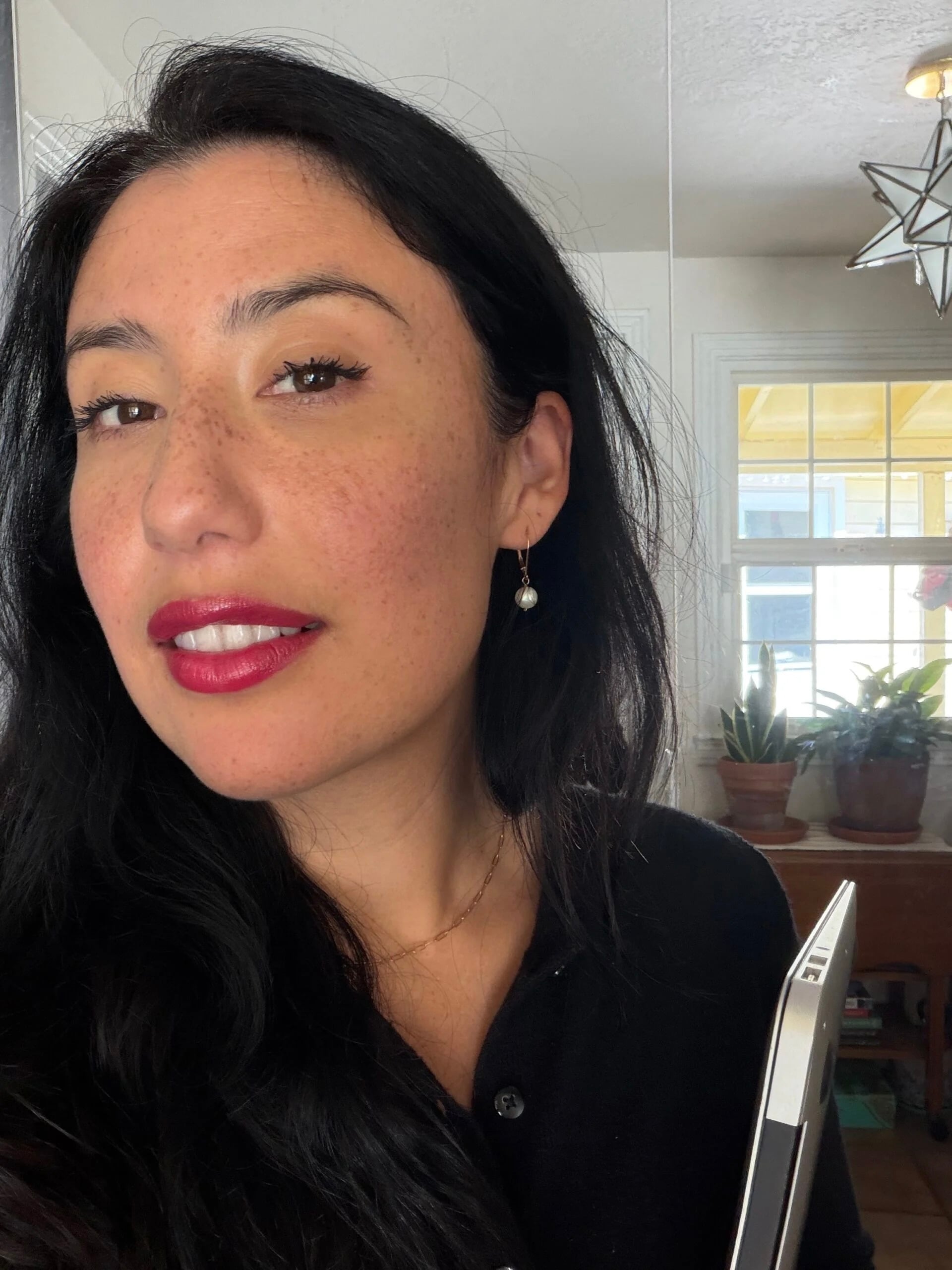
The shift to burgundy and deep berry tones for lips has become a hallmark of the 2026 beauty cycle. Unlike lighter summer glosses, these darker, highly pigmented shades offer a level of saturation that serves as a focal point for autumn wardrobes. The popularity of these shades is backed by consumer purchasing trends, which show a consistent preference for long-wear formulas during the holiday season, when social engagements increase.
The current market standard for these products requires a balance between intense color payoff and non-drying hydration. As the climate becomes colder, the demand for creamy, moisturizing formulas that do not settle into lip lines has spiked. Retail data indicates that deep berry shades are among the most frequently cited "must-have" items in seasonal beauty roundups, largely due to their ability to provide an immediate, sophisticated visual contrast against the neutral-toned clothing often worn during the autumn and winter months.
Technological Advancements in Hair Styling
Perhaps the most significant development in this season’s beauty landscape is the widespread adoption of high-performance, all-in-one hair styling tools. The shift toward at-home salon-quality blowouts represents a fundamental change in how consumers manage hair health and maintenance.
Data from consumer electronics retailers suggests that the market for multi-functional air-drying and curling systems has expanded rapidly over the past 24 months. These devices, which utilize controlled airflow rather than extreme heat, address a primary consumer concern: the prevention of heat damage while achieving a professional-grade finish. For many users, the transition to these tools has cut styling time by as much as 50%, with average prep-to-finish times for thick hair falling between 15 and 20 minutes.
The economic implications of this trend are substantial. With professional salon blowouts costing between $50 and $100 per session in many urban markets, the initial investment in a multi-functional styling system—often retailing between $200 and $500—is frequently recouped within several months of consistent use. The rise of these tools reflects a broader trend toward "home-centric" beauty, where consumers prioritize the acquisition of professional-grade hardware to reduce long-term maintenance costs and save time.
Broader Industry Implications
The trends observed in late 2026 point toward a sophisticated, consumer-driven market that values efficiency as much as aesthetics. Several factors contribute to this behavior:
- The "Efficiency" Factor: Consumers are increasingly time-poor. Products that promise to combine multiple steps (such as air-drying and styling) or provide long-lasting results with a single application are outperforming more complex, multi-step routines.
- Economic Pragmatism: In a volatile economic climate, there is a clear preference for beauty products that provide versatility. A single shade of lipstick that works for both a board meeting and a formal dinner, or a nail polish that lasts for ten days, represents better value for the consumer.
- The Influence of Social Proof: The role of social media platforms in validating beauty trends cannot be overstated. Unlike previous years where trends were dictated by high-fashion runways, current shifts are largely driven by peer-to-peer verification and influencer reviews, creating a cycle where products that perform well on camera gain immediate, widespread adoption.
As the season progresses toward the end of the year, the industry is expected to continue focusing on products that offer this blend of performance, versatility, and seasonal appropriateness. The movement away from the "minimalist" trends of the warmer months serves as a reminder that the beauty industry remains cyclical, responding not just to aesthetic whims, but to the practical needs of the consumer navigating a changing social and environmental landscape. Whether through the return of deep-toned manicures or the integration of advanced styling technology, the current focus remains on enhancing the individual’s routine through high-utility, high-impact solutions.