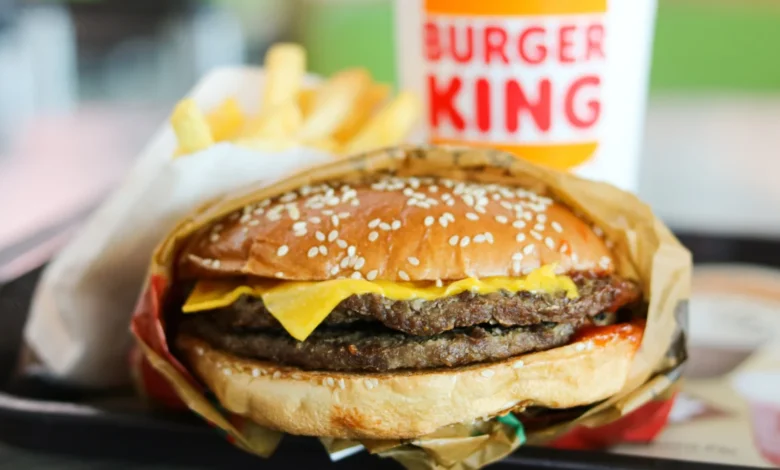
Burger King is currently navigating a major corporate and culinary resurgence, successfully clawing its way back through intense competition within the United States fast-food sector. After years of sluggish performance, declining foot traffic, and identity crises that saw the brand lose ground to major rivals, the iconic flame-broiled burger chain has achieved a notable milestone by reclaiming the number two spot nationwide among burger chains from Wendy’s. This turnaround is not the result of a single accidental success, but rather the culmination of a deliberate, multi-year strategic overhaul. Spanning restaurant remodels, supply chain upgrades, packaging redesigns, and a fundamental shift in how the company interacts with its consumer base, Burger King is effectively positioning itself as a serious and agile competitor in the modern quick-service restaurant landscape. While the giant of the industry, McDonald’s, continues to dominate total market share by a wide margin, Burger King’s recent innovations signal the dawn of a much stronger, more competitive era.
The strategic pivot characterizing this renaissance involves a delicate balance between preserving heritage menu items and aggressively modernizing problematic products. The fast-food industry in 2026 demands unprecedented speed, consistency, and value, forcing legacy chains to reevaluate foundational recipes that have remained untouched for decades. Burger King’s management team has embraced this reality, implementing changes that have largely resonated with a public increasingly vocal on digital platforms like Reddit and TikTok. Although not every experimental product has achieved universal acclaim—with a few poorly received new burger rollouts drawing criticism—the overarching trajectory of the brand’s menu development and customer service initiatives points toward sustained positive momentum.
Reinventing the Flagship: The Evolution of the Whopper
The centerpiece of Burger King’s menu strategy remains the Whopper, a product with a storied history dating back to its introduction in 1957, predating the rival McDonald’s Big Mac by eleven years. Despite its status as the undisputed emblem of the brand, the classic Whopper faced persistent consumer complaints over the decades. Due to its large diameter and heavy payload of wet ingredients like mayonnaise, lettuce, and tomatoes, the burger frequently suffered structural integrity issues during transit. Customers routinely reported receiving flattened buns and messy, disjointed sandwiches that detracted from the dining experience.
To directly address these grievances, Burger King made the calculated decision in 2026 to launch the "New Whopper." Embracing marketing risks reminiscent of historical corporate missteps—such as the infamous New Coke campaign of the 1980s—the chain openly marketed the recipe and structural adjustments as a brand-new iteration of its classic sandwich. However, rather than attempting to fundamentally alter the flavor profile that customers had known for generations, the modifications focused strictly on functional optimization.
The practical changes included shifting to a structurally sturdier bun capable of holding up against moisture, reformulating the mayonnaise for enhanced flavor and texture, and transitioning away from traditional wrapping paper in favor of a protective cardboard carton. This packaging shift ensures the burger arrives at the table or home delivery destination intact. The reception among consumers has been overwhelmingly favorable. Social media platforms quickly filled with positive consumer reviews, with many noting that the physical presentation and structural integrity of the sandwich have improved dramatically. Industry analysts have pointed to the New Whopper as a primary driver of the brand’s early 2026 sales growth, proving that minor, thoughtful tweaks to legacy items can yield monumental results.
A Complete Overhaul of the Chicken Nugget Portfolio
Beyond beef, Burger King recognized an urgent need to rectify deficiencies in its poultry offerings, specifically targeting its chicken nuggets. Historically, customer feedback regarding the chain’s nuggets had been decidedly negative. In internal metrics and public forums, consumers frequently described the previous iteration as dry, rubbery, and deeply disappointing—a critical vulnerability in an industry where chicken products represent a massive share of daily transactions.
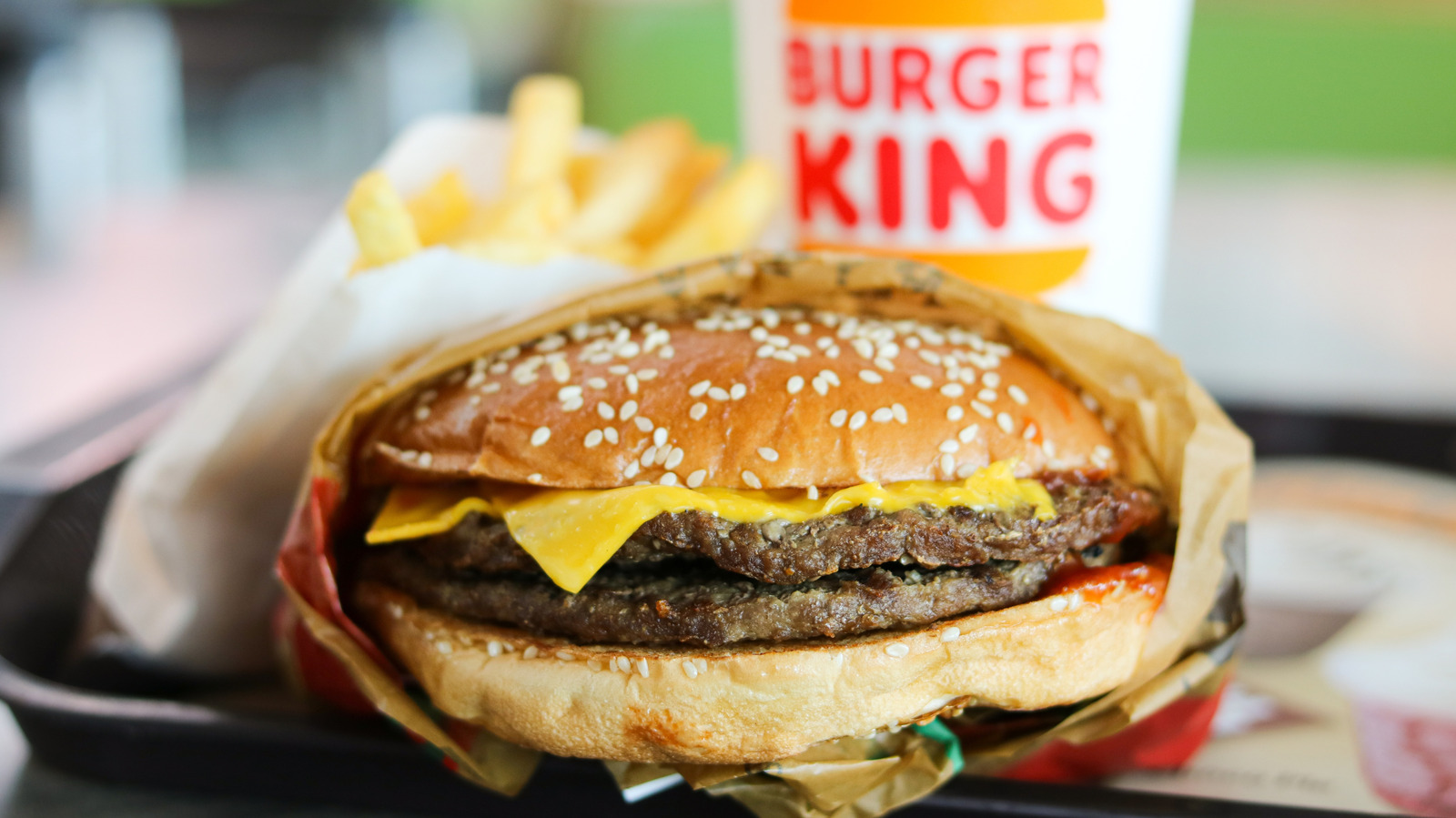
Acknowledging these shortcomings publicly, Burger King rolled out a comprehensive renovation of its chicken nugget line. According to corporate press releases issued in August 2026, the updated nuggets are manufactured using 100% white meat chicken, enhanced with a more robust and flavorful marinade, and coated in a crispier breading system. Much like the New Whopper, the serving mechanism was also upgraded to a ventilated cardboard box designed to retain crispness and prevent the accumulation of steam during transport.
The recipe updates extended beyond the protein itself to encompass the entire dipping sauce portfolio. Classic offerings such as honey mustard, sweet and sour, and Buffalo sauces underwent extensive kitchen testing and reformulation to balance sweetness, acidity, and heat. Furthermore, the company introduced a limited-time offering known as Special Savory Sauce, a creamy concoction blending traditional ketchup bases with barbecue seasoning, garlic, onion, and coarse black pepper. Early consumer reviews on digital discussion boards indicate that these changes have successfully won over skeptics, with many drawing favorable comparisons to industry benchmarks like McDonald’s chicken nuggets and crediting Burger King with mounting an aggressive, credible comeback.
Crowdsourcing Innovation: The "Whopper By You" Program
In an effort to harness consumer creativity and drive engagement, Burger King expanded its menu development strategy through the continuation of the "Whopper By You" program, which officially kicked off in 2025. This initiative allows everyday diners to submit conceptual designs and ingredient combinations for future menu integration. The standout success of this program materialized in 2026 with the introduction of the Loaded Jalapeño Whopper.
Built upon the foundation of the brand’s standard 4.4-ounce flame-broiled beef patty, the Loaded Jalapeño Whopper represents a masterclass in texture and flavor layering. Rather than relying on a single source of heat, the sandwich incorporates three distinct jalapeño-based elements: pickled jalapeños for acidity and brightness, crispy fried jalapeños for crunch, and a velvety, creamy jalapeño sauce that unifies the components.
Culinary tests and consumer responses revealed that despite the heavy concentration of chile peppers, the burger was intentionally calibrated to deliver a manageable kick rather than an overwhelming, palate-destroying level of heat. This balance allowed spice enthusiasts and mainstream diners alike to enjoy the product without sensory fatigue. The success of the Loaded Jalapeño Whopper demonstrated the commercial viability of crowdsourcing product development, validating the company’s decision to listen directly to the palates of its customer base.
Modernizing the Original Chicken Sandwich
Burger King’s Original Chicken Sandwich has occupied a unique and polarizing space on the menu since its debut in 1979. Characterized by its elongated, oblong shape and a filling that critics often likened to an oversized chicken nugget, the sandwich has nevertheless maintained a fiercely loyal demographic of long-term fans alongside a vocal contingent of detractors. Rather than abandoning the polarizing product, Burger King elected to modernize the line in 2026 by introducing two distinct, elevated variations designed to attract both purists and adventurous new diners.
The first of these introductions, the Loaded Jalapeño Original Chicken Sandwich, mirrored the flavor profile of its beef counterpart. It applied the triple-threat jalapeño treatment—pickled, crispy, and creamy sauce—to the elongated fried chicken patty, supplementing the heat with fresh onions, lettuce, tomatoes, and American cheese.
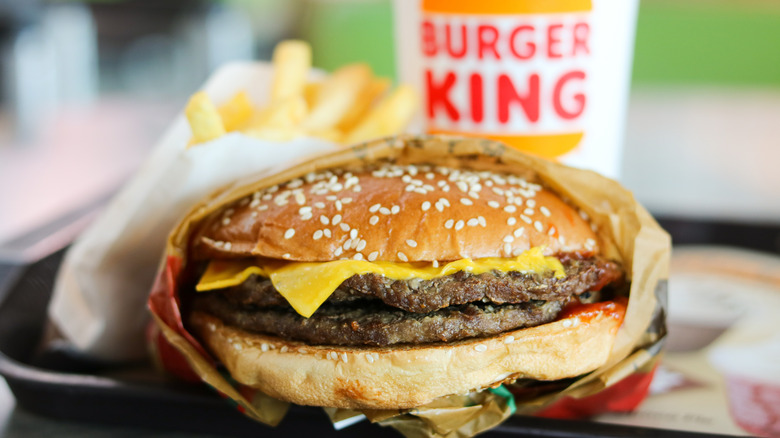
The second addition, designated the Club Chicken Original Chicken Sandwich, aimed to address consumer fatigue surrounding standard, monotonous toppings like plain mayonnaise and lettuce. While retaining those foundational elements, the Club Chicken builds out a complex flavor profile by incorporating sliced tomatoes, savory crispy bacon, and melted Swiss cheese. By breathing new life into a 47-year-old menu item, Burger King successfully broadened the appeal of its poultry portfolio without alienating the base of traditionalists who have supported the sandwich for decades.
Institutionalizing Direct Consumer Feedback Channels
Underpinning all of these product innovations and operational shifts is a broader corporate philosophy centered on radical responsiveness to the consumer. While Burger King has utilized its iconic "Have It Your Way" marketing slogan since the 1970s, executive leadership sought to modernize this ethos for the digital age by overhauling feedback loops and customer service infrastructure across its restaurant network.
In early 2026, the company executed a high-profile, unorthodox campaign by publicly publishing the direct telephone line of company President Tom Curtis. Inviting customers nationwide to call and share their unfiltered feedback directly with the executive office, the brand promised that leadership would personally review and respond to as many incoming messages as operationally feasible. While initially perceived as a marketing gimmick, the campaign reinforced a corporate culture that actively courts accountability.
On a more practical, in-store level, Burger King introduced the designation of the "Your Way Champion." This specialized managerial role identifies designated floor managers through unique positioning apparel, establishing a clear, accessible point of contact for diners experiencing service disruptions or operational failures inside the restaurant. By pairing high-level executive accessibility with localized accountability on the restaurant floor, Burger King has bridged the gap between corporate strategy and everyday consumer execution.
Implications and Broader Market Impact
The cumulative effect of these strategic maneuvers in 2026 extends far beyond transient menu bumps or temporary social media engagement. Fast-food industry analysts view Burger King’s current trajectory as a textbook example of how legacy brands can revitalize aging assets by focusing on operational fundamentals: food quality, structural packaging, supply chain consistency, and active listening to the consumer base.
By reclaiming the number two position among U.S. burger chains, Burger King has proven that market share is not entirely static and that deliberate, consumer-informed pivots can disrupt established industry hierarchies. While challenges remain—particularly in maintaining long-term quality consistency across thousands of franchised locations—the successes achieved through the New Whopper, revamped chicken nuggets, innovative limited-time offerings, and transparent feedback channels have established a stable foundation for continued growth. As the fast-food landscape continues to evolve under the pressures of shifting consumer preferences and economic headwinds, Burger King’s 2026 playbook offers a clear blueprint for sustainable corporate turnaround and culinary reinvention.