As the calendar transitions into the final quarter of the year, consumer interest in seasonal culinary practices shifts toward nutrient-dense, warming, and sustainable food options. The arrival of fall signifies a distinct change in the agricultural supply chain, characterized by the availability of late-harvest root vegetables, hearty cruciferous greens, and cold-weather squashes. This shift in availability directly influences home cooking trends, as households pivot from the light, fresh produce of summer toward more robust, fiber-rich preparations designed to support immune health and metabolic efficiency during colder months.
The Nutritional Significance of Seasonal Eating
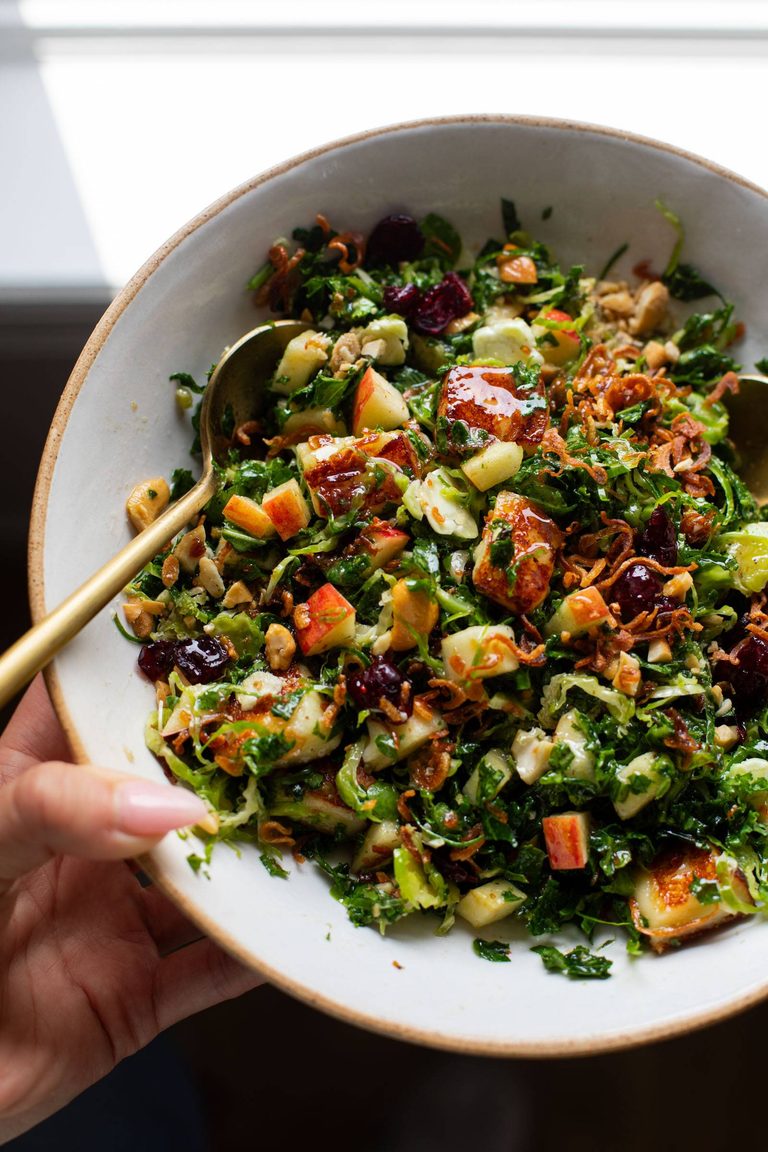
The practice of consuming seasonal produce is backed by significant nutritional research. During the autumn months, the soil and climate conditions favor the growth of produce high in complex carbohydrates, vitamins A and C, and essential minerals such as potassium and magnesium. Sweet potatoes, for instance, are a cornerstone of fall nutrition, offering a low-glycemic index alternative to traditional starches while providing high levels of beta-carotene. Similarly, the prevalence of brassicas—including kale, Brussels sprouts, and cauliflower—during this time provides high concentrations of glucosinolates, compounds noted for their potential anti-inflammatory properties.
Market analysts observe that when consumers prioritize these seasonal items, they frequently experience a reduction in overall grocery expenditures. According to recent food economics data, seasonal produce typically sees a price decrease of 15% to 20% compared to out-of-season imports, making the transition to "fall-centric" menus a financially sound strategy for household budgeting.
Chronology of Autumn Meal Evolution
The evolution of the "fall dinner" has been marked by a transition from traditional, labor-intensive slow cooking toward more efficient, modern preparation methods. Throughout the early 20th century, seasonal dining was largely dictated by the limitations of pantry storage and the necessity of root cellar preservation. By the 1970s and 80s, the introduction of widespread freezing technology allowed for a broader year-round variety, yet the cultural preference for seasonal, "farm-to-table" aesthetics remained strong.
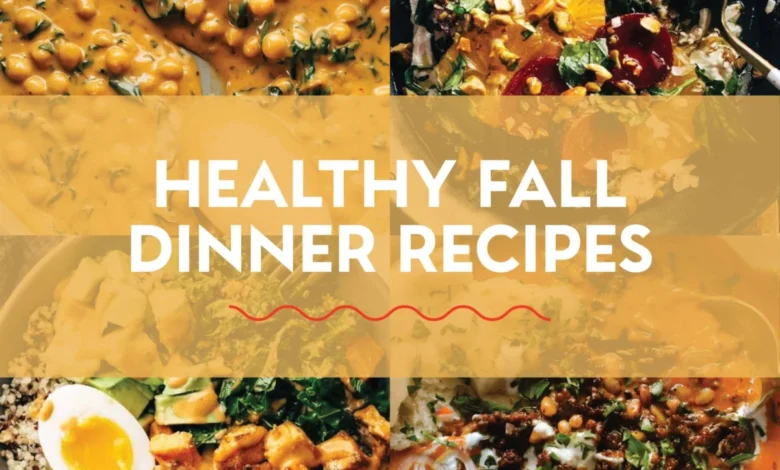
In the current decade, the rise of the "bowl" format—a culinary structure combining grains, proteins, roasted vegetables, and nutrient-dense sauces—has revolutionized how families approach weeknight dinners. This format allows for mass preparation (meal prepping) and serves as a modular framework where ingredients can be interchanged based on availability. The current trend prioritizes the integration of globally inspired flavor profiles—such as chipotle, lemongrass, and curry—with locally sourced autumn staples, bridging the gap between traditional comfort food and modern, health-conscious dietary requirements.
Data-Driven Approaches to Menu Planning
For health-conscious individuals, the goal is to achieve a balance of macro and micronutrients. Nutritionists recommend that a well-rounded autumn dinner should include at least 25% plant-based protein, 50% fibrous vegetables, and 25% complex carbohydrates.
The following list identifies specific culinary combinations that meet these nutritional thresholds while adhering to the seasonal availability of the northern hemisphere:
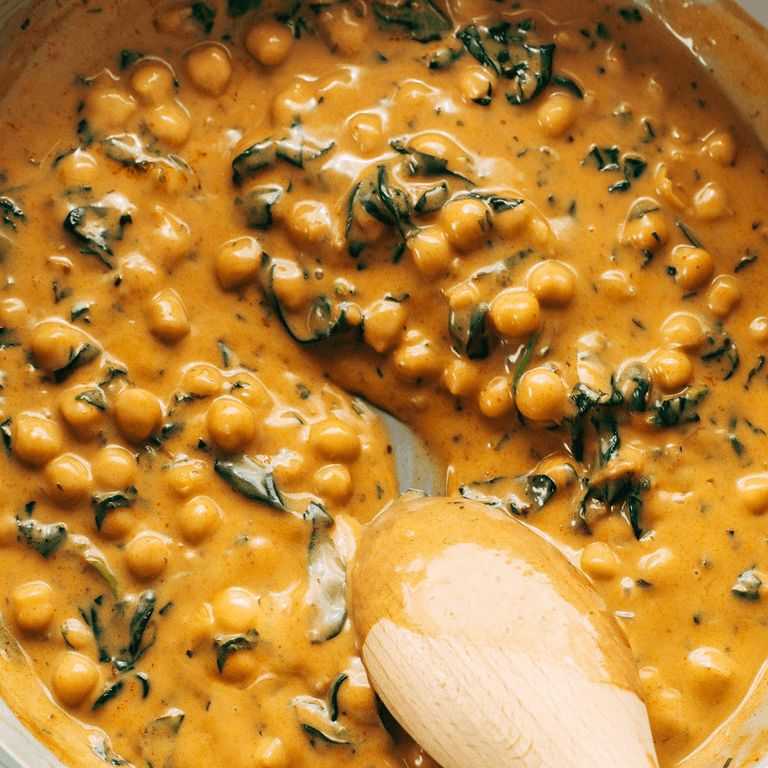
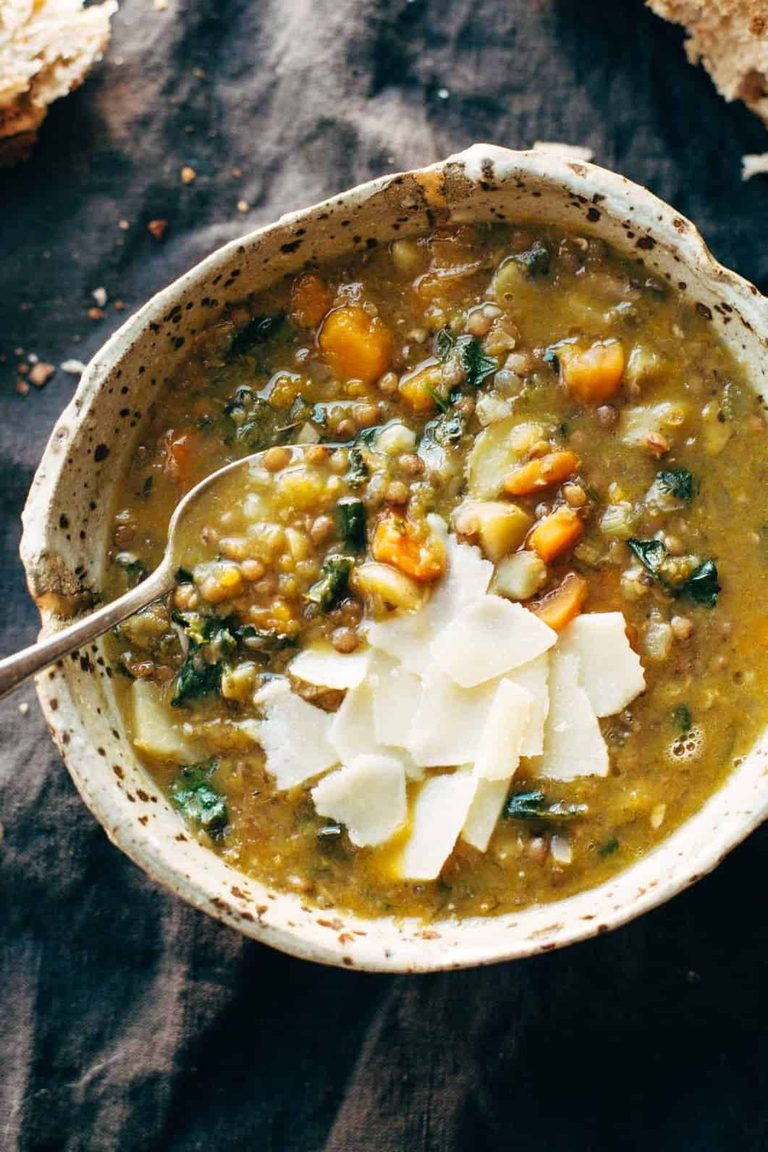
- Legume-Based Proteins: Chickpea curries and lentil-based soups offer high fiber content (approximately 15 grams per serving) and are shelf-stable, reducing food waste.
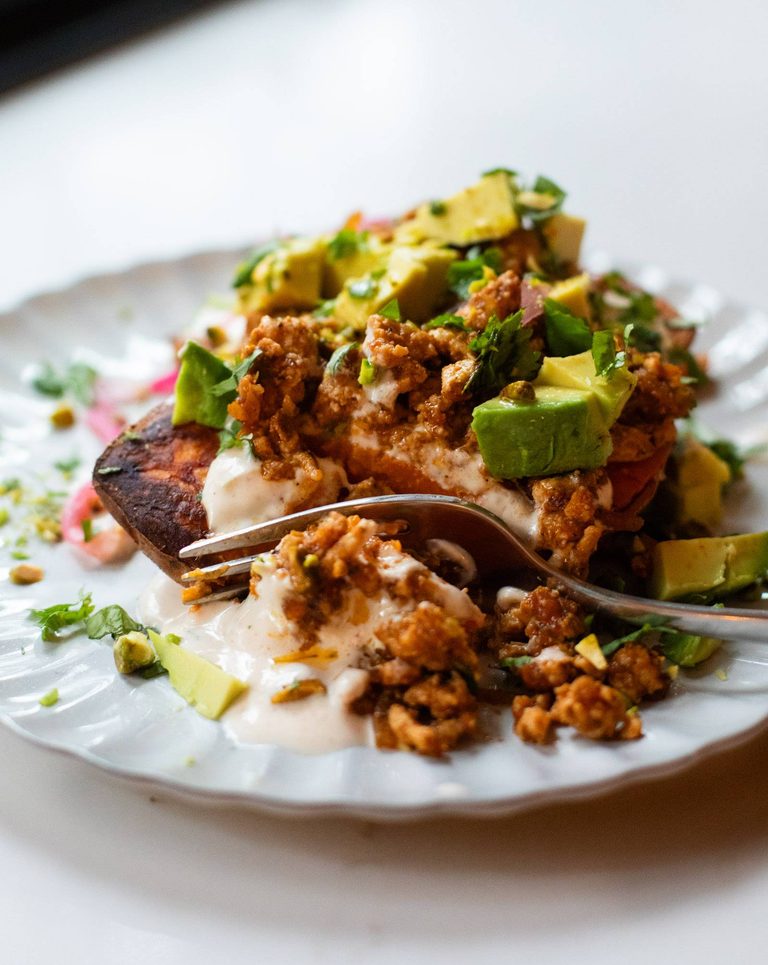
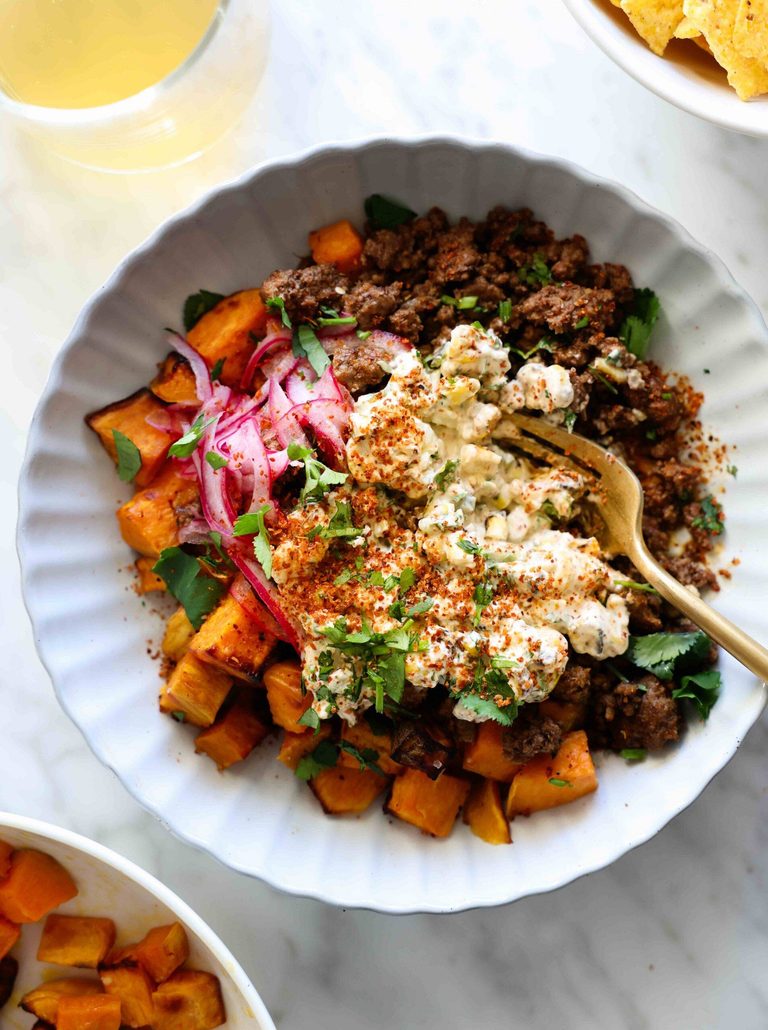
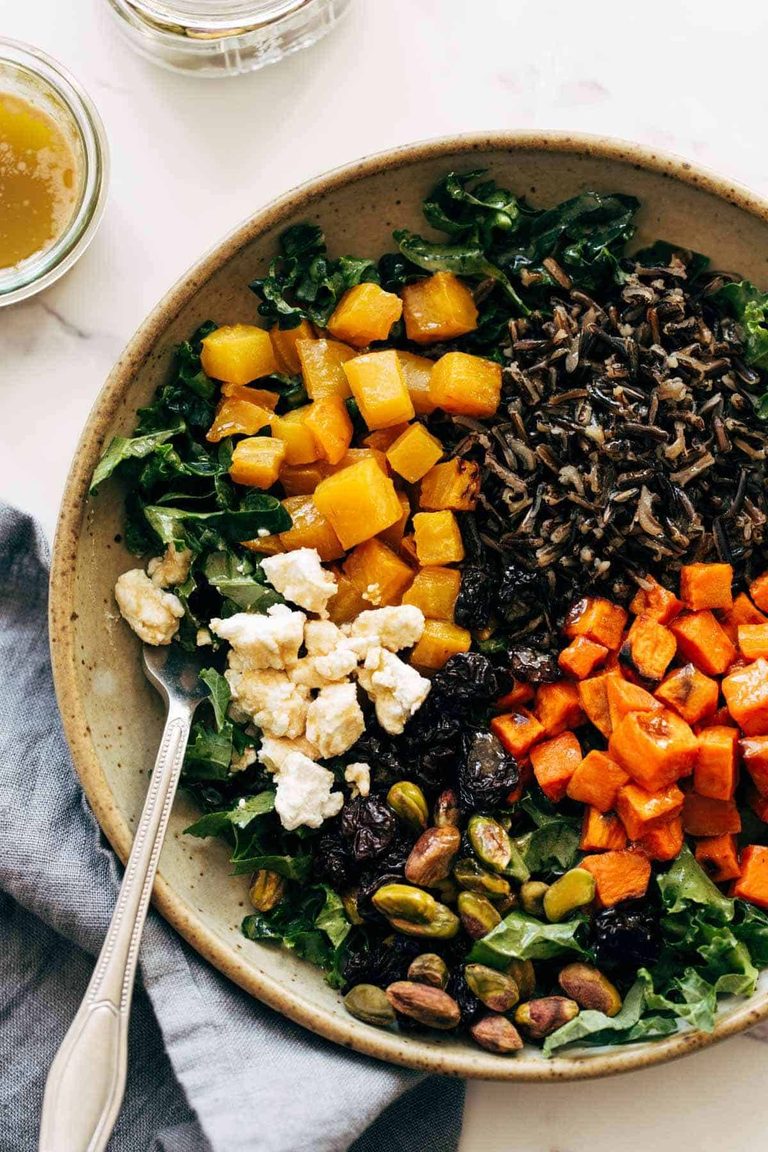
- Cruciferous and Root Vegetable Integration: Roasted sweet potatoes, when paired with protein sources like ground chicken or lean beef, provide a sustained energy release. Incorporating kale and Brussels sprouts into these dishes ensures adequate intake of vitamins K and C.
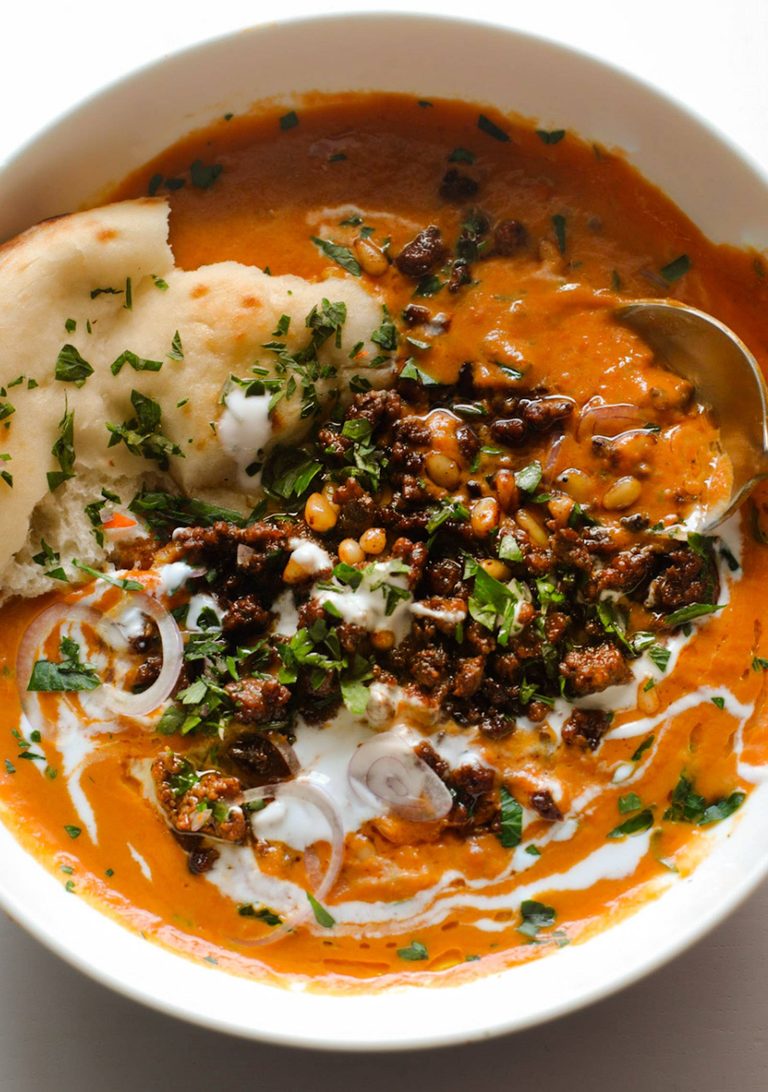
- Broth-Based Hydration: The resurgence of broth-based soups—such as lemongrass chicken or carrot-based purees—is significant, as these dishes prioritize hydration and digestive health, which are often overlooked during the colder months.
Expert Analysis of Dietary Trends
Food scientists and culinary experts have noted that the "cozy" element of fall food is not merely psychological; it is a physiological response to temperature fluctuations. "Thermal comfort" in food, provided by warm, spiced, and nutrient-dense ingredients, plays a role in regulating body temperature and enhancing satiety.

From a public health perspective, the shift toward these ingredients is viewed as a positive development in combating seasonal fatigue. By utilizing ingredients like turmeric (often found in healing bowls), ginger, and garlic, home cooks are naturally increasing their intake of immune-modulating compounds. Furthermore, the inclusion of healthy fats—such as those found in tahini, avocado, and nuts—supports brain function and skin health during the transition to drier, colder air.

Broader Implications for Household Sustainability
The move toward seasonal, bowl-based eating has wider implications for sustainability. By focusing on whole, raw ingredients rather than pre-packaged processed meals, households significantly reduce their plastic waste footprint. Additionally, purchasing produce that is currently in peak season requires fewer chemical interventions for preservation and reduces the carbon emissions associated with long-distance logistics.

Retailers have responded to this trend by expanding their "local-first" produce sections, recognizing that consumers are increasingly aware of the origin and seasonality of their food. Data from major supermarket chains suggests that there has been a 12% year-over-year increase in the sales of bulk, unprocessed produce items like whole squashes, root vegetables, and raw legumes during the months of September through November.
Practical Implementation in the Kitchen
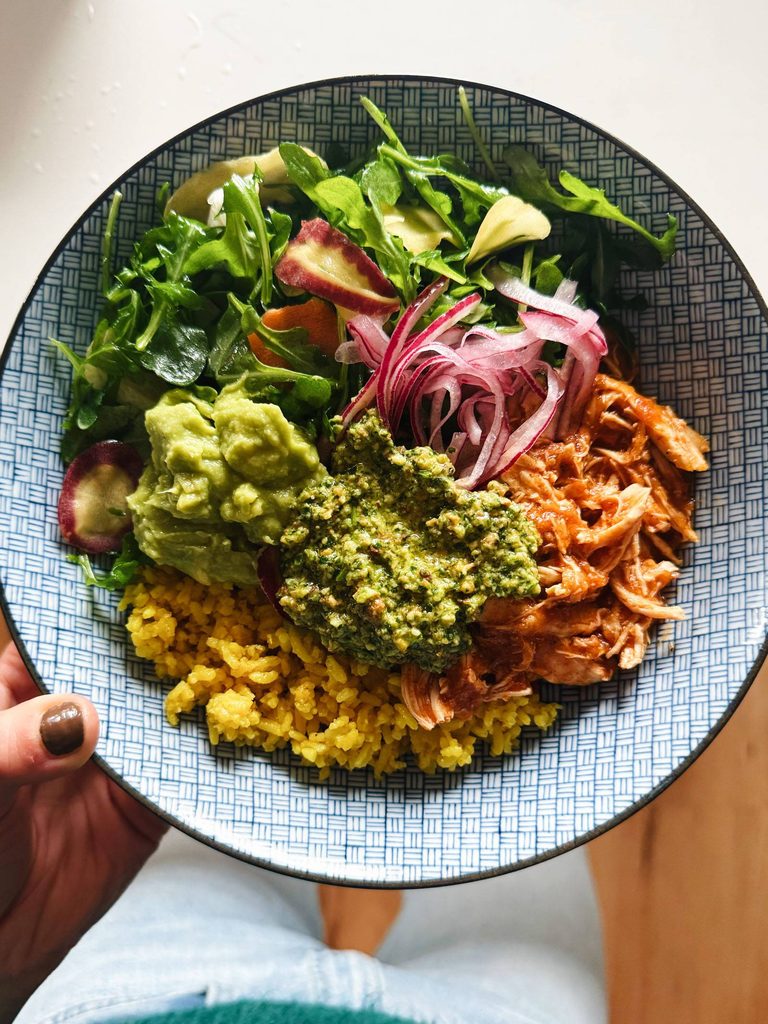
For families looking to optimize their meal routines, the "component" method is recommended. Rather than cooking a single, complex dish, home chefs are encouraged to prepare a few foundational elements:
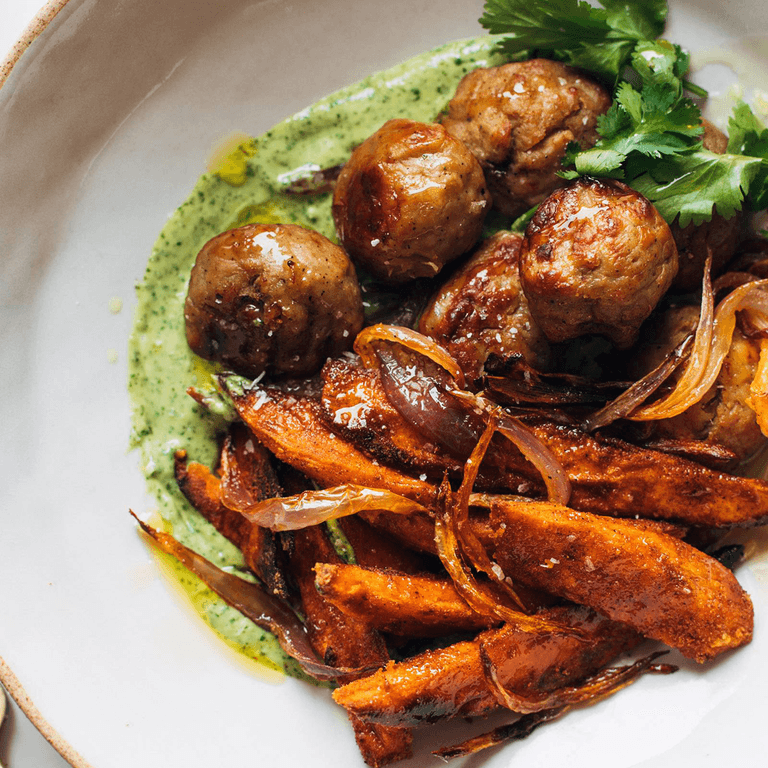
- A Base: A batch of brown rice, quinoa, or roasted root vegetables.
- A Protein: A slow-cooked protein, such as shredded chicken or massaged tempeh.
- A Dressing: A nutrient-dense sauce, such as a green tahini or chipotle-yogurt blend.
- A Texture/Garnish: Toasted nuts, seeds, or fresh herbs.
This modular approach ensures that meals remain fresh and appetizing throughout the work week while significantly reducing the time spent in the kitchen.
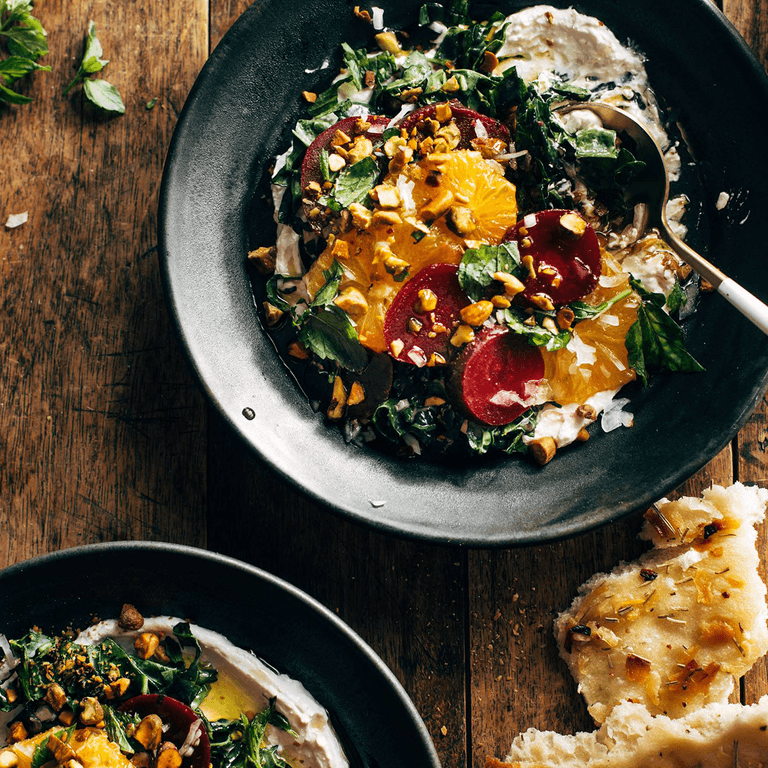
Future Outlook for Seasonal Dining
As we look toward the future of home dining, the emphasis on "healing" and "nourishing" food is expected to persist. The integration of traditional preservation techniques—such as pickling (e.g., pickled onions) and fermenting (e.g., sauerkraut)—into everyday meals is gaining traction, providing both gut health benefits and complex flavor profiles.
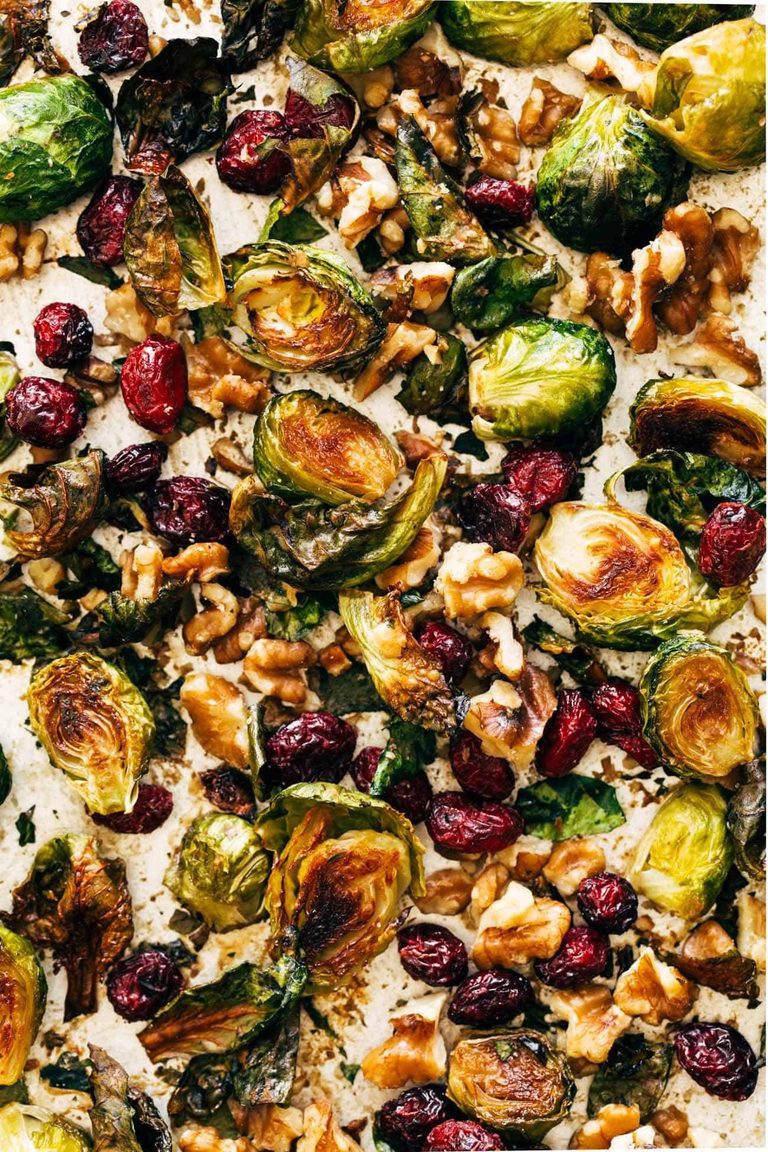
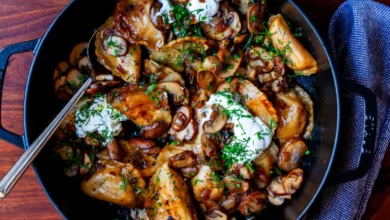
The movement is not about restriction, but about the elevation of simple, raw ingredients. Whether it is the robust, earthy profile of a mushroom bowl or the bright, acidic punch of a lime-infused chicken soup, the focus remains on food that serves a functional purpose while maintaining high standards of taste and variety.
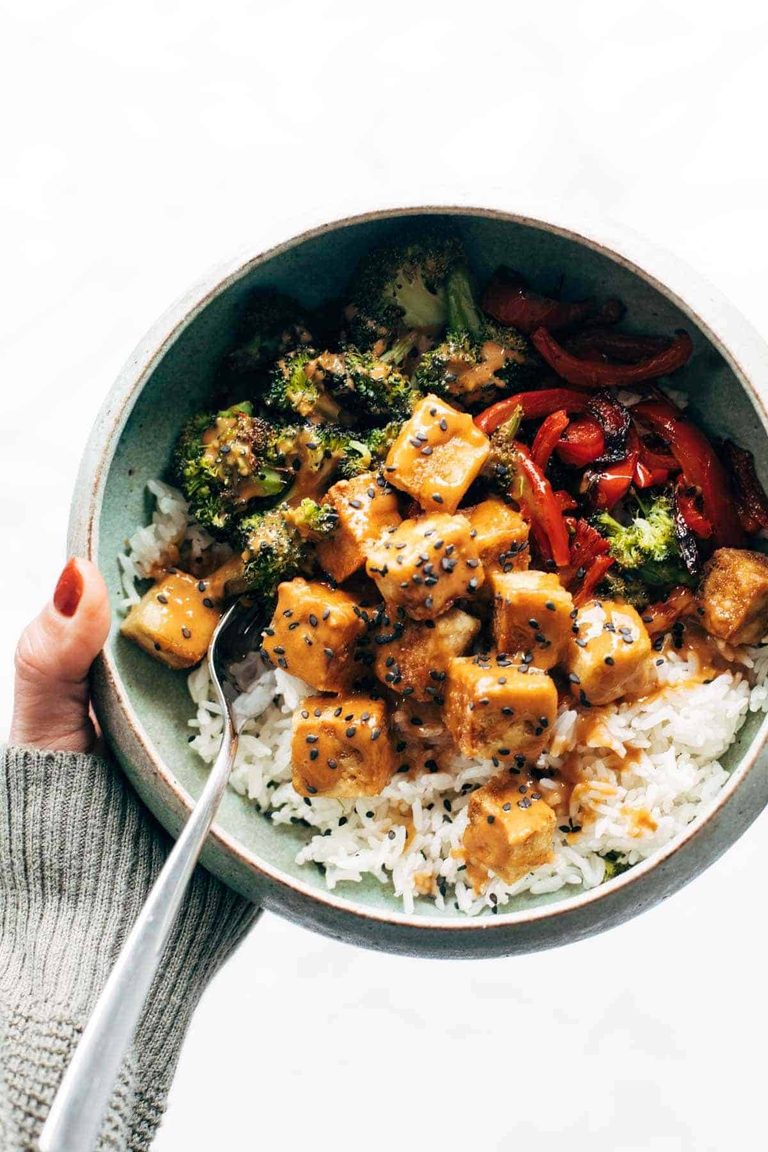
Ultimately, the fall season offers a unique opportunity for individuals to reset their dietary habits. By aligning consumption with the natural harvest cycle and focusing on whole-food preparations, the transition into winter can be managed with improved health outcomes and a more sustainable, budget-conscious approach to daily nutrition. This shift serves as a reminder that the most effective wellness strategies are often the simplest, rooted in the seasonal bounty provided by nature and supported by mindful, intentional preparation.