The Evolution of Kitchen Organization and the Lid Dilemma
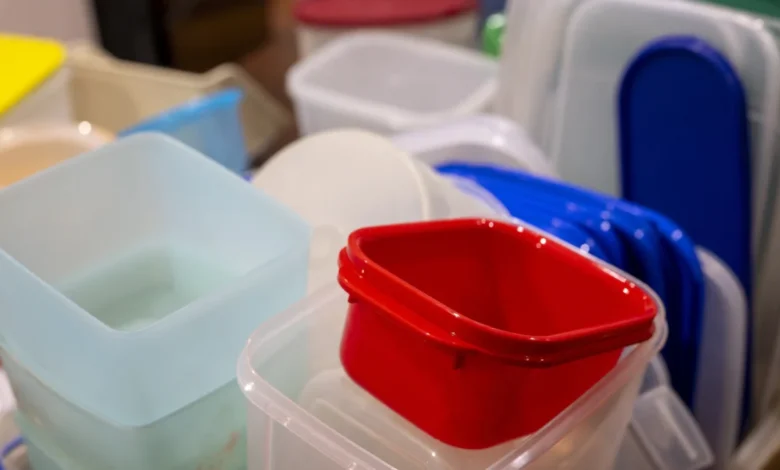
The modern kitchen has evolved from a purely functional space into a hub of high-efficiency design. However, the proliferation of plastic and glass food storage systems—driven by the rise of meal prepping and a cultural shift toward reducing food waste—has introduced a new category of household clutter. Industry data suggests that the average American household owns between 20 and 50 individual food storage pieces, often from various brands with non-interchangeable components.
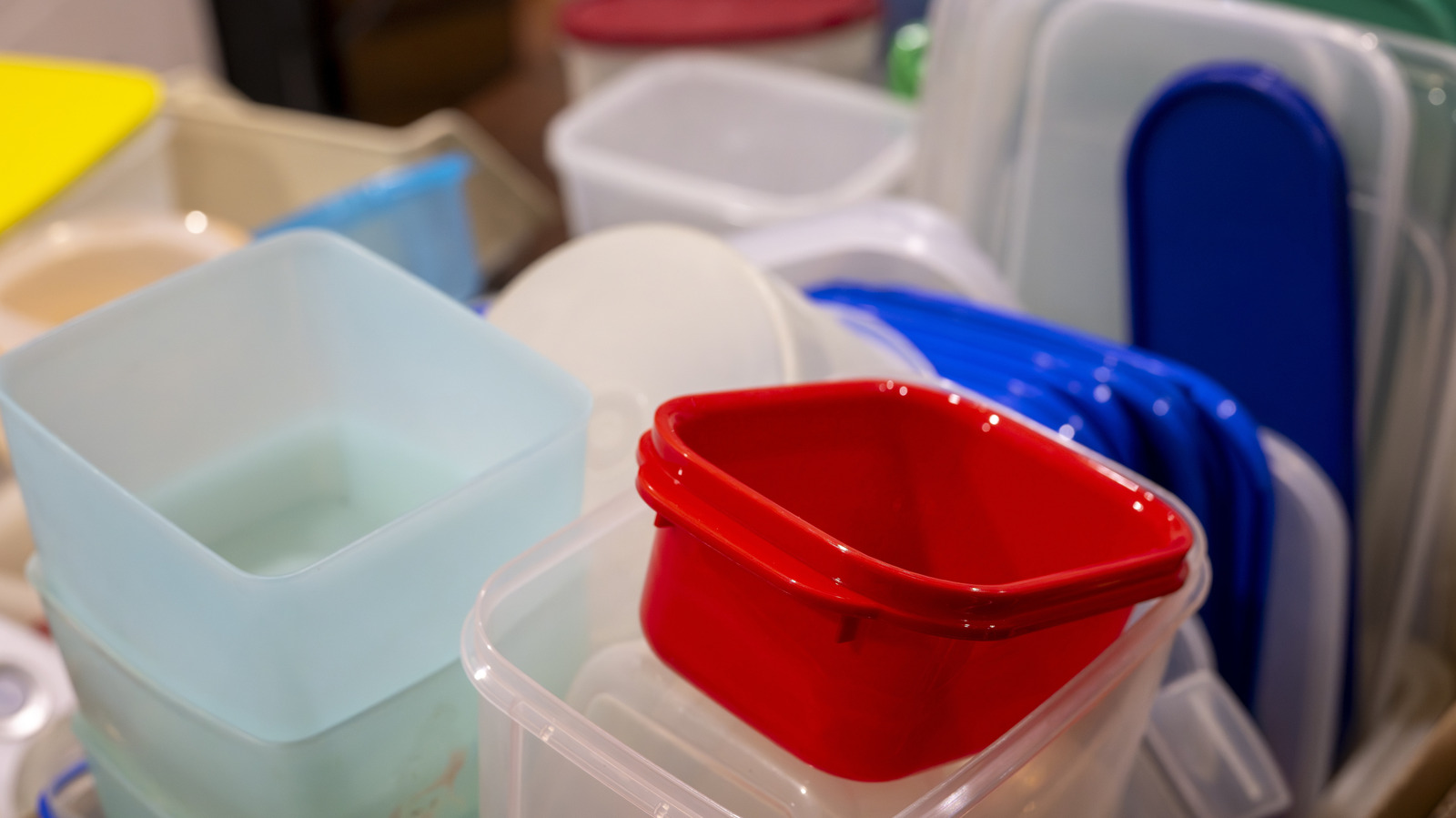
The difficulty in storing these items stems from their geometric inconsistency. While the bases are typically designed to nest within one another to save vertical space, the lids are flat, varied in size, and prone to sliding. When stored horizontally in a stack, the lid at the bottom becomes inaccessible, often leading to the entire pile being upended. This creates a point of friction in daily kitchen operations, extending the time required for cleaning and food preparation.
Professional organizers have long advocated for "vertical storage" as the primary solution to this issue. By storing items on their edges—similar to files in a cabinet—users can see every item at a glance and remove a single piece without disturbing the rest. While specialized commercial lid organizers exist, they often require a significant financial investment or may not fit the specific dimensions of a user’s cabinetry. This is where the tension rod hack provides a customizable, budget-friendly alternative.
Technical Implementation: Converting Drawers into Filing Systems
The tension rod hack functions by creating artificial partitions within an existing drawer or cabinet. Unlike permanent dividers, which may require drilling or adhesive, tension rods utilize a spring-loaded internal mechanism to apply outward pressure against the walls of the drawer, holding the rod securely in place.
To implement this system, the process begins with precise measurement. Organizers must measure the internal width or depth of the drawer where the lids will be housed. Because tension rods are sold in specific size ranges (such as 12–20 inches or 18–28 inches), selecting a rod where the drawer measurement falls in the middle of the range ensures maximum stability.
The installation involves a specific sequence of actions to ensure the rod does not slip under the weight of the lids. The user positions the larger end of the rod against one side of the drawer. By twisting the telescopic sections, the rod is extended until it is slightly wider than the drawer itself. The internal spring is then compressed as the rod is leveled and slid into the desired position. Once released, the tension creates a firm barrier.
Strategic Placement and Configuration Options
There are two primary configurations for using tension rods to manage lid clutter, depending on the volume of containers and the available drawer depth.
The Perimeter Partition
In this configuration, a single tension rod is placed roughly two to four inches away from the front or side wall of the drawer. This creates a narrow "sleeve" where lids can be lined up vertically. The remaining large area of the drawer is then dedicated to the nested container bases. This method is ideal for smaller kitchens where drawer space is at a premium and the user needs to maximize every square inch.
The Multi-Slot Filing System
For households with extensive storage needs, multiple tension rods can be installed in parallel, spaced approximately two inches apart. This creates a series of slots, allowing the user to categorize lids by size or shape (e.g., one slot for circular lids, another for rectangular lids). This "filing cabinet" approach is cited by ergonomic experts as the most efficient way to manage inventory, as it eliminates the need to "dig" for the correct size.
Economic and Sustainability Implications
The shift toward DIY organization solutions like the tension rod hack reflects broader economic trends. The global home organization market was valued at approximately $12 billion in 2023 and is projected to grow as urban living spaces become more compact. As housing prices rise and average kitchen square footage in new apartments fluctuates, consumers are increasingly looking for ways to optimize existing spaces rather than undergoing expensive renovations.
A standard tension rod typically costs between $3 and $8, whereas high-end modular drawer systems can cost upwards of $50 to $100. Furthermore, the tension rod is a non-permanent fixture, making it an essential tool for the "renter-friendly" design movement. It allows individuals to customize their living environment without risking their security deposit or making permanent alterations to the cabinetry.
From a sustainability perspective, the ability to repurpose the hardware is a significant benefit. If a household moves or changes its storage system, the tension rods can be transitioned to serve as small curtain rods, under-sink organizers for cleaning sprays, or even dividers for baking sheets and cutting boards.
The Psychology of an Organized Workspace
The impact of kitchen organization extends beyond mere aesthetics; it has documented psychological benefits. Environmental psychology studies indicate that visual clutter can increase cortisol levels, the body’s primary stress hormone. In a kitchen environment, where tasks often involve sharp tools and heat, a cluttered workspace can also lead to increased accidents and cognitive load.
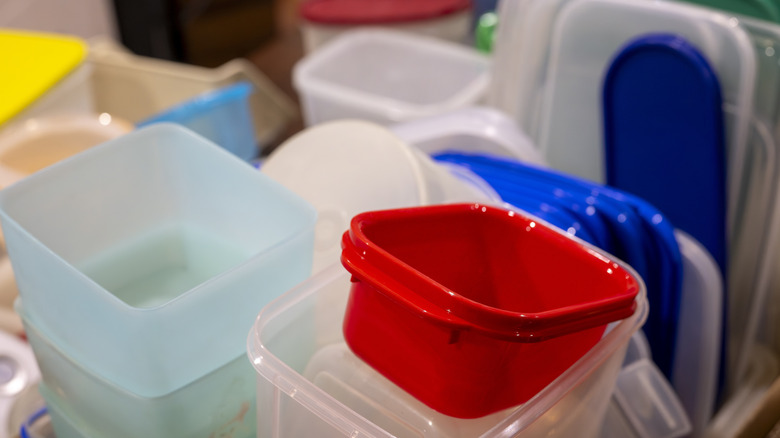
"When a person opens a drawer and sees a chaotic pile of plastic, it triggers a micro-stress response," says interior design consultant Elena Rodriguez. "By using a simple tool like a tension rod to create order, you are not just organizing lids; you are reducing the daily friction of living. It contributes to a sense of agency over one’s environment."
Comparative Analysis: Tension Rods vs. Traditional Dividers
When evaluating the tension rod against other organization methods, several factors emerge:
- Stability: While adhesive dividers can lose their grip over time due to kitchen humidity, the mechanical pressure of a tension rod remains constant.
- Adjustability: As a user rotates their container inventory—perhaps replacing old plastic with glass—the tension rod can be moved in seconds to accommodate different thicknesses.
- Cleaning: Traditional slotted organizers can collect crumbs and dust in hard-to-reach corners. Tension rods can be popped out instantly, allowing the drawer to be wiped clean without obstruction.
However, users are cautioned to note the load-bearing capacity of the rods. While container lids are lightweight, using the same rods for heavy pot lids or cast-iron pans would require heavy-duty versions with rubberized "feet" to prevent sliding and damage to the drawer’s interior finish.
Future Trends in Domestic Engineering
The popularity of the tension rod hack is part of a larger trend known as "Domestic Engineering," where industrial and commercial organizational tactics are applied to the home. This movement is heavily influenced by social media platforms, where "life hack" videos garner millions of views, democratizing professional organization secrets that were previously only available through high-priced consultants.
As we look toward the future of home design, it is likely that cabinet manufacturers will begin to incorporate more modular, adjustable features into their standard builds. Until then, the use of tension rods remains a pinnacle of functional, affordable, and intelligent home management. It represents a shift away from mindless consumption toward the thoughtful optimization of the tools we already own.
By implementing such a system, the modern homeowner effectively solves one of the most persistent "first-world problems" of the 21st-century kitchen. The result is a streamlined, stress-free environment that allows the focus to remain on the primary purpose of the kitchen: the preparation of food and the gathering of community, rather than the frustration of a missing lid.