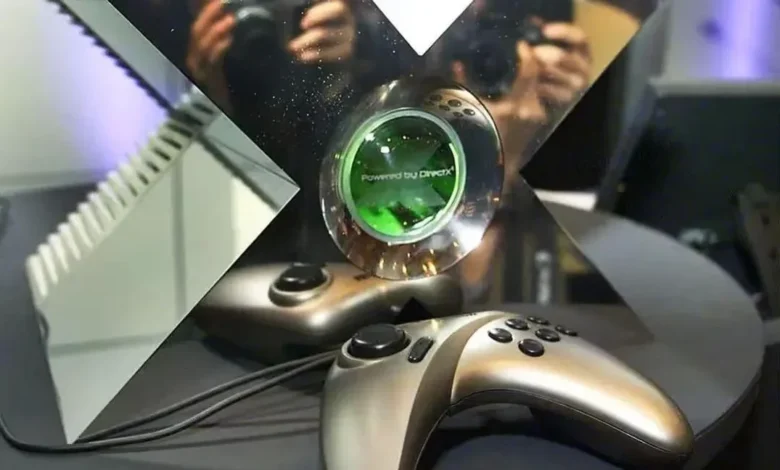
For years, Microsoft has leveraged extensive backward compatibility across multiple generations of Xbox hardware as a cornerstone selling point for its console ecosystem, a strategy designed to honor gaming legacies and provide seamless transitions for players. Today, that enduring commitment to game preservation and accessibility takes a significant leap, expanding beyond the traditional console environment to make select original Xbox titles officially playable and purchasable on Windows PCs for the first time. This move not only broadens the reach of these classic games but also further solidifies Microsoft’s "player-first" philosophy by integrating historical content into its burgeoning PC gaming platform.
The Dawn of a New Era: Xbox Backward Compatibility on PC Unveiled
The program, aptly and directly named "Xbox Backward Compatibility on PC," commenced its rollout today, introducing a quartet of beloved original Xbox games to the Windows platform. The inaugural titles are BLiNX: The Time Sweeper, Conker: Live and Reloaded, Crimson Skies: High Road to Revenge, and Fuzion Frenzy. These games, originally released in the early 2000s for Microsoft’s debut console, are now available for PC players to download at a price point of $10 each. Crucially, existing Xbox Game Pass Ultimate subscribers and those who already possess digital licenses for these specific titles on an Xbox console are granted instant access without the need for an additional purchase, underscoring Microsoft’s ecosystem-wide benefits. However, players attempting to insert an original Xbox physical disc into their PC drive will find no such luck, as the program currently relies on digital entitlement and distribution.
This initiative represents a strategic evolution for Microsoft, bridging its console and PC gaming divisions more tightly. The ability to access these foundational titles on PC not only caters to nostalgia but also introduces them to a new generation of players who may not have experienced the original Xbox era. It signals a continued effort to break down barriers between hardware platforms, a philosophy that has been central to Microsoft’s gaming strategy under the leadership of Xbox head Phil Spencer.
A Legacy of Preservation: Microsoft’s Backward Compatibility Journey
Microsoft’s dedication to backward compatibility is a long and storied one, distinguishing it significantly in the console market. This commitment began with the Xbox 360, which, upon its launch in November 2005, offered backward compatibility with a select number of original Xbox titles via software emulation. While the initial list was limited and required ongoing updates, it set a precedent for future generations. The transition from the Xbox 360 to the Xbox One saw a more robust and expansive effort, spearheaded by the Xbox team in 2015. This program allowed a growing library of Xbox 360 games to be played on the Xbox One, often with performance enhancements. In 2017, this initiative was further extended to include a curated selection of original Xbox games, effectively allowing three generations of Xbox titles to be played on the Xbox One and, subsequently, the Xbox Series X|S.
The technical complexities involved in achieving this level of cross-generational play are immense. Original Xbox games, for instance, were designed for custom PowerPC-based hardware with unique graphics architectures. Emulating or virtualizing these environments on newer x86-based consoles or, now, PCs, requires sophisticated software layers that translate instructions and manage hardware resources, often resulting in performance improvements over the original platforms. The "Xbox Backward Compatibility on PC" program leverages this existing expertise, adapting the console-side emulation technology for the Windows environment. This deep investment in backward compatibility has frequently been cited by Microsoft as a core pillar of its gaming strategy, aimed at valuing player libraries and fostering a sense of continuity within the Xbox ecosystem.
Technical Deep Dive: Enhanced Features and Hardware Considerations
Bringing these classic games to PC is not merely a direct port; it involves a suite of technical enhancements designed to modernize the visual experience while respecting the original artistic intent. PC players can anticipate several bonus graphical features, including Vsync support to eliminate screen tearing, anisotropic filtering for sharper texture details at oblique angles, enhanced anti-aliasing to smooth jagged edges, and most notably, up to 4x resolution scaling of the original standard definition (SD) signal. This scaling can push resolutions up to 2560×1920, a significant jump from the original console’s output.
However, certain aspects of the original games’ presentation remain fixed. Games are limited to their original frame rates, which in most cases means a 30 frames per second (fps) cap, and their original 4:3 aspect ratios. While some modern remasters or fan patches might alter these parameters, Microsoft’s official backward compatibility aims for authenticity in core gameplay experience.
Regarding hardware requirements, Microsoft has provided guidelines to ensure a broad range of PCs can participate. The company states that this initial batch of games should be playable on hardware as modest as an 11-year-old NVIDIA GeForce GTX 950 graphics card. For optimal performance and to fully appreciate the graphical enhancements, however, a more recent system is recommended, specifically a 2017-era NVIDIA GeForce GTX 1070 Ti with 8GB of VRAM. This tiered recommendation ensures accessibility while also catering to enthusiasts with more powerful setups. The technical specifications highlight Microsoft’s commitment to making these games widely available, rather than restricting them to only the latest high-end machines. This accessibility aligns with the broader PC Game Pass strategy, which aims to bring a diverse library of games to a wide audience regardless of their specific hardware configurations.
Initial Impressions and Community Response
Early testing by prominent technology analysis outlets, such as Digital Foundry, has provided valuable insights into the performance and fidelity of the "Xbox Backward Compatibility on PC" experience. Their initial assessment indicated that the PC experience is largely akin to playing the same games on an Xbox Series X, which itself runs these original Xbox titles through advanced emulation. This parity suggests a high degree of fidelity in Microsoft’s PC implementation.
However, the testing also highlighted some areas for improvement. Reviewers reported observations such as "weak anisotropic filtering" despite the feature being present, suggesting that its implementation might not be as robust as expected. Furthermore, some "frame timing issues" were noted, leading to what was described as "jerky camera motion" in certain titles. A "handful of visual bugs" were also identified across the initial wave of games. These findings are common for newly launched emulation or compatibility layers and often serve as feedback for future updates and optimizations. Despite these minor imperfections, the overall sentiment was positive, acknowledging the technical achievement and the value proposition for players.
The gaming community’s reaction has been largely enthusiastic, particularly among long-time Xbox fans and proponents of game preservation. Many have lauded Microsoft for continuing to expand its backward compatibility efforts, seeing it as a consumer-friendly move that respects the history of the medium. The integration with Game Pass has also been met with approval, further enhancing the value proposition of the subscription service. However, some discussions have naturally arisen regarding the limited initial game selection and the desire for more titles, particularly from the extensive Xbox 360 library, to eventually make their way to PC through official channels. The $10 price point for individual titles has also sparked debate, with some considering it fair for classic games with modern enhancements, while others might prefer a lower entry cost or more robust bundling options.
The Strategic Imperative: Expanding the Xbox Ecosystem on PC
The introduction of official original Xbox backward compatibility on PC is not an isolated event but a crucial component of Microsoft’s broader strategic vision for gaming. Under Phil Spencer, Xbox has increasingly focused on building an expansive ecosystem that transcends dedicated console hardware. This strategy is evident in several key initiatives:
- Xbox Play Anywhere: Launched in 2016, this program allows players to buy a digital game once and play it on both Xbox consoles and Windows PCs, sharing progress, achievements, and saves.
- PC Game Pass: The growth of Game Pass for PC has been phenomenal, offering a vast library of first-party Xbox titles, Bethesda games, and a curated selection of third-party titles for a monthly subscription. This service has been instrumental in expanding Xbox’s presence on the PC platform, tapping into the massive and continually growing PC gaming market.
- Cloud Gaming (Xbox Cloud Gaming): Offering games streamed to various devices, including PCs, phones, and tablets, further detaches the Xbox gaming experience from proprietary hardware.
This latest backward compatibility announcement aligns perfectly with these efforts, reinforcing the idea that "Xbox" is no longer just a console but a multi-platform gaming service. By bringing classic titles to PC, Microsoft aims to:
- Attract New Game Pass Subscribers: Offering a deeper library, including retro titles, makes Game Pass even more appealing to a broader audience, including those primarily playing on PC.
- Enhance Value for Existing Subscribers: Current Game Pass subscribers gain access to these classics without extra cost, increasing the perceived value of their subscription.
- Strengthen the Xbox Brand on PC: By officially supporting older titles, Microsoft signals its long-term commitment to PC as a first-class gaming platform, fostering brand loyalty.
- Drive Digital Sales: For non-Game Pass subscribers, the option to purchase these titles digitally creates a new revenue stream for older intellectual properties.
- Combat Unofficial Emulation: By providing official, supported, and enhanced versions of these games, Microsoft offers a legitimate alternative to unofficial emulation, which often comes with legal ambiguities and varying levels of performance and stability.
The PC gaming market, estimated to be worth over $40 billion annually, represents a massive opportunity for Microsoft to grow its gaming division beyond console sales. By making classic Xbox content available on PC, Microsoft is effectively leveraging its historical catalog to capture a segment of this market, further cementing its position as a major player in cross-platform gaming.
Broader Implications: Game Preservation, Competition, and Future Outlook
The expansion of Xbox backward compatibility to PC carries significant implications for game preservation, the competitive landscape, and the future direction of platform-holder strategies.
Game Preservation: Official support for classic games on modern platforms is a critical aspect of game preservation. As physical media degrades and older hardware becomes obsolete, digital availability ensures that these cultural artifacts remain accessible. Microsoft’s efforts contribute significantly to this goal, especially for titles that might otherwise be lost to time or only accessible through unofficial means. This commitment stands in contrast to some other platform holders who have historically struggled with or deprioritized backward compatibility, often leaving older digital storefronts to wither or requiring players to repurchase remastered versions.
Competitive Landscape: This move intensifies the competition in the multi-platform gaming space. Sony, a primary competitor, has taken a different approach to its classic library, primarily offering select PlayStation, PS2, and PSP titles via its PlayStation Plus Premium tier, often through streaming or specific emulation that might require additional purchases. Nintendo, while offering classic NES, SNES, N64, Game Boy, and GBA titles through its Nintendo Switch Online subscription, has also adopted a more curated and subscription-based model. Microsoft’s comprehensive and increasingly platform-agnostic approach to backward compatibility positions it uniquely, emphasizing player choice and extensive access to historical content.
Future Outlook: The launch of "Xbox Backward Compatibility on PC" with a small initial batch of games naturally raises questions about the future. Will Microsoft expand this program to include more original Xbox titles? More importantly, will Xbox 360 backward compatibility eventually come to PC? Given the vast library of Xbox 360 games and the success of that console generation, extending the program to include 360 titles would be an even more substantial undertaking and likely welcomed by a significant portion of the PC gaming community. Such an expansion would further solidify Microsoft’s "Xbox Everywhere" vision, making virtually its entire gaming history accessible across its core platforms. The current implementation also sets a precedent for how digital rights management (DRM) and entitlement transfer will function between console and PC, an important consideration for future cross-platform initiatives.
In conclusion, Microsoft’s decision to bring original Xbox backward compatibility to PC is a landmark development. It is a strategic move that not only honors the rich history of the Xbox brand but also strengthens its position in the competitive PC gaming market. By providing official, enhanced access to these classic titles through a flexible business model that leverages Game Pass, Microsoft continues to build an inclusive and interconnected gaming ecosystem that prioritizes player choice and the enduring legacy of video games. As the program matures and potentially expands, it will undoubtedly shape how players interact with gaming history and how platform holders approach the increasingly blurred lines between console and PC gaming.