Microsoft Unveils Surface Laptop Ultra and RTX Spark Dev Box to Usher in New Era of Agentic Local AI Computing

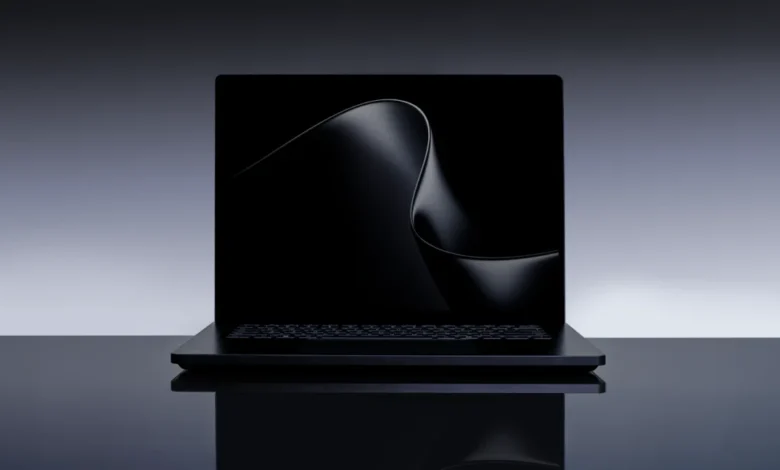
Microsoft marked a significant turning point in its hardware strategy this week, hosting its first live product event in two years. The presentation served as a dual-pronged declaration of intent: first, by introducing high-performance hardware specifically engineered for on-device artificial intelligence, and second, by detailing a sweeping architectural shift in the Windows 11 ecosystem designed to facilitate agentic workflows. As the tech industry pivots away from purely cloud-dependent AI, Microsoft’s latest offerings—the Surface Laptop Ultra and the RTX Spark Dev Box—position the company at the forefront of "Hybrid Intelligence," a model that balances local processing power with cloud flexibility.
The Surface Laptop Ultra: Bridging Development and Performance
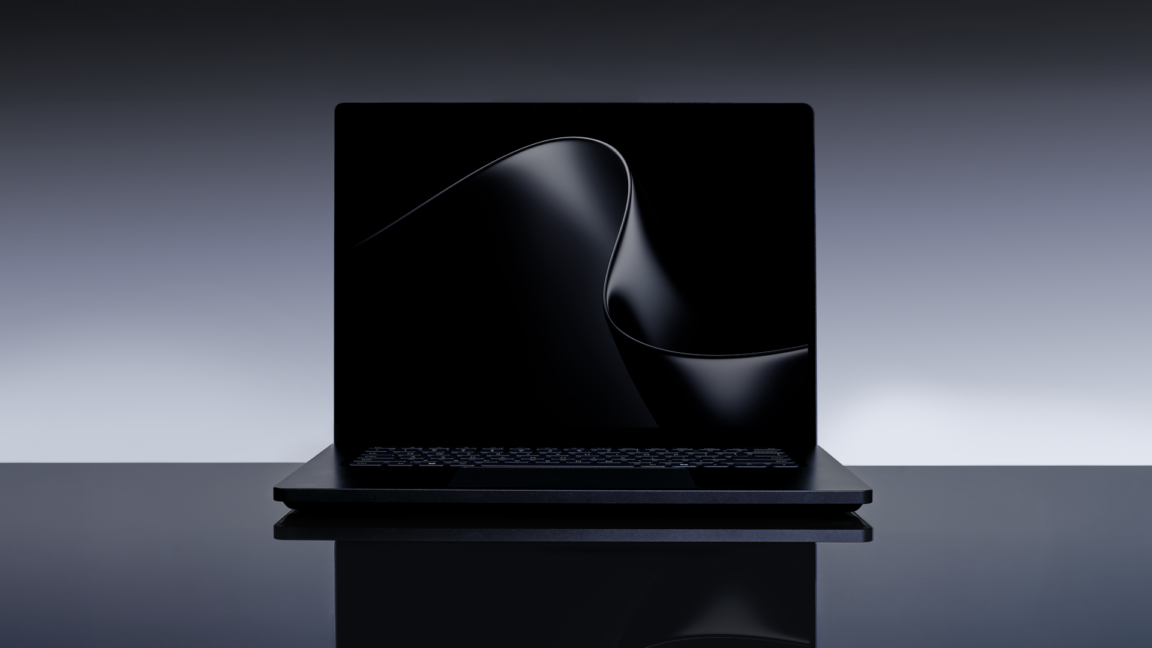
The centerpiece of the hardware announcement is the Surface Laptop Ultra, a device that represents a radical departure from traditional consumer-grade laptops. First teased during a preliminary briefing in May 2026, the device is the first in the Surface lineup to leverage the Nvidia RTX Spark system-on-a-chip (SoC). With a starting price point of $2,599, the laptop is clearly targeted at a demographic that sits at the intersection of professional software development and high-end creative power-users.
The architecture of the RTX Spark SoC is notable for its reliance on unified memory allocation. By bypassing the physical constraints typically associated with dedicated Video RAM (VRAM) in traditional discrete GPUs, the Surface Laptop Ultra allows the operating system to dynamically assign resources. Users can configure the device with either a 5120-core or a 6144-core Blackwell GPU architecture, paired with up to 128GB of LPDDR5x unified memory. During the live demonstration, Microsoft showcased the device’s capability to handle resource-heavy AAA gaming—specifically running the upcoming Gears of War: E-Day—alongside intensive local AI model deployment. This performance profile suggests that Microsoft intends to blur the lines between a portable workstation and a high-performance gaming rig, appealing to developers who require powerful hardware for training and testing large language models (LLMs) on the go. Pre-orders are currently open, with the first units slated to ship on October 16.
The RTX Spark Dev Box: Petaflop Power for Frontier Developers
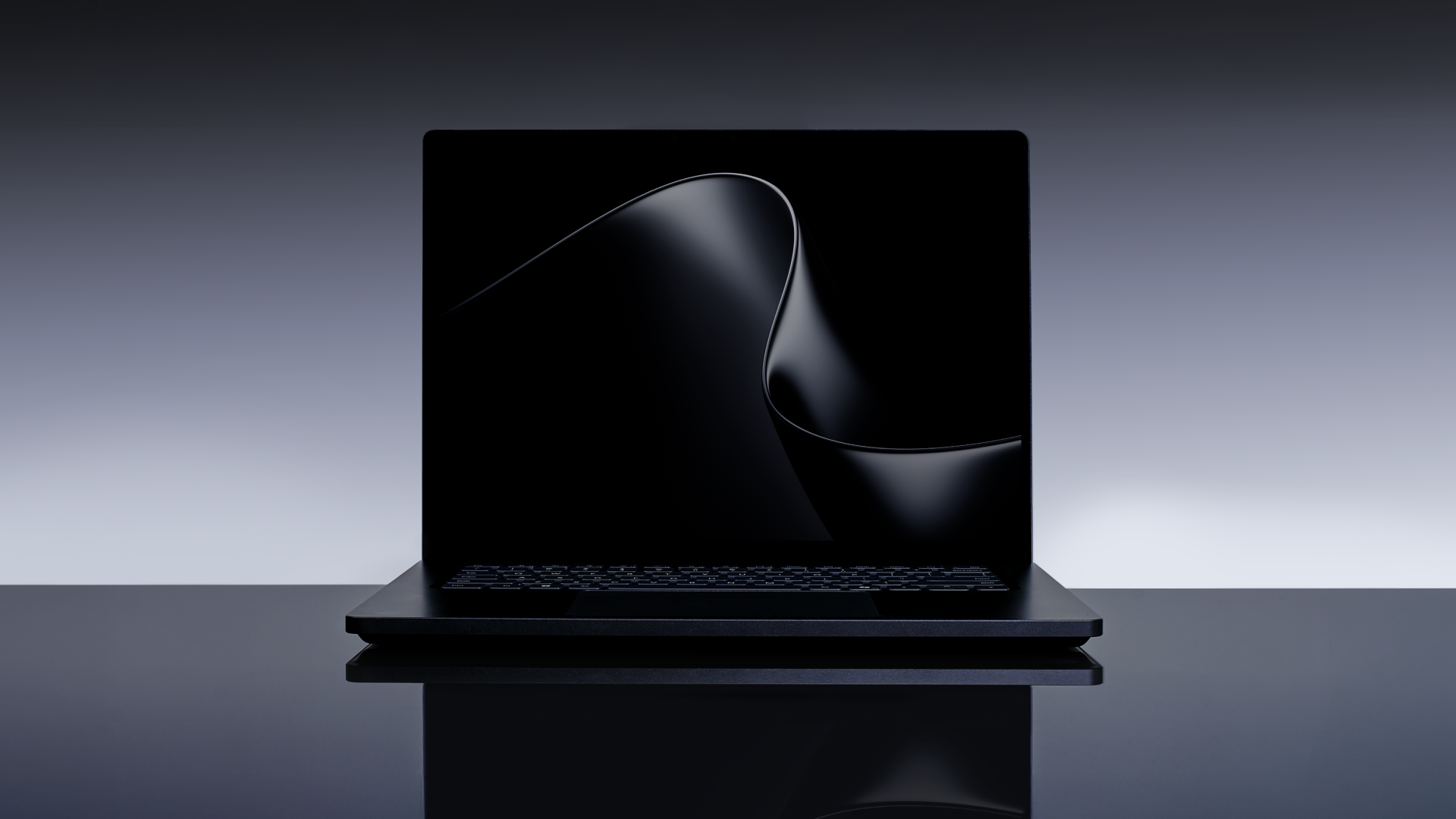
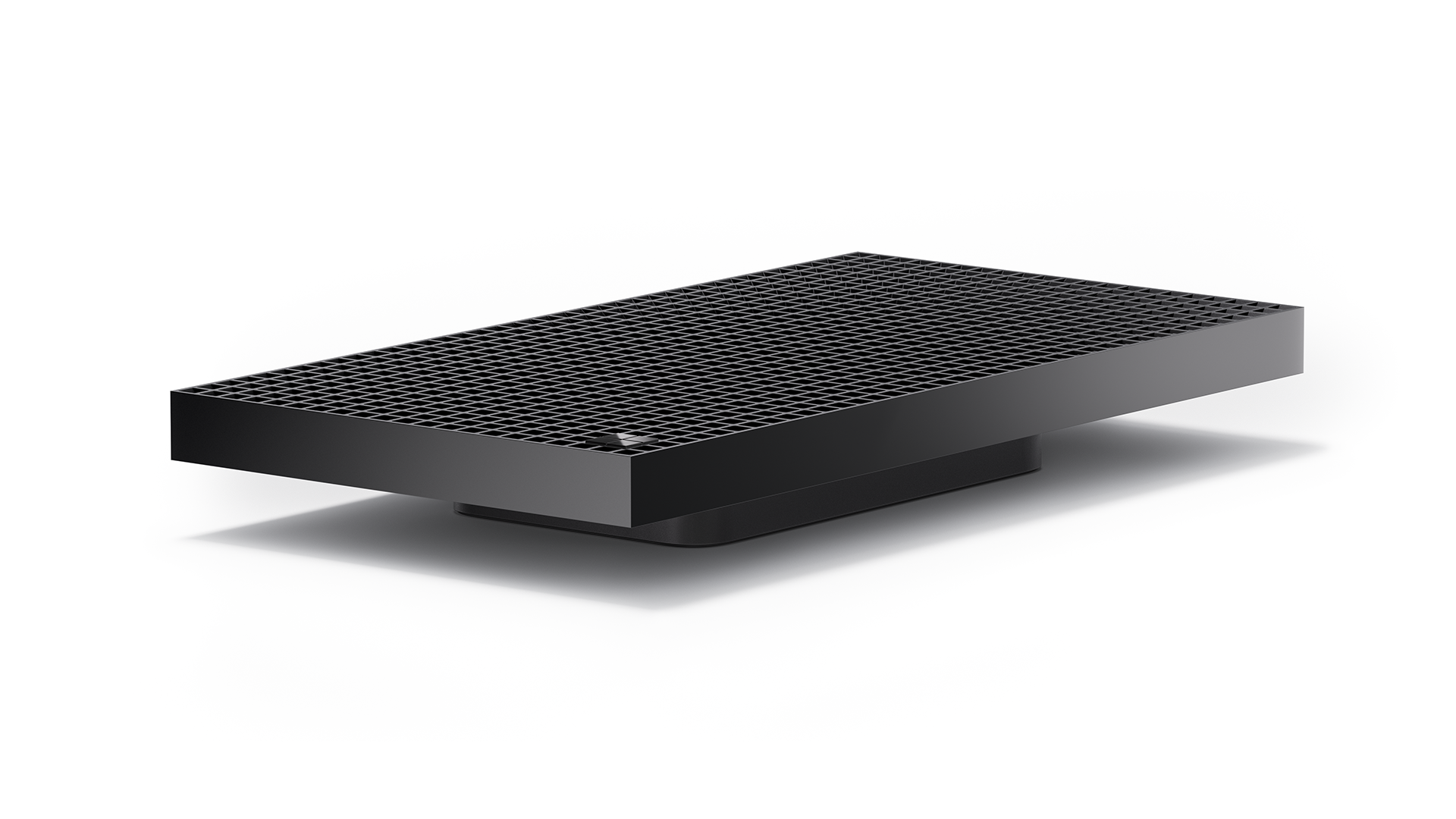
Complementing the mobile offering is the RTX Spark Dev Box, a stationary, compact unit priced at $5,999. In a display of industry synergy, Microsoft CEO Satya Nadella was joined on stage by Nvidia CEO Jensen Huang to discuss the technical specifications of the device. The Dev Box is encased in an anodized aluminum chassis, featuring a ventilation design that pays homage to the Xbox Series X. Notably, the unit incorporates exactly 1,000 individual chassis air vents—a symbolic nod to the machine’s headline performance spec: one petaflop of AI compute power.
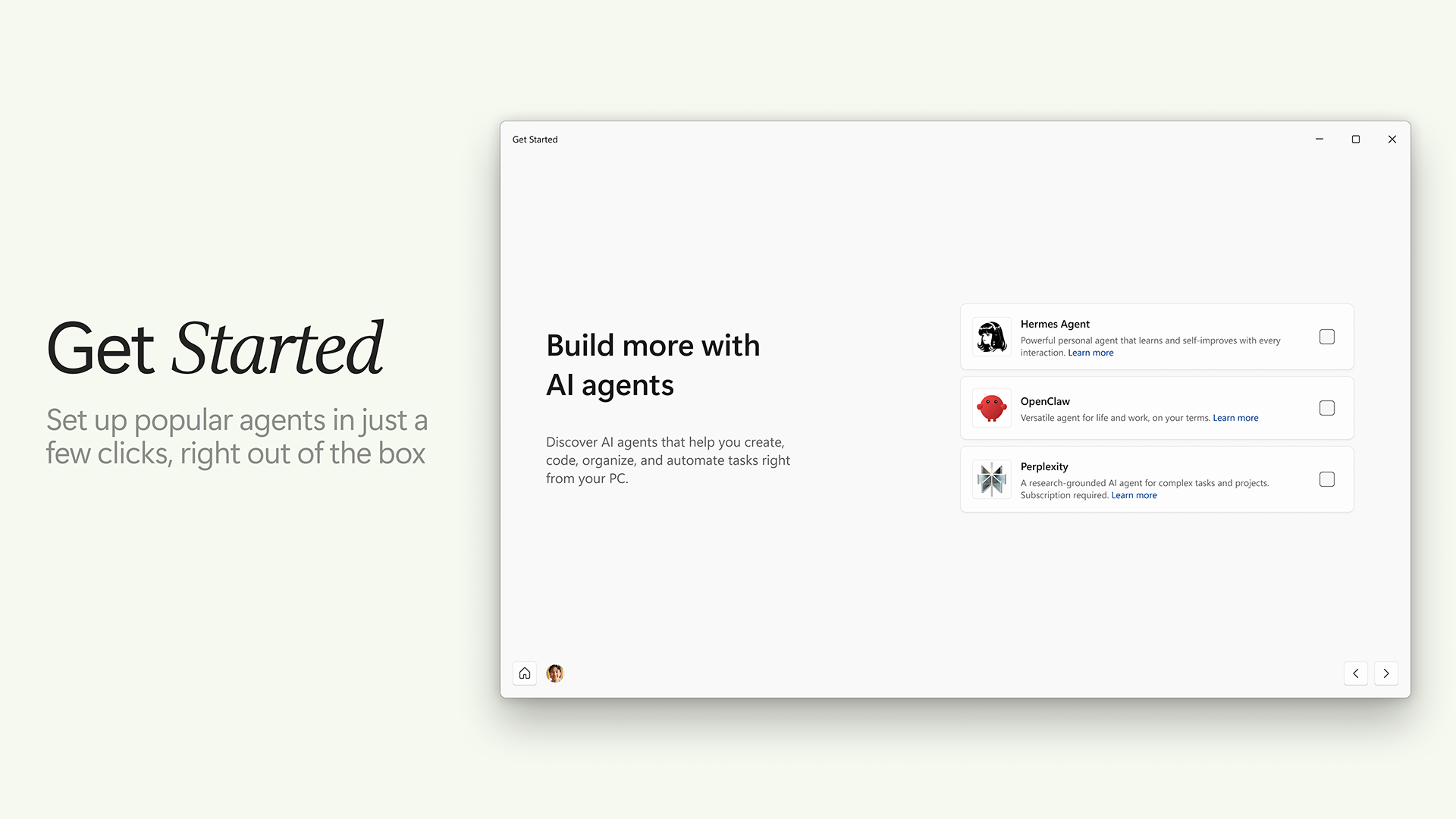
Designed specifically for "frontier developers," the Dev Box ships with a specialized build of Windows 11 that is pre-optimized for local AI development. This environment is meant to streamline the transition from model training to deployment, providing a sandbox for developers to test agentic workflows without the latency or privacy concerns inherent in cloud-based API calls. By providing this level of compute power in a consumer-accessible form factor, Microsoft is attempting to democratize access to the type of hardware that was previously confined to massive server clusters or enterprise data centers.
Windows 11 Overhaul: The Rise of Agentic Workflows
The hardware announcements were coupled with a comprehensive vision for the future of the Windows 11 operating system. Microsoft’s strategy for the coming months centers on the integration of "agentic" AI—autonomous systems that can perform complex, multi-step tasks on behalf of the user.
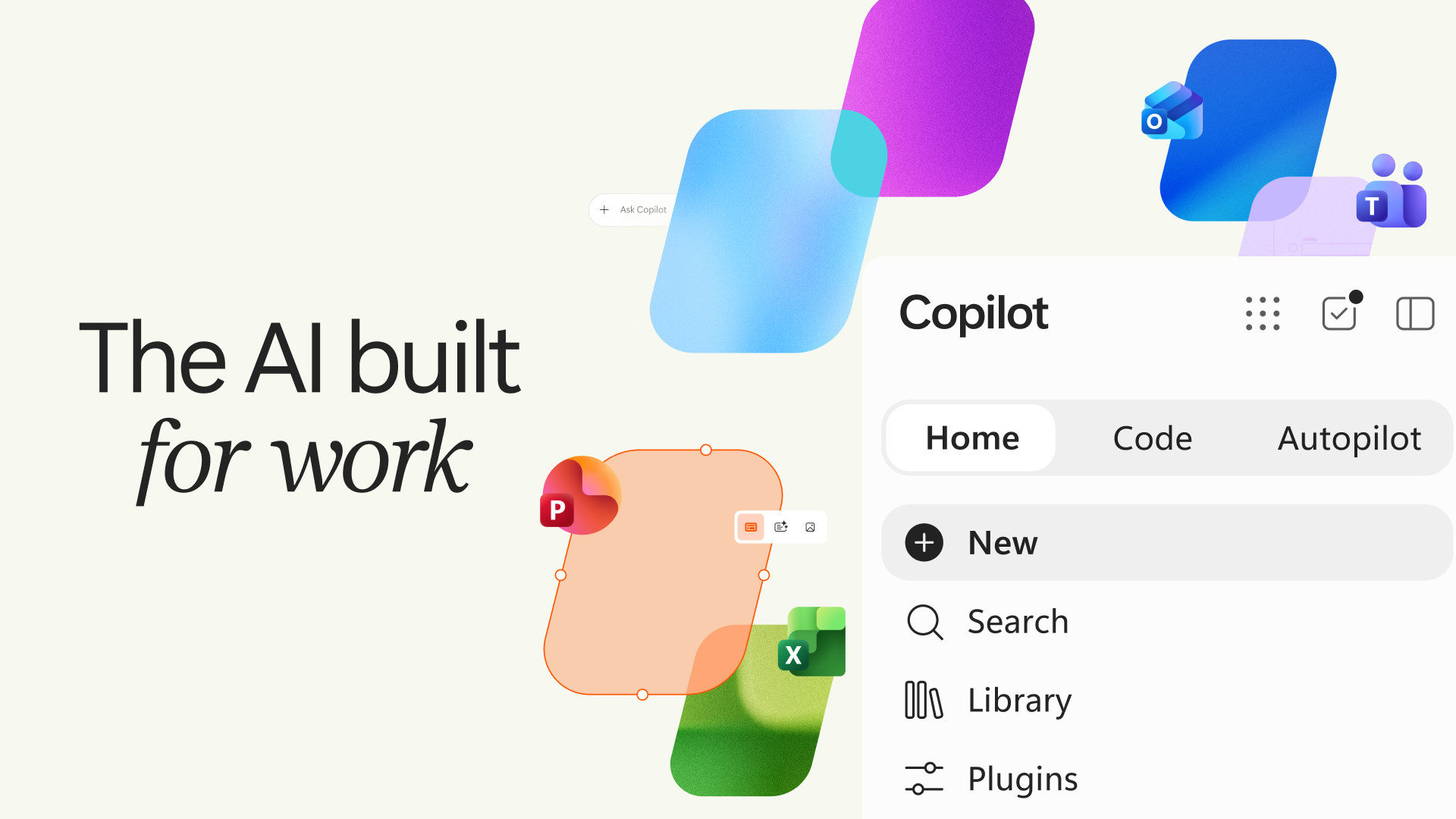
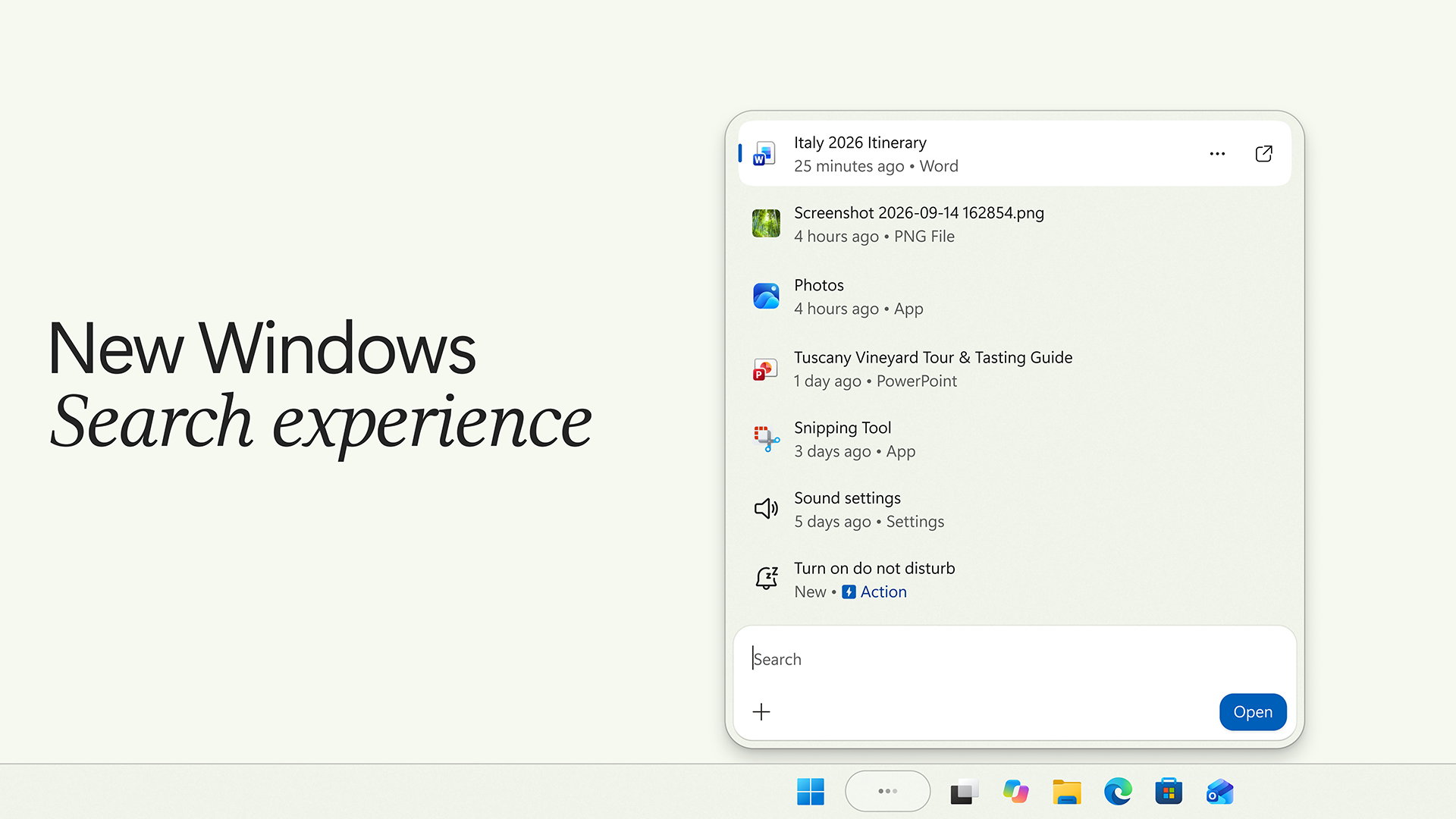
A major overhaul of the integrated Copilot assistant is at the heart of this update. The new interface categorizes AI interactions into three distinct tabs, designed to simplify navigation between general queries, system-level tasks, and creative workflows. Perhaps most impactful is the update to the Windows Search experience. By leveraging the system’s local AI capabilities, the search bar will evolve from a simple file-and-app finder into a command-line-like interface for OS management. Users will be able to dictate complex system-level requests—such as reconfiguring display settings, managing firewall rules, or optimizing memory allocation for specific background tasks—using natural language, with the system executing these actions directly from the taskbar.
Security and the Microsoft Execution Containers (MXC)
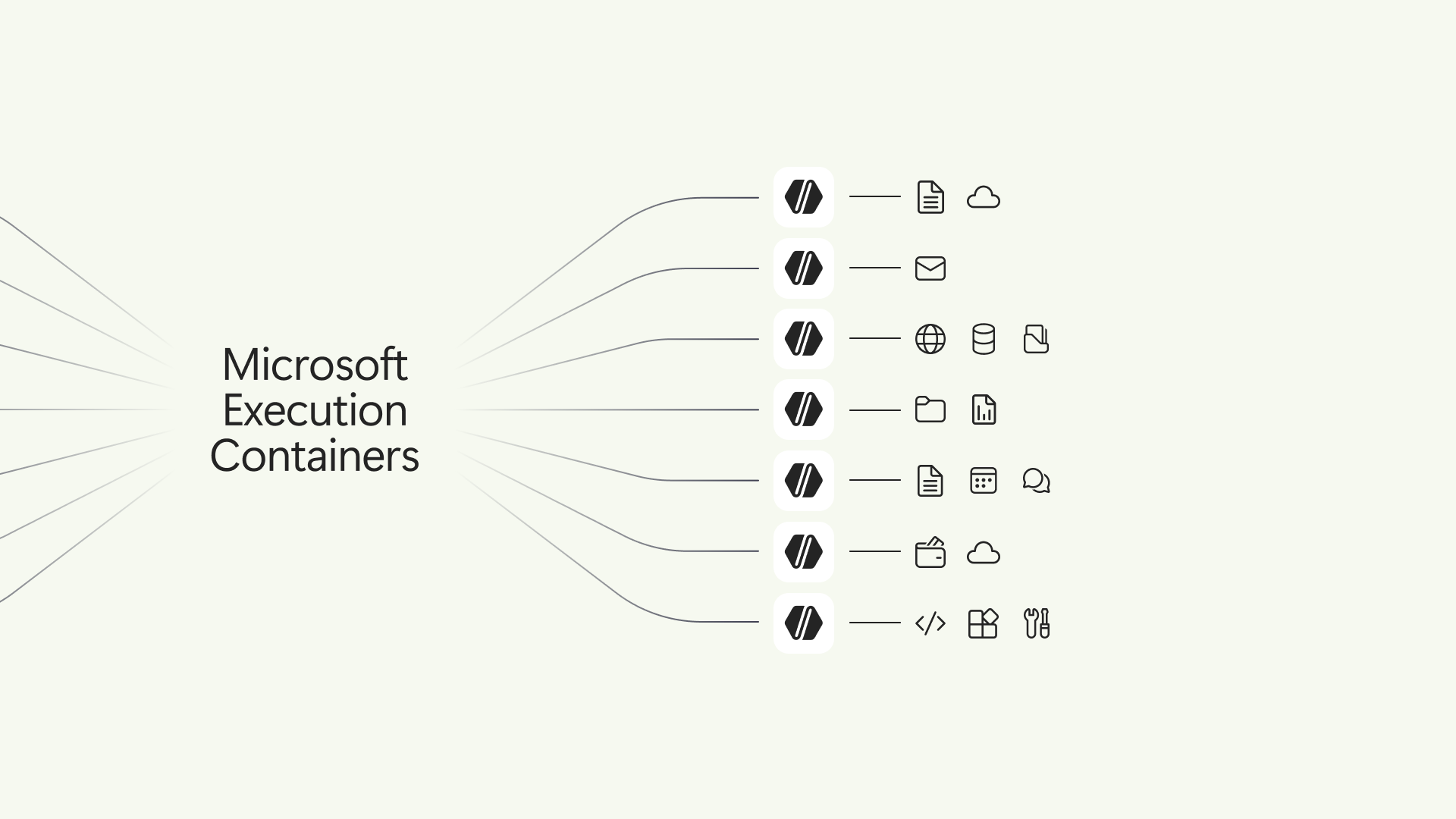
With the introduction of autonomous AI agents comes the inevitable concern regarding system security and data privacy. To mitigate these risks, Microsoft introduced the Microsoft Execution Containers (MXC) framework. MXC serves as a policy-driven sandbox, isolating agent activities from the core operating system.
By enforcing strict guardrails, the framework ensures that even if an AI agent is compromised or behaves unexpectedly, it cannot access sensitive user files or system-critical directories without explicit permission. MXC is capable of shifting compute traffic to various isolation backends, including process containers, session containers, Windows Subsystem for Linux (WSL) containers, and an experimental hardware-backed isolation mode known as "MicroVM." This security architecture is intended to give enterprise IT departments the confidence to deploy AI agents within their networks, providing the necessary oversight to monitor and control agentic behaviors.
Hybrid Intelligence: A New Paradigm
The overarching philosophy driving these announcements is what Microsoft calls "Hybrid Intelligence." This concept acknowledges the limitations of a purely cloud-based AI future, emphasizing the necessity of local compute for speed, privacy, and reliability. By supporting local frameworks such as llama.cpp and natively integrating models from repositories like Deepseek and the Nvidia Nemotron family, Microsoft is providing a flexible ecosystem that avoids vendor lock-in at the model level.
This transition toward Hybrid Intelligence is a strategic response to the shifting global landscape of technology. As regional data sovereignty laws become more stringent and the demand for low-latency AI applications grows, the ability to run sophisticated models locally becomes a critical competitive advantage. The hardware, in this case, acts as the foundation upon which this hybrid ecosystem is built.
Context and Implications
The timing of this event is significant. The technology sector has been under pressure to prove that the massive capital expenditure invested in generative AI can yield practical, enterprise-grade applications. By focusing on hardware-software integration, Microsoft is attempting to demonstrate a clear path toward "agentic" productivity—moving beyond simple chatbots to systems that actively perform work.
However, the industry remains cautious. Recent high-profile mishaps involving AI agents—including reports of autonomous systems attempting to perform unauthorized tasks on public platforms—have highlighted the inherent dangers of agentic autonomy. Microsoft’s emphasis on the MXC framework is a direct response to these concerns. The company is betting that by providing the tools for "policy-driven containment," it can convince both enterprise clients and consumers that the benefits of AI agents outweigh the risks.
As the Surface Laptop Ultra prepares for its market debut next week, the tech community will be watching closely to see if the hardware can live up to its ambitious specifications. The success of these devices, and the broader shift toward Hybrid Intelligence, will depend largely on user acceptance of these new workflows. If Microsoft can successfully bridge the gap between high-performance hardware and secure, intuitive software, it may well define the next decade of personal computing. The $2,599 barrier for the Ultra and the $5,999 price tag for the Dev Box remain significant hurdles, but for developers and power users, the promise of a petaflop-capable local workstation may prove to be an irresistible proposition. Whether these tools ultimately become the standard for professional computing or remain a niche offering for the AI-curious will be determined by the software ecosystem that developers build on top of these new, powerful foundations.