Barack Obama Mocks Trump White House Renovations at Cleveland Rally Calling It Saddam Hussein Meets Cheesecake Factory

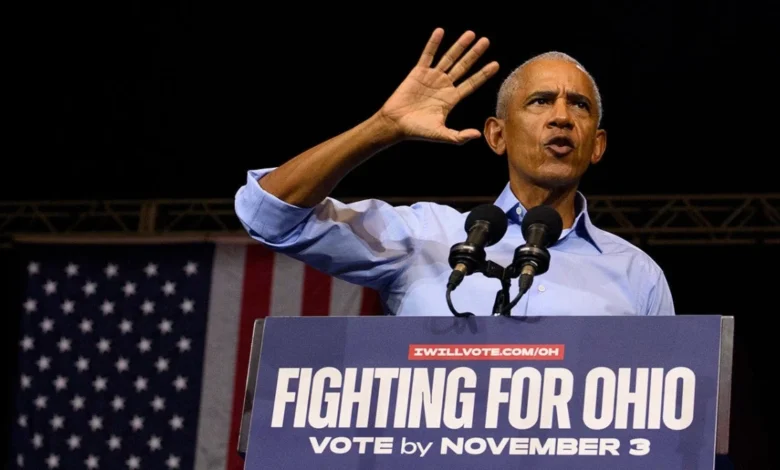
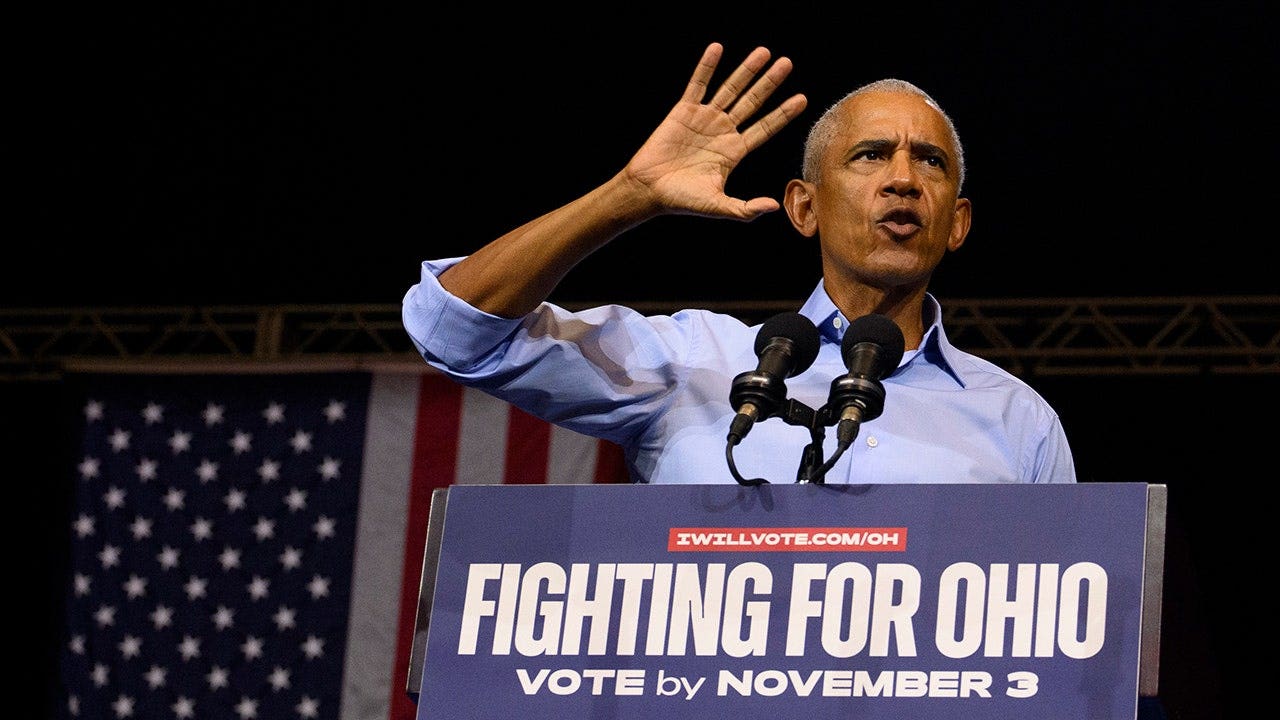
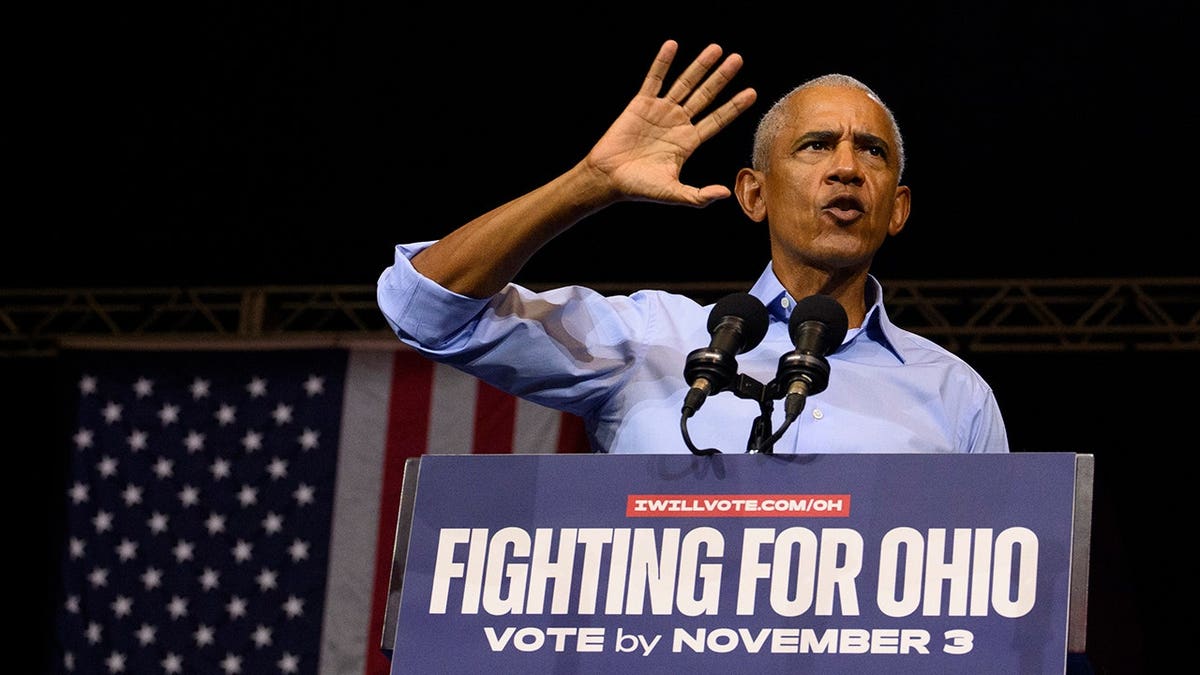
Former President Barack Obama delivered a sharply worded critique of President Donald Trump during a high-stakes campaign rally in Cleveland, Ohio, targeting both the current administration’s architectural choices at the White House and its foreign policy decisions in the Middle East. Speaking before an enthusiastic crowd at the historic Cleveland Public Auditorium just ten days ahead of the midterm elections, Obama used humor and political rhetoric to rally support for local Democratic candidates, including gubernatorial hopeful Amy Acton and incumbent Senator Sherrod Brown.
The speech, which touched upon domestic infrastructure, foreign policy, and the shifting political landscape of the American Midwest, quickly generated national headlines due to Obama’s unorthodox and colorful description of executive mansion renovations carried out under the Trump administration.
Architectural Jabs and the White House Renovation Debate
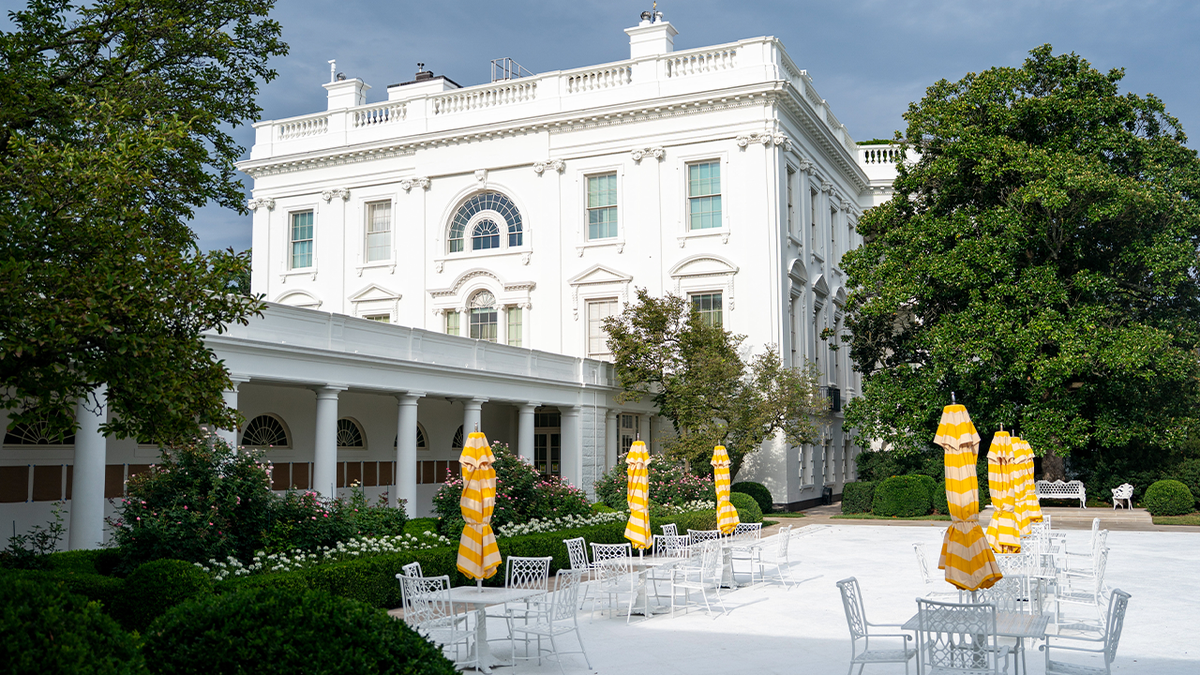
Stepping up to the podium on October 24, 2026, Obama focused a portion of his address on what he characterized as an excessive preoccupation with interior and exterior home improvements at the executive residence. Listing a series of high-profile projects—including a massive new ballroom initiative, the controversial paving of the historic Rose Garden, and the installation of a new granite helipad on the South Lawn—Obama likened the visual aesthetic of the modifications to an eclectic and bizarre combination of authoritarian opulence and casual dining culture.
"I mean, I don’t know if you’ve noticed, but he seems very focused on home renovations," Obama told the cheering audience. "He should be on HGTV."
Expanding on his critique of the administration’s distinct affinity for gold accents and opulent detailing, Obama delivered the line that would dominate media coverage of the event: "He’s got the White House looking like Saddam Hussein opened a Cheesecake Factory."
While the former president framed the updates as frivolous vanity projects, supporters of the Trump administration and historical records present a more complex picture of the modifications. The alterations to the executive grounds have generally been defended by officials as functional and long-overdue modernizations of an aging complex that struggles to meet the logistical demands of a modern presidency.
Chronology of Executive Mansion Upgrades
The transformations cited by Obama span multiple years of the current presidential term and have drawn mixed reactions from historians, preservationists, and the public:
- March 2025: President Trump officially orders a sweeping makeover of the iconic White House Rose Garden. The historic central turf lawn is removed and replaced with precision-cut limestone paving to establish a stable, weather-resistant patio designed for large-scale outdoor press conferences, executive speeches, and official entertaining. Traditional rose bushes and seasonal flora are preserved around the perimeter of the new hardscape.
- September 2025: The White House unveils a newly reinforced granite helipad on the South Lawn, complete with an embedded presidential seal. Official ribbon-cutting ceremonies and photographic documentation highlight the facility’s utility as Marine One successfully conducts landing and departure operations.
- Late 2025 to 2026: Construction accelerates on a permanent White House ballroom project. The initiative is designed to eliminate the long-standing administrative headache of erecting temporary, costly tents on the South Lawn for state dinners and large official gatherings. According to documentation from the National Park Service, the institutional need for a dedicated, permanent large-scale event space was originally identified in a comprehensive White House master planning document dating back to the year 2000.
Despite the functional arguments presented by the administration, critics have frequently pointed to the aesthetic shift away from traditional, historic landscaping toward more commercial or imposing designs.
Counter-Critiques: The Obama Presidential Center
In the wake of Obama’s remarks in Cleveland, political commentators and Republican strategists were quick to pivot the conversation toward the former president’s own architectural legacy: the Obama Presidential Center currently under construction in Jackson Park, Chicago.
The Chicago project has faced considerable public scrutiny, localized pushback, and controversy over its design and ballooning budget. Most notably, critics have dubbed the center’s prominent, imposing granite-clad tower the "Obamalisk." Furthermore, financial reports and investigative reporting have revealed that the projected price tag of the presidential center has skyrocketed past the $1 billion mark, nearly tripling its initial $350 million estimate. Subcontractors have publicly raised grievances regarding unpaid invoices, and local taxpayers have been forced to absorb hundreds of millions of dollars in related public infrastructure expenditures that remain separate from the core construction budget of the center itself.
Foreign Policy Clashes: Iran and the Midterm Stakes
Beyond architectural critiques, Obama used the Cleveland rally to pivot toward major foreign policy differences, specifically targeting the Trump administration’s posture toward Iran and its subsequent impact on the domestic economy, particularly rising energy costs.
"Most importantly, he decided to start an unnecessary war that nobody asked for and nobody voted for," Obama declared, directly attacking the administration’s handling of escalating tensions in the Middle East.
The former president went on to aggressively defend the Joint Comprehensive Plan of Action (JCPOA)—commonly known as the 2015 Iran nuclear deal—which was negotiated and signed during his time in office. Claiming full efficacy for the multilateral pact, Obama stated, "Iran didn’t have nuclear weapons because I had put a deal in place that everybody knows kept them from getting nukes."
The defense of the 2015 agreement immediately reignited a long-standing debate between the two political factions. President Trump formally withdrew the United States from the pact in 2018, lambasting it as one of the worst diplomatic agreements in American history. Administration officials have repeatedly argued that the accord relied on temporary "sunset clauses" that would eventually allow Tehran to resume unrestricted uranium enrichment, while failing entirely to curb Iran’s regional support for militant proxy groups and its aggressive ballistic missile development programs. Proponents of the deal, including Obama, argue that international inspectors consistently verified Iranian compliance during the period prior to the U.S. withdrawal, pointing to subsequent enrichment accelerations as a direct consequence of the American exit.
The Ohio Political Landscape
Obama’s appearance in Cleveland was strategically timed to galvanize the Democratic base in a crucial battleground state just days before voters head to the polls for the midterm elections. Ohio has historically served as a critical political bellwether. While Obama successfully carried the Buckeye State in his successful presidential bids in 2008 and 2012, the state’s political identity has shifted significantly in subsequent election cycles, consistently throwing its support behind Donald Trump and a growing slate of populist conservative candidates.
The midterm ballot features high-profile contests that could influence the balance of power in Washington and state capitals. Democratic gubernatorial candidate Amy Acton is locked in a competitive and heavily watched race against Trump-backed Republican Vivek Ramaswamy, who secured a decisive victory in the GOP primary. Simultaneously, incumbent Democratic Senator Sherrod Brown faces a formidable challenge from Republican challenger Jon Husted as the party fights to maintain its legislative footprint in the region.
Broader Implications and Public Response
Political analysts view the exchange between the former and current executive figures as a microcosm of the broader rhetorical strategies shaping the final stretch of the midterm cycle. By juxtaposing cultural and lifestyle critiques—such as White House interior design—with serious debates over inflation, energy policy, and international conflict, both parties are attempting to energize polarized electorates.
While the White House did not immediately issue a formal statement addressing Obama’s specific comedic jabs regarding the executive mansion’s decor, administration surrogates have consistently emphasized that ongoing infrastructure improvements are necessary to maintain the historical integrity, security, and functionality of the presidential estate for future generations. As the final days of campaigning draw to a close, the clashing visions of presidential legacy, architectural choices, and foreign policy continue to serve as focal points in the national political discourse.