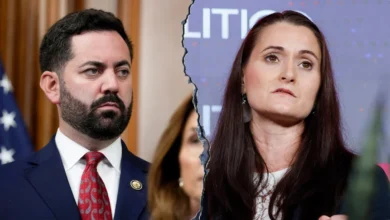
White House Deputy Chief of Staff Richard Walters Resigns Following Stephen Miller’s Appointment as Chief of Staff

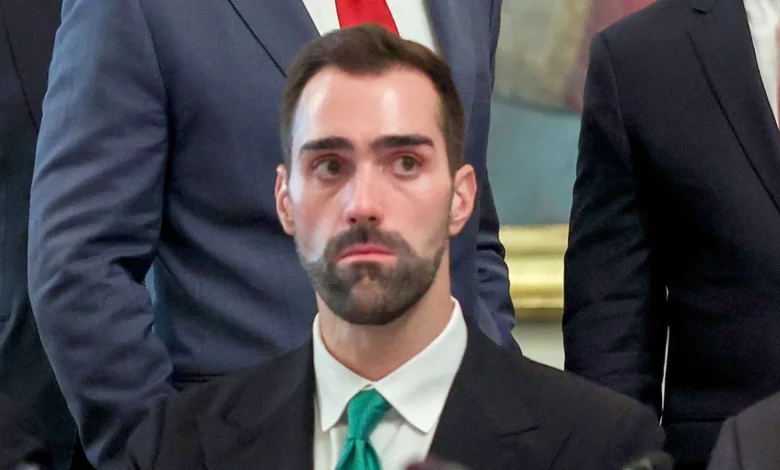
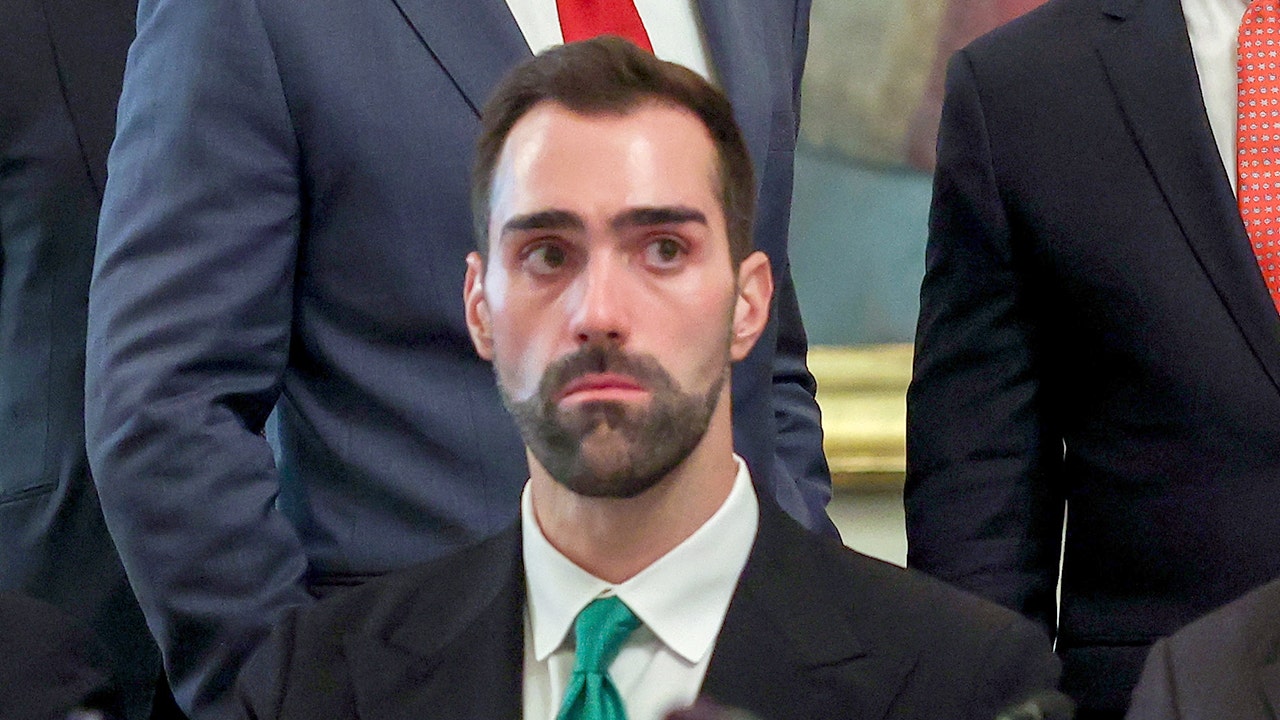
White House Deputy Chief of Staff Richard Walters has officially announced his departure from the Trump administration, marking the latest in a wave of high-profile personnel shifts. Walters, a longtime and trusted ally of outgoing White House Chief of Staff Susie Wiles, is stepping down in the wake of President Donald Trump’s decision to elevate Stephen Miller to the high-ranking West Wing position.
The departure underscores a broader strategic realigning of President Trump’s inner circle following the recent midterm elections. As the administration looks ahead to the remainder of its term, the transition signals a distinct pivot in executive leadership style, with incoming Chief of Staff Miller poised to install a refreshed team tailored to his operational vision when he formally assumes the role.
Transition Details and Official Statements
Stephen Miller confirmed Walters’ departure in an official statement provided to media outlets, praising his contributions and framing the departure as a natural evolution of the West Wing’s team structure.
"Richard has been an invaluable member of the White House and has helped deliver some of the Administration’s biggest victories," Miller stated. "While he will be leaving us, Richard will continue to help from the outside as we continue to work with all of our strength to deliver for President Trump and his courageous fight to Save America."
Despite stepping away from his official governmental post, Walters is expected to remain aligned with the broader political apparatus supporting the administration’s platform. His exit concludes a notable tenure managing legislative, political, and public affairs operations within the West Wing.
Background Context: The Shift from Susie Wiles to Stephen Miller
The departure of Richard Walters is inextricably linked to the seismic leadership change at the top of the White House hierarchy. Susie Wiles, who served as a stabilizing and strategic force for President Trump through a tumultuous campaign and early administration milestones, is stepping down from her role as Chief of Staff.
Wiles’ departure leaves a massive vacancy in West Wing management. Known for her disciplined approach and extensive network within Washington, Wiles had assembled a loyal cadre of deputies, of which Walters was a primary pillar. Her replacement, Stephen Miller, has long been recognized as one of the administration’s most prominent conservative policy architects and speechwriters, specializing in border security, immigration, and executive branch strategy.
With Miller stepping into the chief of staff role, political analysts anticipate a rigorous reshaping of executive operations. Chiefs of staff traditionally bring in loyalists who align precisely with their administrative goals, and Miller’s incoming leadership team is expected to reflect a more aggressive, policy-driven posture as the administration navigates the post-midterm legislative landscape.
Family Shifts: Katie Miller Pauses Podcast
The administrative transition has also prompted lifestyle adjustments outside of the West Wing. Katie Miller, a prominent political figure, media personality, and wife of the incoming chief of staff, announced via social media that she will be halting production on her widely followed program, The Katie Miller Podcast.
The show, which routinely features interviews with high-profile political figures, athletes, and public personalities, will release only two final pre-recorded episodes before concluding its run. In a statement posted to X, Katie Miller emphasized that her decision was driven by familial priorities and the intense time commitments required by her husband’s new, demanding position.

"With @StephenM taking on this new role for President Trump, I’ve decided to stop recording new podcast episodes," Katie Miller wrote. "Nothing is more important than raising our four kids. While I’ve loved the podcast, the time commitment is too great and now is the time to step away. I’ll be cheering President Trump and his team on from outside the administration."
The announcement highlights the personal sacrifices often demanded of political families at the highest echelons of national governance, particularly when transitioning into apex operational roles.
Broader Impact and Political Implications
The restructuring of the White House staff comes at a critical juncture for the Trump administration. Midterm election cycles historically trigger internal evaluations, tactical pivots, and administrative overhauls as executives seek to recalibrate their agendas to address shifting legislative majorities and public sentiment.
By installing Stephen Miller, President Trump has signaled a prioritization of ideological clarity, rapid policy execution, and hardline messaging. Miller’s ascension is expected to energize the administration’s core base, particularly regarding immigration enforcement, executive oversight, and administrative deregulation.
However, replacing an administrative veteran like Susie Wiles with a policy-centric figurehead like Miller introduces new dynamics into White House management. Wiles’ institutional knowledge and consensus-building approach managed internal friction effectively. Miller’s activist-oriented background suggests a more centralized, ideologically driven chain of command.
As Walters departs and Miller prepares to take the reins, the West Wing faces a critical transition period. The success of this new leadership team will depend heavily on their ability to maintain operational cohesion while executing President Trump’s policy directives during a complex political climate. Observers and stakeholders across the political spectrum will be watching closely when the new team officially takes charge on Monday.
Related posts: