Volkswagen Pushes Back US Return of ID. Buzz Electric Minibus to 2028 Model Year Amid Inventory and Range Pressures

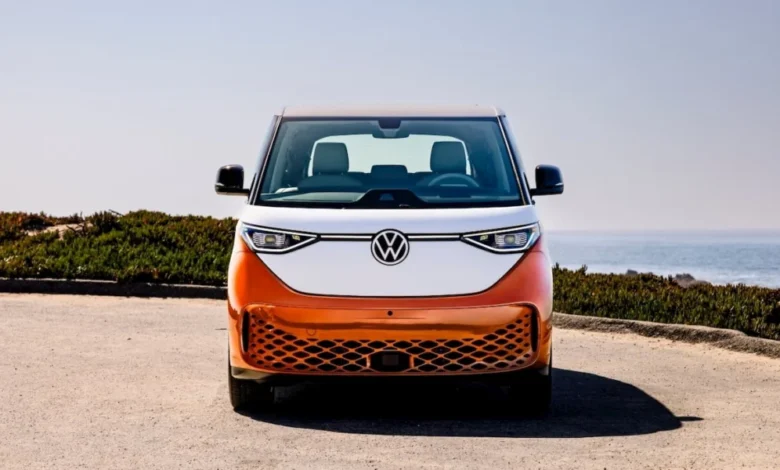
Volkswagen’s ambitious attempt to modernize its iconic, counter-culture microbus for the electric era has hit yet another roadblock in the United States. According to recent reports, the all-electric Volkswagen ID. Buzz will skip the 2027 model year entirely, pushing its anticipated US market comeback out to the 2028 model year. This latest strategic shift follows a series of inventory adjustments, slowing consumer demand, and intense competition within the rapidly evolving American electric vehicle landscape.
The decision marks a prolonged pause for a vehicle that initially captured immense media attention and widespread consumer curiosity upon its debut, only to face practical hurdles once it arrived on dealership lots. As Volkswagen continues to restructure its North American EV roadmap—which also includes temporary production and model-year hiatuses for vehicles like the ID.4—automotive analysts are closely watching how the German automaker plans to recalibrate its strategy to win over pragmatic American families.
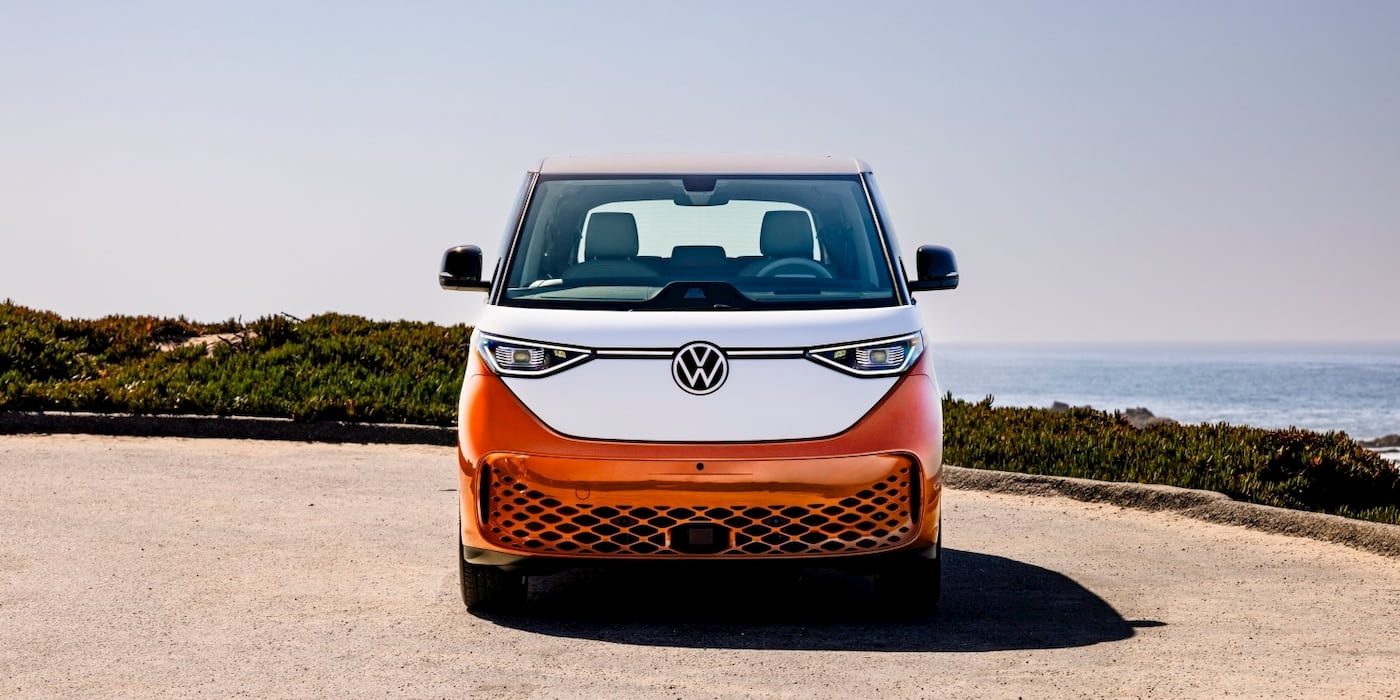
The Genesis of the Modern Electric Minibus
The journey of the ID. Buzz began long before its official US commercial launch in 2024. For over a decade, Volkswagen teased nostalgic concepts of an electric revival of its legendary Type 2 Microbus, the quintessential symbol of 1960s counter-culture and road-trip freedom. When the production version finally materialized, it promised to blend retro styling with contemporary zero-emission technology, seating configurations, and digital cockpits.
However, the initial wave of excitement, heavily fueled by nostalgia and novelty, encountered friction when the vehicle met economic reality. When the ID. Buzz officially went on sale in the United States in 2024, it arrived with a starting price hovering around $60,000. While premium pricing is common for early-generation electric vehicles, the ID. Buzz faced immediate scrutiny regarding its specifications, particularly its driving range.
EPA testing rated the initial US-spec ID. Buzz at up to 234 miles of driving range per charge. While this figure is generally considered adequate for standard daily commutes, grocery runs, and urban driving, it fell short of consumer expectations for a vehicle marketed heavily toward road-tripping families and lifestyle buyers.
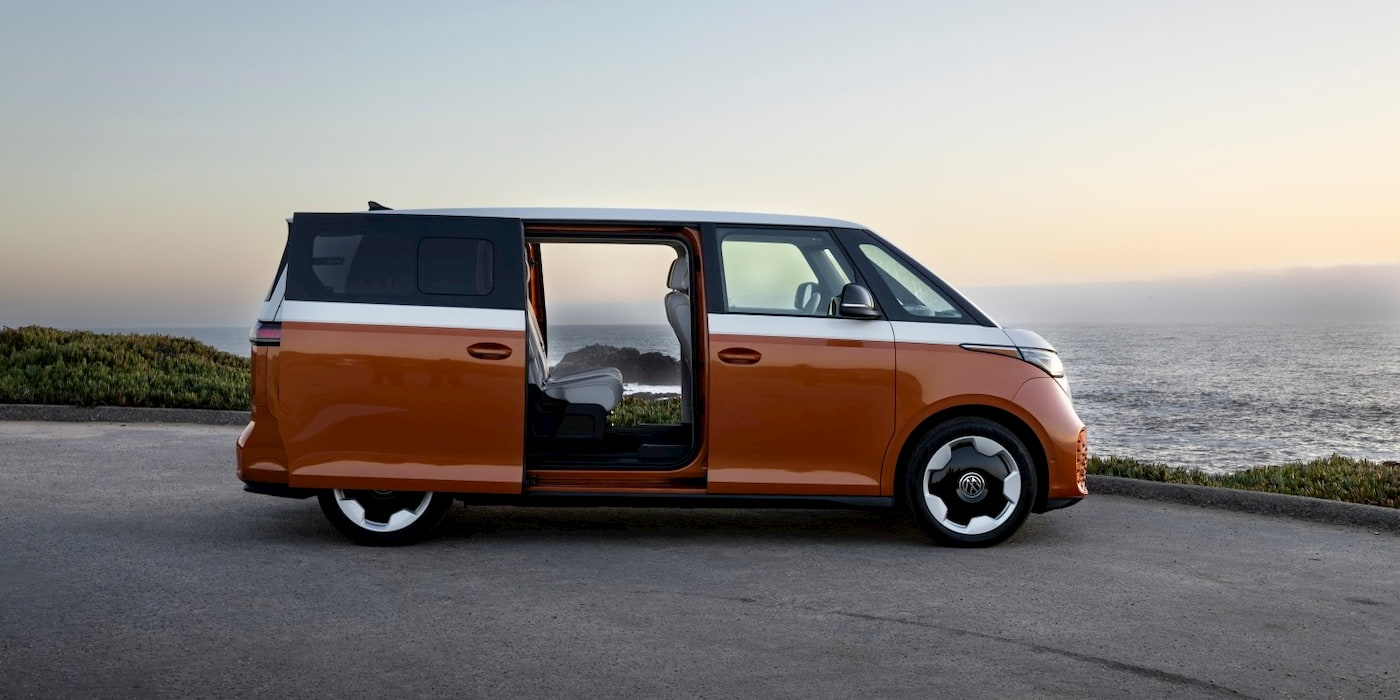
Market Realities and Fierce Three-Row Competitors
In the American automotive market, three-row electric vehicles are heavily scrutinized for their utility during long-distance holiday travel and weekend getaways. In this segment, the ID. Buzz found itself competing not just against traditional gasoline-powered minivans, but against a wave of highly capable, longer-range electric three-row SUVs.
Competitors such as the Kia EV9 and the Hyundai IONIQ 9 quickly established strong footprints in the US market, offering spacious cabins alongside driving ranges exceeding 300 miles on a single charge. Furthermore, many competing electric SUVs provided more conventional styling and aggressive pricing structures, making them a safer financial and practical bet for consumers transitioning away from internal combustion engines.
Consequently, sales figures for the nostalgic Volkswagen bus failed to meet internal projections. Last year, Volkswagen reported selling just 6,140 units of the ID. Buzz across the entire United States. This relatively modest sales volume quickly translated into an overflow of inventory sitting on dealership lots nationwide, prompting the manufacturer to reevaluate its production and rollout schedules. By mid-year, independent vehicle listing aggregators like Cars.com indicated that as few as 38 new 2025 model-year ID. Buzz units remained available nationwide, illustrating just how tightly controlled the remaining inventory pipeline had become.
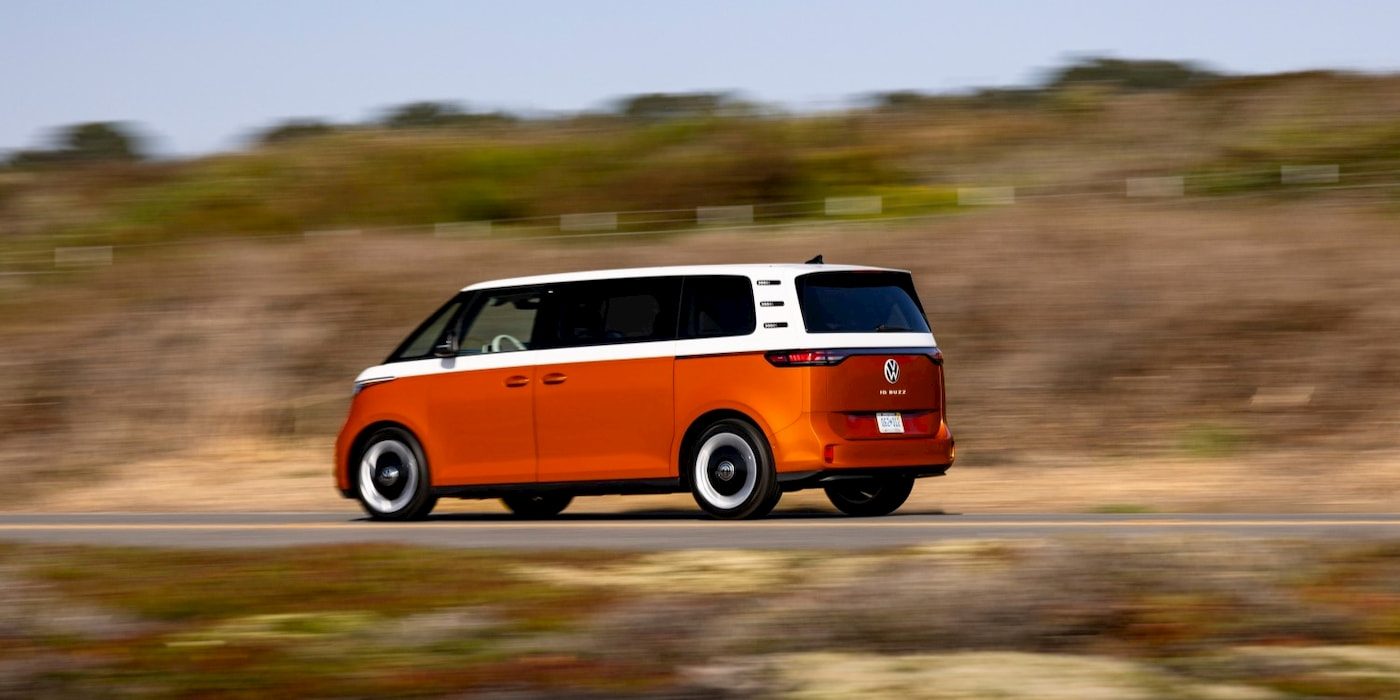
A Timeline of Model Year Delays and Adjustments
The path to the 2028 model year postponement has been marked by a series of incremental announcements and shifting corporate timelines:
- 2024: The Volkswagen ID. Buzz officially goes on sale in the United States, generating significant initial foot traffic at dealerships, which eventually cools due to pricing and range limitations.
- Throughout 2024 and Early 2025: Dealerships accumulate surplus inventory as sales settle at a modest pace of roughly 6,100 units annually.
- December 2025: Jeannine Ginivan, Vice President and Chief Communications Officer for Volkswagen Group of America, confirms to industry media that the ID. Buzz will skip the 2026 model year in the US. Executives stress that the vehicle is not being canceled permanently, but rather that the company needs to clear existing inventory before introducing subsequent iterations.
- Early 2026: Volkswagen outlines prospective updates for a planned 2027 ID. Buzz iteration, which was slated to introduce features such as a specialized Tourer trim designed for overnight camping stays and native North American Charging Standard (NACS) hardware compatibility. Concurrently, the automaker announces that its companion EV, the ID.4, will also take a hiatus for the 2027 model year as part of a broader corporate overhaul.
- September 24, 2026: Volkswagen officially notifies its US dealer network that the anticipated return of the ID. Buzz has been delayed once more, pushing the target production and sales window back to the 2028 model year.
Corporate Statements and Official Responses
Throughout the shifting timeline, Volkswagen leadership has consistently maintained that the electric microbus remains a core brand-shaping product for the North American market, even if its rollout requires careful pacing.
When addressing the initial decision to skip the 2026 model year, Jeannine Ginivan emphasized that the company was taking a measured approach to supply and demand. "Volkswagen is not canceling the ID. Buzz for the US market," Ginivan stated, noting that dealerships possessed sufficient inventory of existing models to meet ongoing consumer demand without rushing fresh production lines into a congested market.
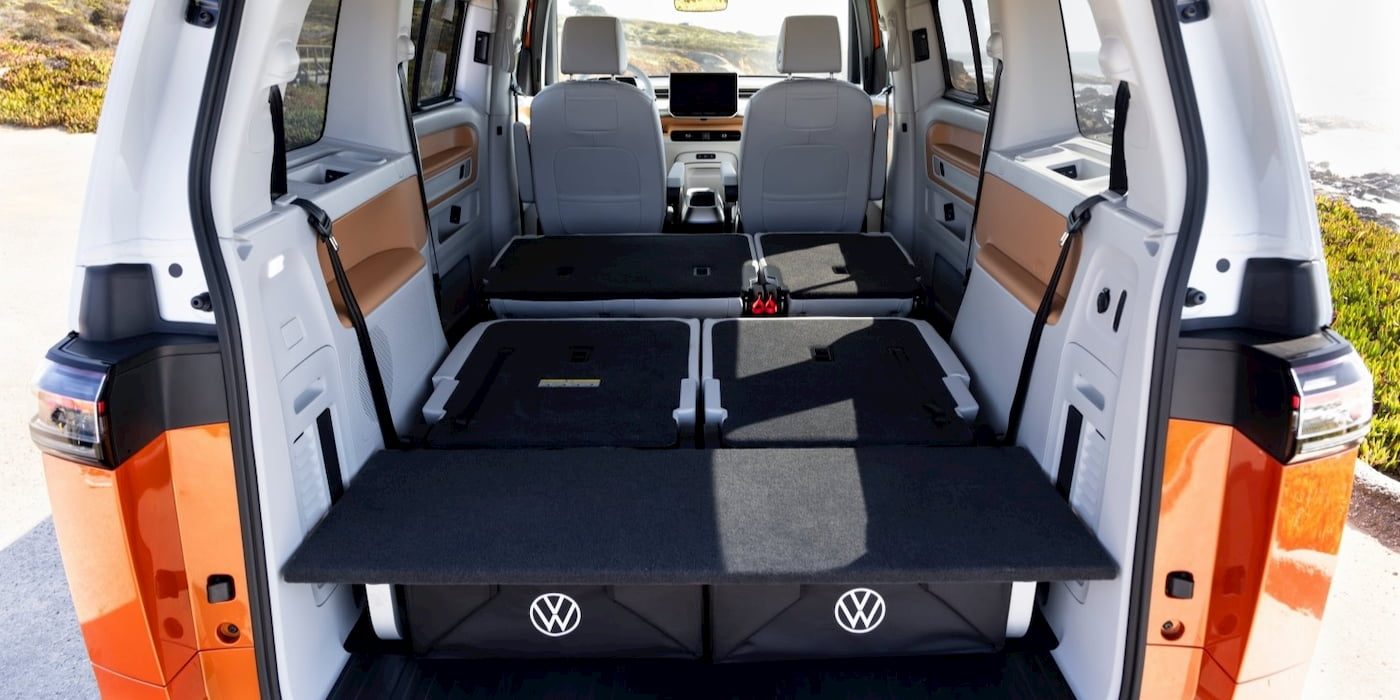
The decision to further delay the vehicle to the 2028 model year—communicated directly to franchise dealers in late September—suggests that corporate leadership has opted for an even more conservative approach. By pressing pause rather than forcing vehicles onto reluctant lots, Volkswagen aims to protect residual values, support its dealer network against carrying costs, and align future vehicle releases with broader technological upgrades.
Broader Implications for Volkswagen’s EV Strategy
The rescheduling of the ID. Buzz is emblematic of a larger transitional phase currently gripping traditional legacy automakers. As the initial early-adopter wave for electric vehicles reaches saturation, manufacturers are discovering that mainstream buyers demand higher utility, competitive pricing, and robust infrastructure compatibility before making a purchase.
Volkswagen’s parallel decision to put the ID.4 compact crossover on a model-year hiatus further underscores a comprehensive internal reassessment. Rather than pushing out vehicles under unfavorable market conditions, the automaker appears to be using this downtime to refine its software architectures, streamline manufacturing costs, and prepare for the integration of next-generation charging standards like NACS.

For enthusiasts and prospective buyers who dreamed of parking a modern, zero-emission Volkswagen bus in their driveways, the wait has undoubtedly grown longer. However, industry observers note that this strategic retreat could ultimately yield a more refined, competitively positioned vehicle when the ID. Buzz finally re-emerges for the 2028 model year. In the meantime, Volkswagen will focus on stabilizing its dealership inventory, satisfying existing owners, and navigating the shifting tides of the American electrification movement.
Related posts: