Venice International Critics’ Week Unveils Bold Lineup for 41st Edition, Championing Emerging Voices and Urgent Global Themes

The Settimana Internazionale della Critica (International Critics’ Week), Venice’s parallel sidebar dedicated to discovering and promoting emerging filmmakers, has announced the curated selection for its 41st edition. This esteemed section, organized by the Union of Italian Film Critics (SNCCI), will present a compelling array of nine feature films – seven in competition and two screened out of competition – that collectively address pressing global issues and offer fresh perspectives on the human condition. The 41st Venice International Critics’ Week is scheduled to run from September 2 to September 12, coinciding with the 83rd Venice International Film Festival on the Venice Lido.
A Global Panorama of Emerging Cinema
The lineup for this year’s Critics’ Week reflects a rich tapestry of international cinema, with filmmakers from diverse backgrounds tackling complex narratives and innovative cinematic approaches. The selection, meticulously curated by General Delegate Beatrice Fiorentino and her committee members Matteo Berardini, Marianna Cappi, Francesco Grieco, and Marco Romagna, underscores a commitment to showcasing films that push artistic boundaries and engage with the contemporary zeitgeist.
Colombia emerges as a significant presence, contributing two potent works that delve into the nation’s tumultuous history and its enduring legacies. "The End of Times," a radical essay film by Bibiana Rojas Gómez and Juan David Cardena, promises a profound exploration of memory and colonialism. This ambitious project leverages a compelling blend of archival footage and artificial intelligence to re-examine historical narratives, offering a unique perspective on how the past continues to shape the present. The filmmakers’ innovative use of AI to interrogate historical records suggests a forward-thinking approach to documentary filmmaking, potentially sparking new dialogues about the ethics and possibilities of digital manipulation in storytelling.
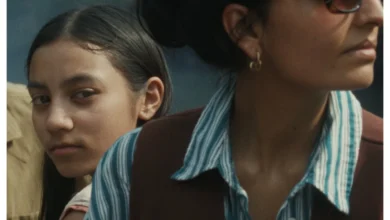
Joining them is fellow Colombian Sebastián Múnera with "Meteorite." This film is described as an intense, female-centered story that plunges into a landscape still deeply scarred by violence. The narrative’s focus on female protagonists navigating a post-conflict environment is particularly noteworthy, offering a crucial counterpoint to often male-dominated perspectives on war and its aftermath. The film’s exploration of enduring trauma and resilience within a community grappling with its past is expected to resonate deeply with audiences and critics alike.
Diverse Voices Tackling Contemporary Challenges
Beyond Colombia’s powerful contributions, the competition features a diverse range of voices grappling with distinct yet universally relevant themes. Tunisian director Kamel Laaridhi presents "The H@llow Man," a dystopian drama that imagines a future where technology exerts an unprecedented level of control over human emotions and memory. In an era increasingly defined by digital immersion and algorithmic influence, this film’s exploration of technological subjugation and the potential erosion of individual consciousness holds a chilling prescience. The film’s premise raises critical questions about the future of human autonomy in an ever-connected world and the potential consequences of relinquishing control over our inner lives to artificial systems.
The debut feature from Brazilian directors Victor Di Marco and Márcio Picoli, "London," offers a vibrant and vital queer narrative. This film places physicality, desire, and the freedom of self-determination at its core, promising a bold exploration of identity and liberation. In a cinematic landscape where LGBTQ+ stories are increasingly gaining visibility, "London" is poised to contribute a significant and potentially groundbreaking perspective, celebrating individuality and the pursuit of authentic self-expression. The emphasis on physicality and desire suggests a sensual and perhaps challenging portrayal of human connection and the quest for personal freedom.
Shalini Adnani, a Chilean-Indian director based in London, makes her mark with "Our Share of Sand." This timely family drama confronts the pervasive issues of inequality and the escalating environmental crisis. Having previously been showcased at Cannes as part of the British Film Institute’s Great 8 initiative at the project stage, the film’s inclusion in Venice signals its readiness to engage a wider audience with its pertinent themes. The film’s focus on a family navigating these global challenges offers a personal and intimate lens through which to examine broader societal and ecological concerns, potentially highlighting the human cost of systemic issues.
Representing Italy in the competition is Tommaso Usberti’s "Prima della Guerra." This intense coming-of-age story is set in the Po Valley and is lauded for its extraordinary maturity in addressing contemporary masculinity. The film’s exploration of evolving notions of manhood, particularly within a specific regional context, promises a nuanced and insightful examination of societal expectations and personal growth. The film’s focus on a critical period of self-discovery for its young protagonists, intertwined with complex contemporary issues, suggests a powerful and resonant narrative.
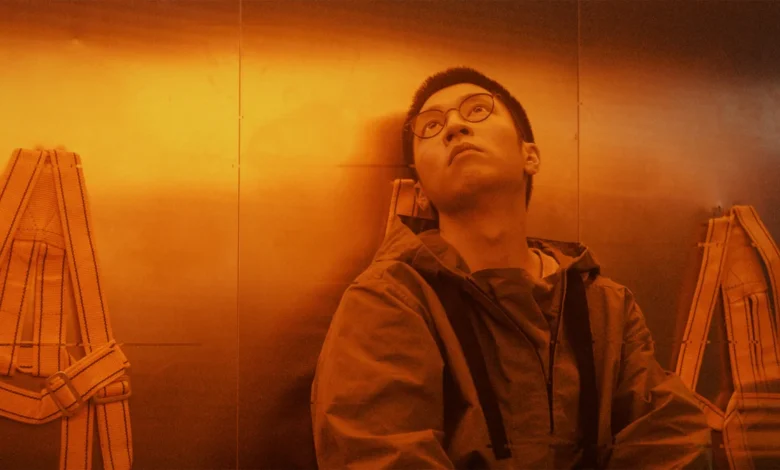
Completing the competitive lineup is "Zoom In, Zoom Out" by Chinese filmmaker Dong Jie. This work masterfully weaves together elements of mystery, online gaming, and urban alienation to capture the anxieties and experiences of Generation Z. In a world increasingly shaped by digital interactions and virtual realities, the film’s exploration of the unique challenges faced by this generation, including feelings of disconnection and the search for meaning in an urban landscape, is particularly relevant. The film’s ability to translate the specific anxieties of Gen Z into a compelling cinematic narrative is a testament to its potential impact.
Out-of-Competition Highlights
The Critics’ Week also features two significant films screened out of competition, offering a broader scope to the section’s programming. Marco Sante’s existential noir, "Il grande Giaffa," starring Edoardo Pesce, has the honor of opening the section. Noir films, with their inherent darkness and moral ambiguity, often provide fertile ground for exploring complex psychological states and societal undercurrents. The film’s inclusion as an opener suggests a strong narrative and atmospheric quality, setting a captivating tone for the festival’s sidebar.
The closing film is "Rider," the latest work from the acclaimed filmmaking and musical duo Roan Johnson and Davide Pavanello, also known as Dade. Described as an urban musical, "Rider" utilizes the dynamic language of rap to explore themes of precarious work, the yearning for emancipation, and the evolving conflicts that define a new Italy. This innovative approach to musical storytelling, blending contemporary urban aesthetics with social commentary, promises a vibrant and thought-provoking conclusion to the Critics’ Week program. The film’s engagement with the realities of precarious labor and the aspirations of a new generation positions it as a significant cultural statement.
A Legacy of Discovery
The Venice International Critics’ Week, founded in 1984 by Lino Miccichè, has a distinguished history of identifying and championing groundbreaking talent. Over the decades, it has served as a crucial platform for the early works of acclaimed directors such as Kevin Reynolds, Mike Leigh, Olivier Assayas, Harmony Korine, Pedro Costa, and Pablo Trapero. The section has also consistently celebrated significant contributions from Italian cinema, showcasing the formative films of directors like Carlo Mazzacurati, Sergio Rubini, Antonio Capuano, Roberta Torre, and Gianni Di Gregorio. This enduring legacy underscores the Critics’ Week’s pivotal role in the global film landscape, acting as a vital incubator for cinematic innovation and a reliable barometer of emerging artistic trends. The consistent presence of films that explore both personal and societal struggles highlights the Critics’ Week’s commitment to cinema that is both artistically ambitious and deeply relevant to the human experience. The 41st edition continues this tradition, offering a compelling glimpse into the future of filmmaking.