‘My Hero Academia’ Reworks ‘You Say Run’ Theme With Electric Callboy for 10th Anniversary

The landscape of modern anime music has long been defined by its ability to elevate high-stakes storytelling, and few compositions have achieved the legendary status of the My Hero Academia anthem, You Say Run. As the franchise marks its tenth anniversary, Toho Co., Ltd. has orchestrated an ambitious reimagining of the track, enlisting the German electronicore powerhouse Electric Callboy to collaborate with the original composer, Hayashi Yuki. This global release, scheduled for September 22, serves as the centerpiece of a multi-year anniversary project that reflects both the evolution of the series and the growing cultural synergy between Japanese animation and international music markets.
The Genesis of a Global Collaboration
The decision to partner with Electric Callboy—a band known for its genre-defying fusion of metalcore, techno, and pop—was a calculated move by Toho’s music production team. Having achieved international acclaim with high-energy tracks like Hypa Hypa and the widely viral collaboration with Babymetal, Ratatata, Electric Callboy offered exactly the kind of vocal intensity and melodic precision required to modernize a composition as beloved as You Say Run.
The creative spark began when Hayashi Yuki, the architect of the series’ original score, drafted English lyrics specifically for this anniversary iteration. Seeking artists capable of delivering the visceral, "shout-heavy" energy synonymous with the heroic intensity of U.A. High School’s finest, Toho’s team identified the German group as the ideal candidates. The resulting track represents a synthesis of styles: the sweeping, orchestral grandeur that characterized the original anime score is now punctuated by the aggressive, dance-floor-ready production that has become the hallmark of Electric Callboy’s discography.
A Live Debut in London
Before the track reached the broader digital streaming market, fans in London were treated to a live premiere during the My Hero Academia in Concert event on September 20. The reception served as an early indicator of the song’s cross-cultural appeal. By bridging the gap between the symphonic roots of anime soundtracks and the modern European metalcore scene, the collaboration highlights the shifting nature of how anime music is consumed—moving from niche domestic consumption to a truly globalized, genre-fluid phenomenon.
Artistic Perspectives and Creative Intent
For the members of Electric Callboy, Kevin Ratajczak and Nico Sallach, the project was more than just a standard feature; it was a testament to the cultural reach of My Hero Academia. Ratajczak noted that the inherent "power and uplifting nature" of the original melody made the creative process deeply intuitive. For Sallach, the experience was described as a career milestone, emphasizing the honor of contributing to a piece of music that has become a staple in the lives of millions of anime viewers worldwide.
Hayashi Yuki, reflecting on the collaboration, expressed a profound sense of satisfaction regarding the "unprecedented surge of energy" introduced by the new arrangement. "I am deeply honored and thrilled to share this special sound born from the intersection of our shared energy," Hayashi stated, underscoring his desire for the track to transcend both linguistic and musical borders.
The Visual Legacy: A Nod to History
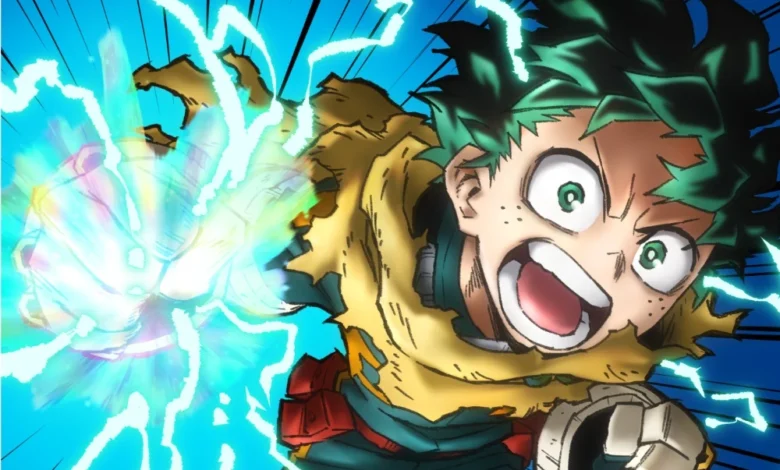
To commemorate the release, Bones Film—the studio behind the animation—produced a new promotional illustration. The artwork depicts the protagonist, Izuku "Deku" Midoriya, executing his signature "Smash" move. Fans of the franchise will immediately recognize the homage to the cover art of the original Season 1 soundtrack, providing a poignant visual bookend to a ten-year journey. The inclusion of this imagery emphasizes the narrative arc of the series, from the tentative beginnings of a quirkless boy to the realization of his full potential as the world’s greatest hero.
A Decade of My Hero Academia: Chronology and Context
The release of this 10th-anniversary version arrives at a critical juncture for the franchise. Since its premiere, My Hero Academia has solidified its position as a pillar of the "new generation" of shonen anime. The chronology of the series is a testament to its sustained success:
- 2014: The original manga series by Horikoshi Kohei begins serialization, rapidly gaining popularity.
- 2016: The anime adaptation premieres, introducing audiences to the world where 80% of the population possesses a "Quirk."
- 2018–2023: The series expands into a massive multimedia franchise, including four feature films and a steady stream of seasonal television content.
- August 2024: The source manga officially concludes, capping off a decade of storytelling that has sold over 100 million copies globally.
- Fall 2025: The eighth and final season of the anime adaptation completes its run, cementing the legacy of the U.A. High School class.
The "My Hero Academia The Animation 10th Anniversary" project is designed to span until 2026, ensuring that the celebration of the franchise remains a sustained event rather than a singular moment. This project includes dedicated web portals, commemorative events, and a series of releases intended to keep the community engaged long after the final episode has aired.
Market Implications and Cultural Reach
The decision to feature an international band like Electric Callboy on a seminal anime track is indicative of a broader trend within the Japanese entertainment industry. As streaming platforms remove geographic barriers, companies like Toho are increasingly looking to bridge the gap between J-Pop/J-Rock and Western music charts. By integrating EDM-influenced metal with the cinematic flair of a top-tier anime score, the 10th-anniversary version of You Say Run aims to attract a broader demographic—specifically those who may not be traditional anime viewers but are fans of high-energy electronic and metal music.
The economic and cultural impact of such a collaboration cannot be overstated. With 170+1 episodes and a sprawling, dedicated fanbase, the franchise has proven that it can sustain high-level engagement through merchandise, cinematic releases, and musical innovation. The release of this track is not merely an act of nostalgia; it is a calculated effort to maintain the brand’s relevance in a post-manga world, ensuring that the legacy of Deku and his peers continues to be felt across the global music industry.
Looking Toward the Future
As the anniversary project continues toward its 2026 conclusion, the focus remains on the intersection of storytelling and sonic innovation. Hayashi’s hope that the song "reaches as many hearts as possible" reflects the core ethos of the series: the idea that heroism, and by extension, the art it inspires, is a universal language.
With "You Say Run -10th Anniversary Ver.-" now available across all major digital streaming platforms, listeners are invited to experience a familiar melody transformed by a new, aggressive vitality. For a franchise that has spent ten years championing the mantra "Plus Ultra"—going beyond one’s limits—this collaboration serves as a fitting demonstration of that very philosophy. Whether it is the soaring orchestral arrangements of the past or the heavy, rhythmic hooks of the present, the music of My Hero Academia remains a driving force in the global cultural zeitgeist. As the final notes of this anniversary track fade, it is clear that while the narrative of Izuku Midoriya may have reached its conclusion, the resonance of the world he inhabited will continue to evolve, finding new life in the voices of international artists and the ears of a global audience.