US dual citizen extradited to El Salvador, accused of killing son’s mother and abandoning toddler: DOJ

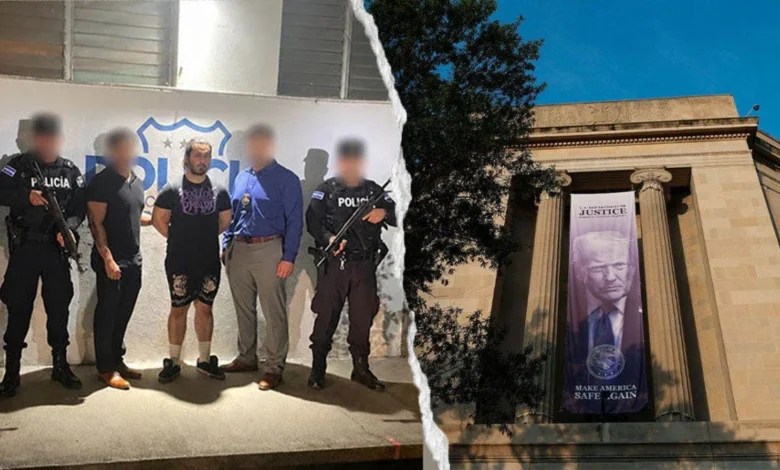
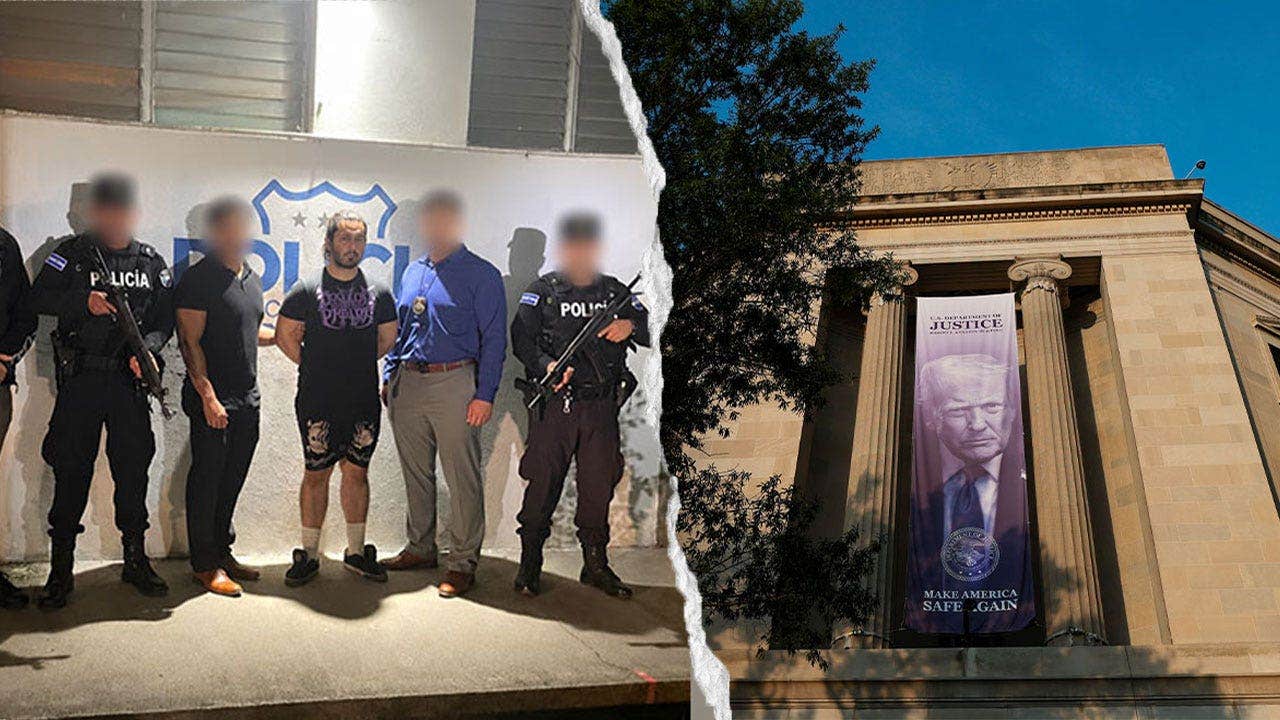
In an unprecedented move that reshapes the legal boundaries of international extraditions, the United States Department of Justice officially announced the surrender of a dual U.S.-Salvadoran citizen to face trial in Central America. Michael Alejandro Castillo Murga, a 27-year-old resident of Beaumont, California, was handed over to Salvadoran law enforcement authorities on Wednesday, marking the first time in history that the United States government has surrendered an American citizen to face criminal prosecution for crimes allegedly committed within the borders of El Salvador.
The extradition brings to a close a multi-year legal saga spanning two continents, multiple international borders, and extensive judicial reviews in U.S. federal courts. Castillo Murga is slated to stand trial in El Salvador for aggravated femicide and imperfect homicide, connected to the violent slaying of 23-year-old Melvi Fernanda Nájera Quezada on January 31, 2019. The case has drawn intense scrutiny not only for the gruesome nature of the crime—which left a young mother dead and a toddler abandoned near a highway—but also for the complex web of international legal hurdles, alleged local co-conspirators, and the landmark nature of the cross-border transfer.
Chronology of a Brutal Crime and International Flight
The tragic sequence of events began on January 31, 2019, in El Salvador. According to comprehensive case files compiled by Salvadoran investigators, Castillo Murga traveled to the home of Nájera Quezada’s mother under the pretense of reconciliation. He picked up both Nájera Quezada and their young son, assuring the family that they were going to begin living together as a unified household.
Instead of moving toward a domestic future, investigators allege that Castillo Murga drove the victims to an isolated location, where he launched a vicious attack against the 23-year-old mother. Autopsy reports later revealed that Nájera Quezada suffered catastrophic injuries, ultimately dying from severe hemorrhaging caused by deep slash wounds to her neck and other physical trauma inflicted using a plastic knife. In a particularly chilling aspect of the crime, the perpetrator abandoned the couple’s toddler son directly beside the victim’s lifeless body. The harrowing discovery was made by passersby near a Salvadoran highway the following day, February 1, 2019.
Immediate investigative efforts quickly zeroed in on Castillo Murga. Law enforcement authorities utilized digital forensics, including cellphone location data, alongside crucial witness testimonies to establish his presence at the crime scene. Furthermore, prosecutors uncovered digital evidence indicating that Castillo Murga sent a photograph to his then-girlfriend explicitly depicting noticeable bloodstains smeared across his face and neck.
Realizing that law enforcement was closing in, Castillo Murga orchestrated a hasty escape from El Salvador. Prosecutors contend that he was aided by his grandmother and a local attorney, who allegedly helped facilitate his flight. Approximately two days after the murder, on February 2, 2019, Castillo Murga crossed the border into Guatemala. With continued logistical and financial assistance from his relatives and legal counsel, he managed to evade local authorities, eventually making his way northward through Mexico and entering the United States, where he settled in Southern California believing he had found a safe haven.
A Web of Cover-Up and Domestic Accomplices
As Castillo Murga fled northward, the investigation in El Salvador expanded to target those who allegedly assisted in destroying evidence and orchestrating his flight. Salvadoran prosecutors formally accused Castillo Murga’s grandmother and a lawyer of obstructing justice.
According to judicial documents released by the Department of Justice, the pair actively worked to sanitize the crime vehicle used during the abduction and murder. They allegedly hired two individuals to thoroughly scrub the interior and exterior of Castillo Murga’s car, using a mixture of water, automotive shampoo, and vinegar in an aggressive attempt to eradicate forensic traces of blood. Despite their extensive cleaning efforts, forensic specialists were ultimately able to detect residual biological evidence, underscoring the severity of the violence that had taken place inside the vehicle.
The active participation of local family members and legal professionals underscored the deeply coordinated nature of the cover-up, which ultimately necessitated extensive cross-border cooperation between Salvadoran prosecutors and international law enforcement agencies to dismantle.
The Legal Battle Over Extradition
For years, Castillo Murga remained relatively untroubled within the United States, utilizing his dual citizenship status to blend into local communities in Southern California. However, international law enforcement channels remained active. In response to a formal extradition request filed by the government of El Salvador, the U.S. Marshals Service located and apprehended Castillo Murga in October 2024.
Following his arrest, Castillo Murga initiated a protracted legal defense in the U.S. federal court system, fighting tooth and nail to prevent his removal to Central America. Defense attorneys filed multiple motions challenging the validity of the extradition treaty obligations, the nature of the charges, and the human rights conditions within Salvadoran correctional facilities.
Despite these challenges, the U.S. judicial system steadily advanced the government’s request. In November 2025, a federal judge formally rejected Castillo Murga’s habeas corpus petition, clearing a major hurdle for his transfer. A subsequent emergency request filed by his defense team to halt the physical transfer was definitively struck down in September 2026.
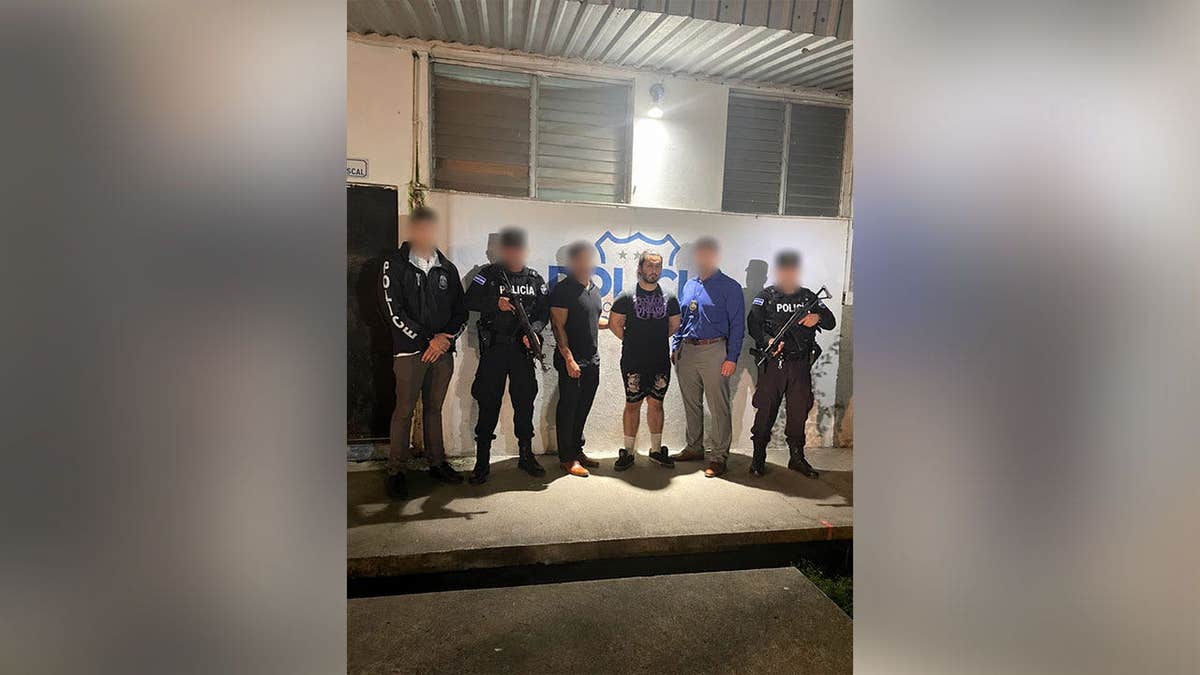
With the judicial path cleared, the final administrative authorization was signed by the United States Secretary of State. On Wednesday, U.S. Marshals completed the historic operation, transporting Castillo Murga out of the country and formally transferring his custody to Salvadoran authorities at the border.
Broader Implications and Legal Precedent
Legal analysts note that this case establishes a monumental precedent in the realm of international criminal law and bilateral treaties between the United States and Latin American nations. Historically, countries have frequently maintained strict legal reservations or practical hesitations regarding the surrender of their own citizens to foreign jurisdictions, particularly nations undergoing significant judicial and penal reforms.
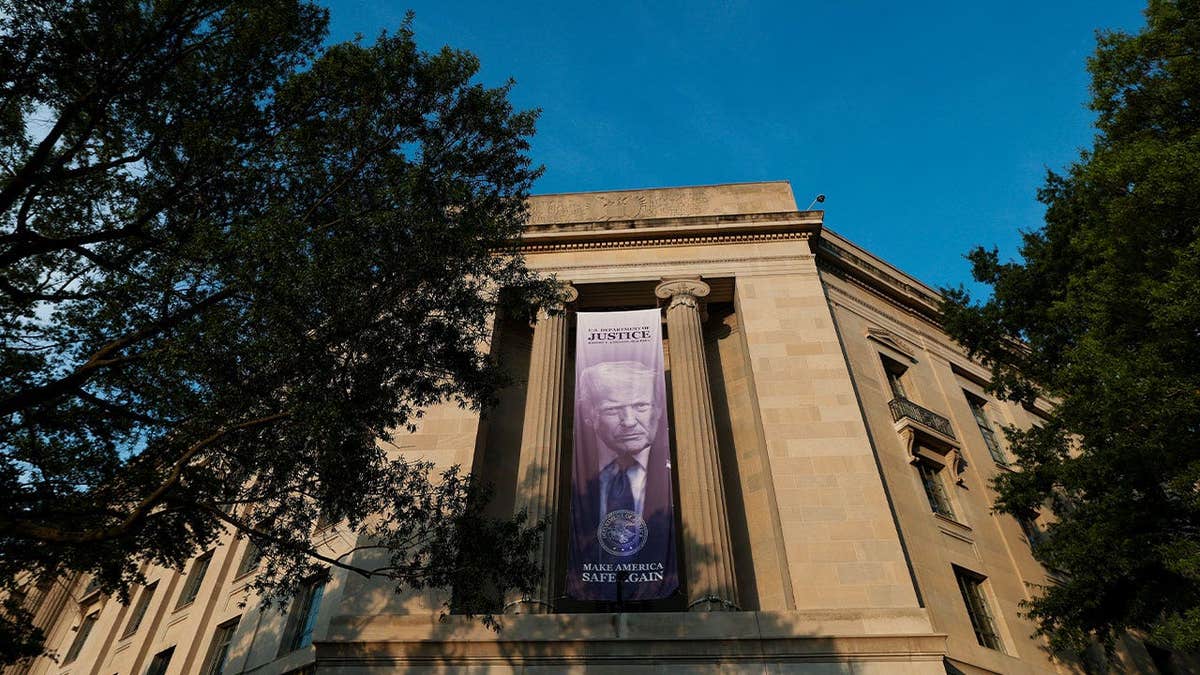
By executing this transfer, the United States Department of Justice has signaled a shifting paradigm in cross-border law enforcement cooperation. The move demonstrates a growing willingness by U.S. authorities to ensure that dual citizens cannot utilize their American citizenship as a shield to evade accountability for violent felonies committed abroad.
Furthermore, the case highlights the increasing sophistication of international forensic tracking and digital evidence sharing. The integration of geolocation data, cross-border financial tracking, and collaborative intelligence operations between U.S. federal agencies—including the U.S. Marshals Service and the DOJ’s Office of International Affairs—and their foreign counterparts played a decisive role in overcoming the logistical and jurisdictional barriers that traditionally hamper transnational fugitive extraditions.
As Michael Alejandro Castillo Murga faces the Salvadoran judicial system to answer for the 2019 charges of aggravated femicide and imperfect homicide, the legal community will closely watch the proceedings. The trial not only represents a pursuit of justice for Melvi Fernanda Nájera Quezada and her surviving family members, but it also establishes a defining framework for how international jurisdictions will handle fugitive American citizens accused of heinous crimes on foreign soil for decades to come.