The Ultimate Guide to Spaghetti Aglio e Olio: The Neapolitan Masterclass in Culinary Minimalism

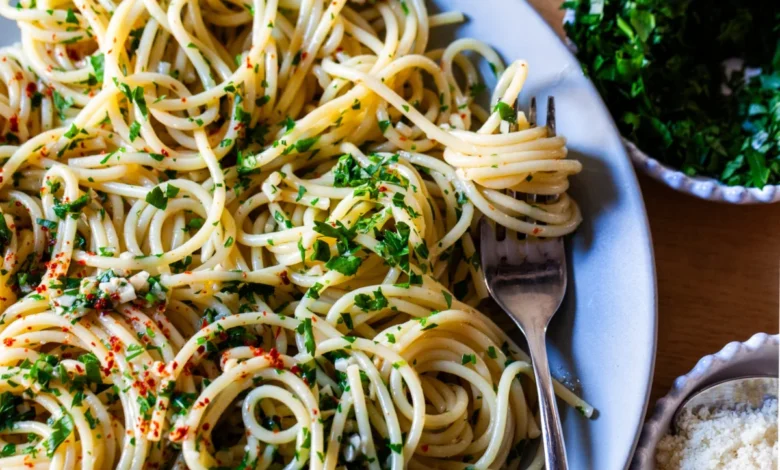
Spaghetti aglio e olio stands as one of the most enduring testaments to the power of culinary minimalism, originating from the bustling streets of Naples, Italy, and maintaining a revered status among professional chefs and exhausted home cooks alike. As modern households navigate the grueling demands of peak summer months—often referred to colloquially as the dog days of summer—culinary attention frequently pivots away from complex multi-course meals and toward pantry-staple efficiencies. This iconic dish, translating simply to "spaghetti with garlic and oil," relies on a remarkably brief roster of foundational ingredients: durum wheat spaghetti, extra virgin olive oil, fresh garlic, red pepper flakes, and flat-leaf parsley. Despite its humble origins, the dish yields a disproportionately high sensory return, capable of commanding immediate household attention through the distinct aromatic chemistry of garlic sizzling gently in olive oil.
The Historical and Cultural Genesis of Aglio e Olio
To understand the enduring popularity of spaghetti aglio e olio, one must examine its historical roots in the Campania region of Southern Italy. Historically born out of necessity, Neapolitan cuisine has long excelled at transforming inexpensive, shelf-stable ingredients into transcendent dining experiences. Aglio e olio emerged during a period when fresh meat and elaborate dairy products were often luxuries reserved for the affluent, leaving the working class to rely on staples stored in coastal and agrarian pantries.

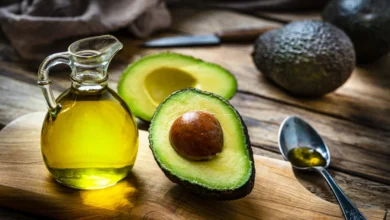
Olive oil, harvested abundantly across the Mediterranean basin, combined with garlic—a crop prized for its hardiness, storage capabilities, and medicinal properties—formed the backbone of Southern Italian peasant cooking. Over centuries, the recipe migrated from regional trattorias to international prominence, facilitated by Italian immigration waves in the late 19th and early 20th centuries. Today, it is recognized globally not merely as survival food, but as a masterclass in emulsion and timing, requiring technical precision despite its minimalist ingredient list.
Anatomical Breakdown of the Recipe
The preparation of an authentic spaghetti aglio e olio demands respect for technical fundamentals. Culinary experts emphasize that the success of the dish hinges on how the ingredients interact rather than their sheer quantity. The official methodology begins with boiling high-quality spaghetti in generously salted water until it reaches the al dente stage, specifically one to two minutes shy of total package instructions. This deliberate undercooking ensures that the pasta finishes absorbing flavors directly in the pan with the starch-rich emulsion.
Crucially, modern culinary technicians advocate for a specific thermal approach: combining the extra virgin olive oil, thinly sliced or minced garlic, and red pepper flakes in a cold pan before applying heat. By starting with a cold pan and setting the burner to medium, the cook prevents the garlic from scorching or turning bitter, a common pitfall that ruins the delicate sweetness of the aromatic. As the oil warms gradually, it extracts the fat-soluble compounds of the garlic and capsaicin from the pepper flakes, creating a harmonious base infusion.

Upon draining the pasta, a vital procedural step involves reserving approximately one cup of the starchy pasta cooking water. When the drained spaghetti is introduced to the warm garlic oil alongside half of the reserved liquid, vigorous agitation creates a stable emulsion. The combination of escaping pasta starches and the olive oil binds together, coating every strand of spaghetti in a glossy, clinging sauce rather than pooling at the bottom of the serving vessel. Additional water is incorporated progressively to maintain the desired loose, silky consistency before the dish is finished with chopped fresh parsley.
Nutritional and Economic Data of Pantry-Centric Cooking
In an era characterized by fluctuating grocery prices and heightened consumer awareness surrounding food inflation, dishes like spaghetti aglio e olio offer profound economic relief. Market analyses of domestic grocery expenditures indicate that pantry-reliant meals significantly reduce household food waste and weekly budgeting constraints.
From a nutritional standpoint, spaghetti aglio e olio presents a balanced profile when consumed as part of a mindful diet. Extra virgin olive oil serves as a primary source of monounsaturated fatty acids, which numerous nutritional studies associate with cardiovascular health and anti-inflammatory properties. Furthermore, garlic contains allicin, a bioactive compound released when the clove is crushed or sliced, known for its antimicrobial and immune-supporting attributes. While carbohydrate-dense, the use of quality durum wheat pasta provides sustained glycemic energy, particularly when paired with supplementary fiber sources such as a side green salad or roasted seasonal vegetables.

Adaptability and Modern Variations in Domestic Kitchens
While culinary purists maintain that traditional aglio e olio should remain strictly unadulterated—consisting solely of pasta, oil, garlic, chili, and parsley—contemporary home cooking has embraced significant flexibility. Food science and culinary adaptation reports indicate that home cooks frequently utilize the recipe as a blank canvas to utilize produce nearing the end of its shelf life.
Common domestic modifications include the incorporation of diced roasted vegetables, capers, anchovies for umami depth, or toasted breadcrumbs for textural contrast. Protein additions such as grilled shrimp, lemon-marinated chicken thighs, or white beans transform the side dish into a substantial, protein-forward main course. However, culinary instructors frequently caution against the uncalculated addition of grated Parmesan or Pecorino cheese, noting that dairy proteins can disrupt the delicate oil-and-water emulsion if not incorporated carefully. Nevertheless, domestic consensus dictates personal preference in private settings.
Broader Economic, Social, and Psychological Implications

The psychological appeal of preparing simple meals during high-stress periods or vacation rentals—where kitchen equipment is notoriously sparse—cannot be overstated. Sociological studies on modern domestic labor highlight the phenomenon of decision fatigue, wherein individuals experience diminished capacity to make choices after prolonged cognitive exertion. Recipes requiring fewer than five ingredients alleviate this mental burden, offering immediate tactile and gustatory rewards with minimal cleanup.
Furthermore, the sensory footprint of sizzling garlic carries distinct psychological triggers. Olfactory research demonstrates that certain aromatic profiles, particularly those associated with savory cooking, stimulate anticipatory salivation and social bonding. The universal inquiry of "What smells so good?" functions as an effective domestic icebreaker, drawing family members out of isolation and fostering communal dining experiences even under strenuous or tired circumstances.
As urban and suburban lifestyles become increasingly fast-paced, the resurgence of interest in ancestral, low-intervention recipes signals a broader cultural pivot toward mindful simplicity. Spaghetti aglio e olio remains an enduring symbol of how minimal resources, executed with proper technique, can yield exceptional culinary results.