The landscape of modern retail and on-demand delivery underwent a significant shift as warehouse club giant Costco Wholesale Corporation announced a massive expansion of its partnership with delivery platform Uber Eats. This strategic rollout extends same-day and scheduled delivery services to approximately 30 additional U.S. states, effectively bridging the gap between bulk warehouse shopping and hyper-local, app-based convenience.
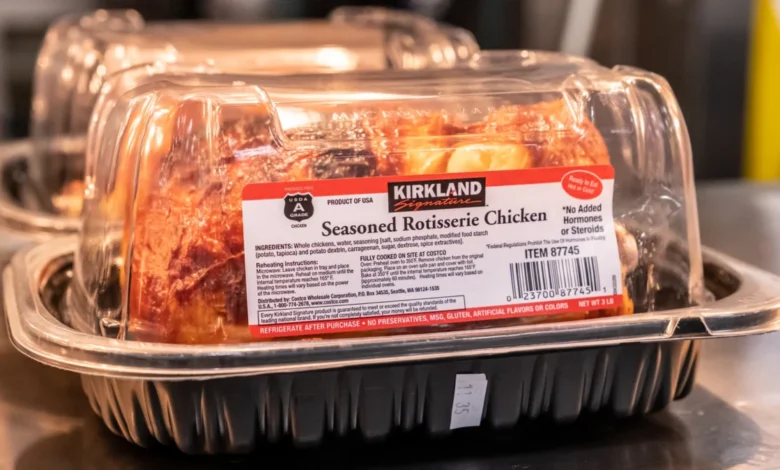
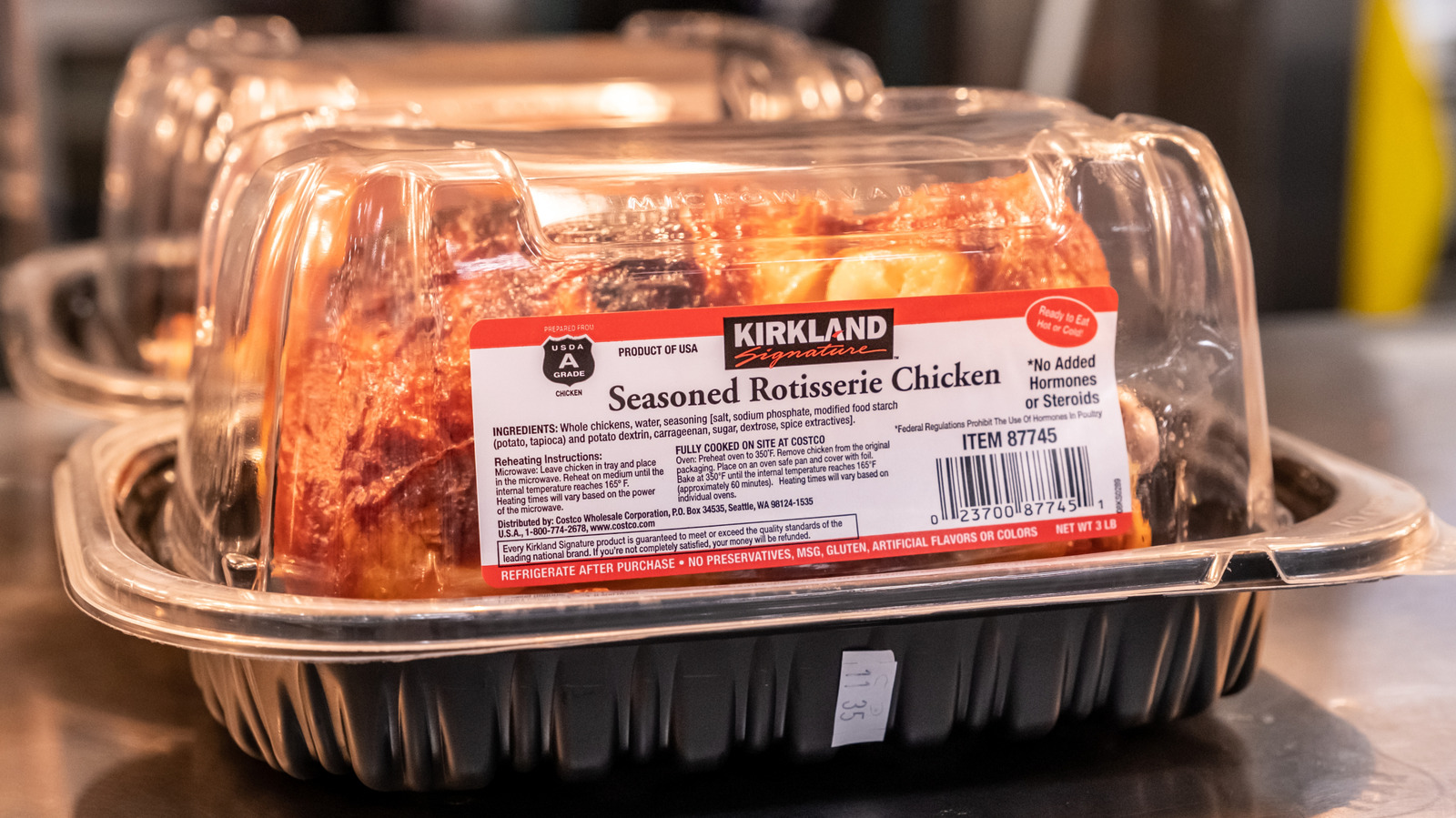
For millions of consumers, the announcement transforms how they access bulk groceries, household staples, and popular prepared foods like Costco’s iconic $5 rotisserie chicken. Previously restricted to just 17 states, Uber Eats-powered Costco deliveries are now accessible in nearly every state that houses a physical Costco warehouse. This integration marks a major milestone in the ongoing convergence of traditional brick-and-mortar retail giants and third-party logistics networks, offering a lifeline to shoppers seeking to bypass crowded aisles, long checkout lines, and the physical strain of transporting heavy merchandise.
The Evolution of Warehouse Delivery and the Uber Eats Partnership
The journey toward widespread third-party grocery delivery has been gradual for warehouse clubs like Costco, which have historically relied on in-store foot traffic to drive membership renewals and impulse purchases. For decades, the warehouse club business model depended heavily on the "treasure hunt" experience—encouraging members to walk the aisles, discover unexpected deals, and sample newly introduced products. However, shifting consumer habits accelerated by the digital commerce boom have forced legacy retailers to adapt.
Prior to expanding its footprint with Uber Eats, Costco maintained selective partnerships for delivery, often relying on internal logistics or specialized delivery services like Instacart. While these platforms provided a baseline for digital orders, the collaboration with Uber Eats introduces a broader technological infrastructure and a massive existing user base.
The initial rollout of Costco on Uber Eats was limited to a test phase spanning just 17 states, leaving millions of members in other regions unable to utilize the service. By adding roughly 600 store locations to the Uber Eats platform in this latest phase, the partnership now achieves near-national saturation wherever Costco warehouses operate. This operational scaling required complex inventory synchronization between warehouse management systems and the Uber Eats merchant portal, ensuring real-time stock updates for high-demand items ranging from fresh produce to Kirkland Signature paper products.
Demographics, Mobility, and the Changing Consumer Experience
The expansion addresses several long-standing friction points associated with warehouse club shopping. Navigating a sprawling 150,000-square-foot warehouse can be physically demanding, particularly for elderly shoppers, individuals with limited mobility, parents managing young children, or those without access to large vehicles capable of hauling bulk-sized merchandise.
Furthermore, urban dwellers without cars have traditionally found maintaining a Costco membership impractical due to transportation limitations. By leveraging Uber Eats, these consumers can now purchase bulk items without requiring personal vehicular transport. The service offers flexible fulfillment options, allowing users to place orders for immediate delivery or schedule drops at precise times that align with their daily routines.
Industry analysts note that this convenience factor could drive a new wave of membership sign-ups among demographics that previously viewed warehouse clubs as inaccessible or impractical. By removing the physical barriers of shopping, Costco enhances its value proposition, potentially retaining members who might otherwise let their subscriptions lapse due to lifestyle changes or time constraints.
Promotional Strategies and Financial Incentives
To accelerate adoption and drive engagement following the expansion, Costco and Uber Eats have rolled out a comprehensive suite of promotional discounts aimed at both new and existing customers. These financial incentives are designed to lower the barrier to entry for app-based warehouse shopping and encourage cross-platform loyalty.
New and existing users placing their first three Costco orders of $60 or more through Uber Eats are eligible for a 20% discount. Additionally, consumers who do not currently hold a Costco membership can purchase one directly through the Uber Eats app, unlocking a 30% discount on their first eligible order. This direct sign-up integration streamlines the onboarding process, allowing non-members to experience the benefits of warehouse shopping without visiting a physical customer service desk.
Complementing these order-specific discounts, the companies have introduced financial incentives for subscription services. Eligible Costco members can currently purchase an annual Uber One membership at a 50% discount for their first year, with a 20% discount applied to subsequent renewal years. An active Uber One subscription waives delivery fees on eligible orders over the required subtotal from participating retailers, including Costco. Consequently, members utilizing Uber One can secure their warehouse hauls without incurring standard delivery surcharges, leaving only standard driver gratuities as an additional cost.
Concurrently, Costco is offering discounted Uber gift cards both online through Costco.com and at participating warehouse locations. Customers can purchase $100 worth of Uber gift cards for a reduced rate of $79.99, providing an immediate financial buffer for consumers utilizing the ride-sharing and delivery ecosystem.
Market Implications and the Future of On-Demand Retail
The broader market implications of Costco’s expanded Uber Eats integration reflect a larger trend within the retail sector: the blurring lines between physical warehouse shopping and digital fulfillment. As consumers increasingly prioritize time-saving conveniences, legacy retailers must embrace third-party partnerships to remain competitive against digital-first giants like Amazon.
For Uber Technologies Inc., the partnership fortifies its position in the competitive grocery and retail delivery sector, diversifying its revenue streams beyond restaurant food delivery. By capturing high-basket-value orders typical of warehouse clubs—where sub-totals frequently exceed standard grocery runs—Uber Eats increases its average order value and platform utility.
However, this shift is not without operational challenges. Delivering bulk items presents unique logistical hurdles for gig economy drivers, who must manage vehicle space limitations and heavy lifting. Ensuring that delivery personnel are adequately compensated and equipped to handle oversized items remains a critical operational consideration for Uber as the partnership scales.
Moreover, while home delivery eliminates the hassle of crowded parking lots and checkout lines, it inherently alters the Costco shopping experience. Consumers utilizing the app miss out on the traditional in-store elements, such as product sampling and accidental impulse discoveries. Yet, for busy professionals, families, and those prioritizing efficiency over the physical shopping experience, the trade-off is often deemed negligible.
As the retail landscape continues to evolve, the success of this expanded partnership will likely serve as a benchmark for other wholesale and bulk-goods providers considering third-party digital integration. With nationwide coverage now largely established across operational regions, Costco and Uber Eats have positioned themselves to capture a growing share of the digital grocery market, redefining convenience for millions of American households.