The arrival of the autumn season marks a significant transition in consumer dietary habits, shifting from the light, produce-heavy focus of summer toward more calorically dense, warming, and comforting preparations. Culinary experts and nutritionists note that this seasonal pivot is not merely a matter of preference but a biological response to changing temperatures and the availability of harvest-season ingredients such as root vegetables, cruciferous greens, and hardy grains. As households transition into the final quarter of the year, the demand for "cozy" meals—defined by slow-cooking methods and earthy flavor profiles—increases, prompting a surge in home cooking centered on immunity-boosting and satiating ingredients.
The Shift Toward Seasonal Nutrition
Market analysis from the food industry indicates a consistent trend: as the daylight hours shorten, consumers demonstrate a marked preference for warm, bowl-based meals. This shift aligns with agricultural cycles, where the harvest of sweet potatoes, squash, kale, brussels sprouts, and beets reaches its peak. Nutritionists emphasize that these specific ingredients provide essential vitamins and minerals, such as Vitamin A and C, which are critical for maintaining health during the onset of the cold and flu season.
The culinary industry has responded to this demand by elevating traditional comfort food. The contemporary approach moves away from heavy, processed fats in favor of nutrient-dense alternatives like tahini, avocado, lean proteins, and complex carbohydrates. By utilizing roasting as a primary cooking method, home cooks can maximize the natural sugars and depth of flavor in seasonal produce, creating meals that are both palatable and health-conscious.
A Chronology of Autumnal Food Preparation
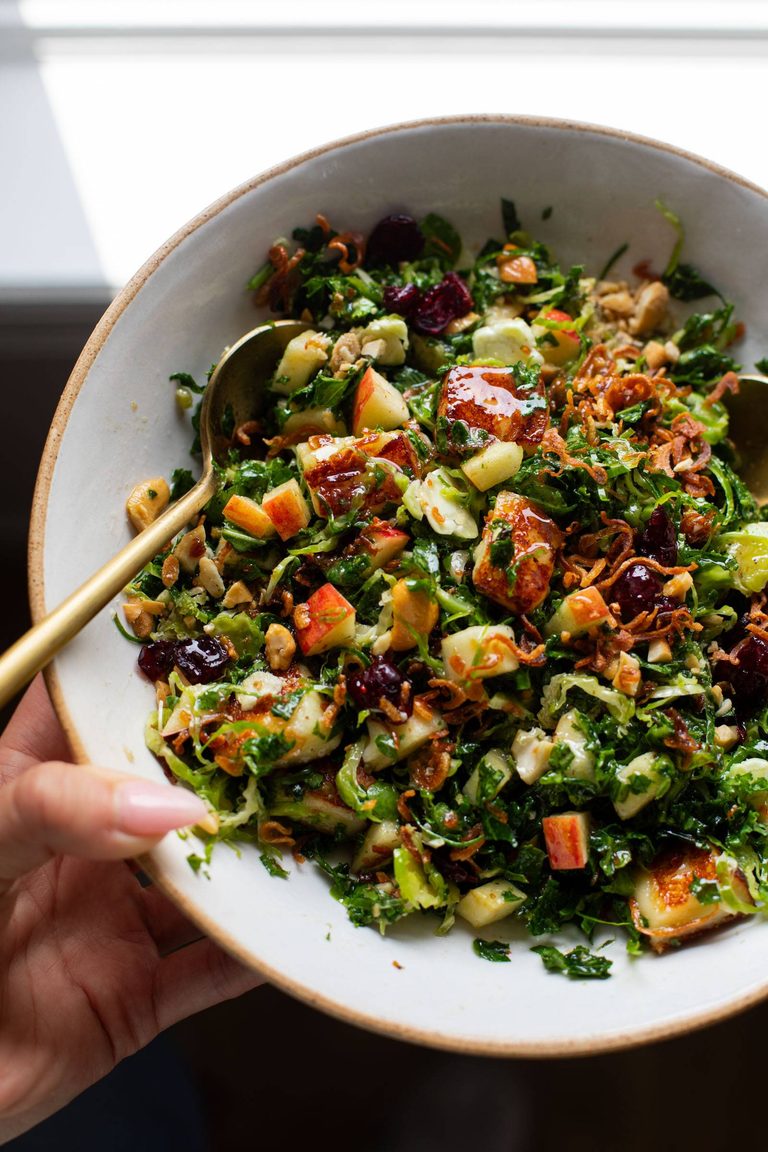
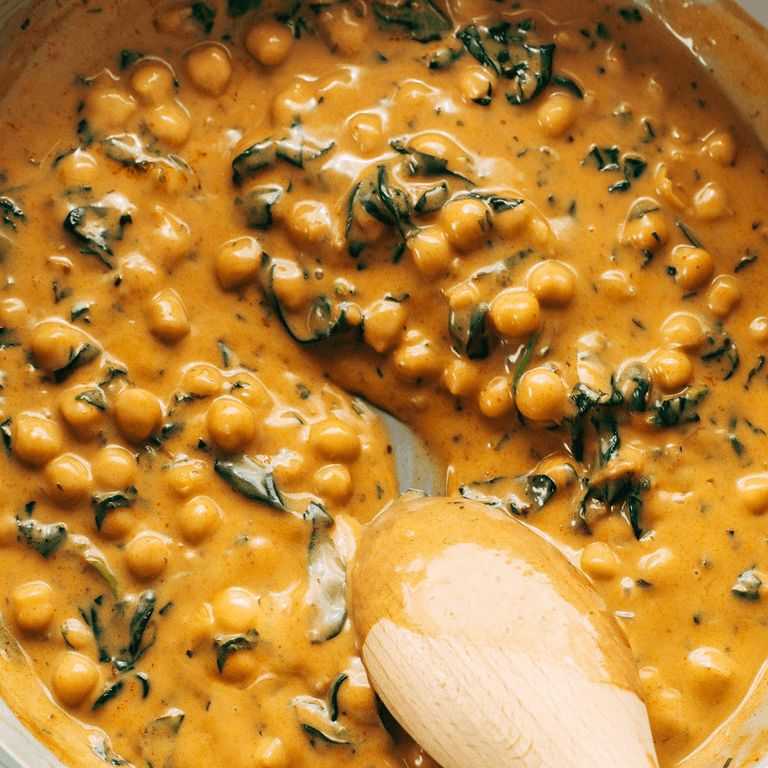
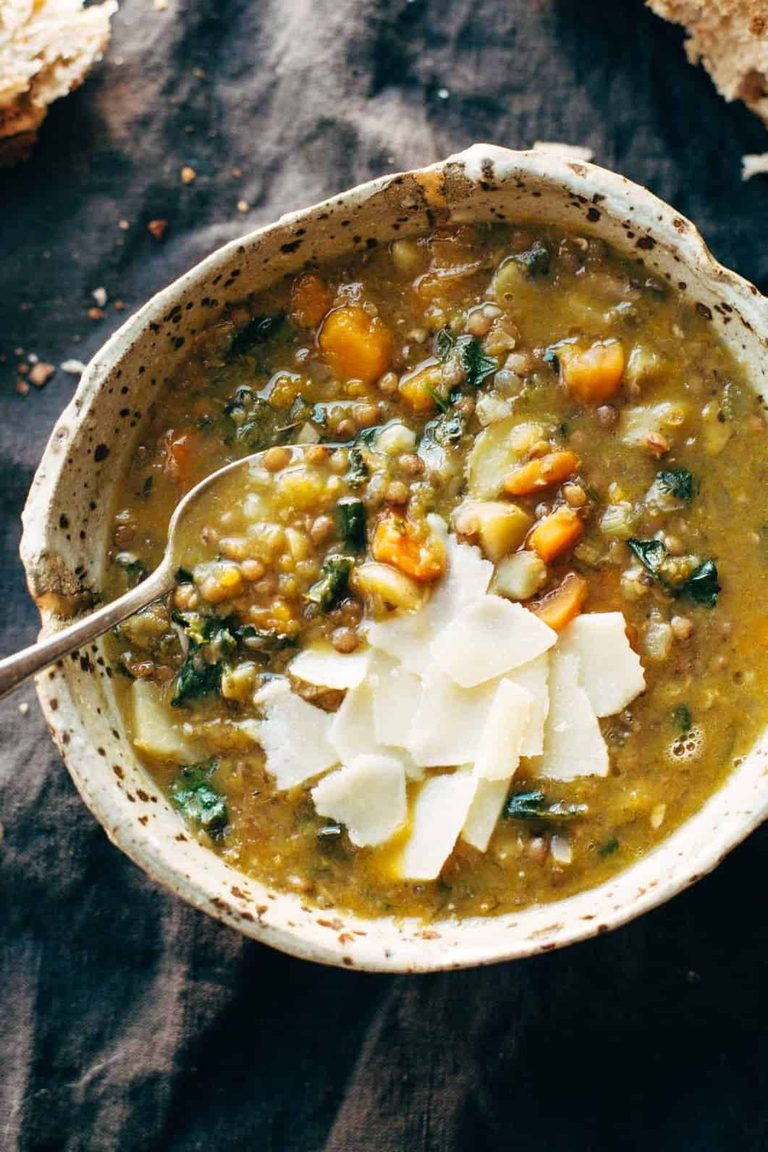
The progression of autumn dining generally follows a three-phase timeline. In the early weeks of the season, salads and lighter bowls—incorporating late-summer produce like apples and early-harvest greens—dominate the menu. As temperatures drop further, the middle of the season sees a move toward soups and stews, utilizing long-simmering techniques that break down tougher root vegetables. By the late autumn and early winter months, the focus shifts to robust, high-protein, and high-fiber dishes that require minimal active time but provide maximum heat retention, such as curries, lentil-based soups, and oven-roasted stews.
Key Nutritional Components of Autumn Bowls
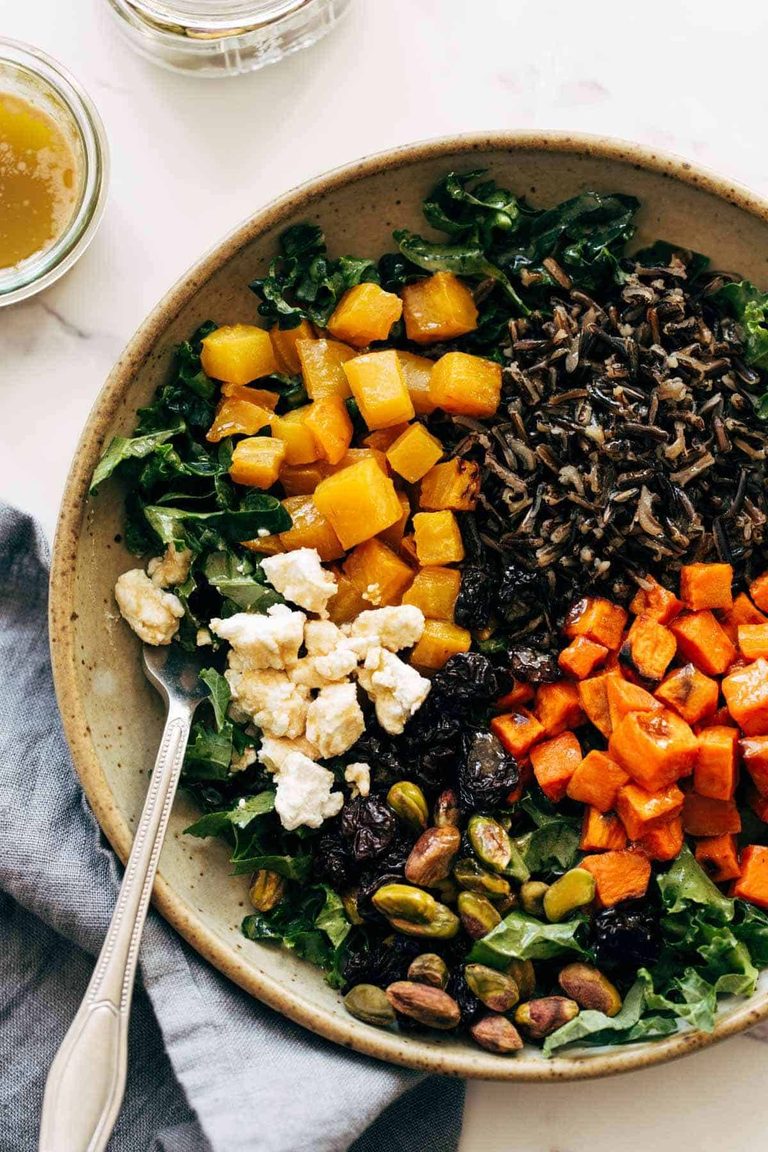
The modern "fall bowl" has become a staple of household meal planning due to its versatility and ability to balance macros. A standard high-performance autumnal bowl typically includes:
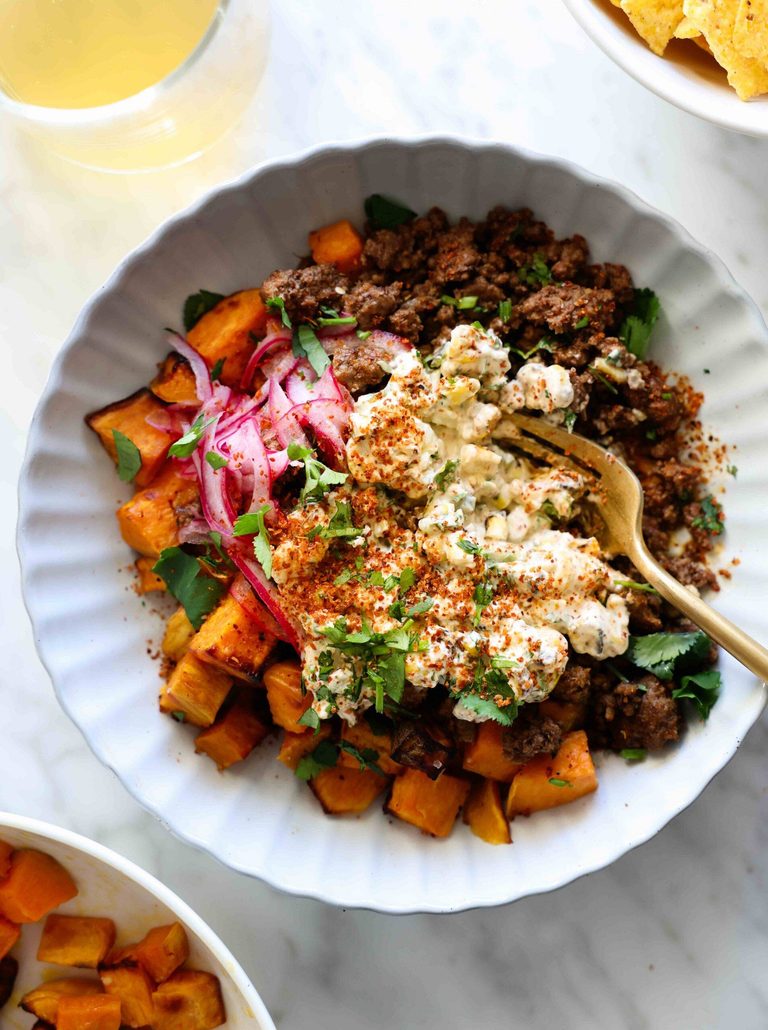
- Complex Carbohydrates: Roasted sweet potatoes, brown rice, or quinoa provide sustained energy release.
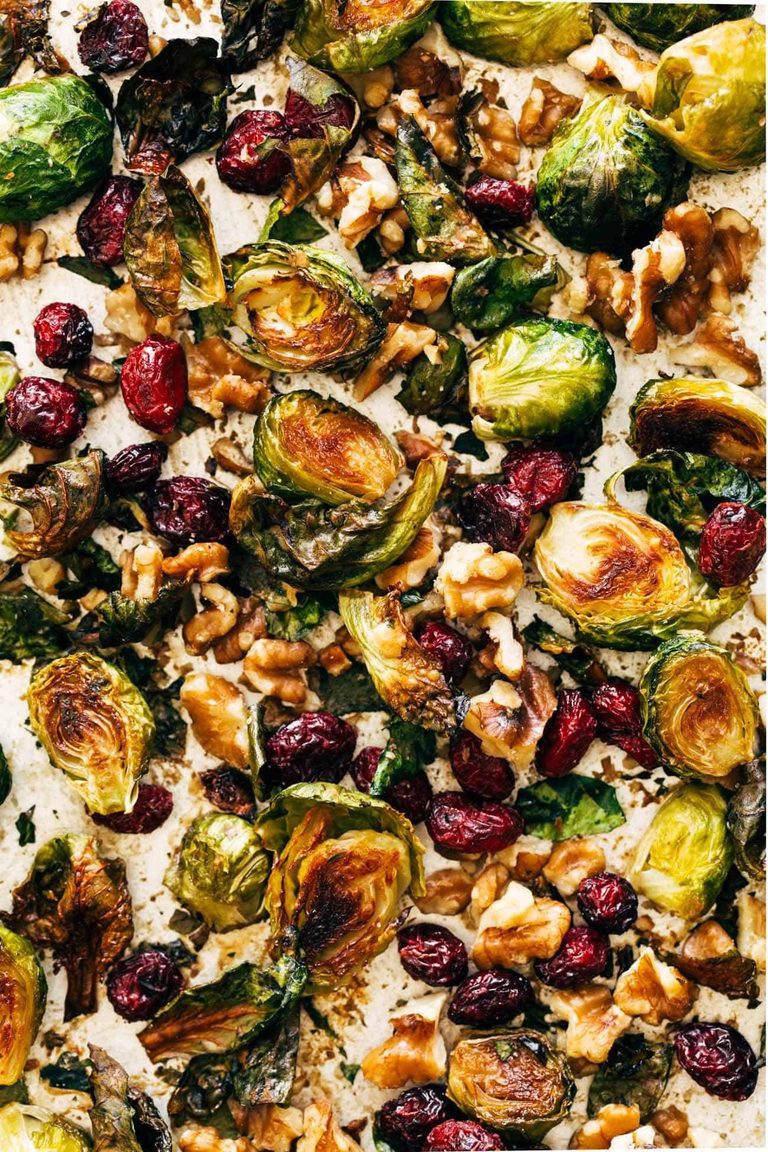
- Cruciferous Vegetables: Kale, brussels sprouts, and cauliflower offer fiber and sulforaphane, a compound linked to improved immune function.
- Plant-Based Proteins: Chickpeas, lentils, and tempeh are increasingly used as sustainable alternatives to traditional meats, offering high protein content with lower environmental impact.
- Healthy Fats: Avocado, tahini-based dressings, and nuts or seeds serve to increase the bioavailability of fat-soluble vitamins found in the vegetables.
Expert Analysis on Culinary Trends
Food economists observe that the popularity of these recipes is linked to the broader "home-economy" trend. With rising grocery costs, consumers are prioritizing recipes that use versatile, affordable ingredients like dry lentils, root vegetables, and canned coconut milk. These ingredients are shelf-stable, cost-effective, and provide the foundation for a wide array of international dishes, including Thai-inspired curries, Mediterranean-style roasted bowls, and Latin-influenced chipotle-seasoned meals.
"The trend is clearly moving toward ‘functional comfort,’" says Dr. Aris Thorne, a nutrition policy analyst. "Consumers no longer want to choose between indulgence and health. They are seeking dishes that provide the sensory experience of a warm, comforting meal while meeting rigorous nutritional standards. This is a direct reaction to the high-stress, fast-paced environment of the modern workforce; people want their evening meal to be a restorative, rather than a demanding, task."
Notable Recipe Categories for the Current Season
To maintain a balanced diet throughout the autumn months, nutritionists categorize the most effective recipes into three distinct tiers:

1. The Root-Heavy Roast
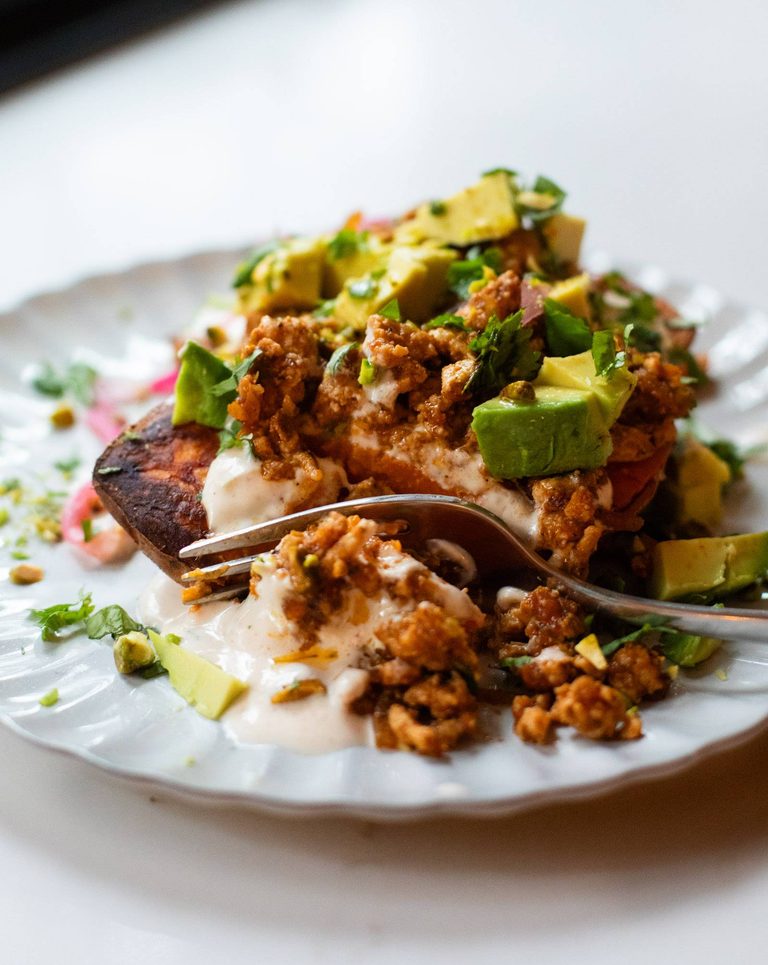
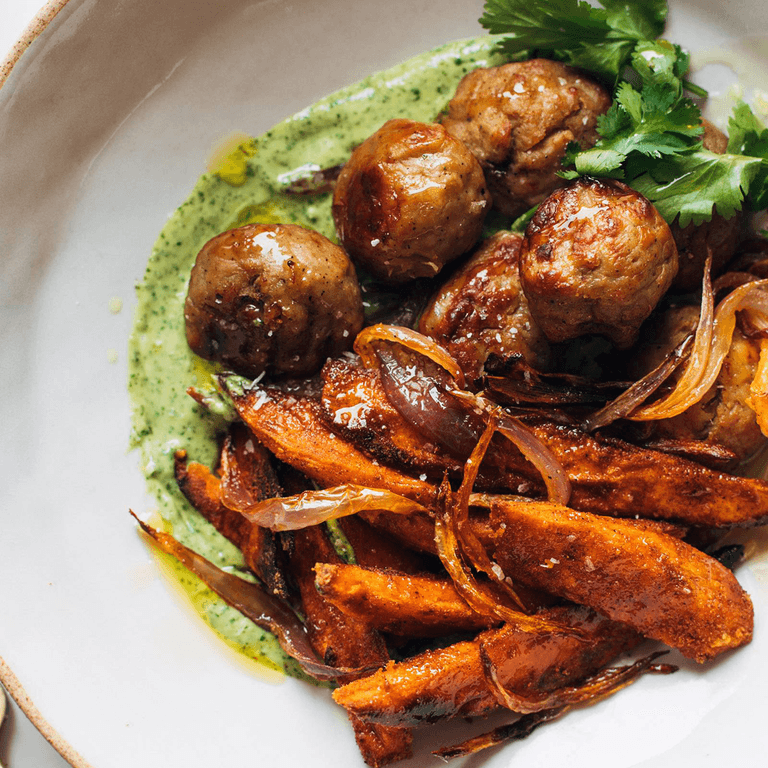
Dishes featuring roasted sweet potatoes, carrots, and cauliflower form the bedrock of the season. When paired with acidic components like pickled onions or lemon-tahini dressings, the earthy flavors of the roots are balanced, resulting in a more complex palate.

2. The Sustaining Stew
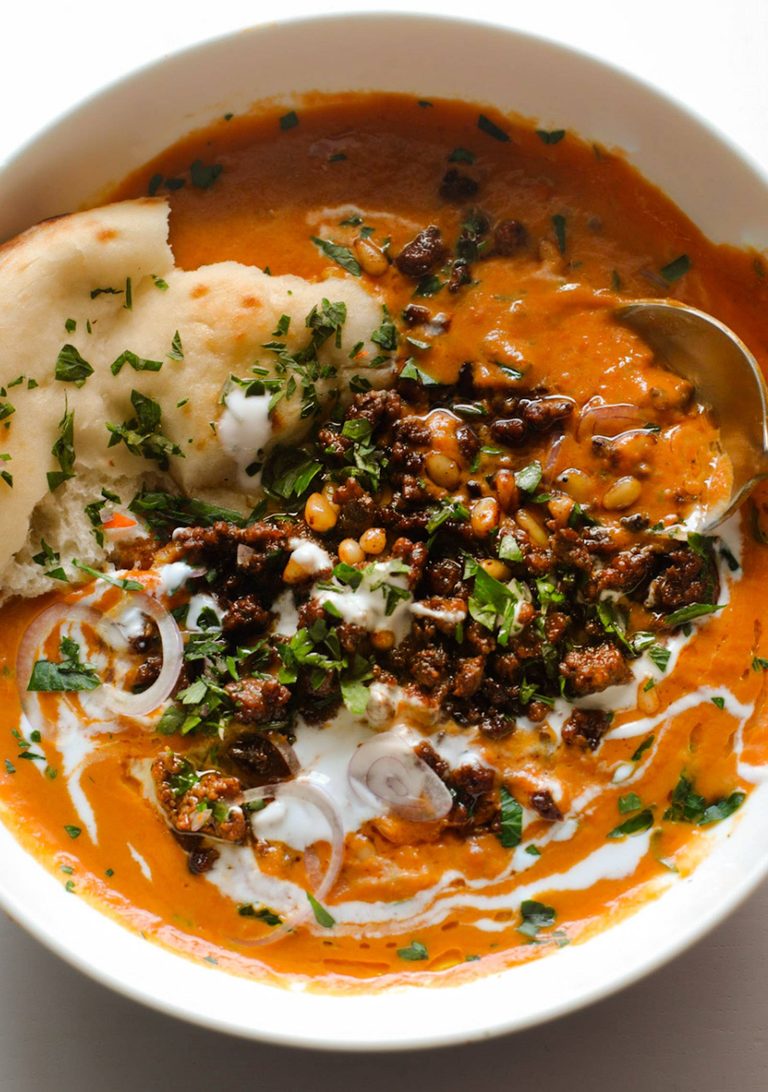
Soups, such as carrot-based blends or lentil-based legume stews, serve a dual purpose. They are hydrating and provide essential electrolytes, while the inclusion of ginger, turmeric, and garlic offers anti-inflammatory benefits. Data shows that households consuming broth-based soups in the evening report higher levels of satiety and lower rates of late-night snacking.

3. The Protein-Forward Bowl
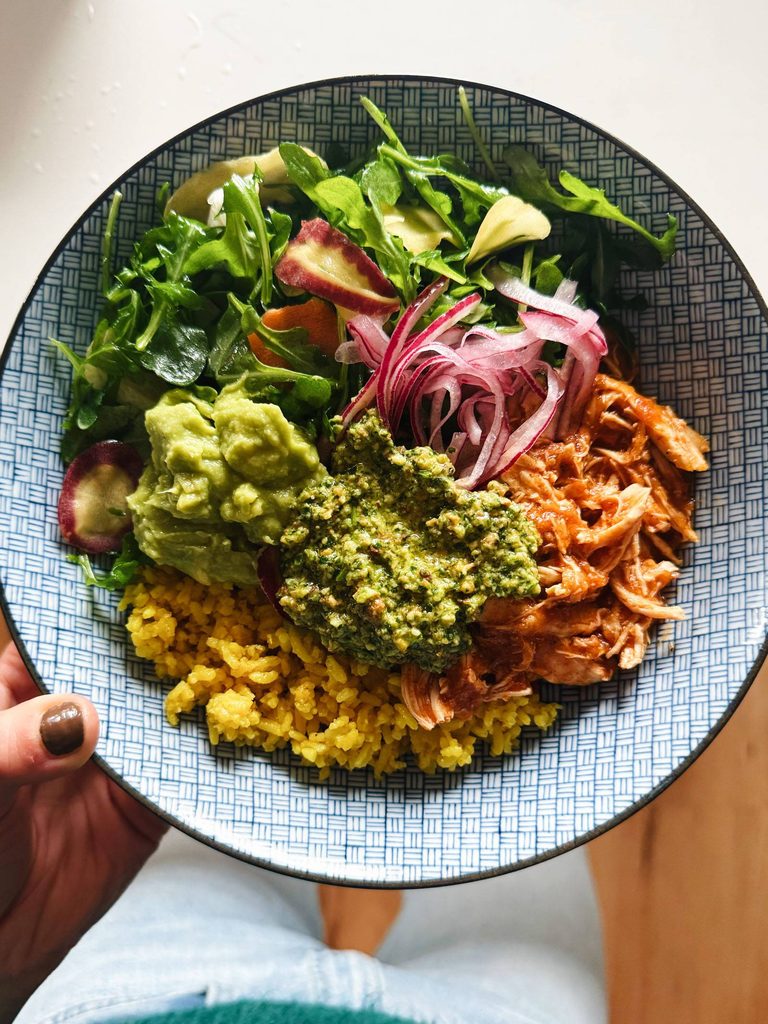
The integration of lean proteins—such as broiled salmon, spiced chicken, or marinated tempeh—into grain-based bowls ensures that muscle recovery and metabolic health are supported throughout the colder months. The inclusion of "flavor enhancers" like cilantro pesto or chili crisp allows for significant flavor variety without the need for high-sodium, pre-packaged sauces.
Socio-Economic Implications of Home Cooking
The shift toward more involved, nutrient-dense home cooking has implications beyond individual health. Public health initiatives in several regions have begun advocating for "community culinary education," which highlights the economic advantages of preparing food from scratch. By purchasing whole ingredients—such as bags of dry lentils or bulk produce—families can reduce their weekly food expenditures by an estimated 20% compared to purchasing pre-processed or convenience meals.
Furthermore, the rise of the "meal prep" culture, supported by the popularity of these fall-centric bowls, suggests a shift in how the modern household manages time. By preparing large batches of roasted vegetables or protein bases at the beginning of the week, individuals can ensure they have access to healthy, warm meals even during their busiest weekdays. This efficiency is critical in sustaining long-term dietary habits that support public health outcomes.
Challenges and Future Outlook
Despite the clear benefits of seasonal, whole-food eating, obstacles remain. "Food deserts" and the limited availability of high-quality fresh produce in certain urban areas continue to be a challenge for equitable access to these nutritional standards. Furthermore, the time investment required for cooking remains a significant barrier for low-income workers.
To address these, agricultural experts and local governments are looking at ways to incentivize the consumption of seasonal, local produce through farmer’s market subsidies and community-supported agriculture (CSA) programs. The goal is to make the "fall kitchen" not just a trend for the affluent, but a standard for all demographics.
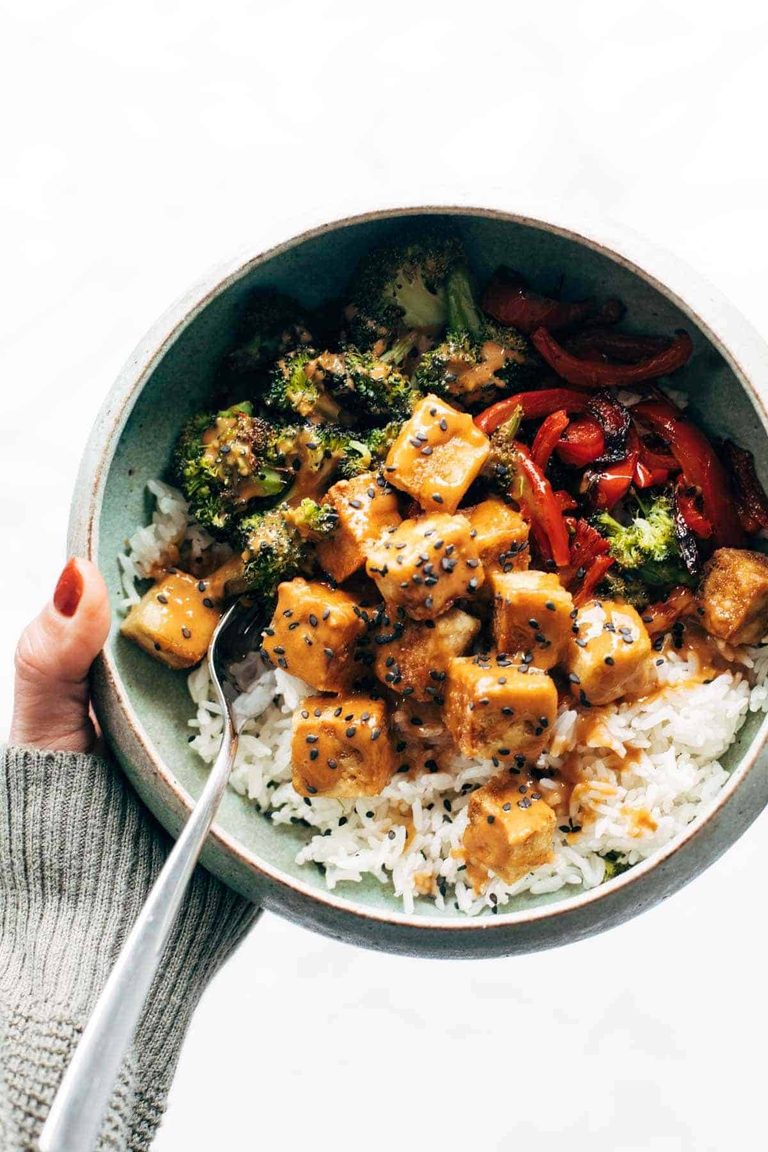
Conclusion: The Sustainability of Seasonal Eating
The adoption of fall-inspired, nutrient-dense cooking is a sustainable practice that benefits the individual, the household budget, and the environment. By aligning meal patterns with the natural harvest cycle, consumers can enjoy fresher, more flavorful produce while supporting local agricultural economies. As we continue to navigate the complexities of modern dietary needs, the return to basic, high-quality ingredients—prepared with care and attention to flavor—remains the most effective strategy for maintaining health and wellness as the year draws to a close. Whether through a simple roasted sweet potato dish or a more complex Thai-style curry, the focus remains on the intersection of nourishment, warmth, and the culinary arts.
Related posts: