The Ultimate Guide to Fall 2026 Men’s Wardrobe Essentials and Seasonal Style Transitions

As the sun sets on the final days of the extended Mediterranean-inspired summer of 2026, the retail and menswear industries are experiencing a synchronized cultural shift. The ubiquitous lightweight linen shirts are being folded away into storage bins, the omnipresent Aperol spritz is making way for robust aged whiskeys, and summer’s casual flip-flops are officially being granted a nine-month hiatus. In their place arrives the structured discipline of the autumn wardrobe: heavy denims, weather-resistant boots, tactile flannels, and the return of high-profile collegiate and professional football to television screens.
This annual meteorological and cultural transition heralds the arrival of peak layering season, a period when fashion enthusiasts and casual consumers alike grapple with foundational sartorial questions. Will a corduroy suit read too strictly as a nostalgic academic uniform? Can structured derby shoes be successfully paired with relaxed-fit selvedge denim? Where is the exact threshold where a graphic tee becomes too long for a modern bomber jacket? According to a specially convened braintrust at GQ, fall remains the definitive season when getting dressed regains its technical complexity and creative joy. To navigate the rapidly shifting climatic conditions of Fall 2026, industry experts have compiled an exhaustive guide featuring 84 definitive menswear purchases designed to carry consumers through the colder months with superlative style.
Main Facts and the Macro Shift in Post-Summer Retail
The transition from late summer to early autumn 2026 marks a broader pivot in consumer spending patterns within the global apparel market. Following seasons dominated by vacation wear, breathable textiles, and minimalist resort silhouettes, market analysts note a sharp spike in demand for durable, heritage-inspired garments. Retailers such as J.Crew, Buck Mason, RRL, and Red Wing have reported increased early-season velocities for items rooted in traditional utility wear, military surplus, and collegiate heritage.
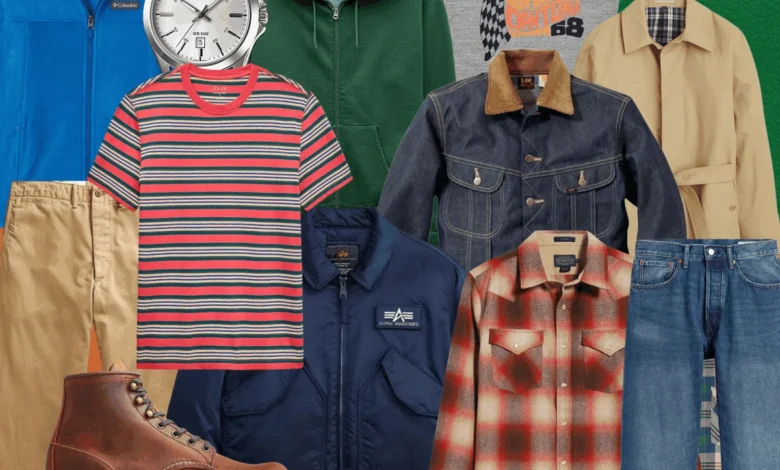
This year’s core essentials reflect a careful balance between utilitarian durability and contemporary tailoring. Rather than abandoning casualwear entirely, the modern autumn wardrobe bridges the gap between structured office wear and rugged weekend aesthetics. Key categories highlighted by industry authorities include heavy cotton twill chinos, western-leaning flannel shirts, wool-blend knitwear, and substantial footwear options that signal a definitive retreat from the sneaker dominance of previous years.
Chronology of the Seasonal Wardrobe Pivot
The annual wardrobe turnover follows a predictable timeline dictated by environmental shifts and cultural markers:
- Late August to Early September: The initial temperature drops prompt consumers to reevaluate transitional layering pieces. Full-zip hoodies, midweight fleece jackets, and long-sleeve thermal shirts emerge as primary defensive layers against the early morning chill.
- Mid-September: As professional football leagues kick off and academic semesters resume, collegiate-inspired pieces—such as heavyweight cotton rugby shirts, classic crewneck sweatshirts, and vintage-washed graphic tees—experience a surge in popularity. This period also marks the reintroduction of analog timepieces as consumers return to structured corporate environments.
- Late September to October: With the arrival of definitive autumn foliage and consistently cooler weather, heavier outerwear takes center stage. Consumers invest in core anchor pieces, including Goodyear-welted boots, selvedge denim, corduroy suits, and weather-resistant trench coats designed to withstand unpredictable precipitation.
- November: The season culminates in deep cold-weather preparation, where high-performance thermal layers, heavy wool sweaters, and substantial outerwear become absolute necessities for daily commuting and outdoor activity.
Supporting Data and Textile Analysis: Plaid versus Flannel
A perennial point of confusion among consumers is the distinction between pattern and fabric. Industry educators frequently emphasize that plaid is a visual textile pattern, whereas flannel refers to a raised, soft fabric traditionally woven from wool or cotton. A garment can feature a plaid check without being constructed from flannel, or it can be a solid-color flannel shirt devoid of any pattern. However, the intersection of both—the checked cotton flannel workshirt—remains the undisputed workhorse of the autumn wardrobe.
Market data indicates that consumer preferences have evolved past synthetic blends toward high-performance natural fibers. Sales data from heritage outfitters show a 15% year-over-year increase in demand for 100% cotton twill workshirts, Japanese selvedge denim, and pure lambswool knitwear. Brands like Wallace & Barnes, Polo Ralph Lauren, and Inis Meain are leading this shift by offering garments with substantial hand-feel, structural integrity, and long-term durability.
Industry Statements and the Return of Heritage Tailoring
While specific corporate executives rarely comment on seasonal micro-trends, creative directors across major menswear labels have signaled a collective fatigue with fast-fashion disposability. In recent designer showcases for Fall 2026, brands have heavily emphasized longevity, heritage manufacturing, and repairability.
"The consumer is no longer looking for disposable pieces that survive a single season," notes a prominent retail analyst based in New York. "There is a distinct flight to quality. Whether it’s a pair of Red Wing work boots designed to be resoled for decades or an investment-grade leather jacket from Valstar or No Maintenance, the modern buyer views clothing as an enduring asset rather than a temporary costume."
This philosophy extends to formal and semi-formal wear. The corduroy suit, once relegated to eccentric academics, has been successfully integrated into contemporary streetwear and smart-casual office environments. By utilizing varying "wales"—the width of the corduroy ridges—brands like Ralph Lauren and Drake’s have created versatile tailoring options that offer the gravitas of a traditional suit without the stiffness.
Broader Implications for the Global Apparel Market
The emphasis on Fall 2026 essentials carries significant economic and environmental implications. As consumers increasingly prioritize durable, timeless items over trend-driven micro-cycles, sustainable manufacturing practices are gaining traction. Natural fibers such as merino wool, heavy cotton twill, and vegetable-tanned leather require less microplastic shedding during washing and offer significantly longer life cycles compared to polyester-heavy alternatives.
Furthermore, the footwear sector illustrates a broader rejection of uniform casualization. While athletic sneakers held an absolute monopoly on men’s footwear for the better part of a decade, the resurgence of commando-soled derbies, heritage work boots, and classic deck shoes indicates a more discerning consumer base. Shoppers are curating footwear selections tailored to specific functional needs—whether navigating urban downpours in a waterproof trench coat or traversing uneven terrain in rugged leather boots.
Ultimately, the menswear landscape of Fall 2026 proves that the changing of the seasons is not merely a logistical challenge of staying warm, but an ongoing opportunity for self-expression through considered design. By investing in foundational pieces that honor historical utility while embracing modern proportions, consumers are building wardrobes equipped to handle both sudden meteorological shifts and the test of time.