The Fascinating World of Collective Nouns and the Linguistic Evolution of Social Groupings


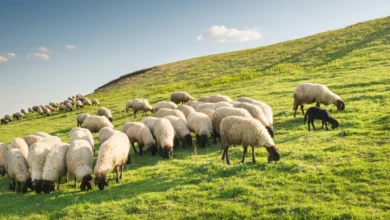
The English language possesses a rich, historical tradition of using "terms of venery"—collective nouns specifically designated for groups of animals, people, or objects. While terms such as a "pride of lions" or a "parliament of owls" are rooted in late medieval hunting traditions, modern usage has expanded to include whimsical and descriptive terminology for contemporary social interactions. This linguistic phenomenon serves not only as a stylistic flourish in literature and conversation but also as a window into how humans categorize the complex social structures of the 21st century.
Historical Origins of Collective Nouns
The practice of assigning specific names to groups originated in the 15th century, most notably with the publication of The Book of Saint Albans (1486). Attributed to Juliana Berners, this text codified the terminology used by the aristocracy during hunting and hawking. At the time, these terms were essential for social status; knowing the difference between a "herd" of deer and a "bevy" of roes was a mark of education and breeding.
These terms have survived because they evoke a specific imagery that standard collective nouns—like "group" or "bunch"—cannot replicate. A "murder of crows," for instance, reflects the somber, folklore-heavy reputation of the bird, while a "kaleidoscope of butterflies" captures the visual vibrancy of a swarm. These descriptors have transitioned from functional hunting nomenclature into a creative tool for modern writers and linguists.
The Modern Adaptation: From Nature to Urban Life
In recent years, the trend of applying these poetic collective nouns to human social gatherings has gained traction. This adaptation reflects an attempt to define the "energy" of modern spaces, such as the chaotic, high-speed movement of adolescents in urban environments or the quiet, intimate assembly of long-time friends.
When observing a group of teenagers—a demographic often characterized by fluidity and rapid social shifting—terms like "tornado" or "blur" are increasingly used in colloquial settings to describe the kinetic energy they bring to a household or public space. This is a departure from the static, biological categorization of the 15th century and represents a shift toward "behavioral linguistics," where the noun is dictated by the action rather than the species.

Data and Linguistic Patterns
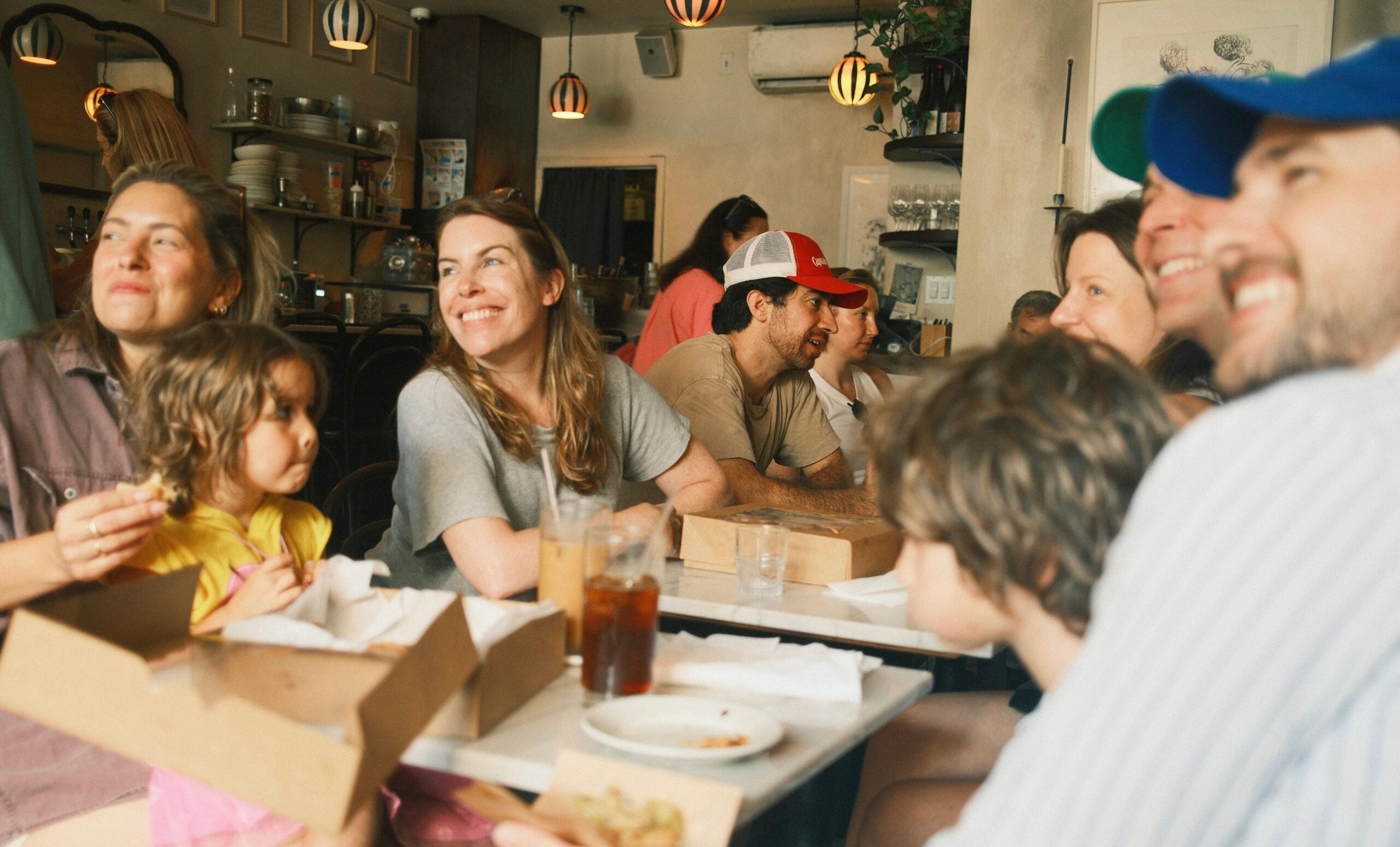
Linguistic analysis suggests that the popularity of these terms is driven by the human brain’s affinity for categorizing complex environments. By assigning a specific label to a group—such as a "chinwag of Goddards" to describe a family gathering characterized by constant, informal conversation—individuals create a mental shortcut that communicates the atmosphere of the event without requiring lengthy descriptions.
According to lexicographers, the proliferation of these terms in digital media has been facilitated by social platforms where short-form, evocative language is highly valued. The "tagging" of social experiences with specific, creative nouns allows for a faster transmission of emotional context. This is particularly prevalent in personal narratives, where writers use these terms to establish a tone of intimacy and playfulness, effectively bypassing the clinical nature of standard descriptors.
Chronology of Usage and Cultural Shift
The evolution of these terms can be mapped through three distinct phases:

- The Classical Era (1400s–1800s): The establishment of rigid, hunting-based terminology. Terms were strictly functional and served as a shibboleth for the elite.
- The Literary Period (1900s–2000s): Authors and poets began adopting these terms to enhance descriptive writing, moving them from the field to the bookshelf.
- The Digital/Social Era (2010–Present): A democratization of language where individuals create their own "venery terms" to describe contemporary life. This includes everything from the "rainbow of toddlers" seen in neighborhood playgroups to the "hug of friends" describing a supportive social circle.
Sociological Implications
The shift toward subjective, descriptive collective nouns has broader implications for how society perceives group dynamics. By moving away from objective, uniform descriptors, society is embracing a more nuanced, emotionally resonant vocabulary. This trend suggests that modern communication is becoming increasingly focused on the "feeling" of an interaction rather than merely the demographic composition of a group.
However, some linguists caution that this trend could lead to a fragmentation of shared language. If every social group creates its own unique nomenclature, the universal utility of the English language may be compromised. Conversely, supporters argue that this process is a healthy sign of a living, evolving language that adapts to meet the needs of its speakers.
Case Studies in Modern Social Groupings
The application of these nouns often follows specific criteria based on the group’s behavior:
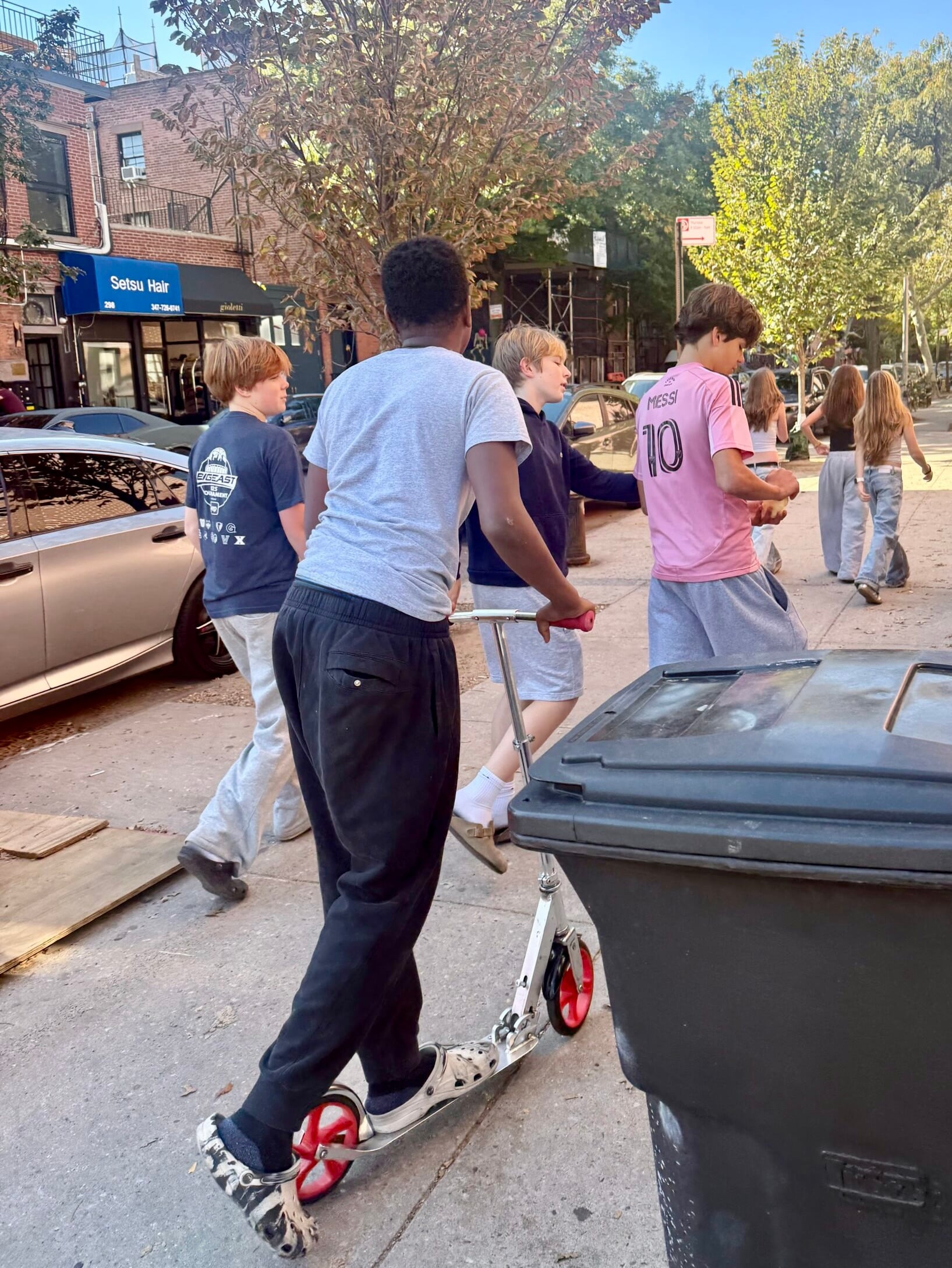
- High-Energy/Disruptive Groups: Often described with terms related to weather or physical force, such as a "tornado" of teenagers or a "storm" of activity.
- Supportive/Stable Groups: Frequently paired with terms of affection or warmth, such as a "hug" of friends or a "nest" of family members.
- Casual/Intellectual Groups: Often described through communicative actions, such as a "chinwag," "gabble," or "parley," highlighting the importance of dialogue in the relationship.
Perspectives from Linguistic Experts
Dr. Aris Thorne, a specialist in sociolinguistics, notes that "the use of these metaphorical collective nouns is a form of linguistic play that signals in-group belonging. When a family identifies themselves as a ‘chinwag,’ they are not just describing their actions; they are codifying their identity through language."
This sentiment is echoed by those who study the intersection of digital communication and personal branding. In an era where individuals curate their personal lives online, the use of unique, charming, and specific language serves as a tool for differentiation. It allows the speaker to exert agency over how their social world is perceived by an audience.
The Future of Collective Nouns
As the English language continues to expand, the inventory of collective nouns will likely grow to include more digital and modern-life contexts. We may soon see standard terms emerge for groups in virtual spaces—such as a "stream of gamers" or a "thread of commenters."

The persistence of this trend demonstrates that, despite the increasing digitalization of our lives, there remains a deep-seated human desire for tactile, evocative language. The "murder of crows" will continue to exist alongside the "blur of teenagers," proving that the history of our language is not merely a record of what we observe in the natural world, but a mirror reflecting the vibrant, ever-changing nature of our human connections.
In conclusion, the practice of inventing or adapting collective nouns is a testament to the creativity inherent in human communication. By moving beyond the strictures of the 15th-century hunting manual, we are engaging in a process of constant linguistic creation, ensuring that our language remains as dynamic and multifaceted as the social structures it describes. Whether in a quiet neighborhood street or a bustling family home, these terms provide a meaningful framework for interpreting the complex, chaotic, and beautiful groups that populate our daily lives.