The Ultimate Culinary Lifeline: Why Spaghetti Aglio e Olio Remains the Undisputed Masterpiece of Minimalist Cooking

Amidst the exhausting demands of modern household management, culinary fatigue, and the perennial quest for a quick, reliable evening meal, millions of home cooks ultimately return to a foundational Neapolitan masterpiece: spaghetti aglio e olio. As summer temperatures peak and kitchen energy reserves run critically low—particularly for families navigating ill-equipped vacation rentals or chaotic holiday schedules—this deceptively simple dish of pasta, garlic, and olive oil has cemented its status as an enduring global comfort food. Far more than a mere emergency ration, aglio e olio represents a masterclass in culinary efficiency, proving that exceptional flavor requires neither an extensive grocery list nor hours of intensive labor.
Main Facts of the Dish
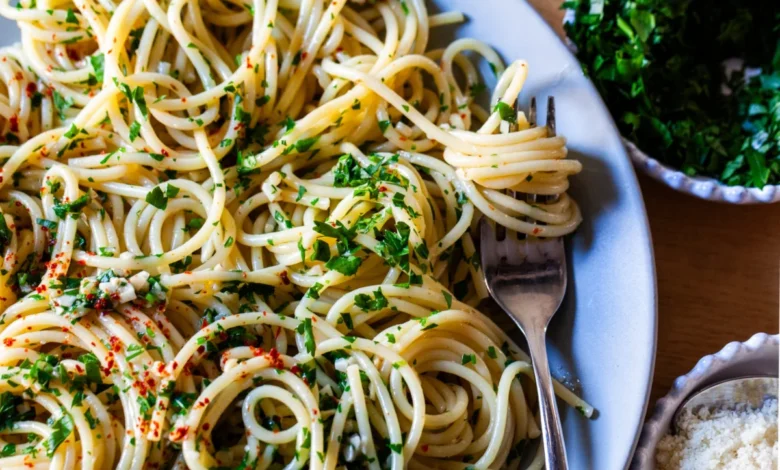
Spaghetti aglio e olio, translating literally from Italian as "spaghetti with garlic and oil," is a traditional pasta originating from Naples. Despite its humble components—typically comprising spaghetti, extra-virgin olive oil, fresh garlic, red pepper flakes, and occasionally fresh parsley—the dish delivers an aromatic punch capable of rousing even the most lethargic household members from post-beach slumbers or screen-induced trances.
The mechanics of the dish rely on high-quality pantry staples. The preparation begins by boiling spaghetti in well-salted water until it reaches an al dente texture, typically one to two minutes shy of complete package instructions. Crucially, a cup of starchy pasta cooking water is reserved before draining. The sauce is built directly in the cooking pan by combining olive oil, minced or sliced garlic, and red pepper flakes in a cold pan before applying heat. This cold-start method prevents the garlic from burning or turning bitter, allowing it to slowly infuse the oil as it heats to medium.

Once the garlic takes on a delicate golden hue, the drained pasta and a portion of the reserved starchy water are introduced. Vigorously stirring the mixture emulsifies the oil, water, and starch into a glossy, cohesive coating that clings to every strand of spaghetti. Additional pasta water is incorporated as needed to maintain a loose, silky texture. Finished with fresh herbs and a final drizzle of raw olive oil, the dish can be served immediately, either on its own or elevated with proteins such as grilled shrimp, sliced chicken thighs, or roasted vegetables.
Historical Chronology and Evolution
The history of aglio e olio is deeply rooted in the working-class culture of southern Italy, specifically the Campania region.
19th Century Origins: Emerging primarily in Naples, aglio e olio was historically consumed by the urban poor. During periods of economic hardship, when meat, fresh seafood, and even standard cheeses were prohibitively expensive, working-class Neapolitans relied on shelf-stable durum wheat pasta, locally pressed olive oil, and inexpensive garlic to sustain themselves.
Mid-20th Century Diaspora: As waves of Italian immigrants relocated to North America and other parts of the globe, recipes like aglio e olio traveled with them. However, in foreign markets, the dish underwent various adaptations. In some households, grated Parmesan or Pecorino cheese—traditionally omitted in southern Italy due to the culinary rule discouraging cheese with seafood or oil-based sauces—was added to suit local palates.

Late 20th Century Culinary Renaissance: With the rise of modern food journalism and the popularization of the Mediterranean diet, minimalist Italian cooking gained international acclaim. Food writers and chefs began championing aglio e olio not merely as a poverty meal, but as a triumph of technique, demonstrating that flavor is driven by the proper handling of ingredients rather than their sheer quantity.
Contemporary Revival: Today, the dish experiences regular surges in popularity during peak summer months, vacation periods, and times of economic uncertainty, functioning as the ultimate culinary fallback for exhausted cooks.
Supporting Data and Nutritional Context
From a nutritional and economic standpoint, spaghetti aglio e olio occupies a unique niche in modern gastronomy. Market analyses of pantry staples consistently rank dry pasta, olive oil, and garlic among the most cost-effective food items per serving globally.
Cost Efficiency: Based on average retail pricing for basic grocery commodities, a standard family-sized portion of spaghetti aglio e olio costs significantly less per serving than commercial convenience foods or standard takeout alternatives.

Nutritional Profile: While predominantly carbohydrate-based, the dish incorporates significant amounts of monounsaturated fats from extra-virgin olive oil, which studies link to improved cardiovascular health. Furthermore, garlic contains bioactive compounds such as allicin, associated with immune support and anti-inflammatory properties.
Preparation Metrics: The entire cooking process, from water boiling to plating, requires approximately 15 to 20 minutes, making it one of the fastest warm meals a home cook can execute. This high speed-to-flavor ratio contributes directly to its enduring popularity.
Official Responses and Culinary Perspectives
While aglio e olio lacks a formal corporate or governmental governing body, its cultural significance is continually validated by prominent figures in the culinary arts. Executive chefs, food historians, and cookbook authors frequently cite the dish as a litmus test for culinary skill.
Renowned food scientists and educators often emphasize that minimalist recipes expose technical flaws more readily than complex dishes. Without heavy sauces, long ingredient lists, or masking agents like excessive cheese, the success of aglio e olio depends entirely on fundamental techniques: proper pasta salinity, temperature control during garlic infusion, and the physical chemistry of starch emulsification.

Furthermore, culinary sociologists note that dishes requiring minimal cognitive and physical labor are increasingly vital in contemporary society. As work hours lengthen and burnout rates climb, the psychological relief provided by an effortless, highly satisfying dinner cannot be overstated. Food psychologists report that comfort foods rich in familiar aromas—such as garlic sizzling in olive oil—trigger positive sensory memories, reducing perceived stress levels after long workdays or travel disruptions.
Broader Impact and Economic Implications
The cultural footprint of spaghetti aglio e olio extends well beyond individual dining tables, touching upon broader economic and dietary trends.
Pantry Cooking Movements: In periods marked by inflation and rising food costs, culinary media outlets frequently pivot toward minimalist pantry recipes. Aglio e olio serves as a flagship recipe for educational campaigns encouraging consumers to reduce food waste by utilizing aging vegetables, leftover herbs, or stray proteins alongside a base of pasta and oil.
The Vacation Rental Phenomenon: The reference to ill-equipped vacation rental kitchens highlights a specific logistical challenge for travelers. Millions of holidaymakers encounter kitchens stocked with little more than a dull knife, a single pot, and basic condiments. Aglio e olio thrives in these austere environments, requiring minimal hardware while delivering restaurant-quality satisfaction.

Culinary Adaptability: The dish’s structural flexibility has also influenced modern fusion cuisine. Home cooks and professional chefs alike routinely adapt the core technique—infusing oil with aromatics and emulsifying with starchy cooking water—to other noodle types, including Asian rice noodles or ramen, demonstrating the universal applicability of the Neapolitan method.
Conclusion
Ultimately, spaghetti aglio e olio endures because it bridges the gap between necessity and luxury. It reassures cooks that a lack of time, energy, or groceries is not an obstacle to a remarkable meal. By relying on precise technique rather than material abundance, this classic Neapolitan staple continues to command a central place in domestic kitchens worldwide, offering a reliable, aromatic sanctuary at the end of a long day.