The Sao Paulo Grand Prix sets the stage for a tactical masterclass as grid penalties shuffle the order at Interlagos.

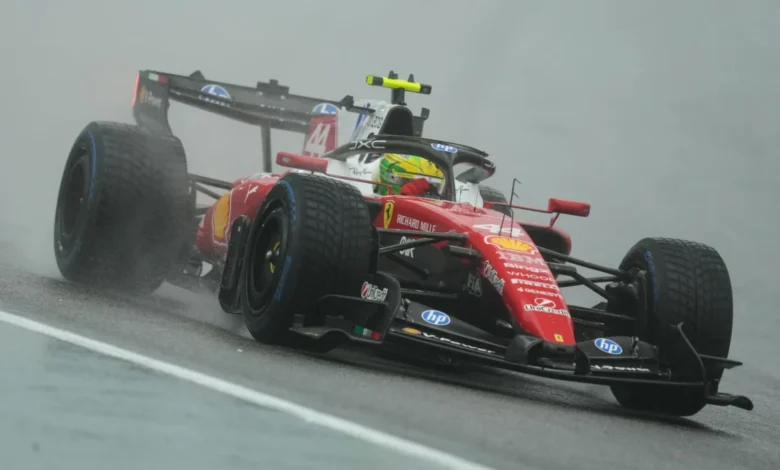
The Autódromo José Carlos Pace is braced for a spectacle that defies the conventional hierarchy of the 2025 Formula 1 season. With an unsettled weather forecast looming over the São Paulo circuit, the grid for Sunday’s Grand Prix has been radically transformed by a combination of strategic brilliance, mechanical attrition, and a series of grid penalties that have displaced several championship contenders. Lando Norris, piloting his McLaren, secured pole position for the third consecutive year, a testament to his affinity for the iconic Brazilian venue. Beside him, the newly crowned world champion, Kimi Antonelli, prepares to defend his title with the composure of a veteran, marking a significant milestone in his debut season with Mercedes.
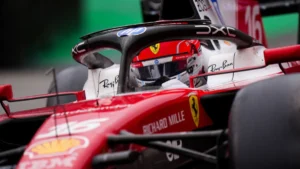
However, the intrigue of this race lies not just at the front, but in the chaotic scramble expected from the rear. Due to substantial power unit component changes, both Red Bull’s Max Verstappen and Ferrari’s Lewis Hamilton have been relegated to the back of the grid. Compounding the misery for Ferrari, Charles Leclerc faces a 10-place grid penalty, forcing him to start from 14th position. George Russell, having displayed blistering pace throughout the weekend, finds himself in 7th, hampered by a five-place penalty for an internal combustion engine replacement. This inversion of the traditional order creates a "reverse grid" narrative that promises to test the field’s capacity for overtaking and tactical ingenuity.
The Strategic Landscape at Interlagos
The Interlagos circuit is renowned for its high-speed sections, technical infield, and notoriously unpredictable weather patterns. As teams finalize their setups, the threat of rain remains the primary variable. For drivers like Verstappen and Hamilton, the challenge is twofold: navigating through the midfield traffic and managing the specific technical limitations of the 2025 regulations.
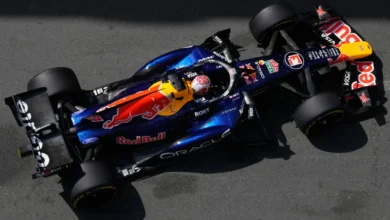
Max Verstappen, a three-time winner in Brazil, is no stranger to fighting through the pack. His 2024 victory, which saw him climb from 17th to the top step of the podium in treacherous wet conditions, remains one of the most celebrated drives in recent history. Despite this, the reigning champion remains cautious about his prospects. He noted that the effectiveness of the current "Overtake Mode"—which replaced the traditional Drag Reduction System (DRS) this season—is diminished at this track.
"The Overtake Mode doesn’t really do a lot around here," Verstappen explained. "Everyone is draining their battery from the last corner to Turn 1. With everyone utilizing their energy deployment simultaneously, the delta between cars is minimized, making it significantly harder to find the space to complete a move."
Understanding the Overtake Mode Mechanism
To understand the tactical difficulty facing the back-markers, one must examine the evolution of F1’s overtaking regulations. Introduced at the start of the 2025 season, Overtake Mode serves as the primary tool for following cars. When a driver is within one second of the car ahead, they can activate a setting that allows the electric motor to deploy maximum energy, raising the speed threshold for electric motor assistance from 180mph to 209mph.
On a circuit like Interlagos, where the main straight is short and high-speed cornering is essential, the window of opportunity to capitalize on this power boost is narrow. Because every car on the grid is effectively deploying their ERS (Energy Recovery System) in the same zones, the inherent speed advantage provided by the system is neutralized, turning the race into a contest of pure mechanical grip and tire management.
Mercedes and the Constructors’ Championship
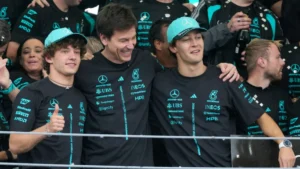
For the Mercedes-AMG Petronas team, Sunday represents more than just an attempt to win the race; it is a critical juncture in their pursuit of the Constructors’ Championship. With Antonelli starting from the front row and Russell in 7th, the team is well-positioned to capitalize on Ferrari’s misfortune. Currently, Mercedes leads the standings, and a solid points haul—specifically, outscoring Ferrari by three points or more—would mathematically secure their ninth Constructors’ title since 2014.
Team Principal Toto Wolff expressed a measured optimism. "It’s an exciting prospect," Wolff noted. "We are focused on locking in the points for the championship. We have the drivers to do it, and given the state of the grid, it is essentially a clean slate for everyone. It is a matter of keeping our heads down and executing the race perfectly."
George Russell, despite his frustration over a qualifying strategy error that potentially cost him pole position, remains confident in his car’s capability. "My pace, along with Lando’s, was by far the best out there," Russell said. "I feel incredibly confident in the wet. If the rain persists, I believe we have a genuine chance to challenge for the win, even starting from seventh."
The Ferrari Dilemma and Mid-Field Challenges
For Ferrari, the weekend has been a series of obstacles. With Hamilton starting at the back and Leclerc at 14th, the team’s focus has shifted toward damage limitation and tactical experimentation. Charles Leclerc, reflecting on his qualifying struggles, suggested that the team has been using the wet track time to trial setup configurations that were previously overlooked.
"My strength has always been driving in the rain," Leclerc stated. "Since I joined Ferrari, we have occasionally struggled to find the right window for the car in these conditions. However, the data we gathered in qualifying is invaluable. If we can find that sweet spot, there is no reason we cannot fight for a top-six finish."
Lewis Hamilton, meanwhile, faces a different challenge. After a storied career in Brazil, including his famous charge from 20th to 5th in the 2021 Sprint, he acknowledges that the current Ferrari challenger does not possess the same raw pace advantage he has enjoyed in years past. "I was using qualifying as a test to ensure the engine and the chassis were operating in harmony," Hamilton remarked. "I feel good, but the race will be won by whoever manages the tires and the changing track conditions the most effectively."
The Norris vs. Antonelli Duel
At the very front of the grid, the dynamic between Lando Norris and Kimi Antonelli is the headline act. Norris, having led the McLaren charge, is acutely aware of the threat posed by the Mercedes rookie. McLaren has introduced a comprehensive upgrade package this weekend, featuring a revised front wing, rear wing, beam wing, and floor geometry. Early signs suggest these upgrades have provided a tangible boost to the MCL39’s aerodynamic efficiency.
Norris is hoping for a "dark, gloomy day," believing that the lack of sun and the presence of rain will favor his car’s balance over the Mercedes. "In the dry, I expect a much bigger battle because I don’t think we have the outright pace of the Mercedes in consistent conditions," Norris admitted. "But in the rain, it’s not just about the best car. It’s about who can push to the absolute limit without crossing the line. That is where I want to be."
Antonelli, having secured the championship just seven days ago in Mexico, is riding a wave of momentum. He has remained remarkably grounded, focusing on his race starts and long-run consistency. "The goal is to get off the line well," Antonelli said. "Whether it is wet or dry, we have the pace. I’ve felt comfortable in the car since Friday, and I’m looking forward to the challenge of leading a Grand Prix in these conditions."
Timeline and Expectations for Sunday
The build-up to the race begins at 3:30 pm, with the lights set to go out at 5:00 pm. The atmosphere at Interlagos is electric, as the Brazilian crowd—known for its profound passion for motorsport—prepares to witness what is expected to be one of the most volatile races of the 2025 calendar.
Chronologically, the race will likely unfold in three distinct phases:
- The Opening Stint: All eyes will be on the start. With the front-runners potentially struggling for traction on a damp track, the mid-pack drivers like Russell, Alonso, and Albon will be looking to capitalize on any mistakes at Turn 1.
- The Recovery Phase: This is where the eyes of the world will be on Verstappen, Hamilton, and Leclerc. Their progress through the field will dictate the strategic calls for the front-runners. If the back-markers can clear the midfield quickly, they could pose a threat to the podium by the final quarter of the race.
- The Closing Stages: As track conditions evolve, the final tire choice—whether to commit to a late-race slick or stay on the intermediate rubber—will likely decide the winner.
Broader Implications
The outcome of the São Paulo Grand Prix will ripple across the remainder of the season. For Mercedes, it is a chance to seal a historic championship title. For McLaren, it is an opportunity to prove that their technical upgrades can bridge the gap to the front-runners consistently. For Red Bull and Ferrari, the race is a reminder of the fragility of success in Formula 1, where a single mechanical failure or grid penalty can unravel weeks of preparation.
As the rain clouds gather over the hills of Interlagos, one thing is certain: the race will be defined by bravery. With the championship pressure off for some and at an all-time high for others, the stage is set for a race that will be remembered for its tactical intrigue and the sheer determination of the drivers tasked with conquering one of the world’s most demanding circuits. The broadcast coverage on Sky Sports F1 will begin early, providing viewers with an in-depth look at the shifting conditions and the final preparations as the teams gear up for the ultimate test of endurance and skill in Brazil.
Related posts: