The holiday season of 2026 has ushered in a distinct shift in consumer behavior regarding youth gift-giving, with a marked pivot toward interactive, experiential, and tactile play. As digital saturation reaches an all-time high, parents and gift-givers are increasingly prioritizing items that foster social connection, imaginative roleplay, and long-term utility. Market analysis from the final quarter of 2026 suggests that while electronic devices remain staples of teenage interest, there is a robust resurgence in "analog" play—games and tools that encourage physical engagement and shared family experiences.

The Resurgence of Social and Interactive Gaming
The current market landscape is defined by a renewed appreciation for tabletop and social games that bridge generational gaps. The Uno tournament set, currently retailing for approximately $20, has emerged as a top-selling item, reflecting a broader trend toward budget-friendly, high-engagement entertainment. Unlike solitary screen-based activities, these games serve as a mechanism for social bonding. Similarly, the music-based game Hitster has gained traction for its ability to appeal to diverse age groups, leveraging collective knowledge of pop culture across decades.
Industry analysts observe that this trend is not merely nostalgic but functional. Modern families are seeking activities that can withstand repeated use. The popularity of complex board games that prioritize "goofy" or lighthearted interaction suggests that consumers are looking for stress-relieving activities that provide a respite from academic and digital pressures.

Cognitive Development and the Role of Literature
While trends fluctuate, the fundamental role of literature in child development remains a constant anchor for gift-givers. Classics, such as the works of Judy Blume, continue to occupy a significant share of the market, serving as cultural touchstones that parents pass down to their children. These items often carry a premium in sentimental value, proving that the longevity of a gift is often tied to its narrative depth.
For the preteen demographic, publishers have noted a surge in interest for graphic novels and long-form comic series. The "Escape from Alcatraz" comic series, for example, has seen consistent demand. This category represents a strategic intersection of high-interest storytelling and visual engagement, which is particularly effective for readers transitioning into more complex literature.
The Shift Toward Tactile and Altruistic Toys
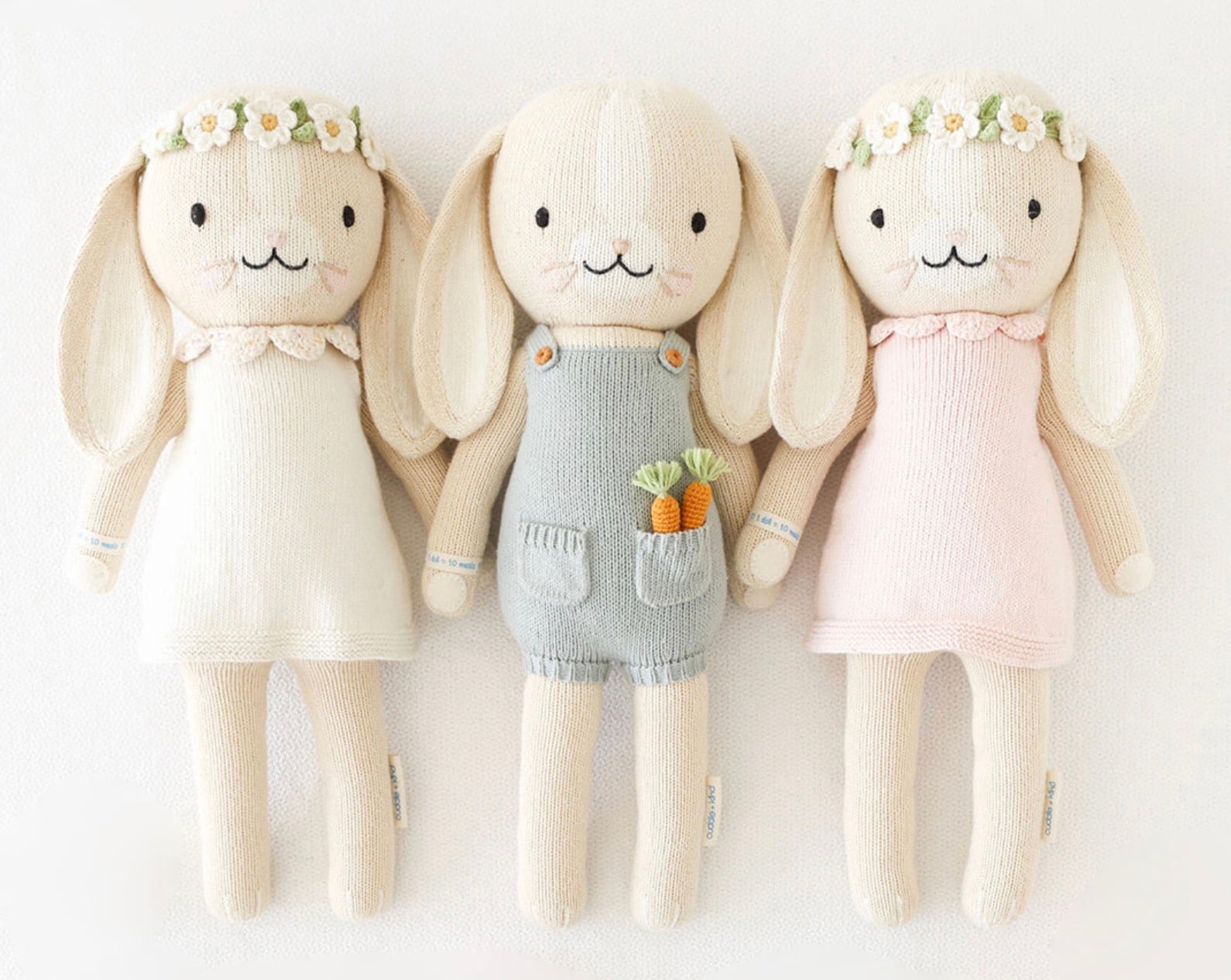
The toy industry has also been influenced by a growing consumer demand for ethical manufacturing and corporate social responsibility. A notable example is the success of high-quality handmade plush items, such as the Cuddle + Kind collection. These products often feature a philanthropic model, where each purchase contributes to a charitable cause—such as providing meals to children in need. Data indicates that since the brand’s inception, such initiatives have facilitated the distribution of over 40 million meals globally.
This model of "conscious consumerism" is increasingly shaping the purchasing decisions of millennial and Gen Z parents. When a product provides both a tangible benefit to the recipient and a measurable impact on a global crisis, its market viability increases significantly.
Technology as a Facilitator of Human Connection
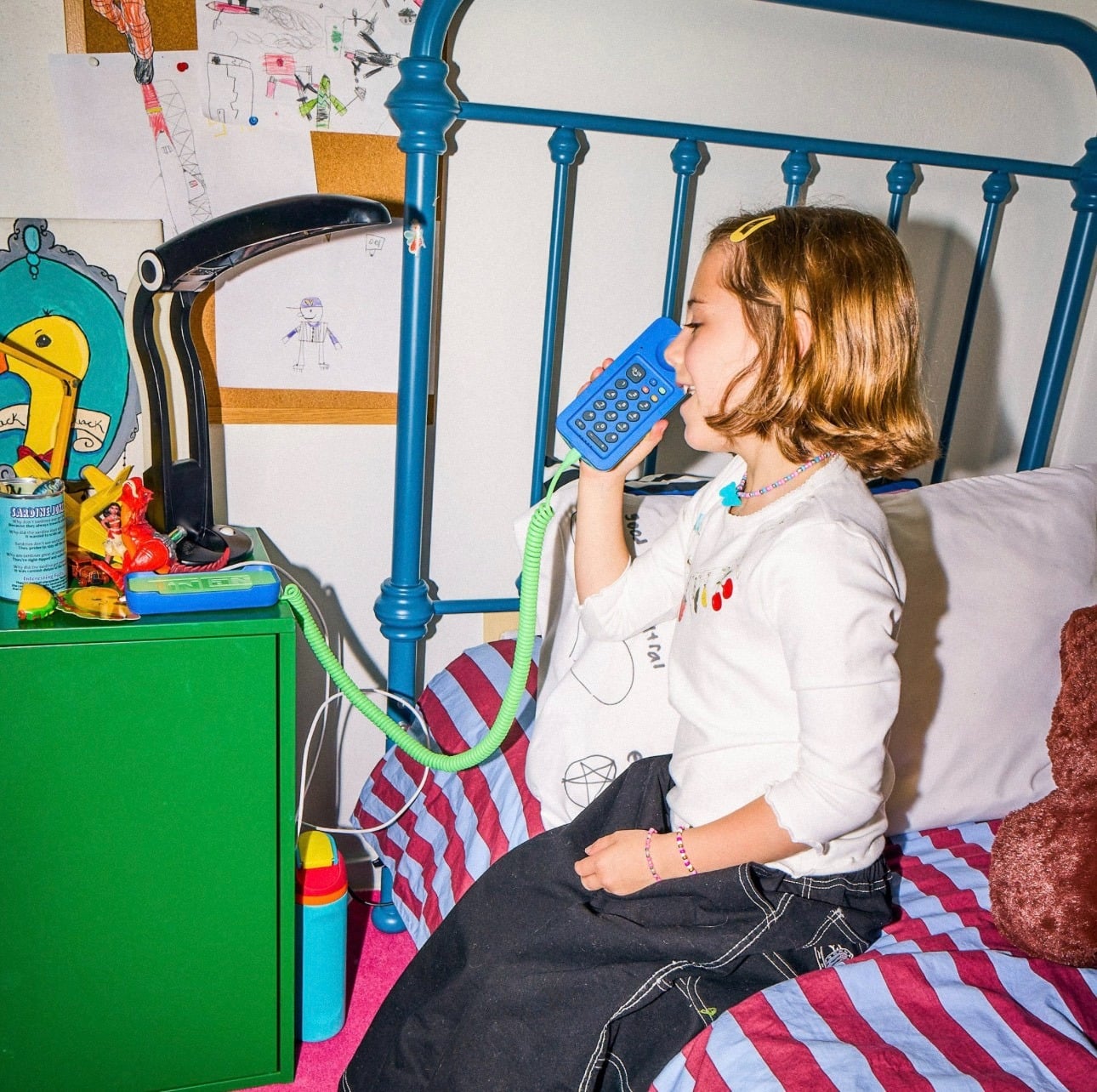
Interestingly, technology is being repurposed to facilitate traditional forms of play rather than replace them. The emergence of modern iterations of classic toys—such as high-tech "tin can" phones that utilize local Wi-Fi to emulate landline communication—highlights a desire to reclaim the simplicity of past decades while utilizing modern infrastructure.
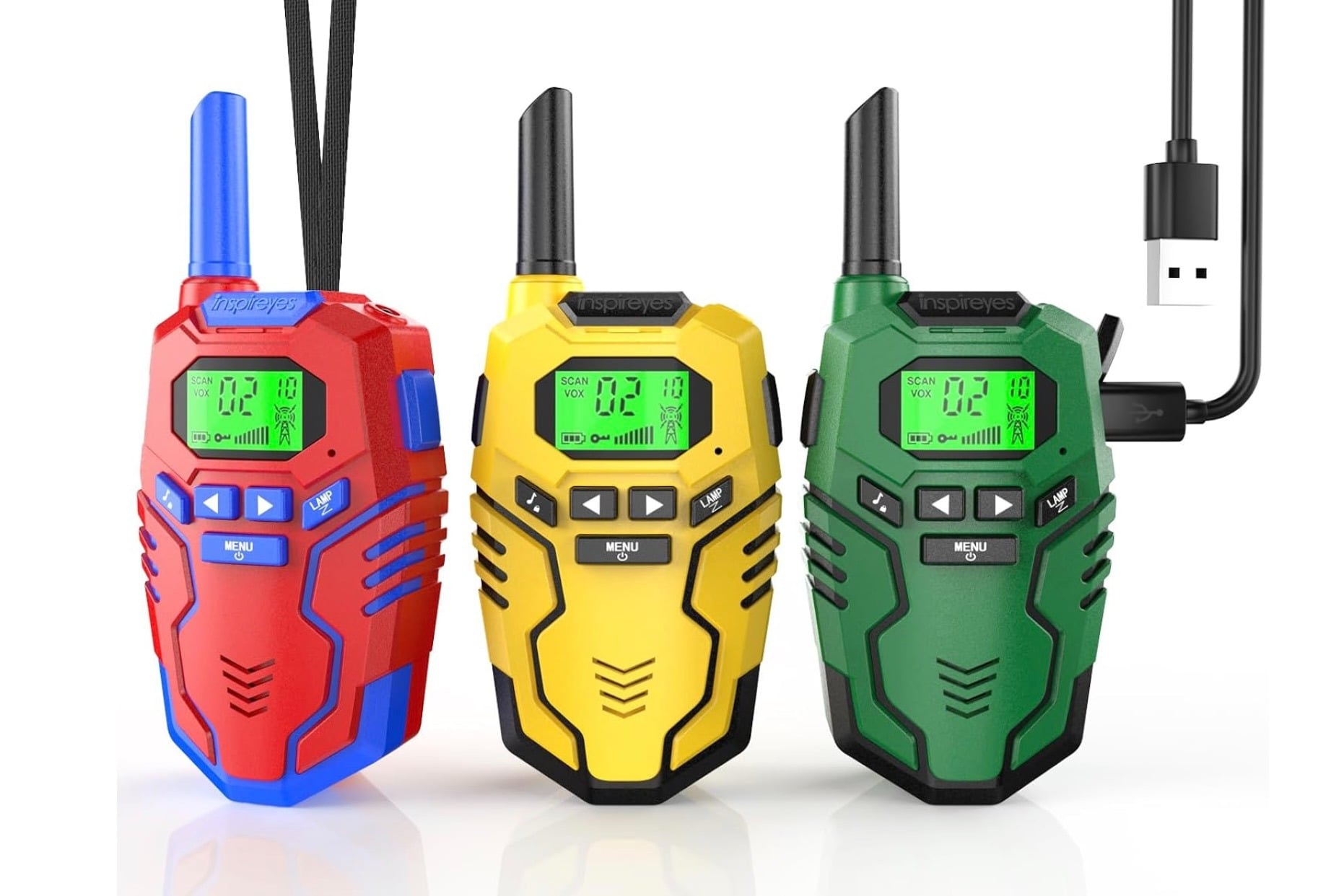
Furthermore, communication tools like long-range walkie-talkies (with capabilities reaching up to two miles) remain highly popular for outdoor exploration. These tools are often bundled with "everyday utility" gear, including high-precision stopwatches, flashlights, and manual clicker counters. These items appeal to the natural curiosity of children and adolescents, encouraging them to perform "missions" and engage in structured outdoor activity. The reliance on these analog tools serves as a deliberate departure from the reliance on smartphones for GPS or communication, providing a sense of independence for the user.
Durability and Sustainability in Design
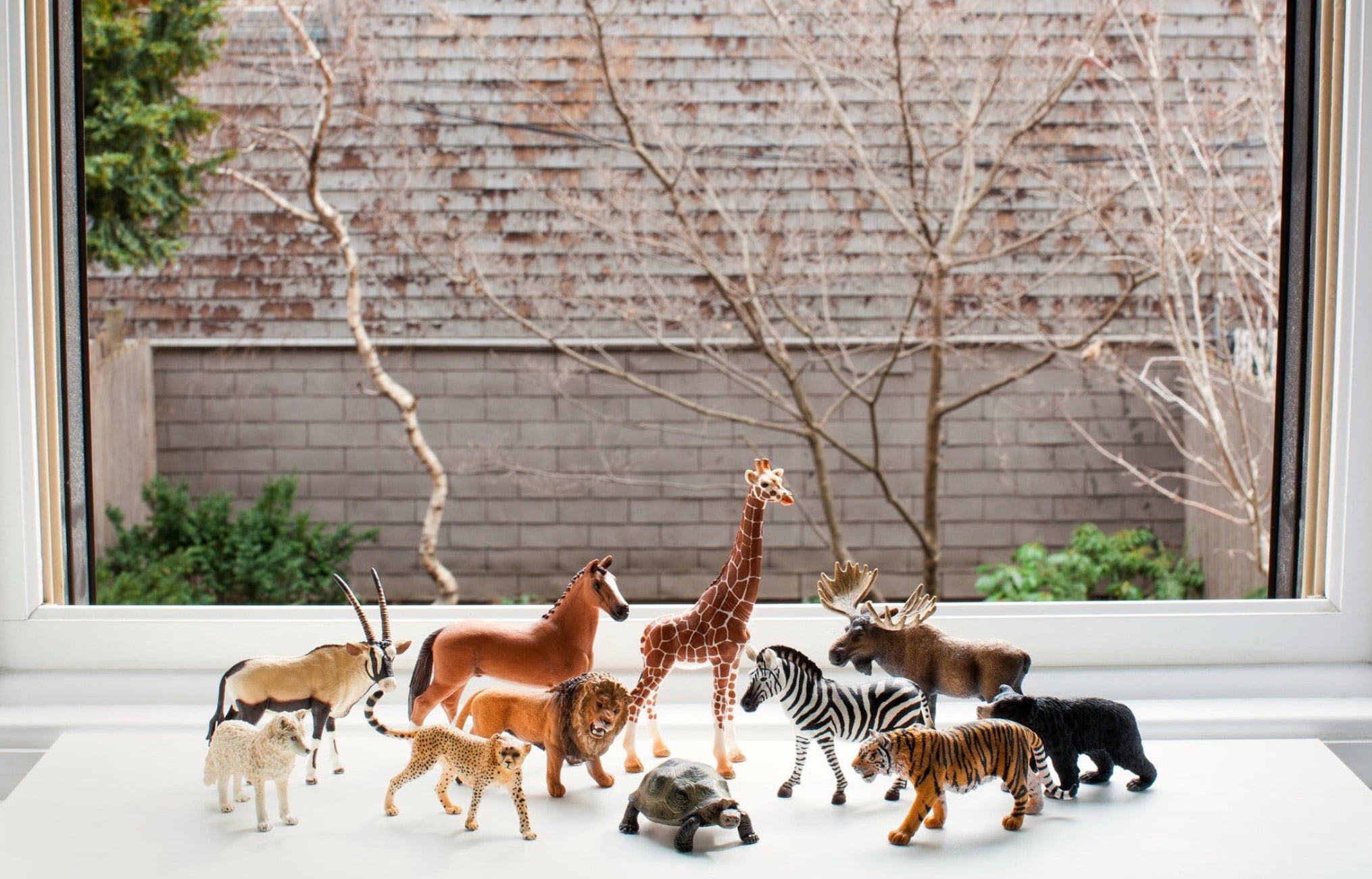
The market for high-end, durable figurines, specifically those produced by brands like Schleich, illustrates a preference for investment-grade toys. These items are designed for longevity, often transitioning from childhood playthings to collectible display pieces. The secondary market for these items is robust, which speaks to their durability and timeless appeal. By choosing toys that can be passed down through generations, consumers are participating in a circular economy that mitigates the waste associated with short-lived plastic toys.
Organizational and Creative Expression
Gift-giving in 2026 also reflects a trend toward items that facilitate personal organization and artistic expression. Novelty stationery, such as custom-designed notepads, serves as a bridge between the physical and the digital, allowing children to practice handwriting and list-making in an era dominated by typing.
Furthermore, bedroom decor has evolved to include functional, light-based items. Nightlights, particularly those featuring whimsical designs (like rabbits or food-themed motifs), have become popular staples. These items are more than just functional lights; they contribute to the aesthetic environment of a child’s sanctuary, reflecting a broader trend in interior design that emphasizes comfort and personalization.
Implications for the Future of Play
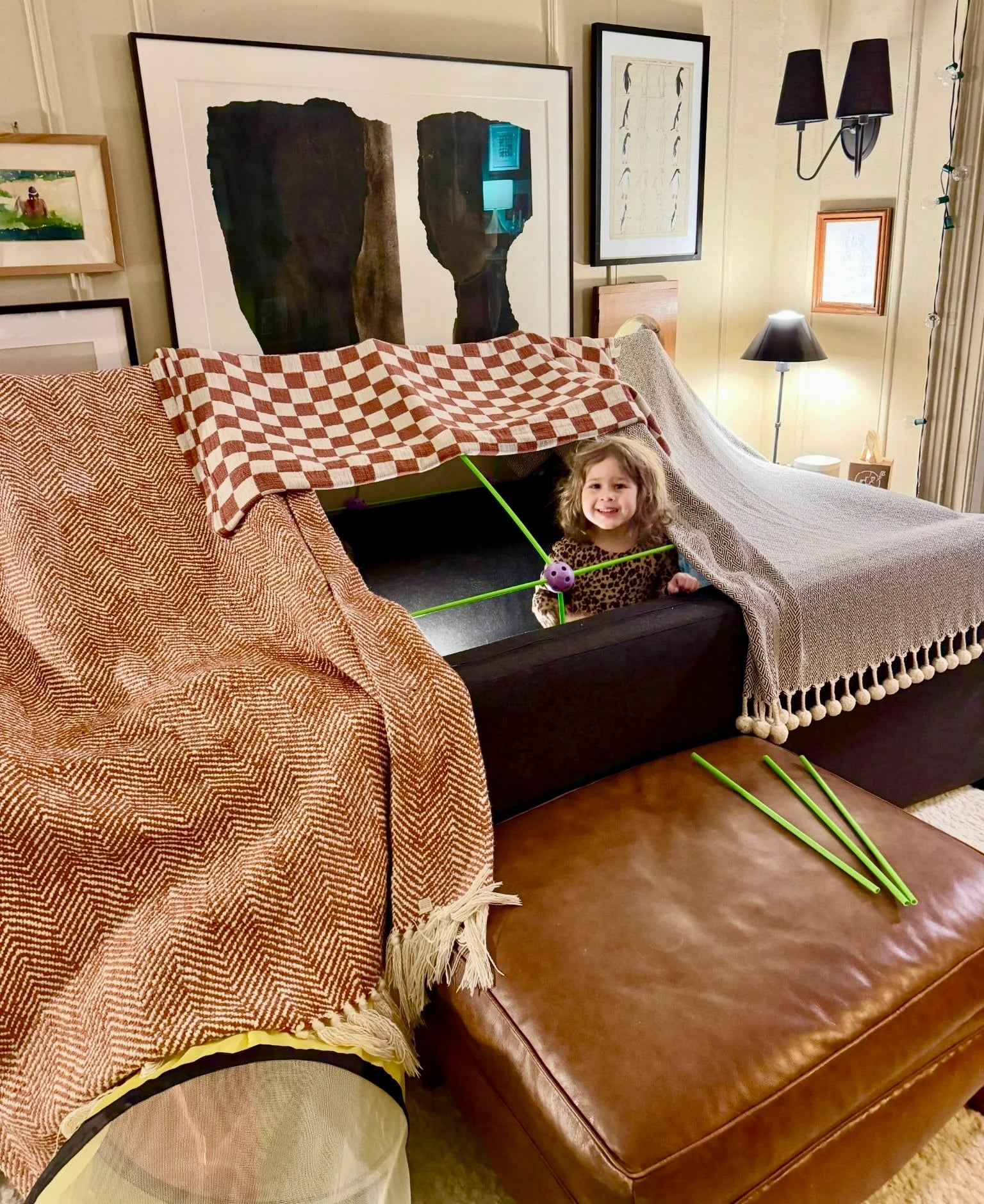
As we look toward the remainder of the decade, the implications of these trends are clear: the most successful products for the youth demographic will be those that balance technological innovation with physical, interactive play. The rise of fort-building kits—which transform living spaces into creative hubs—highlights that children continue to value environments they can control and manipulate.

Additionally, the trend of gifting customized physical items, such as photo blocks from companies like Artifact Uprising, underscores a cultural desire to preserve memories in a physical format. In an age of ephemeral digital content, the ability to hold a tangible memory is considered a premium experience.
Expert and Consumer Sentiment
Public commentary from parents and educators suggests that the "best" gifts are those that allow for open-ended play. Whether it is a server book and guest checks for imaginative restaurant roleplay or nail stickers for creative expression, the items that endure are those that allow children to "try on" adult roles or explore their own creativity.

Even for teenagers, the trend remains consistent: simplicity and utility often trump complex gadgets. High-quality model cars, for instance, retain their appeal well into the teenage years, serving as both a hobby and a display of craftsmanship.
Conclusion
The 2026 gift-giving landscape is characterized by a sophisticated blend of legacy products and modern adaptations. Consumers are increasingly moving away from disposable plastic culture, opting instead for items that offer:
- Longevity: Products built to last and be handed down.
- Social Value: Items that require or encourage human interaction.
- Purpose: Gifts that carry an ethical or philanthropic component.
- Physicality: Tools that encourage the use of the hands and the navigation of the physical world.
As holiday shopping patterns solidify, it is evident that the most valued gifts are those that successfully navigate the tension between the digital world and the timeless need for creative, tangible engagement. By focusing on these core principles, gift-givers can ensure that their selections provide meaningful, long-term value to the children and teenagers in their lives.