The men’s winter scarf remains one of the most essential yet chronically overlooked accessories in modern menswear. While jackets, boots, and sweaters receive meticulous attention during seasonal wardrobe transitions, the scarf is frequently relegated to an afterthought—often picked up in a rush at a discount retailer or grabbed out of necessity during a freezing outdoor sporting event. However, fashion industry analysts and wardrobe stylists emphasize that a high-quality scarf functions as both a functional barrier against harsh winter elements and a vital focal point for personal style.
As consumer interest in heritage fabrics, luxury-at-a-price alternatives, and statement winter accessories continues to grow, menswear experts have undertaken comprehensive reviews of the global market. Surveying hundreds of options ranging from mass-market mainstays to historic European manufacturers and contemporary avant-garde labels, style critics have curated a definitive selection of cold-weather neckwear designed to endure multiple winter seasons.
The Functional and Aesthetic Value of Winter Neckwear
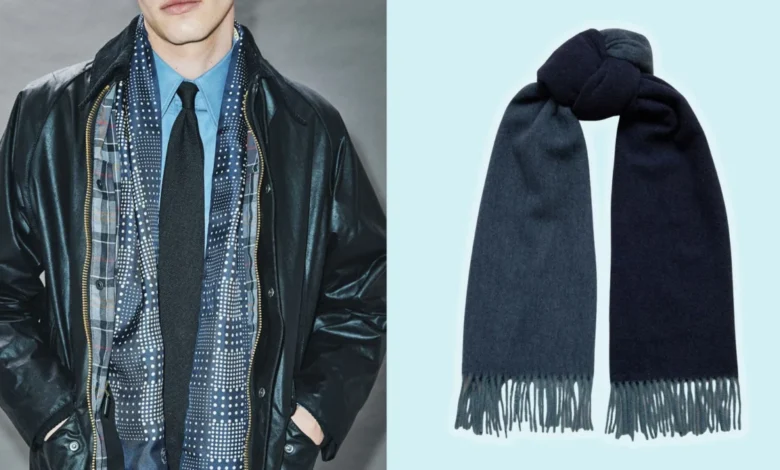
From a practical standpoint, a well-chosen scarf provides essential thermal regulation by sealing gaps in outerwear where body heat escapes, protecting the neck, face, and chest from biting winds and freezing temperatures. Stylistically, it serves a function comparable to a traditional necktie, drawing the eye upward and offering an opportunity to introduce texture, color, and pattern directly beneath the face.
Furthermore, because scarves require significantly less yardage than coats, blazers, or heavy knit sweaters, they represent a cost-effective entry point into luxury materials. Consumers can often acquire 100% cashmere, fine lambswool, or specialty silk-wool blends from premier mills at a fraction of the cost of a full garment made from the same fibers. This accessibility has fueled a resurgence in the popularity of scarves across diverse consumer demographics, driving demand for innovative designs, sustainable sourcing, and traditional craftsmanship.
Market Segmentation: From Sub-$100 Essentials to Heritage Investments
The contemporary men’s scarf market is generally categorized into three distinct pricing tiers, each catering to different consumer priorities, ranging from everyday utility to luxury investment pieces.
Stellar Sub-$100 Scarves
For consumers seeking high utility without a substantial financial commitment, the sub-$100 market offers surprising diversity and craftsmanship. Parisian label Brut, known for its vintage-inspired workwear and military surplus aesthetics, reinterprets European football supporter scarves by incorporating distinct motifs such as Lady Liberty, bridging French manufacturing heritage with American iconography.
Similarly, brands like Alex Mill have popularized the wool handkerchief scarf, offering extra-fine merino wool options in extensive color palettes that function as modern neckerchiefs. Banana Republic bridges the gap between traditional bandanas and cold-weather comfort by incorporating wool-cashmere blends into triangle silhouettes.
Heritage brands maintain a strong presence in this price bracket as well. Barbour continues to leverage its British heritage with classic tartan plaid wool-cashmere blends that mirror the linings of its iconic waxed jackets. Meanwhile, outdoor and workwear-inspired brands like L.L.Bean utilize Irish-woven lambswool for its natural water-resistance and durability, while specialized retailers offer functional novelties such as Scottish lambswool scarves with integrated pockets for small essentials. Functional performance is also represented by brands like Gramicci, whose slim-profile thermal fleece scarves cater to the growing popularity of technical, gorpcore-inspired winter wear. Finally, direct-to-consumer disruptors like Quince have captured significant market share by offering 100% Mongolian cashmere scarves at accessible price points, challenging traditional luxury markups.
Excellent Under-$250 Scarves
Moving into the mid-tier bracket, design innovation and material complexity take center stage. Margaret Howell’s MHL line offers refined, understated luxury through wool-blend scout scarves characterized by subtle earth tones and exceptional drape. British and European independent labels are also prominent in this category; Cawley combines Japanese cotton-wool twill woven in England with brushed finishes to create understated, highly tactile accessories.
Danish and British contemporary designers utilize advanced textile engineering to elevate everyday pieces. Mfpen introduces double-faced Italian wool scarves that offer contrasting vintage check patterns on either side, providing versatility within a single accessory. Percival draws on traditional Aran knitwear aesthetics to produce heavy wool cable-knit scarves, offering the tactile charm of a vintage fisherman’s sweater in a neckwear format. These pieces appeal to consumers looking for distinctive design elements that elevate a standard winter coat without entering high-end luxury pricing.
Superlative Over-$250 Scarves
At the highest end of the market, consumers are paying for rare fibers, artisanal manufacturing techniques, and deep historical pedigree. Scottish brand &Daughter offers ultra-luxurious cashmere foulards that are entirely handmade and hand-linked by generational artisans, reflecting a commitment to slow fashion and sustainable localized production.
Drake’s, which began as a small workshop in London in 1977 specializing in printed scarves, continues to produce archival animal-print and geometric designs crafted from fine wool and silk blends. These pieces are frequently cited by menswear critics as wearable works of art.
Italian fashion houses also dominate this tier through distinctive brand identity. Missoni relies on its signature multicolored crochet-knit zigzags, bringing a touch of 1960s Milanese modernism to contemporary winter wardrobes. Meanwhile, luxury houses like Celine offer statement cashmere-wool blends featuring oversized logo appliqués and vibrant primary colors, aimed at consumers seeking high-visibility designer branding. For those inclined toward tactile luxury, brands like Mr. P offer shearling scarves that evoke a medieval, textural opulence distinct from traditional knitwear. Finally, Scandinavian contemporary labels like NN07 blend classic patterns with Italian manufacturing, finishing their pieces with meticulous blanket-stitched edges.
Industry Implications and Consumer Trends
The shifting perception of the men’s scarf from a utilitarian afterthought to a cornerstone accessory reflects broader changes in consumer behavior. Industry analysts note that post-pandemic menswear has increasingly focused on accessories as a primary vehicle for self-expression, particularly as overall silhouettes have trended toward relaxed tailoring and minimalist outerwear.
Furthermore, sustainability and material transparency have become critical purchasing factors. Consumers are increasingly willing to invest in natural fibers—such as traceable cashmere, lambswool, and merino—that offer longevity over synthetic alternatives. As climate patterns become more unpredictable, resulting in sudden temperature fluctuations during autumn and winter, the versatility of lightweight yet warm neckwear has cemented its status as a year-round transitional staple rather than a strictly deep-winter item.
Ultimately, the revitalization of the men’s scarf market underscores a broader reevaluation of menswear fundamentals. By bridging the gap between comfort, heritage craftsmanship, and personal style, the modern scarf proves that the most impactful style statements often come in the smallest packages.