Sony wants to give you up to 400 for your PS5 and the industry-wide implications are significant

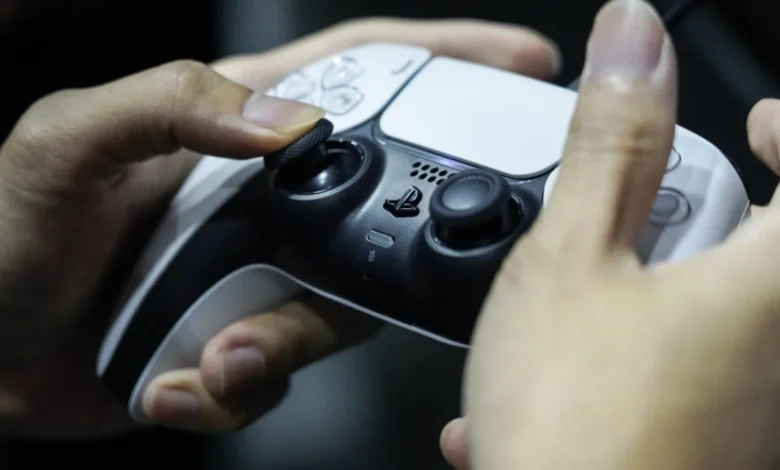
In a move that has surprised both analysts and the gaming community, Sony Interactive Entertainment has initiated a targeted campaign encouraging existing PlayStation 5 owners to trade in their consoles for cash. This strategic outreach, which began in early November 2026, signals a shift in how major hardware manufacturers are managing a volatile secondary market characterized by supply chain constraints and fluctuating retail costs. While trade-in programs are a staple of the retail sector, Sony’s direct intervention suggests an urgent need to recirculate existing units to active players ahead of the highly anticipated release of Rockstar Games’ Grand Theft Auto VI.
Chronology of the Trade-In Initiative
The rollout of this program follows a tumultuous period for the gaming hardware industry. Since the launch of the PlayStation 5 in late 2020, the console has been plagued by intermittent supply shortages, driven initially by the global semiconductor crisis and later by persistent memory component scarcities.
Throughout 2024 and 2025, Sony faced mounting pressure as international tariffs and rising logistical costs forced price adjustments across various global markets. By November 2026, the retail price for a new PlayStation 5 had climbed significantly beyond its original MSRP, with third-party marketplaces often listing standard units for upwards of $800, and the premium PlayStation 5 Pro reaching valuations exceeding $1,000.
In response to this, Sony began contacting inactive or intermittent users via email, offering up to $400 in value for their current console. The program, which relies on a partnership with the refurbished-electronics marketplace BackMarket, marks a departure from traditional internal trade-in cycles. This initiative mirrors similar efforts observed earlier in 2026 by Microsoft, which contacted inactive Xbox Series X|S users with incentives to liquidate their hardware to major retailers like Best Buy.
The Economics of the Secondary Market
The financial mechanics behind Sony’s offer reveal the underlying desperation in the hardware ecosystem. By incentivizing the trade-in of used consoles, Sony is effectively attempting to replenish the supply of affordable hardware for potential customers who have been priced out by the current market surge.
Data from secondary market platforms indicates that the demand for "pre-loved" consoles has never been higher. When a user trades in a device, it is inspected, refurbished if necessary, and returned to the ecosystem at a price point that, while still elevated, is lower than that of a brand-new, factory-sealed unit.
However, the valuation provided by Sony—which mandates that the console be in excellent condition and include two controllers—has been met with some skepticism by industry observers. A direct comparison of the current buyback market reveals that consumers may find better value by bypassing the Sony-linked portal. For instance, a standard PlayStation 5 with a single controller can often fetch between $430 and $460 on independent platforms, outperforming the $400 ceiling offered in the Sony-BackMarket partnership. This discrepancy highlights the complexity of the current market, where the convenience of an official OEM (Original Equipment Manufacturer) partnership may come at the cost of maximum financial yield for the consumer.
Impact of the Grand Theft Auto VI Launch
The timing of this push is no coincidence. The gaming industry is bracing for what is expected to be the most significant commercial launch in the history of interactive entertainment: Grand Theft Auto VI. Industry analysts predict that this release will serve as the primary catalyst for hardware sales in the 2026 holiday season.

Sony’s current strategy appears to be a dual-pronged approach: securing a stable inventory of available consoles for new players while ensuring that those who have "jumped ship" or become inactive can contribute their hardware to the pool of active units. By facilitating the movement of existing consoles, Sony is attempting to mitigate the risk of a hardware bottleneck that could potentially dampen the adoption rate of its next flagship software titles. If players cannot acquire a console, they cannot purchase the games, creating a ripple effect that impacts Sony’s software revenue, licensing fees, and subscription growth.
Official Responses and Industry Context
While Sony has not provided a formal press release detailing the specific inventory goals of the program, the company’s actions align with broader macroeconomic trends affecting the tech sector. The ongoing "memory crisis"—a shortage of high-bandwidth memory and other critical components—has forced manufacturers to prioritize the production of high-margin devices, often at the expense of entry-level inventory.
Retailers like GameStop continue to offer their own trade-in programs, though these are typically structured around store credit rather than the cash-equivalent values suggested by the Sony-BackMarket partnership. GameStop’s current valuation for a standard PS5 is approximately $275 in store credit or $192 in cash, a stark contrast that further underscores the current premium on hardware availability.
Strategic Implications for the Future
The shift toward a "circular economy" model in gaming hardware is a significant development. For years, the industry operated on a linear model: manufacture, ship, sell, and support. Today, the focus has moved toward maintenance and recirculation.
There are several long-term implications to this strategy:
- Ecosystem Retention: By keeping consoles in the hands of active players, Sony ensures that it maintains a steady stream of revenue through its PlayStation Plus subscription service and digital store transactions. An inactive console is a dormant revenue stream; a recirculated console is a potential source of recurring income.
- Market Stability: By acting as a broker for used hardware, the company can exert some influence over the secondary market, potentially stabilizing prices that have otherwise become volatile due to supply constraints.
- Brand Perception: Offering a buyback program, even if imperfect, allows Sony to maintain a relationship with its customer base during a period of high prices, potentially softening the blow for consumers who feel alienated by the rising cost of entry into the console generation.
However, risks remain. If the supply of refurbished units fails to meet the massive demand expected for the launch of Grand Theft Auto VI, the company may still face a hardware shortage, leading to further price inflation. Additionally, reliance on third-party partners like BackMarket introduces variables that Sony cannot fully control, including inspection standards, shipping logistics, and varying appraisal rates.
Conclusion
The decision by Sony to encourage the sale of its own hardware is a clear indicator of the current state of the global gaming market. It is a pragmatic, if unusual, response to a confluence of supply chain issues, rising production costs, and the impending pressure of a blockbuster software launch. For the average consumer, this program presents an opportunity to monetize an underutilized asset, though the savvy gamer would do well to compare the official offer against independent marketplace valuations before committing.
As the industry approaches the end of 2026, the success of this program will likely be measured by how many consoles are successfully returned to the market and subsequently picked up by new, eager players. For now, the move serves as a reminder that in an era of technological scarcity, the most valuable commodity in gaming is the hardware itself. The console wars of the past have evolved; they are no longer just about who can sell the most units, but who can keep their ecosystem alive in a world where the hardware is increasingly difficult to manufacture.