Barry Keoghan Prioritizes Skincare and Wellness Amid Intense Filming Schedules with Non-Invasive Treatments

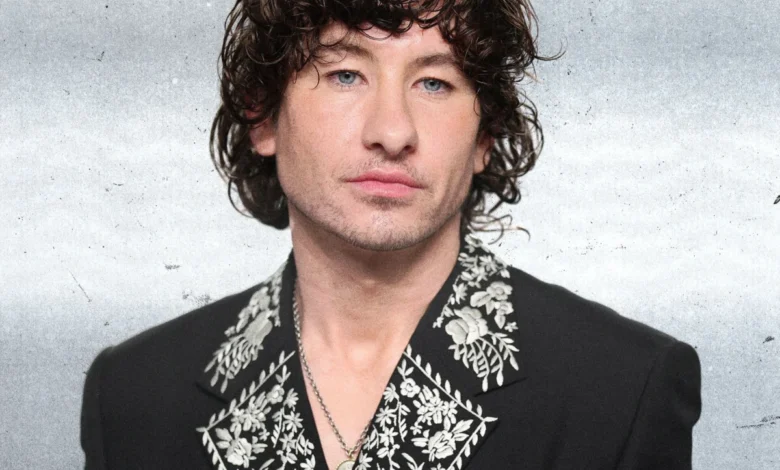
In the high-pressure environment of contemporary Hollywood, maintaining physical wellness and a polished appearance often requires specialized off-screen routines. Irish actor Barry Keoghan, currently immersed in a demanding filming schedule for an upcoming series of Beatles biographical films, has found a reliable method to manage skin health without disrupting his professional obligations. Known for his intense cinematic roles and rising global profile, the 34-year-old Oscar-nominated star relies on advanced, non-invasive dermatological procedures to maintain a refreshed look amidst back-to-back shooting commitments.
Skincare practitioner Nilam Holmes, who operates the UK-based clinic Dermaspa, recently highlighted Keoghan’s commitment to self-care by sharing footage of the actor undergoing his second XERF treatment. As public interest in male grooming continues to evolve, celebrity routines offer a window into the modern convergence of high-performance cinema, personal maintenance, and advanced aesthetic technology.
The Demands of a Blockbuster Schedule and the XERF Solution
Keoghan’s current professional workload is exceptionally heavy. The actor is tied to a landmark project involving a quartet of Beatles biopics directed by Sam Mendes, in which he is widely reported to portray legendary drummer Ringo Starr. The sheer logistical and physical demands of shooting four interconnected feature films simultaneously mean that Keoghan’s schedule leaves virtually no room for the prolonged recovery times associated with invasive cosmetic procedures.
To combat the visible fatigue of grueling production hours, Nilam Holmes selected the XERF treatment for the actor. The procedure utilizes radio frequency technology designed to stimulate collagen production and improve skin firmness. Importantly, it achieves these results without risking unwanted facial fat loss.
According to Dermaspa’s clinical parameters, a standard course of XERF involves two sessions priced at approximately $6,000, while a single session is valued near $3,300. The physiological effects typically endure for 12 to 18 months. Holmes emphasized that the treatment provides a firmer, well-rested appearance that seamlessly integrates with an active working actor’s timetable, eliminating the need for downtime.
Despite industry colloquialisms describing such procedures as "non-surgical facelifts," Holmes clarifies that the clinical outcomes are far more subtle. The treatment is primarily engineered for individuals exhibiting mild skin laxity—characterized by slight looseness or sagging—who seek natural-looking rejuvenation rather than dramatic structural alterations.
A Comprehensive Regimen Tailored for the Screen
Barry Keoghan’s relationship with Dermaspa extends beyond occasional visits. Holmes notes that the actor has been a regular client for a significant period, receiving customized treatments based on the immediate needs of his skin.
When production fatigue sets in, the clinic alternates between targeted radio frequency skin tightening to address sagging and specialized lymphatic drainage protocols. Conversely, when heavy theatrical makeup compromises the skin barrier during extended shoots, Holmes administers mild laser therapies paired with deep-cleaning HydraFacials.
On a routine basis—typically every four to six weeks—Keoghan undergoes Skinpen Microneedling. This procedure is clinically proven to diminish the visibility of fine lines, acne scars, and uneven skin textures. Once a year, the regimen scales up to more intensive interventions, such as Ultraformer III HIFU (High-Intensity Focused Ultrasound) or Morpheus8, a hybrid device combining microneedling with radio frequency energy. Unlike XERF, these annual treatments require designated recovery periods.
Navigating Public Scrutiny and Digital Pressure
The actor’s proactive approach to skin health occurs against a backdrop of public scrutiny. While Keoghan has remained characteristically tight-lipped regarding the specifics of the secretive Beatles project, he has been notably transparent about personal challenges in recent years.
Raised in foster care—an experience that deeply informed his artistic perspective during the creation of his recent film Lemonade—Keoghan has also confronted the darker side of modern celebrity culture. In March, during an appearance on SiriusXM, the actor addressed the severe online abuse he frequently receives concerning his physical appearance. He candidly discussed how such cyberbullying can induce feelings of isolation and reluctance to engage in public life.
In the Instagram video documenting his recent visit to Dermaspa, Keoghan offered a brief voiceover reflecting on the positive psychological impact of his routine: "I feel better about myself; I look better."
For practitioners like Holmes, these statements underscore the psychological dimension of dermatological care. She argues that aesthetic maintenance should not be viewed as an attempt to alter an individual’s fundamental identity, but rather as an essential component of holistic self-care, comparable to physical fitness and nutritional health.
Evolving Beauty Standards and the Rise of Male Grooming
Keoghan’s transparent integration of advanced skincare into his routine reflects a broader cultural shift in how male grooming and cosmetic procedures are perceived. Historically, the clientele for advanced dermatological clinics consisted predominantly of younger women. However, industry professionals report a significant demographic expansion.
Holmes notes a noticeable surge in inquiries from young men, a trend closely associated with the cultural phenomenon known as "looksmaxxing"—an online-driven movement centered on maximizing one’s physical attractiveness through targeted grooming, fitness, and skincare regimens. As societal stigmas surrounding male cosmetic care continue to dissolve, public figures who openly embrace wellness routines help normalize these practices.
Ultimately, Barry Keoghan’s regimen illustrates the intersection of modern professional pressures and preventative health maintenance. By leveraging non-invasive technologies that respect both his demanding filming timeline and his personal well-being, the actor demonstrates that caring for one’s physical presentation is a practical and empowering facet of contemporary life.
Related posts: