Nintendo Seeks Dismissal of Class Action Lawsuit Over Switch 2 Tariff Refunds and Accessory Price Hikes

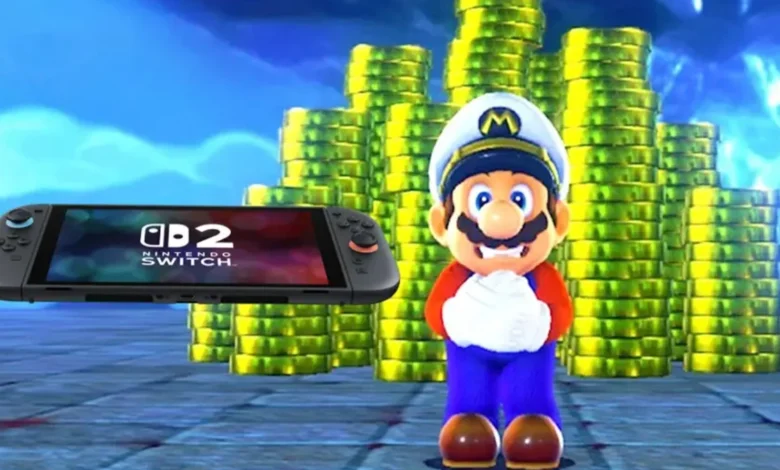
The Japanese gaming giant Nintendo has officially moved to dismiss a proposed class-action lawsuit that seeks to compel the company to issue refunds to consumers following a significant legal shift in United States trade policy. The litigation, which centers on price increases implemented during the 2025 launch of the Nintendo Switch 2, highlights a growing tension between corporate pricing strategies and consumer rights in the wake of volatile international trade regulations. According to court documents recently filed by the publisher, Nintendo maintains that consumers are not "entitled" to any form of rebate, arguing that the prices paid at the time of purchase constituted a binding and completed commercial agreement.
The legal battle stems from a series of events that began in early 2025, when Nintendo introduced its highly anticipated successor to the original Switch console. Just prior to the hardware’s release, the company adjusted the Manufacturers Suggested Retail Price (MSRP) for a wide array of peripherals and accessories. At the time, Nintendo attributed these adjustments to "changes in market conditions." However, the timing of the increases aligned closely with the imposition of new U.S. tariffs on electronic components imported from overseas. When the U.S. Supreme Court later ruled that these specific tariffs were illegal, Nintendo successfully petitioned the government for a refund of the duties it had paid. This recovery of funds prompted a group of consumers to file a class-action suit, alleging that since the price hikes were a direct pass-through of the now-invalidated tariffs, the resulting "excess" profit should be returned to the buyers.
The Legal Argument for Dismissal
In its motion to dismiss the case, Nintendo’s legal counsel presented a firm defense of the company’s pricing autonomy. The publisher argued that the plaintiffs failed to establish a legal basis for a refund because the transactions were completed under transparent terms. "Plaintiffs received exactly what they bargained and paid for," the company stated in the filing, which was first reported by Gamefile. Nintendo’s position is built on the principle of finality in retail transactions, suggesting that once a consumer agrees to a price and receives the product, the seller is under no obligation to adjust that price based on subsequent changes in the seller’s own cost structure.

The filing further elaborates on the nature of commercial law, asserting that a "rebate" based on "intervening legal developments" is not a standard feature of the consumer marketplace. Nintendo’s defense characterizes the plaintiffs’ claims as an attempt to retroactively negotiate prices based on a sense of "fairness" rather than a violation of contract or consumer protection law. From Nintendo’s perspective, the fact that they are receiving a refund from the federal government for illegally collected taxes does not create a secondary obligation to distribute those funds to the end-users who purchased products at a set market price.
A Chronology of the Switch 2 Pricing Dispute
The current legal friction is the culmination of a nearly two-year timeline involving international trade disputes and hardware manufacturing cycles. To understand the gravity of the lawsuit, it is necessary to examine the sequence of events that led to the current stalemate:
- Early 2025: Pre-Launch Price Adjustments. As Nintendo prepared for the global rollout of the Switch 2, it announced that several key accessories, including the redesigned Joy-Con 2 controllers, would be priced higher than their predecessors.
- Spring 2025: Implementation of U.S. Tariffs. The U.S. government implemented a series of aggressive trade tariffs on consumer electronics. Nintendo, like many other tech firms, faced increased costs for importing components and finished goods.
- Late 2025: Switch 2 Market Entry. The console launched with the inflated accessory prices in place. Consumers purchased millions of units, often paying a $5 to $10 premium on essential peripherals compared to initial projections.
- Early 2026: Supreme Court Intervention. In a landmark ruling, the U.S. Supreme Court declared the specific tariff structure affecting these electronics to be unconstitutional or otherwise illegal. This opened the door for corporations to reclaim billions in paid duties.
- Mid-2026: Nintendo’s Federal Lawsuit. Nintendo filed its own legal action against the U.S. government to recover the tariff payments it had made during the period the taxes were in effect.
- Summer 2026: Consumer Class Action. Shortly after news broke that Nintendo was seeking a government refund, a group of plaintiffs filed a class-action lawsuit, arguing that the "tariff-induced" price hikes should be refunded to the public if Nintendo was being made whole by the government.
Supporting Data: Impacted Accessories and Price Variances
The plaintiffs in the lawsuit have identified a comprehensive list of products that they believe were unfairly marked up due to the illegal tariffs. The following data represents the price discrepancies cited in the legal filings, comparing the "original" projected prices against the "increased" prices consumers were forced to pay at launch:
| Switch 2 Accessory | Original Projected Price | Increased Launch Price | Total Increase |
|---|---|---|---|
| Joy-Con 2 Controllers (Pair) | $89.99 | $94.99 | $5.00 |
| Switch 2 Pro Controller | $79.99 | $84.99 | $5.00 |
| Switch 2 Dock Set | $109.99 | $119.99 | $10.00 |
| Switch 2 Camera Peripheral | $49.99 | $54.99 | $5.00 |
| All-In-One Carrying Case | $79.99 | $84.99 | $5.00 |
| Joy-Con 2 Charging Grip | $34.99 | $39.99 | $5.00 |
| Carrying Case & Screen Protector | $34.99 | $39.99 | $5.00 |
| Joy-Con 2 Wheel Two-Pack | $19.99 | $24.99 | $5.00 |
| Switch 2 AC Adapter | $29.99 | $34.99 | $5.00 |
| Joy-Con 2 Strap | $12.99 | $13.99 | $1.00 |
While a $5 or $10 increase may seem marginal to an individual buyer, the scale of Nintendo’s hardware sales means these increases represent hundreds of millions of dollars in collective consumer spending. The plaintiffs argue that this constitutes "unjust enrichment" on the part of Nintendo, as the company is essentially being "paid twice"—once by the consumer and once by the government refund—for the same economic burden.

Contrasting Economic Factors: The 2026 Price Hike
Adding a layer of complexity to the current legal climate is the fact that Nintendo has announced a separate, permanent price increase for the Switch 2 scheduled to take effect on September 1, 2026. It is critical to distinguish this upcoming hike from the tariff-related dispute. While the 2025 increases were linked to trade policy, the 2026 adjustments are being driven by a global shortage of high-performance RAM and specialized hardware components.
The surge in Artificial Intelligence (AI) development has created an unprecedented demand for High Bandwidth Memory (HBM) and other semiconductor products. As AI companies outbid consumer electronics manufacturers for limited silicon supply, the cost of manufacturing gaming consoles has risen sharply. In some regions, the price of the Switch 2 is expected to climb to nearly $700. Nintendo’s defense in the current lawsuit hints at this volatility, suggesting that "changing economic markets" are a constant reality of the tech industry, and that prices must be allowed to fluctuate without the threat of retroactive litigation.
Analysis of Broader Implications and Industry Reactions
The outcome of this motion to dismiss will be closely watched by the entire technology sector. If the court allows the class-action lawsuit to proceed, it could set a massive precedent for how companies handle "pass-through" costs. Historically, when a company faces a new tax or tariff, it often raises prices for the end consumer. If those taxes are later rescinded or ruled illegal, there has rarely been a legal mechanism to force a "trickle-down" refund to the public.
Industry analysts suggest that a ruling in favor of the plaintiffs would fundamentally alter retail economics. It would require companies to maintain exhaustive records of which price increases were specifically tied to which government mandates, potentially leading to "contingent pricing" models where consumers are promised future rebates if trade laws change. Conversely, a victory for Nintendo would reinforce the "caveat emptor" (buyer beware) nature of the modern marketplace, confirming that once a price is accepted at the point of sale, the underlying cost of goods sold is irrelevant to the consumer’s legal standing.

Consumer advocacy groups have expressed disappointment at Nintendo’s aggressive stance. A spokesperson for one such group noted, "There is a significant optics problem here. Nintendo is telling the government that it was ‘wronged’ by these tariffs and deserves its money back, but it is telling its most loyal fans that they were not ‘wronged’ by paying those same costs. It’s a double standard that prioritizes the corporate balance sheet over brand loyalty."
Conclusion and Future Outlook
As the court prepares to rule on the motion to dismiss, the gaming community remains in a state of "wait and see." If the motion is denied, the case will move into the discovery phase, where internal Nintendo communications may reveal exactly how much of the 2025 price hike was calculated based on the illegal tariffs versus other market factors. If the motion is granted, the case will be effectively dead, leaving millions of Switch 2 owners without recourse for the higher prices paid during the console’s first year on the market.
For now, the situation serves as a stark reminder of the intersection between international geopolitics and the cost of leisure. As Nintendo navigates the legal fallout of the 2025 trade war, it must also manage the impending 2026 price increases driven by the AI revolution. For the average player, the "bargain" Nintendo speaks of is becoming increasingly expensive, and the legal definition of "fairness" remains as elusive as ever in the high-stakes world of global electronics.