Nigella Lawson Addresses Feud Speculation and Confirms Dynamic Chemistry with Paul Hollywood on The Great British Bake Off

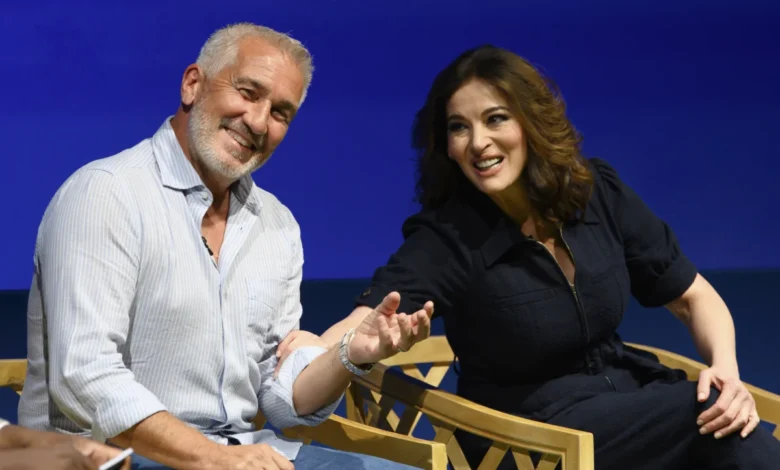
Culinary icon Nigella Lawson has officially addressed the widespread media speculation regarding her professional relationship with veteran judge Paul Hollywood as she prepares to join the marquee panel of The Great British Bake Off. In a recent interview with The Guardian, Lawson, 66, sought to quell rumors of behind-the-scenes tension, characterizing her partnership with the 60-year-old master baker as one defined by mutual respect and surprising, immediate rapport.
The speculation regarding a potential rift between the two television personalities emerged shortly after the announcement of the judging lineup for the upcoming season. Given the long-standing, high-stakes nature of the competition and the contrasting culinary philosophies of the two judges, observers had questioned whether their differing approaches to critique would manifest as personal friction. Lawson, however, dismissed these concerns, noting that their initial professional encounter was seamless.
"We chatted for 10 minutes and had a great time. I knew instantly it was going to work," Lawson stated. "It surprised even us, I think, how well we hit it off. It was lucky that we did get on. Can you imagine if we didn’t? I bet Paul would have said so!"
The Transition of a Culinary Institution
The shifting of the guard at The Great British Bake Off represents a significant moment in the program’s long-running history. In January, it was confirmed that Lawson would succeed Prue Leith, who occupied the judge’s chair for nine years. Leith, 86, announced her decision to step down following a distinguished tenure that began in 2017. Leith’s appointment had originally been a landmark event for the series, as she stepped into the role vacated by original judge Mary Berry, who departed the show during its high-profile transition from the BBC to Channel 4.
The casting of Lawson is viewed by industry analysts as a strategic move to maintain the show’s domestic charm while injecting a fresh, sophisticated perspective into the judging process. Alongside Lawson and Hollywood, the show will continue to feature the popular presenting duo of Alison Hammond and Noel Fielding, ensuring a blend of seasoned culinary authority and lighthearted entertainment that has become the hallmark of the series.
Establishing Chemistry Beyond the Tent
To ensure the chemistry required for a high-pressure environment like the Bake Off tent, Lawson took proactive measures to foster a connection with her new colleague outside of the studio. Recalling the period before filming commenced, Lawson described a meeting at her home.
"I decided to meet everyone properly before we started. I didn’t want the first time we hung out together to be on set," she explained. During the informal gathering, which included simple refreshments like salami and olives, the two were able to move past their public personas.

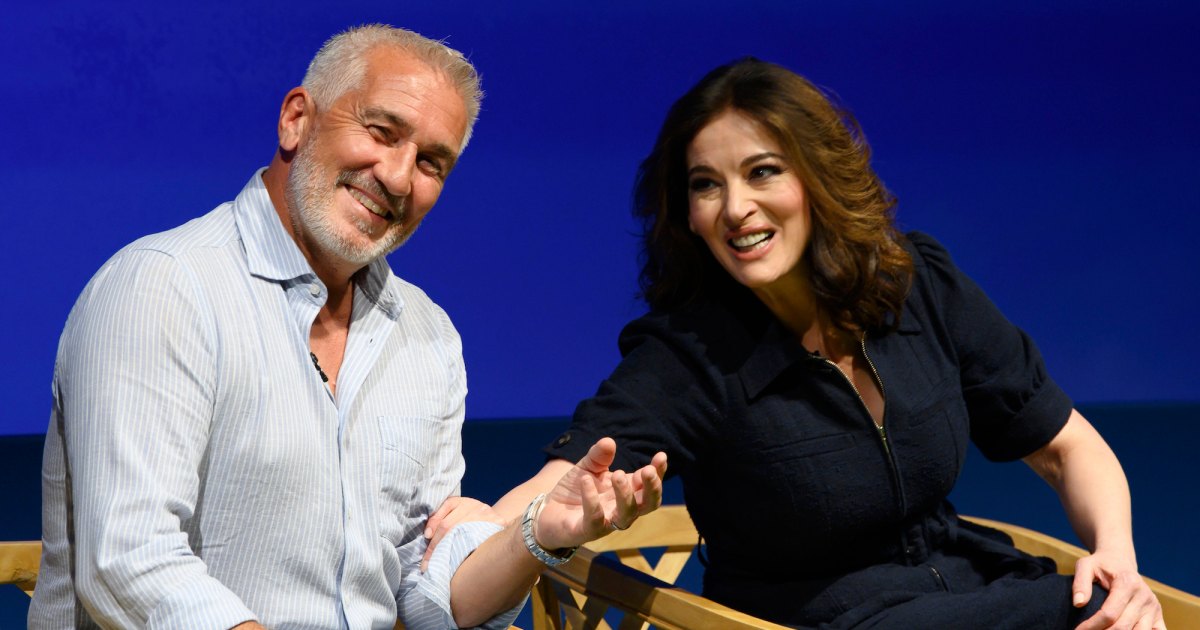
Lawson’s description of their interaction reveals a dynamic that balances Hollywood’s technical precision with her own sensory-focused approach to cooking. She jokingly referred to Hollywood as "Professor Precision," a moniker that she says helped break the ice. According to Lawson, Hollywood is far more playful than his "bad cop" television persona suggests. She noted that his willingness to be teased and his ability to remain authentic under the glare of the camera helps normalize the environment, allowing contestants to act more like themselves.
"We complement each other," Lawson noted. "He gets straight to the point and I am a witterer. I love talking about food and sometimes I just can’t stop."
Addressing Professional Apprehension
Despite her extensive career as a food writer and television host, Lawson admitted to initial reservations about taking on the role of a competition judge. She acknowledged that the transition was not one she took lightly, specifically due to the weight of expectation surrounding a show that holds a unique place in British cultural life.
"I was apprehensive at first. I wasn’t sure whether I was even qualified and mindful that it was a risk, both for me and the show," she confessed. To mitigate these concerns, Lawson engaged in extensive discussions with the production team to clarify her role. She was firm about her boundaries, emphasizing that her expertise lies in the experience of food—its taste, texture, and emotional resonance—rather than the technical or scientific aspects of professional baking, which remain squarely within Hollywood’s domain.

This division of labor is expected to be a key feature of the upcoming season. While Hollywood serves as the technical arbiter of the bake, Lawson will provide the nuanced, descriptive critique for which she has become internationally famous. This duality is designed to provide a comprehensive evaluation of the contestants’ efforts, covering both the structural integrity of the bakes and their broader culinary appeal.
Contextualizing the Bake Off Legacy
The Great British Bake Off, which has evolved from a quiet mid-week BBC program into a global media phenomenon, continues to face the challenge of maintaining its brand identity while navigating frequent changes in its cast. The show’s evolution from 2010 to the present has seen it move from a niche hobbyist competition to a high-budget production distributed globally via platforms like Netflix.
Data regarding viewership trends for the program indicates that audiences remain highly sensitive to changes in the cast. When Mary Berry left, concerns about the show’s future were at an all-time high; however, the transition to Prue Leith was ultimately successful, with ratings remaining resilient. The introduction of Lawson is anticipated to provide a similar level of stability, as she is one of the few figures in the culinary world whose reputation rivals the stature of the show itself.
Implications for Future Seasons
The inclusion of Lawson suggests that the producers are interested in leaning further into the sensory and storytelling elements of the competition. As the show prepares to premiere on Channel 4 on Tuesday, September 22, at 8 p.m. BST, and on Netflix on Friday, September 25, the industry will be watching closely to see if this new dynamic satisfies long-term fans.

The collaboration between a technical master and a sensory enthusiast could potentially change the tone of the judging, making it more about the "why" of a recipe rather than just the "how." For the contestants, this shift may prove beneficial, offering a wider platform to explain the creative intent behind their bakes.
Furthermore, the rapport between the judges is vital for the show’s pacing. In previous seasons, the interplay between judges and hosts served as the connective tissue that kept the show engaging during the long baking periods. If Lawson and Hollywood’s initial chemistry holds true on camera, the show is well-positioned to continue its streak as one of the most successful formats in international television.
As the program approaches its latest iteration, the focus remains on the balance between professional rigor and the joy of baking. Lawson’s transparent approach to her new role, including her candidness about her initial hesitation and her clear definition of her judging style, suggests a production that is deeply aware of its history and carefully curating its future. By addressing the rumors of a feud early and framing her partnership with Hollywood as a collaborative, balanced effort, Lawson has set a positive tone for the upcoming season, shifting the narrative from potential conflict to anticipated synergy.